TRENDING
How to Read a Drug Facts Label on Over-the-Counter Medicine


8 min read
Last updated November 9, 2026
Every over-the-counter medicine in the United States carries a Drug Facts label. It tells you what is in the product, what it treats, how much to take and when to avoid it.
Reading it takes about a minute and can prevent dangerous mistakes, like taking two products with the same active ingredient. This guide walks through each section of the label and shares simple safety tips for adults and children.
Health note. This article is general information, not medical advice. Ask a pharmacist or doctor if you have questions about any medicine.
Key Takeaways
- The Drug Facts label follows the same order on every product.
- The active ingredient is the part that makes the medicine work.
- Never take two products with the same active ingredient at once.
- Follow age or weight directions for children exactly.
- Use the measuring tool that comes with liquid medicines.
Inside this guide
- What is the Drug Facts label?
- The sections, one by one
- Why active ingredients matter
- Reading the warnings
- Medicine for children
- Measuring liquid medicine
- Storage and expiration
- Everyday safety tips
- Frequently asked questions
What Is the Drug Facts Label?
The Drug Facts label is a standard box of information on the outside of over-the-counter medicine packages. Federal rules require it, and it uses the same headings in the same order on every product.
That consistency makes it easy to compare products side by side. Once you learn the layout, you can read any label quickly.
7Main sections on a Drug Facts label, from active ingredients to a number for questions, as outlined by BeMedWise.
The Sections, One by One
BeMedWise, a medicine safety program, breaks the label into these sections.
| Section | What it tells you |
|---|---|
| Active ingredient and purpose | The ingredient that makes the medicine work, the amount in each dose and what it does |
| Uses | The symptoms or conditions the medicine treats |
| Warnings | When not to use it, when to ask a doctor, side effects and when to stop |
| Directions | How much to take, how often and the daily maximum, by age |
| Other information | How to store it and other details |
| Inactive ingredients | Colors, flavors and fillers, important if you have allergies |
| Questions or comments | A phone number to contact the maker |
Do you read the Drug Facts label before taking a medicine?
- Always
- Sometimes
- Rarely
- Not sure
Not sure which pain reliever fits your symptoms? Compare acetaminophen vs. ibuprofen.
Why Active Ingredients Matter
The active ingredient is the most important line on the label. Many products with different brand names contain the same active ingredient.
For example, many cold and flu products contain a pain reliever and fever reducer. If you also take a separate pain reliever, you could accidentally double up.
BeMedWise advises checking labels to make sure you are not taking too much of the same active ingredient. This applies to prescription medicines too.
Safety habit. Before you take a second product, compare the active ingredients on both labels. If any match, ask a pharmacist before taking both.
How to Compare Two Products
Imagine you have a cold product for nighttime and a separate pain reliever. Here is how to compare them.
- Find the active ingredient line on both boxes.
- Write down each ingredient name, not the brand name.
- Look for any ingredient that appears on both.
- Check the daily maximum for each ingredient.
- Ask a pharmacist if you see any overlap.
Many nighttime products also contain an antihistamine that causes drowsiness. Avoid driving after taking them, and do not combine them with alcohol.
Reading the Warnings
The warnings section is often the longest. It tells you who should not use the product and what to watch for.
- Do not use, which lists situations where you should skip the product
- Ask a doctor before use, for people with certain health conditions
- Ask a doctor or pharmacist before use, if you take other medicines
- When using this product, which lists side effects and cautions like drowsiness
- Stop use and ask a doctor, which lists signs that something is wrong
- Pregnancy, breastfeeding and keep out of reach of children reminders
Read every warning, even for medicines you have used before. Labels can change when new safety information comes out.
Following the Directions
The directions section shows how much to take and how often. It also lists the most you should take in 24 hours.
- Take only the amount listed for your age or weight.
- Wait the full time between doses.
- Do not take more than the daily maximum.
- Stop and ask a doctor if symptoms last longer than the label says.
Taking more than directed does not make a medicine work faster. It raises the risk of side effects and overdose.
Medicine for Children
Children are not small adults, and their doses differ. The directions section lists dosing by age, and some products also list weight.
- Use only products made for your child’s age.
- Follow the age or weight instructions exactly.
- Ask a doctor first if the label says so for your child’s age.
- Keep all medicines up high, out of reach and out of sight.
If you are unsure about a dose, call your pharmacist or your child’s doctor before giving it.
Measuring Liquid Medicine
BeMedWise reminds families to always use the correct measuring device for liquid medicines. Kitchen spoons vary in size and can lead to wrong doses.
- Use the cup, syringe or dropper that comes with the product.
- Match the units on the device to the units in the directions.
- Measure at eye level on a flat surface.
- Wash and dry the device after each use.
Prescription medicines have generics too. Read our guide to generic vs. brand-name medicines.
Brand Name vs. Store Brand
Store brands often contain the same active ingredient in the same amount as famous brands. They usually cost less.
Compare the active ingredient and strength on both Drug Facts labels. If they match, the store brand should work the same way for most people.
Tips for Older Adults
Older adults often take several medicines, which raises the risk of interactions. Some over-the-counter products, like certain sleep aids and decongestants, may cause problems for older people.
- Bring all medicines to a yearly pharmacy review.
- Ask before adding any new product.
- Use a pill organizer to avoid double doses.
- Keep the Drug Facts box or leaflet for reference.
Free updates
Join the Digieh list
Be the first to know when our weekly brief launches.
No spam. Unsubscribe anytime. Read our Privacy Policy.
Inactive Ingredients and Allergies
Inactive ingredients do not treat symptoms, but they still matter. They include dyes, flavors, sweeteners and fillers.
If you have allergies or sensitivities, check this list every time. Some products contain lactose, gluten-based starches or certain dyes.
Want more storage tips? Read how to store medicines at home safely.
When products expire, here is how to dispose of old medicines the right way.
Storage and Expiration
The other information section explains how to store the medicine. Many products should stay at room temperature, away from heat and moisture.
Look for the expiration date on the package. Medicines can lose strength over time, so replace expired products.
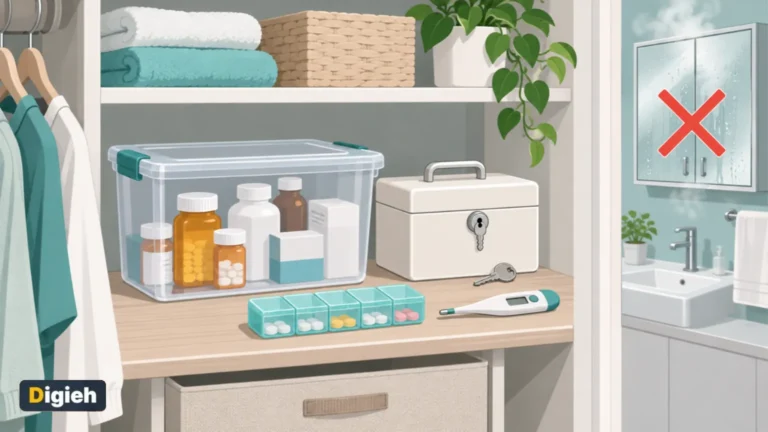
A steamy bathroom is not the best place for a medicine cabinet. A cool, dry shelf out of children’s reach works better.
Check your medicine cabinet twice a year, perhaps when clocks change. Toss expired products, and restock basics like a pain reliever, bandages and a thermometer. Safe disposal steps appear on many local pharmacy websites.
Food, Drink and Drug Interactions
Some medicines interact with alcohol, caffeine or certain foods. The warnings section may mention these.
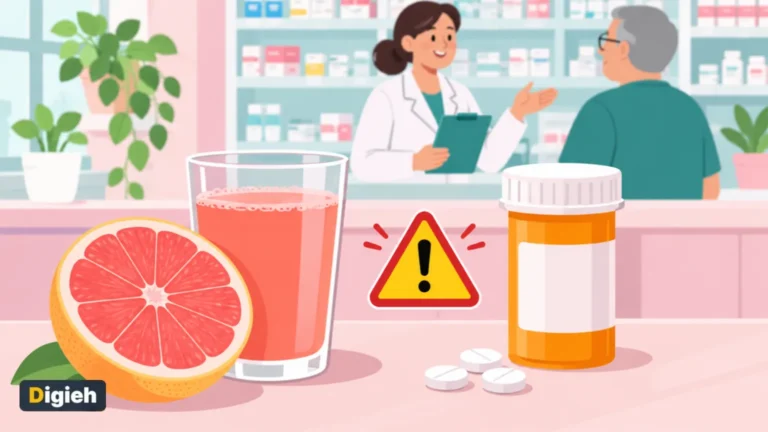
Grapefruit is a well-known example for some prescription drugs. Learn more in our guide to grapefruit and medicine interactions.
Questions to Ask Your Pharmacist
- Is this the right product for my symptoms?
- Does it interact with my other medicines?
- Is it safe with my health conditions?
- How long can I safely use it?
- What side effects should I watch for?
Pharmacists are trained medicine experts. Asking is free, and it only takes a minute.
What About Supplements?
Vitamins, herbs and other dietary supplements use a Supplement Facts label instead. It lists ingredients and amounts but follows different rules than medicines.
Some supplements can interact with medicines too. Tell your pharmacist about everything you take, including teas and herbal products.
Everyday Safety Tips
- Read the label every time, even for familiar products.
- Keep a list of all medicines and supplements you take.
- Use one pharmacy so it can spot interactions.
- Never share medicines or use someone else’s prescription.
- Ask the pharmacist when choosing between products.
If someone takes too much medicine, call Poison Help at 1-800-222-1222 in the United States. Call even if there are no symptoms yet. Call 911 if the person is unconscious, has trouble breathing or has a seizure.
Cold and Flu Season Reminders
Many people reach for multi-symptom cold products in winter. These often combine several active ingredients in one dose.
Treat only the symptoms you have, and avoid stacking products. For symptom tips, see how to stop coughing at night, flu, cold and COVID symptoms and sinus infection vs. cold.
Holiday meals bring heartburn for some people. Read the label on antacids too, and see our tips for holiday heartburn relief.
Test Yourself
Which section shows the ingredient that makes a medicine work?
- Inactive ingredients
- Active ingredient
- Other information
The active ingredient section lists what treats your symptoms.
What should you use to measure liquid medicine?
- A kitchen spoon
- Any cup
- The device that comes with the product
The included device matches the dose units on the label.
Frequently Asked Questions
Do prescription medicines have a Drug Facts label?
No. They come with a pharmacy label and a patient leaflet instead.
Can I take two cold medicines together?
Only if their active ingredients do not overlap. Ask a pharmacist.
What if the label is too small to read?
Use a magnifier or ask the pharmacist to read it with you.
Is it safe to use expired medicine?
It may not work as well. Replace it and dispose of the old one safely.
Conclusion
The Drug Facts label is your quick guide to using over-the-counter medicine safely. Check the active ingredient, read the warnings and follow the directions exactly.
Take extra care with children and multi-symptom products, and ask your pharmacist whenever you are unsure.
Found this useful?
Editor’s Note
This guide is accurate as of November 9, 2026. It draws on medicine safety guidance from BeMedWise.
It is general information, not medical advice. Talk to a health professional about your own medicines.
Spot an error in this article? Please contact us at support@digieh.com or read our Corrections Policy.
Keep exploring
Your next read is waiting
 1NewsWalmart Thanksgiving Meal Deal 2026: $35 Basket Feeds 103 min read
 2MedicinesDo Antibiotics Cure Colds or Flu? What You Need to Know8 min read
 3Finance & MarketsHow Certificates of Deposit Work: A Beginner Guide8 min read
 4SportsNBA Cup 2026 Explained: Format, Groups, Dates and Prize Money8 min read
 5Food & LifestyleHow to Make Fluffy Pancakes From Scratch8 min read
 6HealthHow to Stop Snoring: 12 Proven Tips That Work8 min read