TRENDING
Why Do Dogs Eat Grass? What Vets Say
Why do dogs eat grass? What a 1,571-dog study found, 6 likely reasons, when to call your vet, lawn chemical risks and simple ways to cut down grass eating.

7 min read
Last updated November 20, 2026
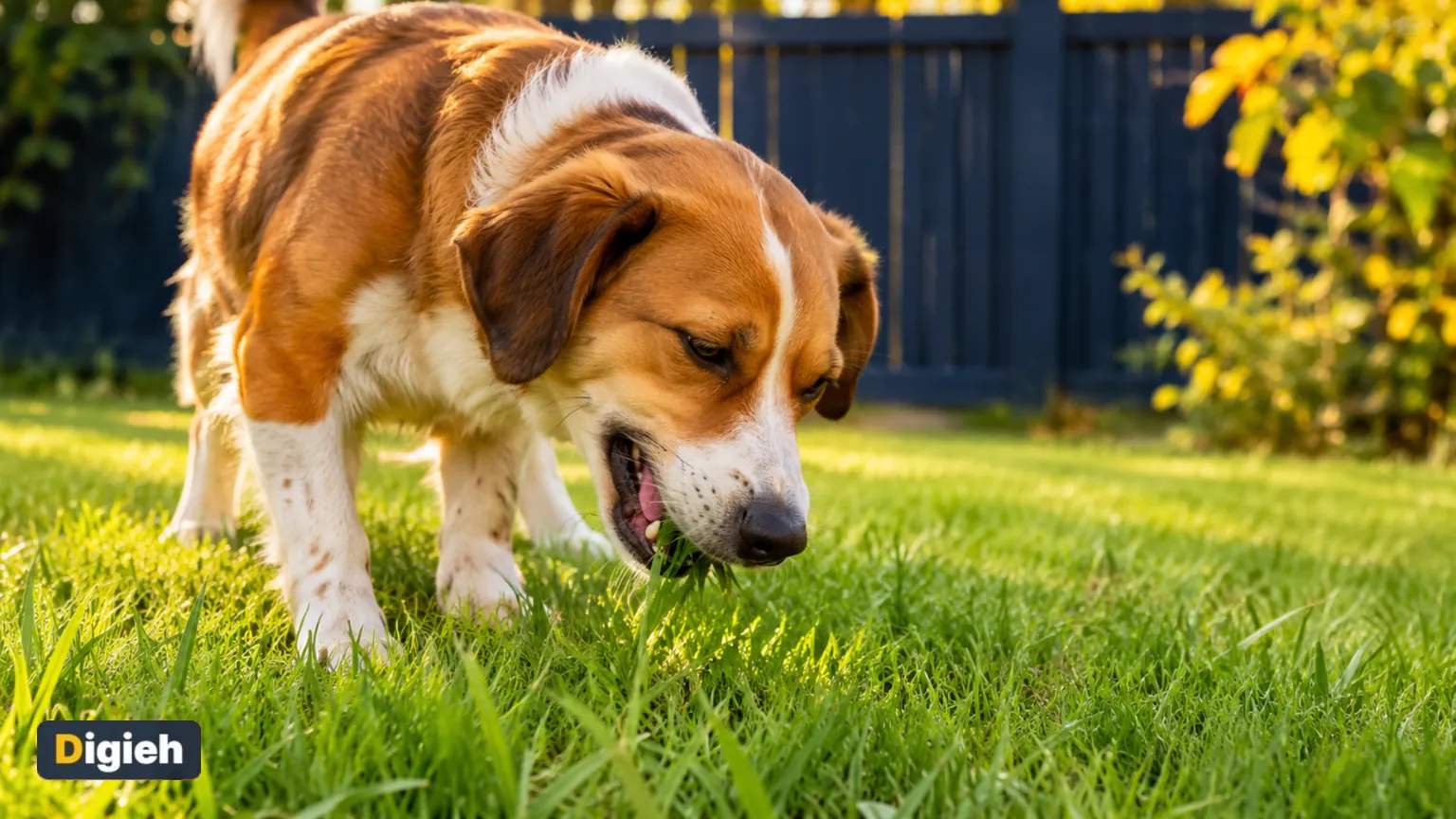
Most dogs eat grass because it is normal dog behavior, not because they are sick. In a large University of California, Davis survey, 68 percent of dogs ate plants daily or weekly.
Only a small share seemed ill beforehand, and most did not vomit afterward. Grass eating is only a worry when it comes with other symptoms or treated lawns.
Key Takeaways.
- Grass eating is common and usually normal.
- Only about 8 percent of dogs seemed sick before eating plants in the study.
- About 22 percent regularly vomited afterward, so most do not.
- Lawn chemicals and parasites are the real risks.
Jump to a section
- What the research found
- 6 likely reasons
- Normal or a vet visit?
- Hidden risks
- How to cut down grass eating
- Is grass bad for dogs
- Grass and vomiting
- Puppies
- Toxic garden plants
- Safer grazing
- Grass seeds
- Boredom check
- What your vet may check
- Frequently asked questions
- Conclusion
What the Research Found
Veterinary researchers at UC Davis surveyed owners of 1,571 dogs that ate plants. The results, summarized on dvm360, changed how vets see the habit.
| Finding | Share of dogs |
|---|---|
| Ate grass or plants daily or weekly | 68% |
| Often seemed ill before eating plants | 8% |
| Regularly vomited after eating plants | 22% |
Source: Sueda, Hart and Cliff, Applied Animal Behaviour Science, 2008, as summarized on dvm360.
Diet did not explain it either. Dogs fed table scraps or raw food grazed no more than dogs on regular dog food.
68%Share of plant-eating dogs that ate grass or plants daily or weekly, per the UC Davis survey on dvm360.
6 Likely Reasons Dogs Eat Grass
1. Instinct
Wolves and wild dogs eat plants too. Researchers think the habit may once have helped clear worms from the gut.
2. Upset stomach
Some dogs eat grass on an empty stomach to bring up bile. A small meal early in the morning may help, says the American Kennel Club.
3. Fiber
Grass adds rough fiber, which may help some dogs pass stool.
4. Boredom
Dogs left alone in a yard often graze because there is nothing else to do.
5. Taste
Fresh, wet spring grass seems to appeal to many dogs.
6. Pica
Eating lots of non-food items, called pica, can point to a diet gap or another health problem.
Normal Grazing or Time for a Vet?
| Usually normal | Call your vet |
|---|---|
| Nibbles grass now and then | Eats grass frantically or every day |
| Eats well and has energy | Off food, tired or losing weight |
| Vomits once, then acts fine | Vomits often, or blood in vomit or stool |
| Normal stools | Diarrhea or straining |
| No lip licking or gulping | Constant lip licking or swallowing |
Source: warning signs listed by the American Kennel Club.
Good to know. Think your dog ate a treated lawn or a toxic plant? Call your vet or an animal poison hotline right away.
How often does your dog eat grass?
- Almost every walk
- Now and then
- Never
- Not sure
Hidden Risks of Eating Grass
- Weed killers and pesticides on lawns can be toxic.
- Grass soiled by other animals can carry roundworms and hookworms.
- Grass seeds can lodge in the mouth, nose or paws.
- Some garden plants that look like grass are poisonous.
Check your plants on the toxic list from the American Society for the Prevention of Cruelty to Animals (ASPCA).
After the yard. Muddy from grazing? Check how often to bathe your dog.
How to Cut Down Grass Eating
- Feed smaller meals more often, including a small breakfast.
- Teach and practice the leave it cue on walks.
- Bring a chew toy or treat to swap for grass.
- Play with your dog in the yard instead of leaving it alone.
- Keep fresh water outside.
- Avoid lawns that may be treated with chemicals.
More walks help with boredom. In cold months, see our winter pet safety tips. Curious about your dog’s life stage? Try our dog years calculator.
Holiday food can upset stomachs too, so check our list of Thanksgiving foods pets should avoid.
Is Eating Grass Bad for Dogs?
Plain, untreated grass is not harmful for most dogs in small amounts. Dogs cannot digest much of it, so it mostly passes straight through.
The danger comes from what is on or in the grass. Chemicals, parasites, sharp seeds and look-alike toxic plants cause most problems.
My Dog Eats Grass and Then Vomits. What Now?
One vomit after grazing, followed by normal eating and energy, is usually not a worry. Give the stomach a short rest and offer water.
- Remove the food bowl for a few hours, but keep fresh water out.
- Offer a small, plain meal later if your dog seems well.
- Watch for more vomiting, diarrhea, tiredness or a sore belly.
- Call your vet if vomiting repeats, contains blood or your dog will not eat.
Puppies, senior dogs and dogs with health problems can dehydrate faster. Call your vet sooner for them.
Free updates
Join the Digieh list
Be the first to know when our weekly brief launches.
No spam. Unsubscribe anytime. Read our Privacy Policy.
Puppies and Grass
Puppies explore the world with their mouths, so grass chewing is common. Most grow less interested as they get older.
Puppies are more likely to pick up worms from grass soiled by other animals. Keep up with the worm checks your vet recommends.
Toxic Garden Plants to Watch For
Some common garden plants are poisonous to dogs. The animal welfare society’s list includes these and many more.
| Plant | Where you might find it |
|---|---|
| Sago palm | Patios and warm-climate yards |
| Azalea | Garden borders and shrubs |
| Oleander | Hedges in warm climates |
| Foxglove | Cottage gardens |
| Tulip and daffodil bulbs | Flower beds, especially when dug up |
Source: the toxic and non-toxic plant database of the animal welfare society. Check any plant you are unsure about.
Safer Ways to Let Dogs Graze
If your dog loves grass, give it a safe patch. Many pet stores sell pet grass kits, often wheat or oat grass, to grow indoors.
- Grow a pot of pet grass on a windowsill.
- Keep one corner of the yard free of chemicals.
- Rinse paws after walks on treated lawns.
- Carry a chew toy on walks as a swap.
Ask your vet before adding extra fiber to meals. Some dogs need a diet change, while others just need more play.
Watch Out for Grass Seeds
Some wild grasses have sharp, arrow-shaped seed heads. In summer and fall they can stick in a dog’s nose, ears, eyes, mouth or between the toes.
Signs include sudden sneezing, head shaking, pawing at the face or licking one paw a lot. Call your vet, since these seeds can work their way deeper.
Is Your Dog Bored? A Quick Check
- Does your dog graze mostly when left alone in the yard?
- Does grazing stop when you play or train together?
- Has its daily exercise dropped lately?
- Does it also chew sticks, shoes or furniture?
If most answers are yes, boredom is a likely cause. More walks, puzzle toys and short training sessions often fix it.
What Your Vet May Check
If grass eating comes with other symptoms, your vet may run a few simple checks to find the cause.
- A stool test for worms and other parasites.
- Blood tests to look for illness or a diet gap.
- Questions about diet, treats and any recent changes.
- An exam of the mouth, belly and weight.
Try this today. On your next walk, bring a favorite treat and swap it for grass when your dog starts to graze.
Test Yourself
In the UC Davis survey, about what share of dogs often seemed ill before eating plants?
- 8 percent
- 50 percent
- 90 percent
Only about 8 percent often seemed sick beforehand, so most dogs eat grass while healthy.
Frequently Asked Questions
Do dogs eat grass to make themselves throw up?
Usually not. Most dogs in the UC Davis survey did not vomit after eating plants.
Should I stop my dog from eating grass?
Not if it is occasional and the lawn is untreated. Stop it on chemical-treated lawns or if symptoms appear.
Why does my dog eat grass every morning?
An empty stomach may be the cause. Try a small breakfast earlier in the day.
Is it safe for puppies to eat grass?
Small amounts of untreated grass are usually fine. Watch for worms and keep puppies off treated lawns.
Can dogs eat pet grass from the store?
Yes, pet grass kits are grown for pets to nibble. Introduce it slowly.
Does eating grass mean my dog has worms?
Not necessarily. Most grazing dogs are healthy, but a yearly stool test is a good idea for all dogs.
Why does my dog eat grass so fast?
Gulping grass can mean an upset stomach. Watch for vomiting and call your vet if it keeps happening.
Conclusion
Eating grass is normal for most dogs. Watch for other symptoms and keep your dog off treated lawns.
Your next step is to check your yard for chemicals and toxic plants, then plan a few extra play sessions.
Editor’s Note
This article is accurate as of November 20, 2026. Study data come from the UC Davis survey summarized on dvm360. Tips come from the American Kennel Club and the American Society for the Prevention of Cruelty to Animals.
Spot an error in this article? Please contact us at support@digieh.com or read our Corrections Policy.
Keep exploring
Your next read is waiting
 1HealthInsomnia Fixes People Say Work, Checked Against Science8 min read
 2Beauty & Personal CareRetinol for Beginners: How to Start Without Irritation7 min read
 3NewsWill the Grid Hold This Winter? NERC Explained5 min read
 4TechnologyHandwritten Notes to Text: Digitize Pages in Minutes7 min read
 5Pets & AnimalsDog Separation Anxiety: Signs and How to Help5 min read
 6AI & TechGoogle Genie 4: How to Build Playable Worlds5 min read
Found this useful?