TRENDING
How Often to Bathe a Dog: Vet Guide
How often to bathe a dog by coat type: hairless, short, long and double coats. Signs a bath is due, step-by-step bathing, and winter tips from vet sources.

7 min read
Last updated November 20, 2026
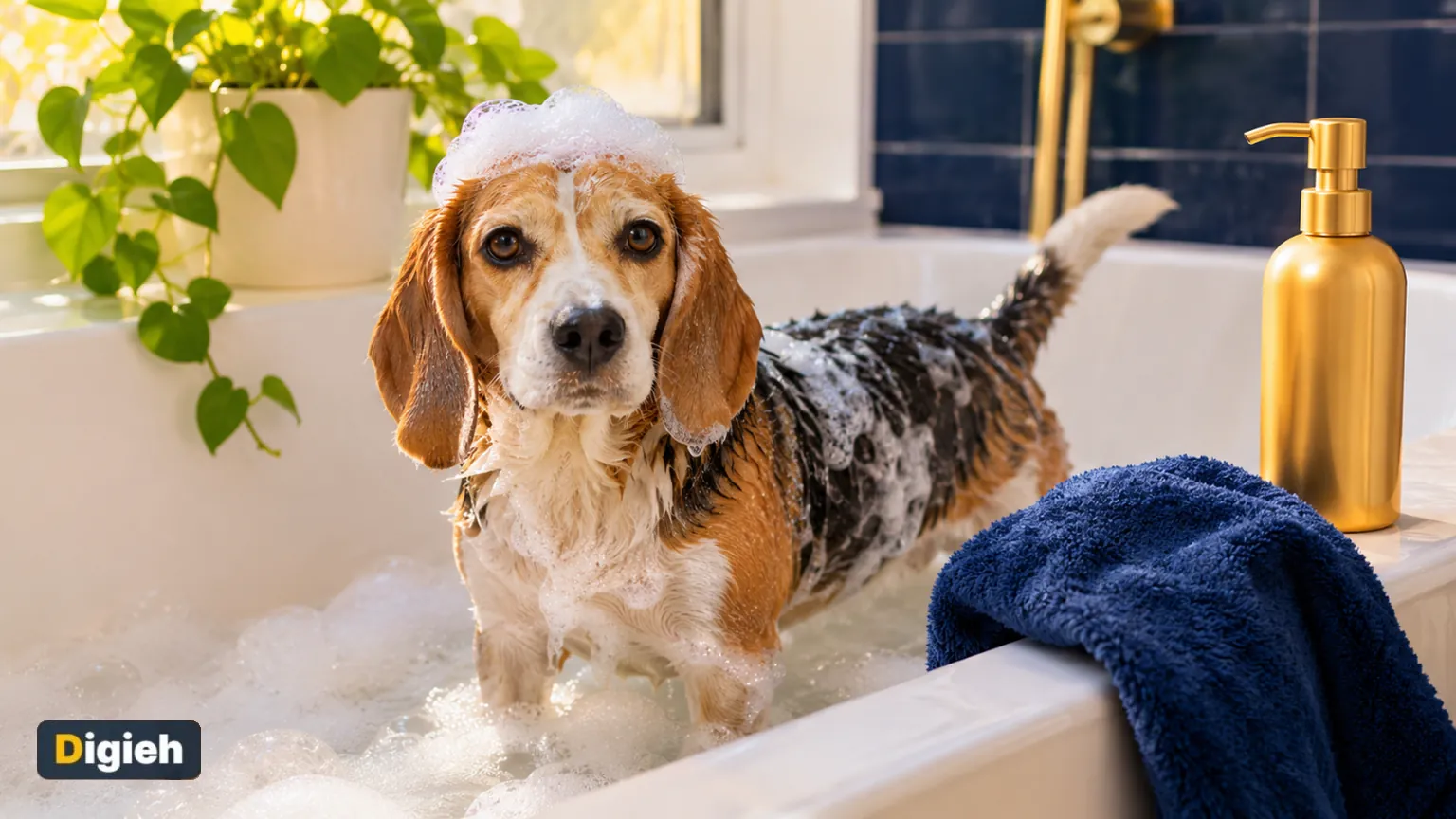
Most dogs need a bath about every four to six weeks, and at least once every three months. Hairless and oily dogs may need one weekly, while thick double coats need fewer.
Bathing too often strips natural oils and can dry the skin. Brushing between baths does more for most coats than extra washing.
Key Takeaways.
- Bathe most dogs at least every three months.
- Every four to six weeks suits many medium and large dogs.
- Hairless breeds may need a weekly bath.
- Use a shampoo made for dogs and dry them well.
Jump to a section
- Schedule by coat type
- Signs a bath is due
- How to bathe a dog
- Winter bathing
- Bathing a puppy
- Between baths
- If your dog hates baths
- Ear and eye care
- Home or groomer
- Flea and medicated baths
- How to dry
- By lifestyle
- Frequently asked questions
- Conclusion
How Often to Bathe a Dog, by Coat Type
| Coat type | Example breeds | Starting schedule |
|---|---|---|
| Hairless | Chinese Crested, Xoloitzcuintli | Weekly |
| Short and smooth | Beagle, Boxer | Every 4 to 8 weeks, wipe down between |
| Medium to long | Shih Tzu, Collie | Every 4 to 6 weeks, brush often |
| Thick double coat | Labrador, Husky, Golden Retriever | Every 6 to 12 weeks |
| Corded | Puli | Rarely, as needed |
Source: based on the American Kennel Club. The three-month rule is from the American Society for the Prevention of Cruelty to Animals (ASPCA).
Some dogs need weekly baths and others only a few a year, says veterinarian Sandra Mitchell on PetMD. Breed, coat, lifestyle and season decide where your dog falls.
Double coats deserve care. Overbathing can strip too much oil from the skin, one groomer told the American Kennel Club.
3 monthsLongest gap between baths for most dogs, per the animal welfare society’s grooming tips.
Signs Your Dog Needs a Bath
- A strong doggy smell that lingers.
- A greasy or sticky coat.
- Mud, sand or something smelly in the fur.
- After swimming in the sea or a muddy pond.
- Flakes or itchy skin, after your vet checks it first.
One groomer’s rule is simple: wash your dog when it is no longer huggable. Dogs with skin conditions may need medicated shampoo, so ask your vet.
Good to know. Owners with dog allergies may find a weekly bath cuts dander at home, one groomer told the American Kennel Club.
How often do you bathe your dog?
- Every week or two
- About once a month
- Every few months
- Not sure
How to Bathe a Dog Step by Step
- Brush first to remove loose hair and mats.
- Fill the tub with 3 to 4 inches of lukewarm water.
- Put a cotton ball in each ear to keep water out.
- Wet the coat fully, avoiding eyes, ears and nose.
- Massage in a dog shampoo from neck to tail.
- Rinse until the water runs clear.
- Clean the face with a damp cloth instead of shampoo.
- Towel dry well, then remove the cotton balls.
Human shampoo is not toxic, but its scents can irritate dog skin, say the society’s grooming tips. Pick a shampoo made for dogs.
Bathing Your Dog in Winter
Cold air and indoor heating dry out skin, so many dogs need fewer baths in winter. Use lukewarm water and dry your dog fully before it goes outside.
Wipe paws after walks to remove road salt. Our winter pet safety tips cover paws and cold limits.
Shedding season? Our guide to removing pet hair helps after bath day. Curious about life stage? Try the dog years calculator.
New puppy coming? Weigh your options first in adopt or buy a dog.
Bathing a Puppy
Puppies get dirty fast, but their skin is delicate. Use a gentle shampoo made for puppies and keep baths short and warm.
- Bathe in a warm room so the puppy does not get chilled.
- Use a sink or small tub with shallow lukewarm water.
- Keep one hand on the puppy at all times.
- Rinse well, since leftover soap can itch.
- Dry fully with a towel and keep the puppy inside until dry.
Make the first baths calm and short. A good early experience makes every future bath easier.
Keeping Clean Between Baths
Most of a healthy coat comes from brushing, not bathing. Brushing spreads natural oils and lifts dirt and loose hair.
- Brush short coats once a week and long coats every few days.
- Wipe muddy paws with a damp cloth after walks.
- Use a damp washcloth on short coats for quick clean-ups.
- Spot clean small messes instead of giving a full bath.
- Wash your dog’s bed regularly to cut odor.
Thorough brushing and combing matter more for coat health than bath time, one groomer told the American Kennel Club.
If Your Dog Hates Baths
Many dogs dislike baths because of slippery tubs, loud water or cold. Small changes help a lot.
- Put a rubber mat in the tub so paws do not slide.
- Fill the tub before your dog gets in, so there is no loud running water.
- Use lukewarm water, not hot or cold.
- Give small treats throughout the bath.
- Keep water away from the face and ears.
- End with play or a walk so baths predict good things.
Free updates
Join the Digieh list
Be the first to know when our weekly brief launches.
No spam. Unsubscribe anytime. Read our Privacy Policy.
Ear and Eye Care at Bath Time
Water in the ears can lead to infections, especially in floppy-eared dogs. Put a cotton ball in each ear during the bath, then dry the ears well.
See a vet if you notice ear discharge, odor, redness, swelling or head shaking, the society advises. Ongoing eye tearing, cloudiness or redness also needs a vet visit.
Home Bath or Professional Groomer?
| Home bath | Professional groomer | |
|---|---|---|
| Cost | Low | Higher per visit |
| Best for | Short and easy coats | Long, thick or curly coats |
| Extras | You control timing | Nail trims, haircuts, ear cleaning |
| Stress | Familiar place | New place, but quick and skilled |
Source: Digieh comparison based on coat care advice from the American Kennel Club.
Many owners mix both. They bathe at home and book a groomer every few months for a full trim.
Flea Baths and Medicated Shampoo
Do not use flea shampoo or medicated shampoo without asking your vet. The wrong product on unhealthy skin can make things worse, warns PetMD.
Never use flea products made for dogs on cats. Some contain ingredients that are dangerous to cats.
How to Dry Your Dog
Drying well matters as much as washing. A damp coat can smell, mat or chill your dog, especially in cold weather.
- Squeeze water from the coat with your hands first.
- Wrap your dog in a large towel and pat, do not rub hard.
- Use a second dry towel for thick coats.
- If you use a hair dryer, keep it on the cool or low setting and moving.
- Brush long coats as they dry to stop mats.
Let your dog shake off before you start toweling. It removes a surprising amount of water.
Bath Time by Lifestyle
Coat type is only half the story. How your dog spends its days matters too.
- Swimmers: rinse with fresh water after the beach or pool, and bathe less often with shampoo.
- Hikers and diggers: bathe when muddy, and check for ticks and seeds every time.
- Indoor dogs: may go longer between baths if brushed often.
- Dogs that sleep on your bed: many owners bathe them more often for cleaner sheets.
Try this today. Brush your dog for five minutes today. Notice how much loose hair comes out before you plan the next bath.
Test Yourself
Which dogs may need a bath every week?
- Hairless breeds
- Huskies
- Pulis
Hairless breeds like the Chinese Crested have no coat to absorb skin oils, so they often need weekly baths.
Frequently Asked Questions
Can I bathe my dog once a week?
Some dogs, like hairless breeds, do fine weekly. For most, weekly baths dry the skin unless you use a gentle dog shampoo.
Can I use human shampoo on my dog?
It is not toxic, but scents can irritate the skin. A dog shampoo is the safer choice.
How often should I bathe my dog in winter?
Usually less often. Stretch the gap and brush more, unless your dog gets dirty.
How often should I bathe a puppy?
Only when it gets dirty or smelly, with a gentle puppy shampoo. Brushing in between is enough most of the time.
Should I brush my dog before a bath?
Yes. Brushing first removes mats and loose hair, so shampoo reaches the skin.
Why does my dog still smell after a bath?
A damp undercoat, a dirty bed, ear infections or dental problems can all cause odor. Dry fully and ask your vet if the smell stays.
Conclusion
Most dogs do well with a bath every four to six weeks and never longer than three months. Coat type and lifestyle set the exact rhythm.
Your next step is to find your dog’s coat type in the table. Then mark the next bath day on your calendar.
Editor’s Note
This article is accurate as of November 20, 2026. Schedules draw on the American Kennel Club, the American Society for the Prevention of Cruelty to Animals and PetMD. Ask your vet about skin problems.
Spot an error in this article? Please contact us at support@digieh.com or read our Corrections Policy.
Keep exploring
Your next read is waiting
 1Home & KitchenLaundry Symbols Explained: Free Printable Care Label Chart5 min read
 2EcommerceShopify vs Etsy 2026: Which Earns You More7 min read
 3Finance & MarketsCiti Agent Rule: Who Pays When Bots Spend5 min read
 4CarsUsed Car Checklist: 20 Checks Before You Buy6 min read
 5TechnologyHandwritten Notes to Text: Digitize Pages in Minutes7 min read
 6AI & TechGPT-6.2 Astra vs Sol: What ChatGPT Users Get4 min read
Found this useful?