TRENDING
Ashwagandha Benefits and Risks: What the Research Shows

9 min read
Last updated November 10, 2026
Ashwagandha is an herbal supplement that may modestly help stress and sleep in the short term. Evidence for anxiety is mixed, and long-term safety is unknown.
It is not right for everyone. Pregnant people, people with thyroid or autoimmune conditions and anyone facing surgery should avoid it, according to NCCIH.
This guide explains what the research shows, the possible risks and the questions to ask before you try it.
Health note. This article shares general information, not medical advice. Talk with your doctor or pharmacist before taking ashwagandha, especially if you take medicines or have a health condition.
Key Takeaways
- Some ashwagandha products may help with stress and insomnia, says NCCIH.
- Evidence for anxiety is unclear and studies are often small.
- Short-term use up to three months may be safe, but long-term safety is unknown.
- Doctors have reported rare cases of liver injury linked to ashwagandha supplements.
- Avoid it during pregnancy and breastfeeding, before surgery and with thyroid or autoimmune disorders.
Jump to a section
- What ashwagandha is
- What research shows
- Stress and anxiety
- Sleep
- Risks and side effects
- Who should avoid it
- Medicine interactions
- Choosing a product
- When to get help
- Frequently asked questions
What Ashwagandha Is
Ashwagandha is a small shrub used for centuries in Ayurveda, a traditional medicine system from India. Its scientific name is Withania somnifera.
In Sanskrit, the name is often linked to the smell of a horse, a nod to the root’s strong earthy scent.
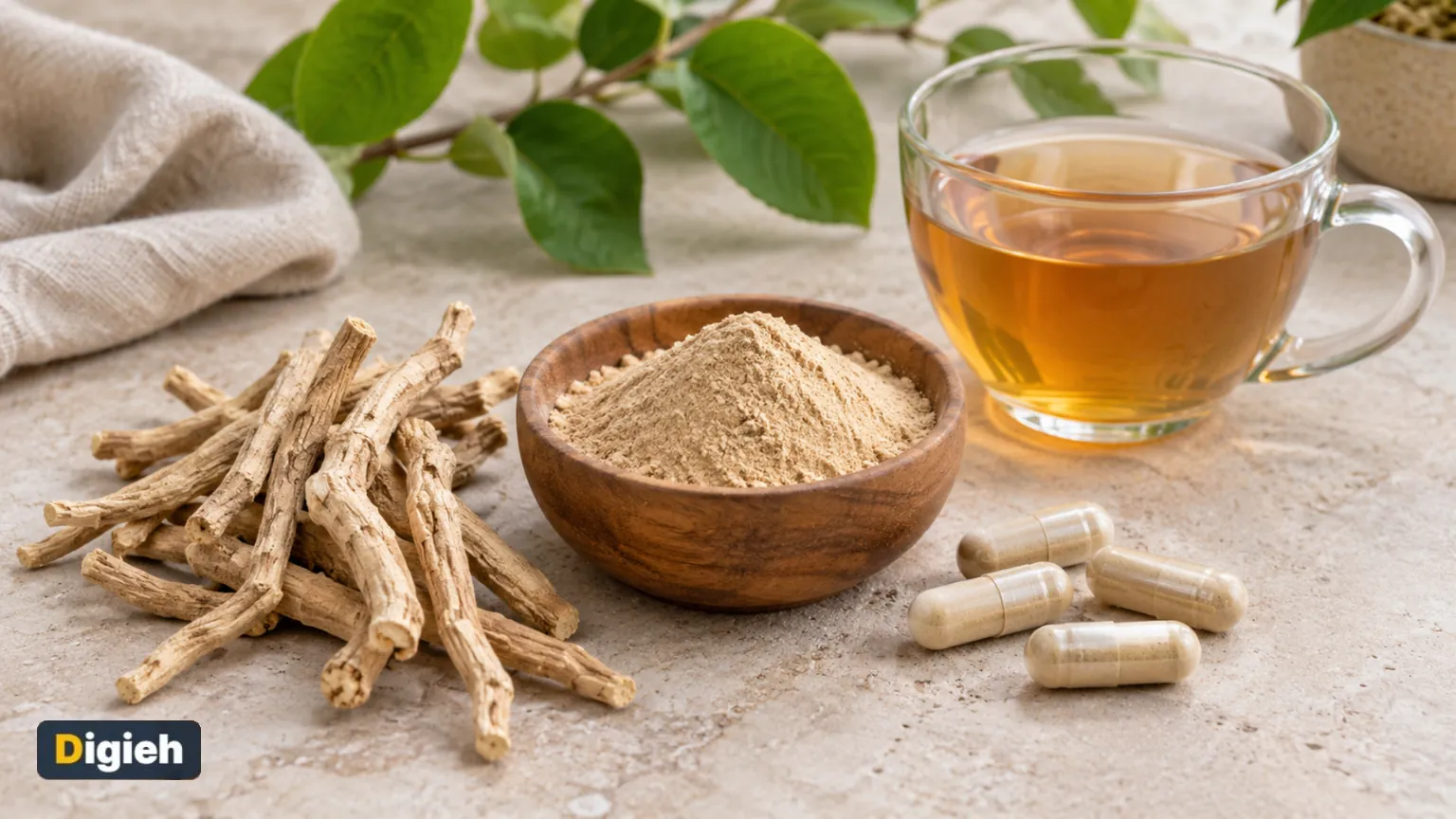
Supplements usually use the root or root and leaf extracts. They come as capsules, powders, gummies and teas.
Ashwagandha is often called an adaptogen, a term for herbs said to help the body handle stress. That label is a marketing idea, not a medical category.
Up to 3 monthsThe length of use that may be safe, while long-term safety is unknown, per NCCIH.
What the Research Shows
The National Center for Complementary and Integrative Health summarizes ashwagandha research. Here is the short version.
| Use | What the evidence says |
|---|---|
| Stress | Some preparations may help |
| Insomnia | Some preparations may help |
| Anxiety | Evidence is unclear |
| Testosterone and sperm quality | Limited evidence of improvement |
| Athletic performance | Not enough evidence |
| Memory and thinking | Not enough evidence |
| Diabetes | Not enough evidence |
NCCIH notes that many studies are small and test different ashwagandha products. That makes firm conclusions hard.
Quick tip. Be wary of products that promise dramatic results. The research shows modest effects at best.
Ashwagandha for Stress and Anxiety
The NIH Office of Dietary Supplements reviews the clinical studies on ashwagandha. Several small, short trials, mostly from India, reported lower stress and anxiety scores than placebo.
ODS notes the results are not uniform. One trial found no drop in perceived stress, though fatigue improved.
Stress has many causes, so supplements are only one small piece. Simple habits like regular exercise, time outdoors and mindfulness meditation also help many people.
Ashwagandha for Sleep
ODS says a small number of studies suggest better sleep quality, total sleep time and time to fall asleep. Benefits appear larger in people with insomnia.
A 2021 analysis found only a small effect, ODS reports. Ashwagandha is not a strong sleep aid.
Compare other options in our guides on melatonin safety and sleeping better in winter.
Have you tried ashwagandha?
- Yes, and it helped
- Yes, but no change
- No, never
- Not sure
Ashwagandha for Men and Women
NCCIH reports limited evidence that taking ashwagandha for two to four months may raise testosterone and improve sperm quality in men.
For women, NCCIH says there is not enough evidence on fertility or menopause symptoms. Women who are pregnant, trying to conceive or breastfeeding should talk with their doctor first.
Because it may raise testosterone, ODS notes that some experts advise men with hormone-sensitive prostate cancer to avoid it.
How Long Should You Try It?
Most studies lasted a few weeks to a few months. NCCIH says use for up to three months may be safe, but no one knows the long-term effects.
- Set a clear goal, such as falling asleep faster.
- Track your progress in a simple journal.
- Review results with your doctor after a few weeks.
- Stop if you see no benefit or have side effects.
Taking a supplement for months without a clear benefit adds cost and risk. Regular check-ins keep you in control.
Risks and Side Effects
| Concern | What experts report |
|---|---|
| Common side effects | Drowsiness, upset stomach, diarrhea, vomiting |
| Liver injury | Rare cases linked to supplements |
| Thyroid | Mixed effects, with rare cases of overactive thyroid |
| Hormones | May raise testosterone |
| Long-term use | Safety is unknown |
ODS describes case reports of acute liver injury, some in people with existing liver disease. Some cases involved combination products whose contents were not checked.
Stop and call a doctor if you notice yellow skin or eyes, dark urine, belly pain or unusual tiredness while taking ashwagandha.
Who Should Avoid Ashwagandha
NCCIH lists several groups who should avoid or be very careful with ashwagandha.
- People who are pregnant or breastfeeding
- Anyone scheduled for surgery
- People with autoimmune conditions
- People with thyroid disorders
- Men with hormone-sensitive prostate cancer
- People with liver disease, as ODS case reports suggest caution
Some countries have taken a cautious stance. ODS notes that Denmark banned ashwagandha in 2023 and France advised certain groups against using it in 2024.
Medicine Interactions
NCCIH says ashwagandha may interact with several types of medicine.
| Medicine type | Possible concern |
|---|---|
| Diabetes medicines | May affect blood sugar |
| Blood pressure medicines | May affect blood pressure |
| Thyroid hormone | May change thyroid levels |
| Sedatives and sleep aids | May add to drowsiness |
| Immune-suppressing drugs | May work against them |
| Seizure medicines | Possible interaction |
Bring your full medicine list to a pharmacist before starting. They can check for problems quickly and for free.
Supplements Are Not Checked Like Medicines
NCCIH explains that the FDA generally cannot review dietary supplements for safety or effectiveness before they are sold. Companies are responsible for their own products.
What the label says may not match what is inside. NCCIH warns that some supplements have contained hidden drugs.
NCCIH also notes that words like standardized, verified or certified do not guarantee quality.
Choosing a Product
- Talk with your doctor first.
- Choose single-ingredient products over complex blends.
- Look for brands that use independent testing.
- Avoid products with big promises or hidden blends.
- Follow the label and do not take more than directed.
- Stop if you notice side effects.
Keep a simple log of when you start, how you feel and any side effects. Share it with your doctor.
Free updates
Join the Digieh list
Be the first to know when our weekly brief launches.
No spam. Unsubscribe anytime. Read our Privacy Policy.
Forms of Ashwagandha
| Form | What to know |
|---|---|
| Capsules or tablets | Easy to take, strength varies by brand |
| Powder | Often mixed into milk or smoothies, harder to measure |
| Gummies | Often contain added sugar |
| Tea | Usually a mild amount |
| Blends | Mixed with other herbs, harder to judge safety |
Products differ in which plant parts they use and how they are made. That is one reason study results vary so much.
Ashwagandha Myths and Facts
| Myth | Fact |
|---|---|
| Natural means safe | Natural products can still cause harm, NCCIH warns |
| It cures anxiety | Evidence for anxiety is unclear |
| It boosts athletic performance | There is not enough evidence |
| More is better | Higher amounts may raise side effect risks |
| It is fine during pregnancy | Experts advise avoiding it |
Proven Ways to Ease Stress
Supplements get attention, but daily habits have stronger support for many people. Small changes add up.
- Move your body most days, even with a short walk.
- Keep a regular sleep and wake time.
- Limit caffeine late in the day.
- Spend time with people you trust.
- Try deep breathing or a short meditation.
- Get outside in daylight, especially in winter.
If stress feels overwhelming, a counselor or doctor can help. Talking with a trained professional helps many people feel more in control.
Warning Signs of a Poor Product
- Claims to cure disease or replace medicine
- Promises fast or dramatic results
- Proprietary blends that hide amounts
- No company contact details
- Reviews that sound fake or overly perfect
NCCIH warns that products sold for weight loss, sexual health and bodybuilding are more likely to contain hidden ingredients. Be extra careful with ashwagandha blends sold for these uses.
Reporting a Problem
If you think a supplement made you sick, stop taking it and contact your doctor. You can also report the problem to the FDA through its MedWatch program.
Reports help regulators spot unsafe products. Keep the bottle and label so you can share the details.
Ashwagandha and Winter Moods
Shorter days can bring low energy and low mood. Ashwagandha is not a treatment for depression or seasonal affective disorder.
If you feel down for weeks, talk with a doctor. Our guide on seasonal affective disorder explains proven treatments like light therapy.
Other Supplements People Compare
| Supplement | Common use | Learn more |
|---|---|---|
| Melatonin | Sleep timing | Our melatonin guide |
| Magnesium | Muscle and nerve function | Our magnesium guide |
| Ashwagandha | Stress and sleep | This guide |
Read our magnesium supplements guide to compare types and safety.
Why Pharmacists Are Great Partners
Pharmacists know how supplements and medicines interact. They can review your full list in a few minutes, often with no appointment.
Bring the actual bottle so they can read the ingredients and strength. That helps them spot hidden herbs or doubled ingredients you might miss on your own.
Questions to Ask Your Doctor
- Is ashwagandha safe with my medicines?
- Could it affect my thyroid or liver?
- How long should I try it before deciding?
- Are there better options for my stress or sleep?
When to Get Help
- Signs of liver trouble, like yellow skin or dark urine
- A fast heartbeat, shaking or weight loss, which can signal thyroid problems
- Severe stomach pain, vomiting or diarrhea
- Stress or low mood that affects daily life
Call 988 in the United States if you are in crisis or thinking about harming yourself. Call 911 for a medical emergency.
Your Ashwagandha Checklist
- Talk with your doctor first
- Check for medicine interactions
- Avoid it if pregnant, breastfeeding or facing surgery
- Choose a single-ingredient, tested product
- Limit use to the short term
- Stop and call a doctor for side effects
Try this today. Write down your top stress triggers and one non-supplement habit to try this week, like a short walk.
Test Yourself
What does NCCIH say about long-term ashwagandha safety?
- It is proven safe
- It is unknown
- It is always harmful
NCCIH says short-term use up to three months may be safe, but long-term safety is unknown.
Frequently Asked Questions
Does ashwagandha reduce stress?
Some products may help a little, but studies are small and mixed.
Is ashwagandha safe?
Short-term use may be safe for many adults. Rare liver injury has occurred.
Can I take ashwagandha with thyroid medicine?
Ask your doctor first. It may affect thyroid levels.
Can ashwagandha help me sleep?
It may help slightly, especially for people with insomnia.
Conclusion
Ashwagandha may offer small, short-term help for stress and sleep. It also carries real risks, and long-term safety is unknown.
Talk with your doctor, choose products carefully and lean on proven habits for lasting stress relief.
Found this useful?
Editor’s Note
This guide is accurate as of November 10, 2026. It draws on the National Center for Complementary and Integrative Health and the NIH Office of Dietary Supplements.
Supplement research changes, so check with your health care team.
Spot an error in this article? Please contact us at support@digieh.com or read our Corrections Policy.
Keep exploring
Your next read is waiting
 1Fruits & VegetablesMushroom Nutrition: Why These Fungi Are So Healthy9 min read
 2FashionHow to Iron a Shirt Quickly and Perfectly9 min read
 3MedicinesMedicines and Alcohol: Which Common Drugs Never Mix9 min read
 4Finance & MarketsAnthropic IPO Explained: Date, Ticker and Key Numbers5 min read
 5Travel & TourismHow to Pack a Carry-On for a Week9 min read
 6AI & TechClaude Fable 5.2 and Mythos 5.2: What Changed4 min read