TRENDING
Swimming for Fitness: A Beginner Guide

8 min read
Last updated November 6, 2026
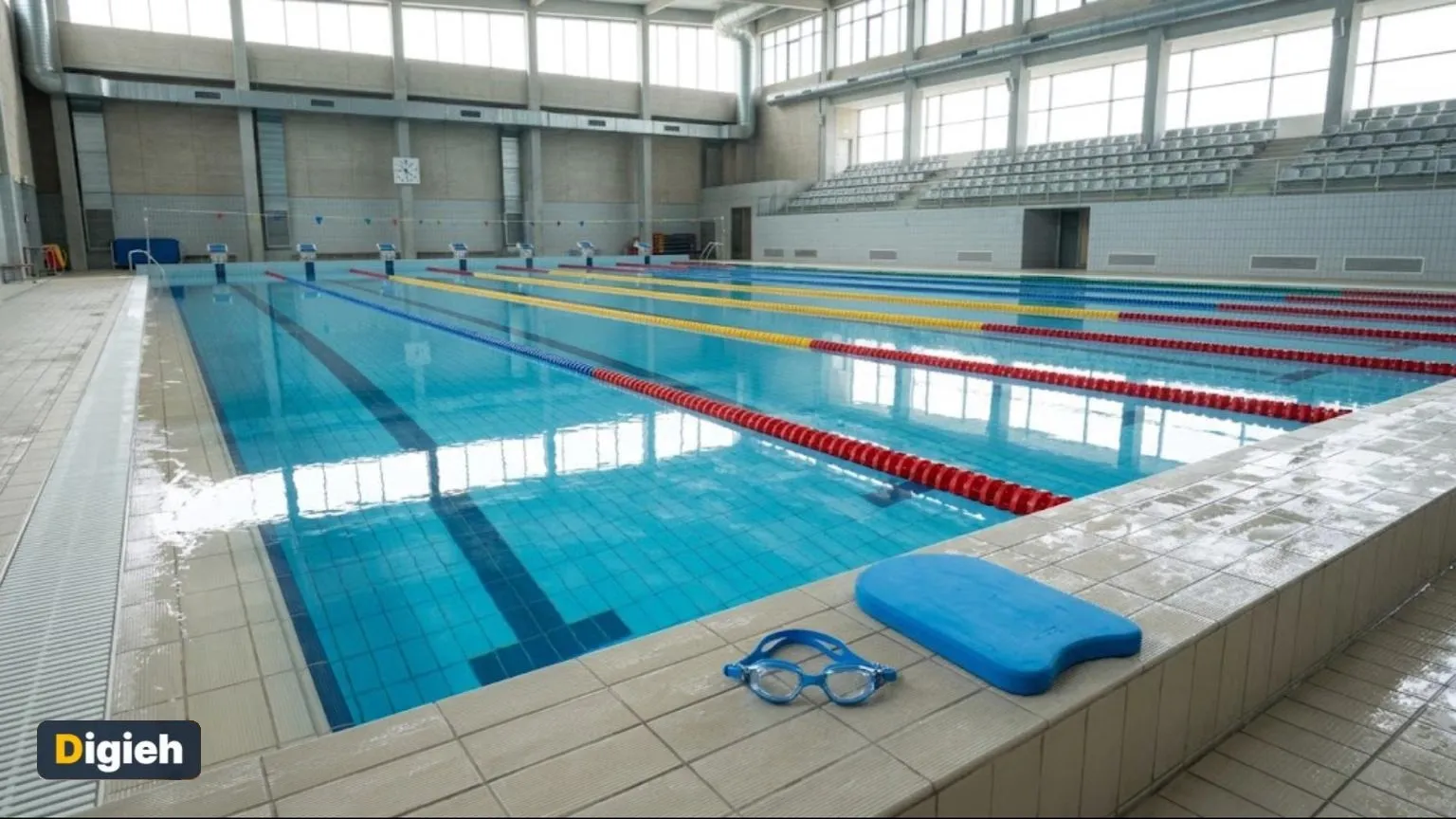
To start swimming for fitness, find an indoor pool and begin with short sets. Swim one length, rest 30 seconds and repeat for 15 to 20 minutes. Use goggles, practice steady breathing and add a few lengths each week.
Swimming works your whole body and is easy on your joints. Indoor pools make it a great workout all winter.
Key Takeaways
- Start with short swims and plenty of rest.
- Goggles and a swim cap make it easier.
- Breathe out underwater, in above water.
- Swim two or three times a week.
- Add a little distance each week.
On This Page
- Why Swim for Fitness
- What You Need
- How to Start Swimming Step by Step
- A Simple Beginner Plan
- How to Stay Safe
- Swimming for Different Goals
- Pool Swimming vs Open Water
- Pool Etiquette
- Breathing Basics
- Learn the Four Main Strokes
- Sample Week of Swimming
- Swim Lessons for Adults
- Water Safety for All Swimmers
- Care for Your Skin and Hair
- Stay Motivated
- Fuel Before and After Swimming
Why Swim for Fitness
Swimming builds heart health, strength and stamina. Water supports your body, so it is gentle on knees and hips.
The Centers for Disease Control and Prevention (CDC) explains the benefits of physical activity.
Many people also find it calming. The steady rhythm clears the mind.
20Minutes of easy laps is a great first swim workout.
What You Need
Get a comfortable swimsuit and goggles that seal well. A swim cap keeps hair out of your face.
USA Swimming shares training tips for swimmers of every level.
A kickboard and pull buoy help you practice legs and arms on their own.
- Swimsuit
- Goggles
- Swim cap
- Towel
- Flip-flops
- Water bottle
- Kickboard (optional)
How to Start Swimming Step by Step
1. Find a Pool
Check community centers, gyms and schools. Ask about adult lap swim times.
2. Warm Up
Walk or kick gently in the shallow end for five minutes.
3. Practice Breathing
Blow bubbles out under water. Turn your head to the side to breathe in.
Quick tip. Rub a drop of baby shampoo inside your goggles. It helps stop fogging.
4. Swim Short Sets
Swim one length, then rest at the wall. Repeat at an easy pace.
5. Cool Down
Finish with slow, easy swimming or gentle stretches.
How confident are you in the water?
- Very confident
- Somewhat
- A little nervous
- I cannot swim yet
A Simple Beginner Plan
| Week | Workout |
|---|---|
| 1 | 8 lengths, rest after each |
| 2 | 10 lengths, rest after each |
| 3 | 12 lengths, rest after every two |
| 4 | 16 lengths, rest after every two |
Use this calculator to track your distance.
Swim distance tracker
Good to know. Most indoor pools in the United States are 25 yards long. Check with your pool.
How to Stay Safe
Swim where a lifeguard is on duty. Stay in your depth until you feel confident.
The American Red Cross offers swim lessons for adults.
Drink water before and after. You still sweat in the pool.
Talk to your doctor first if you have a heart or lung condition.
Tips to Improve Faster
Take a beginner adult swim class. A coach can fix your stroke quickly.
Use a kickboard to build leg strength. Strong kicks help you glide.
Try Different Strokes
Freestyle is the fastest and most common stroke. Backstroke lets you breathe freely.
Breaststroke is slower and good for rest lengths. Mixing strokes works different muscles.
Add to calendar
Swimming for Different Goals
People swim for many reasons. Your goal shapes how you plan each session.
| Goal | How to Swim |
|---|---|
| Heart fitness | Steady laps at a moderate pace |
| Building strength | Kickboard and pull buoy drills |
| Joint-friendly exercise | Easy laps or water walking |
| Stress relief | Slow, rhythmic strokes with calm breathing |
| Endurance | Gradually longer sets with short rests |
Water walking is a good start if you are not ready to swim laps. Walk across the shallow end, swinging your arms.
Talk to your doctor before you start if you have a heart condition or recent injury.
Pool Swimming vs Open Water
Most beginners start in a pool. Lakes, rivers and the ocean bring extra challenges.
| Pool | Open Water |
|---|---|
| Clear water and marked lanes | Murky water and no lane lines |
| Steady temperature | Cold water and changing weather |
| Walls to rest on | No walls, so rest is harder |
| Lifeguards on duty | Lifeguards only at some beaches |
Build confidence in a pool first. When you try open water, swim with a group or at a guarded beach.
Never swim in open water alone. Currents and cold water can tire even strong swimmers quickly.
Pool Etiquette
Shared pools have unwritten rules. Following them keeps everyone safe and happy.
- Shower before you enter the pool.
- Pick a lane that matches your speed.
- Swim on the right side of the lane when sharing.
- Rest at the wall without blocking others.
- Let faster swimmers pass at the wall.
Many pools label lanes as slow, medium and fast. Start in the slow lane until you feel confident.
Breathing Basics
Breathing is the hardest part for many new swimmers. Practice it on its own first.
Blow Bubbles
Stand in shallow water. Put your face in and breathe out slowly through your nose and mouth.
Turn to Breathe
When swimming freestyle, turn your head to the side to breathe in. Keep one ear in the water.
Find a Pattern
Many swimmers breathe every two or three strokes. Find a rhythm that feels comfortable.
Never hold your breath under water. Breathe out steadily so you are ready to breathe in.
Learn the Four Main Strokes
Each stroke works your body a little differently. Most beginners start with freestyle.
| Stroke | How It Works | Good For |
|---|---|---|
| Freestyle | Face down, alternating arm strokes and a flutter kick | Speed and endurance |
| Backstroke | Face up, alternating arm strokes | Easy breathing |
| Breaststroke | Arms sweep out together, frog-like kick | Slow, steady swimming |
| Butterfly | Both arms move together with a wave-like kick | Advanced strength |
Take a lesson to learn proper form. Good technique saves energy and prevents injury.
Free updates
Join the Digieh list
Be the first to know when our weekly brief launches.
No spam. Unsubscribe anytime. Read our Privacy Policy.
Sample Week of Swimming
Here is a simple plan for a beginner’s first weeks.
| Day | Workout |
|---|---|
| Monday | Swim one length, rest, repeat 8 times |
| Wednesday | Kickboard drills and easy lengths |
| Friday | Swim two lengths, rest, repeat 5 times |
Rest on other days, or try gentle walking or stretching. Add more lengths as you build strength.
Swim Lessons for Adults
It is never too late to learn to swim. Many pools offer adult lessons.
Lessons teach water safety, breathing and stroke basics. Small classes give you more attention.
Check community centers, local pools and the Young Men’s Christian Association (YMCA). Many offer beginner classes at low cost.
Water Safety for All Swimmers
Even good swimmers should follow safety rules. Water can be dangerous.
- Swim where a lifeguard is on duty.
- Never swim alone.
- Do not dive into shallow water.
- Know your limits and rest when tired.
- Keep a close watch on children at all times.
Learn basic cardiopulmonary resuscitation (CPR). It can save a life in an emergency.
Care for Your Skin and Hair
Pool chlorine can dry out skin and hair. A few habits help.
Rinse off right after you swim. Use a gentle cleanser and moisturizer.
Wet your hair with clean water before you swim. A swim cap adds extra protection.
Stay Motivated
Set small goals, like swimming a full length without stopping. Celebrate each milestone.
Track your progress in a notebook. Write down how many lengths you swim each session.
Fuel Before and After Swimming
Swimming burns a lot of energy. Eat a light snack about an hour before you swim.
Good choices include a banana, yogurt or a slice of toast with peanut butter. Avoid heavy, greasy meals right before the pool.
After your swim, eat a balanced meal or snack with some protein. Drink water too, since you still sweat in the pool.
Swimming Mistakes Beginners Make
Many new swimmers make the same few mistakes. Fixing them early makes swimming easier and more fun.
- Holding your breath under water
- Lifting your head too high to breathe
- Kicking from the knees instead of the hips
- Trying to swim too far too soon
Breathe out slowly while your face is in the water. Then turn your head to the side to breathe in.
Make Swimming a Weekly Habit
Regular swimming builds skill and fitness over time. A simple plan helps you stay consistent.
Pick two or three days each week that fit your schedule. Pack your swim bag the night before.
Track how many lengths you swim each session. Small improvements show your progress.
Swim With a Buddy
Swimming with a friend is safer and more fun. You can cheer each other on and share tips.
Try this today. Call your local pool and ask about adult lap swim times. Plan one easy 20-minute session this week.
Test Yourself
When should you breathe out while swimming?
- Under the water
- Only at the wall
- Never
Breathing out underwater makes room to breathe in.
Why is swimming good for joints?
- It uses no muscles
- The water is warm
- Water supports your body weight
Buoyancy takes stress off knees and hips.
Frequently Asked Questions
How often should beginners swim?
Two or three times a week is a great start.
Is swimming good for weight loss?
It can help as part of an active routine and healthy diet.
What stroke should I learn first?
Freestyle is the most common starting stroke.
Can I swim if I am not a strong swimmer?
Yes. Start in shallow water or take a class.
Do I need goggles to swim?
They are not required, but they protect your eyes and help you see.
How do I breathe while swimming freestyle?
Turn your head to the side to breathe in, and breathe out slowly underwater.
Can adults learn to swim?
Yes. Many pools and community centers offer adult lessons.
What is pool etiquette?
Shower first, pick a lane for your speed and let faster swimmers pass.
Wrapping Up
Find a local pool and try your first lap swim this week. Each length builds strength and confidence.
Find more ways to move with our winter activity ideas. Recover well with tips to sleep better in winter.
Found this useful?
Editor’s Note
This guide is accurate as of November 6, 2026. It is general fitness information, not medical advice.
Spot an error in this article? Please contact us at support@digieh.com or read our Corrections Policy.
Keep exploring
Your next read is waiting
 1Food & LifestyleEasy Shrimp Cocktail With Zesty Homemade Cocktail Sauce9 min read
 2HealthSinus Infection vs Cold: Simple Ways to Tell10 min read
 3SportsEssential Skiing Tips for Beginners on the Slopes10 min read
 4BusinessEssential Holiday Staffing Tips for Small Business Owners10 min read
 5EntertainmentUgly Christmas Sweater Party Ideas Guests Will Love10 min read
 6TechnologySpeed Up a Slow Computer With Proven Fixes10 min read