TRENDING
How to Choose Running Shoes That Fit Right

8 min read
Last updated November 6, 2026
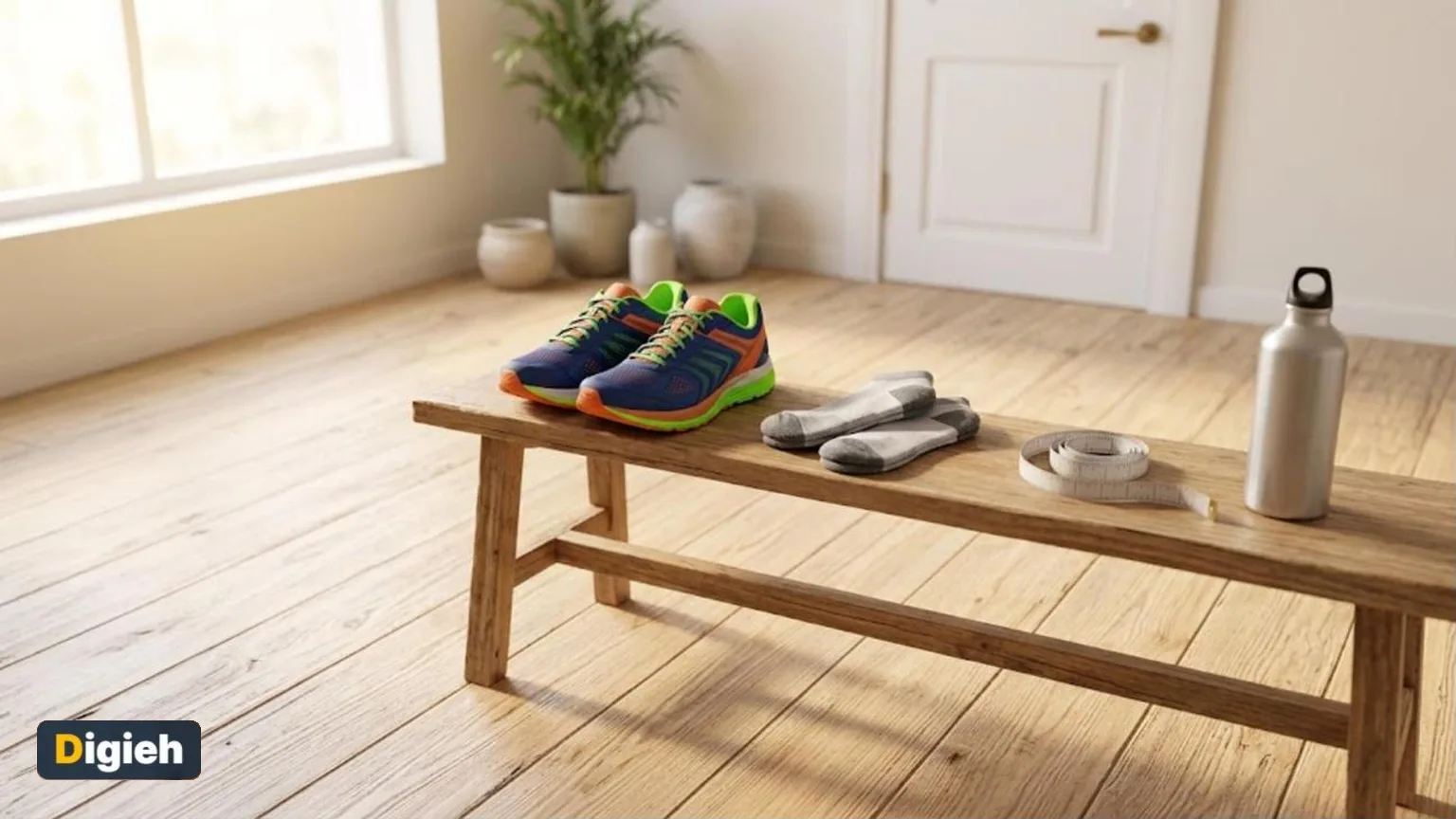
To choose running shoes, shop in the late afternoon when your feet are slightly larger. Leave about a thumb’s width of space at the toe and make sure the heel feels snug. Pick a pair that feels comfortable right away, and replace shoes every 300 to 500 miles.
The right running shoes help you run comfortably and may lower your risk of aches. Fit and comfort matter more than brand or price.
Key Takeaways
- Comfort is the most important factor.
- Leave a thumb’s width at the toe.
- Shop later in the day.
- Try shoes with your running socks.
- Replace shoes every 300 to 500 miles.
On This Page
- Know Your Running Style
- How to Choose Running Shoes Step by Step
- Types of Running Shoes
- When to Replace Your Shoes
- Shopping Tips
- Know the Parts of a Running Shoe
- Heel-to-Toe Drop Explained
- Choose Your Cushioning Level
- Get the Right Fit
- Road Shoes vs Trail Shoes
- Shoes for Winter Running
- Do Not Forget Your Socks
- Break In New Shoes Gently
- Lacing Tricks for Better Comfort
- Shoes for Wide or Narrow Feet
- Start Running Safely
- Foot Pain to Watch For
- Running Shoes for Kids
- Give Old Shoes a Second Life
Know Your Running Style
Think about where you run most. Roads, trails and treadmills each suit different shoes.
Also think about how far you run. Longer runs may call for more cushioning.
Look at the soles of your old shoes. Wear patterns can show how your feet land and roll.
300-500Miles is the typical life of a pair of running shoes.
How to Choose Running Shoes Step by Step
1. Measure Your Feet
Feet change over time. Measure both feet and fit the larger one.
2. Bring Your Socks
Wear the socks you run in when you try shoes.
3. Check the Fit
Leave a thumb’s width at the toe. Your heel should not slip.
Quick tip. Write the purchase date inside the tongue. It helps you track when to replace them.
4. Test Them Out
Jog in the store or on a treadmill if you can.
5. Trust Comfort
Choose the pair that feels best from the first step.
Where do you run most?
- Roads
- Treadmill
- Trails
- Track
Types of Running Shoes
| Type | Best For |
|---|---|
| Neutral | Most runners with a normal stride |
| Stability | Runners whose feet roll inward |
| Trail | Dirt paths and rough ground |
| Cushioned | Long runs and extra comfort |
Use this calculator to see when to replace your shoes.
Shoe replacement planner
Good to know. This uses 400 miles as an average. Heavier runners or rough surfaces may wear shoes faster.
- Feet measured
- Running socks
- Thumb width at the toe
- Snug heel
- Test jog done
- Return policy checked
When to Replace Your Shoes
Most shoes last 300 to 500 miles. Worn treads, flat cushioning or new aches are signs to replace them.
Track your miles in a running app to know when.
Shopping Tips
Visit a running store for a free fit check. Staff can watch your stride.
Ask about return policies. Many stores let you return shoes after a test run.
Care for Your Shoes
Air dry wet shoes away from heaters. Stuff them with newspaper to help them keep their shape.
Use them only for running to make them last longer.
Some runners rotate two pairs. Giving foam a day to recover may help shoes last.
Add to calendar
Know the Parts of a Running Shoe
Understanding shoe parts makes shopping easier. Each part plays a role in comfort and support.
| Part | What It Does |
|---|---|
| Upper | Holds your foot in place |
| Midsole | Provides cushioning and support |
| Outsole | Gives grip and durability |
| Heel counter | Keeps your heel steady |
| Toe box | Gives your toes room to move |
Press and bend each part in the store. A good shoe feels secure without squeezing.
Heel-to-Toe Drop Explained
Drop is the height difference between the heel and the front of the shoe. Shoe makers list it in millimeters.
A higher drop puts more cushion under the heel. Many beginners find this comfortable.
A lower drop encourages landing closer to the middle of your foot. Change to a lower drop slowly to give your calves time to adjust.
Choose Your Cushioning Level
Running shoes range from minimal to maximum cushioning. More cushion can feel softer on long runs.
Less cushion gives you a stronger feel for the ground. Some runners like this for short, fast runs.
Try a few levels before deciding. Comfort is the best guide for most runners.
Get the Right Fit
Fit matters more than brand or price. Shop late in the day, when your feet are at their largest.
The American Academy of Orthopaedic Surgeons (AAOS) shares tips for choosing athletic shoes. It suggests leaving about a half inch between your longest toe and the end of the shoe.
Wear the socks you run in when you try shoes on. Walk and jog a few steps in the store if you can.
Road Shoes vs Trail Shoes
Where you run affects which shoe you need. Road shoes and trail shoes have different strengths.
| Shoe Type | Best For | Key Features |
|---|---|---|
| Road | Pavement and treadmills | Smooth sole, light weight |
| Trail | Dirt, rocks and mud | Deep tread, tough upper |
| Hybrid | Mixed surfaces | Moderate grip and cushion |
Pick the shoe that matches most of your runs. You can add a second pair later.
Shoes for Winter Running
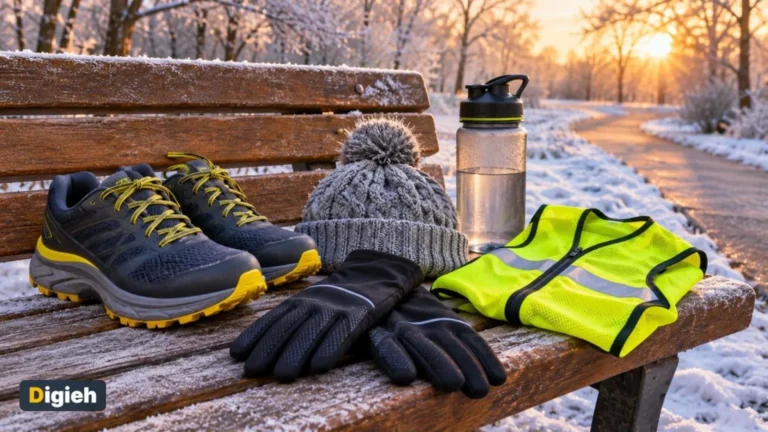
Cold, wet weather calls for extra grip and warmth. Look for shoes with water-resistant uppers.
Deeper treads help on slush and packed snow. Some runners add removable traction devices for icy days.
Our winter running tips cover layers, safety and visibility.
Free updates
Join the Digieh list
Be the first to know when our weekly brief launches.
No spam. Unsubscribe anytime. Read our Privacy Policy.
Do Not Forget Your Socks
Good socks prevent blisters and keep feet dry. Avoid cotton socks, which hold moisture.
Choose socks made of synthetic fibers or merino wool. They wick sweat away from your skin.
Pick a sock thickness you like and use it when you try on shoes. Thick socks can change the fit.
Break In New Shoes Gently
Most modern running shoes feel good right away. Still, give them a few short runs before a long one.
Wear new shoes around the house first. Check for rubbing or pressure spots.
Rotate between old and new shoes for a week or two. This helps your feet adjust.
Lacing Tricks for Better Comfort
Lacing can fix many fit problems. If your heel slips, use the extra top eyelet to make a heel lock.
If the top of your foot feels pressure, skip one set of eyelets over the sore spot. This reduces pressure without loosening the whole shoe.
Tie laces snugly but not tightly. You should fit one finger under the knot.
Shoes for Wide or Narrow Feet
Many brands offer wide and narrow sizes. Ask the store about width options.
A shoe that is too narrow can cause blisters and numb toes. One that is too wide can let your foot slide.
Measure both feet, since many people have one slightly larger foot. Fit the shoe to the larger foot.
Start Running Safely
New runners often do too much too soon. Begin with run-walk intervals and build up slowly.
The Centers for Disease Control and Prevention (CDC) offers tips on getting started with physical activity. Starting small helps you stay injury free.
Adults should aim for at least 150 minutes of moderate activity each week, according to the Centers for Disease Control and Prevention (CDC). Running counts as vigorous activity, so you may reach the goal faster.
Foot Pain to Watch For
Some soreness is normal when you start running. Sharp or lasting pain is not.
Pain in the heel, arch or shin that gets worse with running needs attention. Rest and check whether your shoes still fit well.
See a doctor or physical therapist if pain lasts more than a week or two. Early care prevents bigger problems.
Running Shoes for Kids
Kids’ feet grow fast, so check their shoe size every few months. Shoes that are too small can cause blisters and sore toes.
Choose light, flexible shoes with good grip for playground and school sports. Let kids walk and jog in the store before you buy.
Avoid handing down worn shoes between siblings. Old shoes take on the shape of the first owner’s feet.
Give Old Shoes a Second Life
Worn-out running shoes can still help. Use them for gardening, yard work or walking the dog.
Donate gently used shoes to local charities. Some running stores collect old shoes for recycling.
Textiles make up a large share of household waste. The Environmental Protection Agency (EPA) shares data on textile waste in the United States.
Try this today. Put on your current running shoes and press the front with your thumb. Check for about half an inch of space past your longest toe.
Test Yourself
When is the best time to shop for running shoes?
- Early morning
- Right after waking up
- Late afternoon
Feet swell a little during the day.
How much space should be at the toe?
- About a thumb width
- None
- Two inches
A thumb width gives room without slipping.
Frequently Asked Questions
Should running shoes feel tight?
Snug, not tight. Leave room for your toes.
How often should I replace running shoes?
Every 300 to 500 miles.
Do I need expensive shoes?
No. A good fit matters more than price.
Can I use running shoes for the gym?
Yes, for cardio. Flat shoes work better for heavy lifting.
Should running shoes feel tight?
No. They should feel snug in the heel with room for your toes to move.
Can I use running shoes for the gym?
Yes, for cardio. For heavy lifting, a flatter shoe may give more stability.
Wrapping Up
Get a proper fit before your next run. Comfortable shoes make every mile more enjoyable.
Keep active all season with our winter activity ideas. Find gear deals in our Black Friday guide.
Found this useful?
Editor’s Note
This guide is accurate as of November 6, 2026. See a doctor or podiatrist for ongoing foot pain.
Spot an error in this article? Please contact us at support@digieh.com or read our Corrections Policy.
Keep exploring
Your next read is waiting
 1AI & TechGemini Omni 1.2 Flash Is Faster and Cheaper4 min read
 2Food & LifestyleHow to Store Fresh Herbs So They Last8 min read
 3HealthHow to Wash Your Hands Properly to Stop Germs8 min read
 4BusinessUber Plans to Grow Its Robotaxi Fleet Fast4 min read
 5Finance & MarketsHow to Teach Kids About Money: Simple Lessons8 min read
 6NewsBee Hives Are a Surprising Living Immune System4 min read