TRENDING
How to Start Walking for Fitness: Beginner Plan


8 min read
Last updated November 6, 2026
To start walking for fitness, begin with 10 to 15 minutes a day at a comfortable pace. Add five minutes each week until you reach 30 minutes most days. Wear supportive shoes, stand tall and swing your arms to get the most from each walk.
Walking is free, easy on the joints and good for your heart. You can start today with no special gear.
Key Takeaways
- Start with short, easy walks.
- Build up to 30 minutes most days.
- Wear comfortable, supportive shoes.
- Use good posture and swing your arms.
- Track progress to stay motivated.
On This Page
- Why Walking Works
- What You Need
- How to Start Step by Step
- Sample Four-Week Plan
- Stay Safe and Motivated
- How Much Walking You Need
- Find the Right Pace
- Use Good Walking Form
- Choose Comfortable Shoes
- Find Fun Walking Routes
- Walk Safely Near Traffic
- Walk With Friends or Your Dog
- Add Hills and Intervals
- Count Your Steps
- Walk Indoors on Bad Days
- Stretch After Your Walk
- Walking Lifts Your Mood
- Check With a Doctor if Needed
- Make Walking a Habit
- Walking at Work
Why Walking Works
Walking raises your heart rate without hard impact. It suits most ages and fitness levels.
Regular walks can boost mood, energy and sleep. They also help you stay active through busy weeks.
150Minutes of moderate activity a week is a common health goal.
What You Need
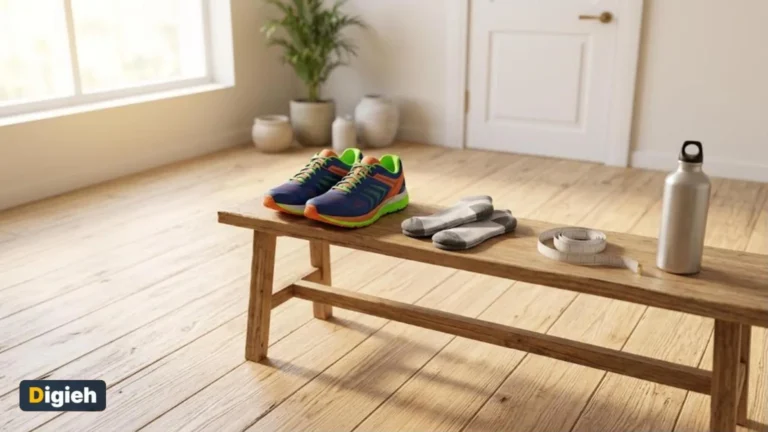
- Comfortable walking shoes with good support
- Weather-ready layers
- A water bottle
- A phone or simple step counter, if you like
How to Start Step by Step
1. Pick a Time
Choose a time you can stick to, like after breakfast or lunch.
2. Start Short
Walk 10 to 15 minutes at a pace where you can still talk easily.
Quick tip. Lay out your shoes and jacket the night before. It makes the morning walk easier.
3. Use Good Form
Stand tall and look ahead. Swing your arms and take natural steps.
4. Add Time Slowly
Add five minutes each week. Your body adapts better with gradual changes.
5. Mix It Up
Try hills, parks or a faster pace for short bursts. Variety keeps walks fun.
How often do you walk for exercise?
- Every day
- A few times a week
- Rarely
- Just starting
Sample Four-Week Plan
| Week | Minutes per Walk | Days per Week |
|---|---|---|
| 1 | 15 | 4 |
| 2 | 20 | 5 |
| 3 | 25 | 5 |
| 4 | 30 | 5 |
Use this calculator to track your weekly minutes.
Weekly walking tracker
Good to know. Stop and rest if you feel chest pain, dizziness or unusual shortness of breath.
- Walking time picked
- Supportive shoes ready
- First 10-minute walk done
- Good posture used
- Weekly time increased
- Progress tracked
Stay Safe and Motivated
Wear bright colors or reflective gear on dark mornings and evenings.
Walk with a friend or listen to a podcast. Time passes faster with company.
Check the weather and dress in layers you can remove as you warm up.
Walking in Winter
Choose shoes with good grip on icy days. Shorten your stride on slick paths.
Indoor malls and tracks work well when it is too cold outside.
Add to calendar
How Much Walking You Need
Walking is one of the easiest ways to meet activity goals. You do not need a gym or special skills.
The Centers for Disease Control and Prevention (CDC) advises adults to get 150 minutes of moderate activity each week. Brisk walking counts toward this goal.
That works out to about 30 minutes a day, five days a week. You can split it into shorter walks if that fits your day better.
Find the Right Pace
Brisk walking means moving faster than a stroll. Your heart beats faster and you breathe a little harder.
The Centers for Disease Control and Prevention (CDC) explains how to measure activity intensity. One simple method is the talk test.
At a moderate pace, you can talk but not sing. If you cannot say more than a few words, slow down a bit.
Use Good Walking Form
Good form helps you walk farther with less strain. Stand tall with your shoulders relaxed and down.
Look ahead, not at your feet. Swing your arms naturally from the shoulders.
Land gently on your heel and roll through to your toes. Take natural steps instead of long, reaching strides.
Choose Comfortable Shoes
The right shoes make walking more comfortable. Look for good cushioning, a flexible sole and room for your toes.
The American Academy of Orthopaedic Surgeons (AAOS) shares tips for choosing athletic shoes. It suggests shopping late in the day, when feet are largest.
Wear the socks you walk in when you try shoes on. Replace shoes when the cushioning feels flat.
Find Fun Walking Routes
A good route keeps walks interesting. Explore parks, trails, waterfronts and quiet neighborhoods.
Change your route each week to see something new. Map apps can help you find nearby trails.
Pick safe, well-lit routes, especially in the early morning or evening. Tell someone your route if you walk alone.
Walk Safely Near Traffic
Sidewalks and crosswalks keep walkers safer. Walk facing traffic if there is no sidewalk.
The National Highway Traffic Safety Administration (NHTSA) shares pedestrian safety tips. Make eye contact with drivers before you cross.
Wear bright or reflective clothing when it is dark. Keep the volume low or use one earbud so you can hear traffic.
Free updates
Join the Digieh list
Be the first to know when our weekly brief launches.
No spam. Unsubscribe anytime. Read our Privacy Policy.
Walk With Friends or Your Dog
A walking buddy makes it easier to stick with your plan. Set a regular time to walk with a friend or neighbor.
Walking with a dog gives you both exercise. Many dogs love a daily routine.
Join a local walking group for extra motivation. Community centers and parks often host free groups.
Add Hills and Intervals
Once walking feels easy, add a challenge. Hills work your legs and raise your heart rate.
Try intervals by walking fast for one minute, then easy for two minutes. Repeat several times during your walk.
Add one challenge at a time. Give your body a week or two to adjust.
Count Your Steps
A step counter can make walking feel like a game. Most phones and watches track steps automatically.
Start by noting your normal daily steps. Then add 500 to 1,000 steps each week.
Do not stress about a perfect number. Any increase in movement helps.
Walk Indoors on Bad Days
Rain, snow or extreme heat can stop outdoor walks. Indoor options keep your routine going.
Malls, big stores and indoor tracks offer safe walking space. Some malls open early for walkers.
A treadmill works well at home or the gym. You can also march in place while watching television.
Stretch After Your Walk
Gentle stretching after a walk can help you feel loose. Your muscles stretch best when they are warm.
Stretch your calves, thighs and hips. Hold each stretch for about 20 to 30 seconds.
Breathe slowly and never bounce. Stretching should feel good, not painful.
Walking Lifts Your Mood
Walking is good for your mind as well as your body. Many people feel calmer and happier after a walk.
The Centers for Disease Control and Prevention (CDC) lists many benefits of physical activity, including better sleep and reduced anxiety. Time outdoors in nature may add extra benefits.
Try a short walk when you feel stressed. Even 10 minutes can help clear your head.
Check With a Doctor if Needed
Walking is safe for most people. Still, talk to a doctor first if you have a heart condition, joint pain or another health concern.
Stop and get help if you feel chest pain, severe shortness of breath or dizziness. Your safety comes first.
Make Walking a Habit
Habits stick when they fit your day. Link your walk to something you already do, like after breakfast or lunch.
Put your shoes by the door the night before. Small cues make it easier to get started.
Track your walks on a calendar and mark each one with a check. A growing streak keeps you motivated.
Walking at Work
A busy workday still leaves room for steps. Take the stairs instead of the elevator when you can.
Suggest walking meetings for one-on-one chats. Fresh air often sparks good ideas.
Park farther from the entrance or get off the bus one stop early. These small choices add up over a week.
Try this today. Put on comfortable shoes and take a 10-minute walk today. Walk at a pace where you can talk but not sing.
Test Yourself
How much should you add each week?
- 30 minutes
- About 5 minutes
- Nothing
Small increases help your body adapt.
What does a brisk pace feel like?
- You can talk but not sing
- You cannot breathe
- You are barely moving
That is moderate effort.
Frequently Asked Questions
How much walking should I do each week?
Many health groups suggest about 150 minutes of moderate activity a week.
Is walking as good as running?
Walking is gentler and still offers many health benefits.
Do I need 10,000 steps a day?
No. Any increase in steps helps. Build up at your own pace.
What is a brisk pace?
You can talk but not sing. Your breathing feels a bit faster.
Is walking as good as running?
Walking offers many of the same health benefits. Brisk walking for longer periods can match shorter runs.
Should I walk every day?
Daily walking is safe for most people. Take an easy day if your legs feel very sore.
Wrapping Up
Lace up your shoes and take a 10-minute walk today. Small steps add up to big results.
Keep moving this season with our stay active in winter tips. Head for the trails with our winter hiking tips.
Found this useful?
Editor’s Note
This guide is accurate as of November 6, 2026. Talk to your doctor before starting a new exercise plan.
Spot an error in this article? Please contact us at support@digieh.com or read our Corrections Policy.
Keep exploring
Your next read is waiting
 1AI & TechHow to Use AI to Write Emails: Easy Steps8 min read
 2BusinessWhy AI Chip Demand Is Boosting Gas Makers4 min read
 3NewsAmerica Hits a New Record for Energy Production4 min read
 4Finance & MarketsPound Hits Highest Level Since the Brexit Vote3 min read
 5HealthBritish Doctor With Ebola Treated at London Hospital4 min read
 6Food & LifestyleWhy 4 Irish Beaches Are Among Europe’s Best4 min read