TRENDING
Cross-Country Skiing for Beginners: Simple Steps to Start

10 min read
Last updated November 8, 2026
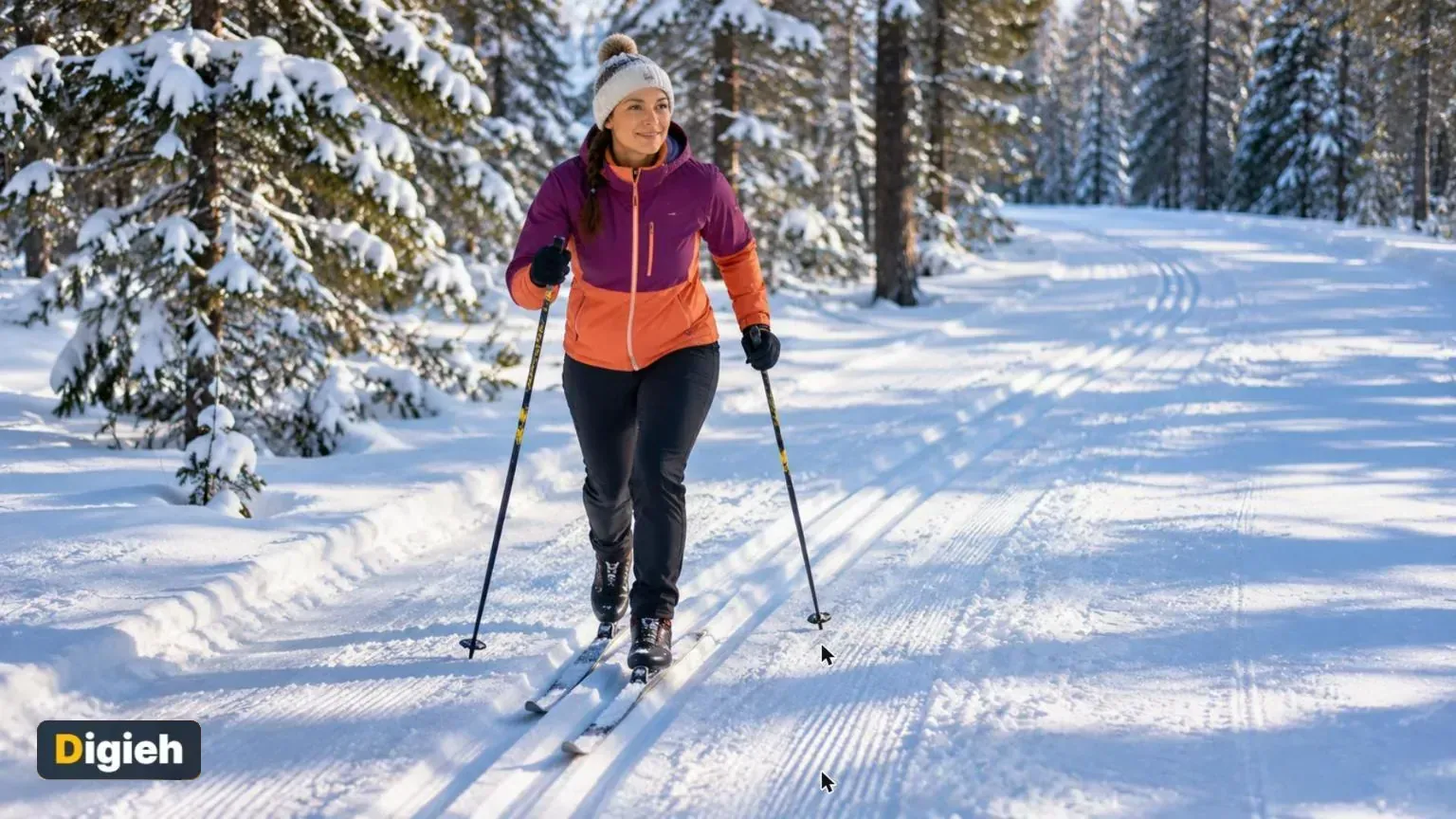
Cross-country skiing is one of the best ways to enjoy a snowy day. You glide through quiet forests and open fields at your own pace.
Unlike downhill skiing, you do not need steep slopes or lift tickets. Many parks and golf courses offer gentle, groomed trails.
This guide covers everything a beginner needs. You will learn about styles, gear, basic technique, trail manners and staying safe in the cold.
Key Takeaways
- Most beginners start with classic style, which feels like walking and gliding.
- Rent or borrow gear for your first few outings.
- Dress in breathable layers and avoid cotton.
- Practice on flat, groomed beginner trails.
- Follow trail etiquette and stay out of classic tracks when walking.
2 hoursRecommended wait after grooming before skiing a trail, according to the National Park Service.
What Is Cross-Country Skiing?
Cross-country skiing, also called Nordic skiing, means moving across mostly flat or rolling terrain on skis. You use your own power instead of a chairlift.
It works your arms, legs and core at the same time. Many people enjoy it as a low-impact winter workout.
The pace can be as relaxed or as fast as you like. Families, older adults and athletes all enjoy it.
Classic vs Skate Skiing
There are two main styles. Knowing the difference helps you choose gear and lessons.
| Feature | Classic | Skate |
|---|---|---|
| Motion | Straight kick and glide | Side-to-side push like ice skating |
| Where | Groomed tracks or ungroomed snow | Wide groomed lanes |
| Speed | Slower and steady | Faster |
| Learning curve | Easier for most beginners | Needs more balance |
According to Recreational Equipment Inc., classic skiing uses a straight kick and glide stride. The outdoor retailer says most beginners start with this style.
Ski Utah describes classic as a simple opposite-arm, opposite-leg stride, much like walking or running. Skate skiing uses a V shape and resembles ice skating.
Ski Utah adds that classic works well off groomed trails, while skate suits groomed lanes. Many skiers eventually try both.
Have you tried cross-country skiing?
- Yes, I love it
- Once or twice
- Never, but I want to
- Not sure
Gear You Need
Cross-country gear is lighter than downhill gear. Recreational Equipment Inc. suggests renting or borrowing when you are new.
Skis
Ski length is usually based on your weight. Shops use a maker’s size chart to find the right fit.
Classic skis have a grip zone under the foot for kicking forward. Some use wax, while others have a textured pattern called waxless or fishscale.
Waxless skis are popular with beginners because they need little prep. They work well in changing snow conditions.
Boots and Bindings
Boots should feel comfortable and flexible. They must match your binding system.
Recreational Equipment Inc. advises learning how your bindings click in and release before you head out. Practice at home or in the parking lot.
Poles
Classic poles usually reach about your armpits when the tips are in the snow. Skate poles are longer.
Rental shops can size poles for you in seconds. Ask staff for help if you are unsure.
Good to know. Waxless skis with a textured grip zone are easy for beginners. They need little preparation and work in many snow conditions.
What to Wear
Cross-country skiing is a workout, so you will warm up quickly. Dress in layers you can adjust.
Recreational Equipment Inc. recommends synthetic or wool layers that move freely and handle sweat. Avoid cotton, which stays wet and cold.
- A moisture-wicking base layer
- A light fleece or insulating middle layer
- A wind-resistant jacket and pants
- A warm hat or headband
- Gloves or mittens, plus a spare pair
- Wool socks
You may feel chilly at the start, and that is normal. You will warm up within minutes of skiing.
Our guide to frostbite and hypothermia warning signs explains what to watch for on very cold days.
- Rented skis, boots and poles
- Wicking base layer
- Wind-resistant jacket
- Hat and spare gloves
- Water and a snack
- Charged phone
Where to Go
Look for groomed trails at state parks, Nordic centers, city parks and golf courses. Many areas post trail maps online.
Recreational Equipment Inc. suggests starting on flat terrain with green beginner trails. Avoid avalanche-prone backcountry areas.
Lessons can speed up learning. Nordic centers, ski clubs and outdoor shops often offer beginner classes.
Check trail conditions before you go. The National Park Service notes that groomed trails are only available when snow conditions allow.
Some trails require a day pass or seasonal permit. Fees often help pay for grooming and trail upkeep.
Golf courses and city parks may allow skiing when covered in snow. Check local rules first, since some areas are closed to protect turf.
Snow depth matters too. Thin snow can hide rocks and roots that damage skis, so wait for a good base before heading out.
If you live far from trails, plan a winter weekend trip. Many Nordic centers offer warming huts, gear rentals and cozy lodges close by for resting between laps.
Basic Technique for Your First Day
Start slow and focus on balance. You will improve quickly with practice.
Find a Balanced Stance
Recreational Equipment Inc. recommends standing with feet shoulder-width apart. Bend slightly at the hips, knees and ankles.
Keep your weight on the balls of your feet. This athletic stance helps you stay balanced.
Shuffle and Glide
Begin by shuffling forward without poles. Take a couple of steps, then let one ski glide.
Shift your weight smoothly from one ski to the other. Keep your body over the gliding foot.
Add Your Poles
Once you feel steady, bring in your poles. Plant them and push back as you glide.
Recreational Equipment Inc. describes the diagonal stride as opposite arm and opposite leg. When your right leg moves forward, your left arm swings forward.
Slowing Down and Stopping
On flat ground, simply coast to a stop. Recreational Equipment Inc. warns against using poles to brake.
For gentle slopes, beginners often use a wedge, pointing ski tips together. Lessons can teach this safely.
Quick tip. Practice gliding on one ski at a time on flat ground. Better balance makes every other skill easier.
Falling Safely
Everyone falls when learning, and that is okay. Recreational Equipment Inc. advises not sticking out your poles or wrists to catch yourself.
Rolling sideways is often safer if you have room and no hazards nearby. To get up, move your skis parallel and across the slope, then push up with your poles.
Climbing Gentle Hills
Small hills are part of most trails. Shorten your stride and lean slightly forward to keep grip.
For steeper climbs, many skiers use a herringbone, with ski tips pointed out in a V. The National Park Service asks skiers not to herringbone inside classic tracks.
You can also sidestep up a short slope. Turn sideways and take small steps uphill, keeping skis parallel.
Common Beginner Mistakes
New skiers often make the same small errors. Knowing them helps you improve faster.
- Standing too upright with stiff knees
- Looking down at the skis instead of ahead
- Taking short, choppy steps instead of gliding
- Gripping poles too tightly
- Overdressing and getting sweaty
Relax your shoulders and look a few feet ahead. Let your skis do the work.
Free updates
Join the Digieh list
Be the first to know when our weekly brief launches.
No spam. Unsubscribe anytime. Read our Privacy Policy.
Trail Etiquette
Good manners keep trails safe and in good shape. The National Park Service shares clear guidelines.
- Classic skiers use the parallel ski tracks.
- Skate skiers and snowshoers use the groomed lane beside the tracks.
- Ask politely to pass, and slower skiers step to the right.
- Uphill skiers yield to downhill skiers.
- Do not walk or hike on groomed tracks.
- Step off the trail when you stop.
The park service also suggests waiting about two hours after grooming before skiing. That lets the snow set firmly.
Pack out all trash and keep dogs leashed where they are allowed. Our snowshoeing for beginners guide covers sharing trails as a snowshoer.
Where should snowshoers travel on a groomed ski trail?
- In the classic ski tracks
- In the groomed lane beside the tracks
- Anywhere they like
The National Park Service says snowshoers should use the groomed lane, not the classic tracks.
Staying Safe in the Cold
Winter sports carry special risks. A little planning keeps your day fun.
- Check the weather and trail report before leaving.
- Tell someone your route and return time.
- Carry water and a snack.
- Bring a fully charged phone in an inside pocket.
- Turn back if you feel very cold, tired or wet.
Recreational Equipment Inc. suggests carrying basic essentials like water, food, extra layers and a light. Shorter winter days mean darkness arrives early.
Watch for icy patches and fast downhill sections. Walk down hills if they feel too steep.
Skiing With Kids
Cross-country skiing is a great family activity. Young children can start with short, playful sessions.
Choose flat, short loops and plan plenty of breaks. Hot cocoa and snacks keep spirits high.
Many Nordic centers rent child-size gear and offer kids’ lessons. Games like follow the leader help children practice gliding.
Dress kids in warm layers and check their hands and feet often. End the day before anyone gets too cold or tired.
Planning Your First Outing
A little planning makes your first day smooth and fun. Aim for a sunny day with mild temperatures.
Arrive early to rent gear and get fitted without rushing. Start with a short loop of a mile or two.
Bring water, a snack and dry gloves in a small backpack. Plan to spend about an hour on the snow.
Health Benefits
Cross-country skiing works many muscles at once. It is a full-body activity that builds endurance.
Because skis glide over snow, it is gentler on joints than running. Many people use it to stay active through winter.
Time outdoors in daylight may also lift your mood during short winter days. Start with short outings and build up gradually.
Love winter workouts? Our winter running tips offer another way to stay fit in the cold.
Which style do most beginners start with?
- Classic
- Skate
- Freestyle jumping
Classic skiing uses a simple kick and glide that feels like walking.
Cross-Country vs Downhill Skiing
New skiers often wonder how the two compare. Each offers a different experience.
Downhill skiing uses lifts and gravity on steep slopes. Cross-country relies on your own energy on flatter ground.
Cross-country gear and trail passes usually cost less than lift tickets. Our guide to skiing tips for beginners covers downhill basics if you want to try both.
Make It a Winter Habit
Once you learn the basics, cross-country skiing can become a regular winter routine. Many parks light trails for evening skiing.
Invite friends or join a Nordic club for group outings. Some clubs offer family days, races and social events.
Consider buying gear after a few rentals. By then you will know what style and fit you prefer. Off-season sales and used gear swaps can also help you save money on skis, boots and poles.
Try this today. Search for groomed cross-country trails near you and check if they rent gear. Pick a date for your first outing.
Frequently Asked Questions
Is cross-country skiing hard to learn?
Most people can learn basic classic skiing in a day or two. A lesson helps a lot.
Should beginners try classic or skate skiing?
Most beginners start with classic, which feels like walking and gliding.
Do I need to buy gear?
No. Renting or borrowing is a smart way to start.
What should I wear?
Breathable synthetic or wool layers, a hat, gloves and wool socks. Avoid cotton.
Can I walk on groomed ski trails?
Generally no. Walking damages the tracks, so use designated paths instead.
Conclusion
Cross-country skiing is an easy, affordable way to enjoy winter outdoors. Start with classic style on flat, groomed trails.
Rent gear, dress in layers and take a lesson if you can. Follow trail etiquette and safety basics, and you will be gliding with confidence in no time.
Found this useful?
Editor’s Note
This article is accurate as of November 8, 2026. It draws on guidance from Recreational Equipment Inc., the National Park Service and Ski Utah. Trail rules and conditions vary, so check with local parks and Nordic centers.
Spot an error in this article? Please contact us at support@digieh.com or read our Corrections Policy.
Keep exploring
Your next read is waiting
 1SportsIce Fishing for Beginners: Essential Safety and Gear10 min read
 2TechnologyEasy Ways to Transfer Data to a New Phone10 min read
 3BusinessHow to Write a Powerful Year-End Self Review10 min read
 4Food & LifestyleSmart Ways to Prevent Ice Dams This Winter10 min read
 5HealthSinus Infection vs Cold: Simple Ways to Tell10 min read
 6EntertainmentUgly Christmas Sweater Party Ideas Guests Will Love10 min read