
TRENDING
Riding a Bike in Winter: Gear, Safety and Tips

8 min read
Last updated November 9, 2026
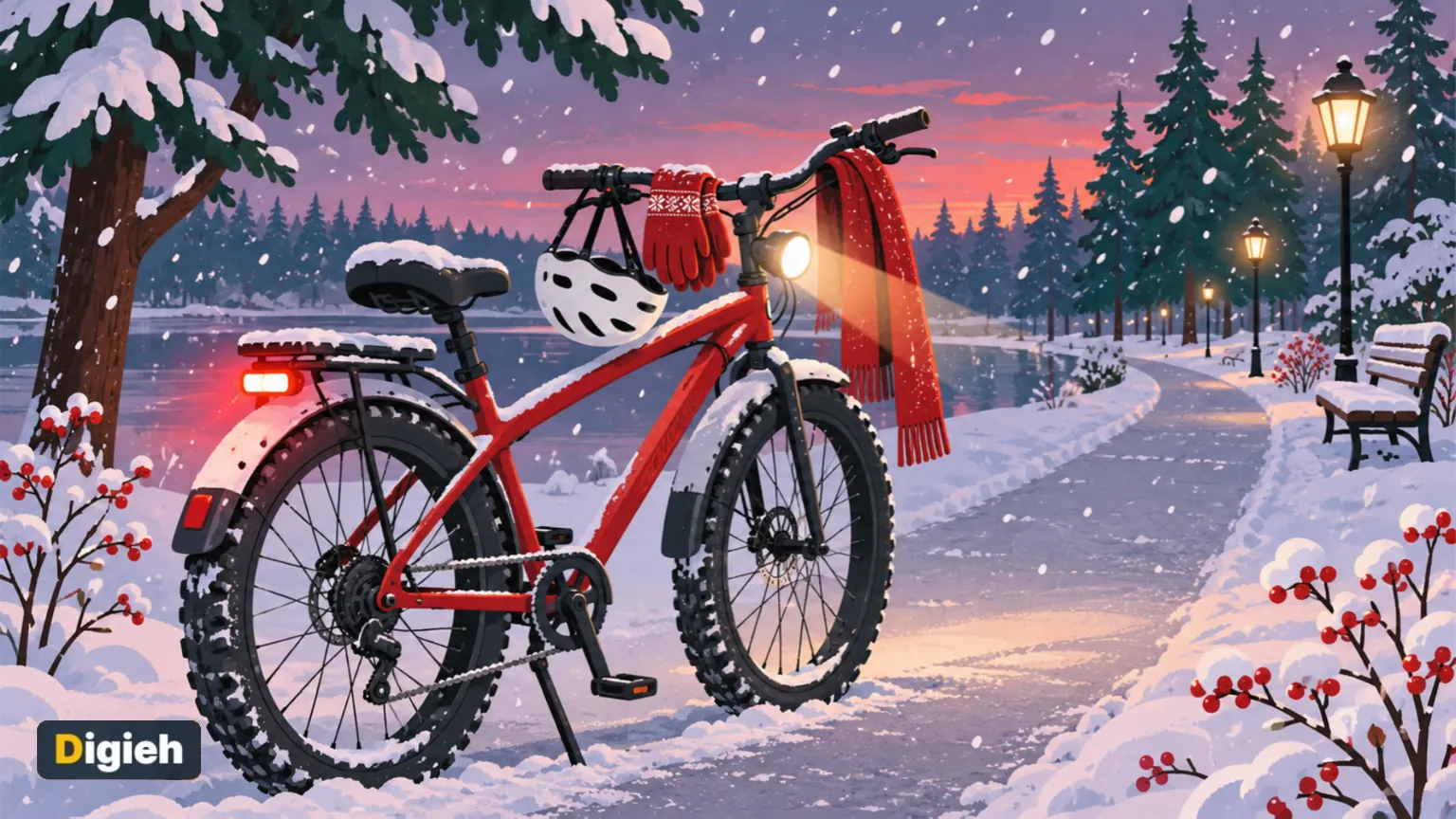
Riding a bike in winter is safe and fun with the right setup. Dress in warm layers and use bright front and rear lights. Lower your tire pressure slightly for grip and ride slowly on snow and ice.
Clean and lube your chain often, since salt and slush wear parts fast. This guide covers clothing, bike setup, riding technique, safety and care for cold-weather cycling.
Key Takeaways
- Layer clothing so you start a little cool and warm up as you ride.
- Cover hands, feet, ears and face, which get cold first.
- Use a white front light and a red rear light, since winter days are short.
- Wider or studded tires give much better grip on snow and ice.
- Wipe salt and grime off your bike after wet rides.
Inside this guide
- Why ride in winter
- How to dress
- Set up your bike
- How to ride on snow and ice
- Be seen in the dark
- Winter bike care
- Electric bikes in the cold
- When to ride indoors
- Frequently asked questions
Why Ride a Bike in Winter
Cycling through winter keeps you fit, saves money and beats sitting in traffic. Many cities now clear bike lanes as well as roads.
Fresh air and daylight can also lift your mood on short, gray days. With good gear, a winter ride can feel crisp and peaceful. Most riders find it feels normal after a few weeks.
1,103Bicyclists killed in traffic crashes in 2024, per the National Highway Traffic Safety Administration.
Safety matters all year, but winter adds darkness, ice and slower stopping. The rest of this guide shows how to handle each one.
How to Dress for Winter Cycling
The secret is layers. You will warm up fast once you start pedaling, so start slightly cool.
The Centers for Disease Control and Prevention advises several loose layers in its winter weather guidance. It also suggests a hat, gloves and a face covering. Those basics work well on a bike too.
| Layer | What to wear |
|---|---|
| Base layer | Merino wool or synthetic top that moves sweat away |
| Middle layer | Light fleece or wool sweater for warmth |
| Outer layer | Windproof, water-resistant jacket with reflective details |
| Legs | Thermal tights or lined pants, with rain pants for slush |
Protect your hands, feet and head
- Insulated, windproof gloves or lobster mitts
- Wool socks and waterproof shoes or overshoes
- A thin cap or ear band that fits under your helmet
- A neck gaiter or balaclava for very cold days
- Clear or yellow glasses to block wind, snow and grit
Avoid cotton next to your skin. Once it gets sweaty, it stays damp and cold.
Wool layers need gentle care to last. Our guide on how to care for cashmere and wool explains washing and drying.
Quick tip. If you feel warm and comfortable when you step outside, you are probably overdressed. You should feel slightly chilly for the first few minutes.
What is the hardest part of riding in winter?
- Cold hands and feet
- Icy roads
- Riding in the dark
- Not sure
Set Up Your Bike for Winter
Tires
Wider tires give more grip and stability on snow and slush. Letting a little air out increases the contact patch, but stay within the range printed on the tire.
Studded tires have small metal pins that bite into ice. They are worth it if your routes freeze often.
Fenders
Full fenders keep slush, salt and grit off you and your bike. They make winter commuting far more pleasant.
Lights
Fit a bright white front light and a red rear light. Short winter days mean many commutes happen in the dark.
Brakes
Check brake pads often, since grit wears them quickly. Disc brakes tend to work more consistently in wet weather than rim brakes.
Gearing and chain
Use a wet chain lube, which resists slush better than dry lube. Keep the drivetrain clean so shifting stays smooth.
For a full check, follow our guide to bike maintenance basics.
How to Ride on Snow and Ice
- Slow down and allow much more distance to stop.
- Brake gently and early, using both brakes.
- Avoid sudden turns and lean the bike less in corners.
- Ride in a straight line across icy patches without braking.
- Stay off painted lines, metal covers and rail tracks, which get slick.
- Use a lower gear to keep the rear wheel from spinning.
Fresh snow often gives more grip than packed snow or ice. Watch for smooth, shiny patches, especially in shaded spots and on bridges.
Black ice is just as risky on a bike as in a car. Our guide on how to drive on black ice explains where it forms.
Good to know. Snowbanks narrow bike lanes and push riders into traffic. Choose quieter streets or cleared paths when you can.
Be Seen in the Dark
The highway safety agency’s bicycle safety page advises a white front light, a red rear light and reflectors. Use them whenever it is dark or hard to see.
- Wear bright or reflective clothing.
- Add reflective bands to ankles and wrists, which move and catch the eye.
- Ride in the same direction as traffic.
- Carry a spare light or keep yours charged, since cold drains batteries.
The agency lists cyclists not being visible as a leading factor in fatal bike crashes. Lights and reflective gear are cheap ways to stay safer.
Always wear a properly fitted helmet. The agency says every ride should start with one.
Plan Your Winter Routes
Your summer route may not be the best choice in winter. Some paths are not plowed, and narrow roads get even tighter with snowbanks.
- Check which bike lanes and trails your city clears first.
- Choose wider streets with slower traffic.
- Avoid steep hills on icy days.
- Leave earlier so you never feel rushed.
- Tell someone your route on long rides.
A navigation app with a cycling mode can help you find quieter roads. Ride the route once on a clear day so you know what to expect.
Free updates
Join the Digieh list
Be the first to know when our weekly brief launches.
No spam. Unsubscribe anytime. Read our Privacy Policy.
Carry a Small Winter Kit
- A spare tube, tire levers and a mini pump
- A charged phone and a small power bank
- Spare gloves in a plastic bag
- A small towel or cloth to wipe glasses and lights
Fixing a flat with frozen fingers is hard. Practice at home so you can do it quickly if needed.
Winter Bike Care
Road salt and wet grime speed up rust and wear. A few minutes of care after each wet ride saves money on repairs.
- Rinse or wipe salt off the frame, chain and brakes.
- Dry the chain and apply fresh lube.
- Check tire pressure often, since cold lowers it.
- Inspect brake pads for wear.
- Store the bike somewhere dry if possible.
Bringing a cold bike into a warm room can cause condensation. Wipe it down so moisture does not sit on the chain.
Electric Bikes in the Cold
Electric bikes work in winter, but cold weather reduces battery range. Store the battery indoors and put it on the bike just before you ride.
Charge the battery at room temperature, not in a freezing garage. Follow the maker’s instructions for cold-weather care.
Shopping for one? See our e-bike buying guide.
Stay Warm and Safe
Watch for signs of cold injury on long rides. Numb, pale or hard skin on fingers, toes or face can signal frostbite.
Shivering, confusion and clumsiness can point to hypothermia. Learn the signs in our guide to frostbite and hypothermia warning signs.
Drink water even in the cold. You still lose fluid through sweat and breath.
When to Ride Indoors
Some days are not worth the risk. Skip outdoor rides during freezing rain, heavy snow or extreme cold.
An indoor trainer or spin bike keeps your fitness going. Our guide to indoor cycling for beginners shows how to start.
Your Winter Cycling Checklist
- I dress in layers and start slightly cool
- I cover my hands, feet, ears and face
- I charged my front and rear lights
- My tires suit snow and ice
- I ride slower and brake early
- I clean and lube the chain after wet rides
Try this today. Charge your bike lights and check your tires before the first snow. Being ready makes that first cold ride much easier.
Test Yourself
How should you feel when you first step outside for a winter ride?
- Very warm
- Slightly cool
- Freezing cold
You warm up quickly while pedaling, so starting slightly cool prevents overheating.
What lights does the highway safety agency advise at night?
- Only a red front light
- No lights if you wear white
- A white front light and a red rear light
The agency advises a white front light, a red rear light and reflectors.
Frequently Asked Questions
Is it safe to ride a bike in the snow?
Yes, with the right tires, lights and slower riding. Avoid icy days and heavy traffic when you can.
Do I need studded tires?
They help a lot if your routes are often icy. Wider tires are enough for light snow.
How do I keep my hands warm on a bike?
Use windproof insulated gloves or lobster mitts. Pogies that attach to the handlebars add extra warmth.
Will salt damage my bike?
It can cause rust and wear. Rinse and dry your bike after salty rides and lube the chain.
Conclusion
Winter cycling is easier than it looks. Layer up, light up and fit tires that grip, then ride slower and brake early.
Clean your bike after salty rides and switch to indoor riding when conditions get dangerous.
Found this useful?
Editor’s Note
This guide is accurate as of November 9, 2026. It draws on bicycle safety guidance from the National Highway Traffic Safety Administration. Winter clothing advice comes from the Centers for Disease Control and Prevention.
Follow local traffic laws and your bike maker’s advice.
Spot an error in this article? Please contact us at support@digieh.com or read our Corrections Policy.
Keep exploring
Your next read is waiting
 1FashionHow to Hem Pants Without Sewing in Minutes9 min read
 2Travel & TourismHow to Pack a Carry-On for a Week9 min read
 3Fruits & VegetablesCranberry Health Benefits: What Science Says About UTIs9 min read
 4AI & TechHow to Use AI for Smarter Holiday Shopping9 min read
 5MedicinesVitamin B12 Deficiency Signs and Who Needs Supplements9 min read
 6Science & DiscoveriesQuadrantid Meteor Shower 2027: Best Time to Watch9 min read



