TRENDING
Blueberries Health Benefits: Small Berries With Big Power

8 min read
Last updated November 10, 2026
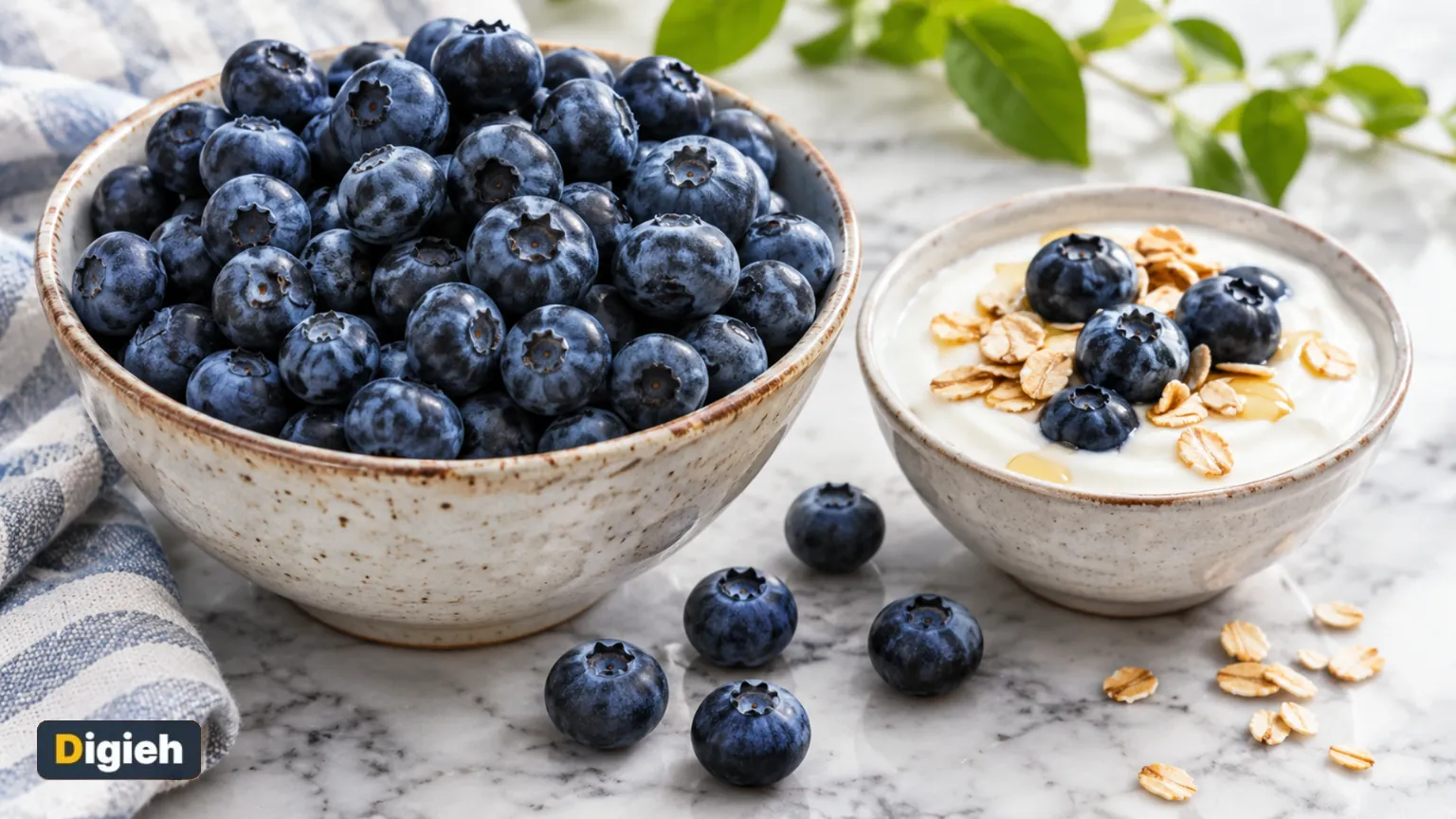
Blueberries are small, but they pack fiber, vitamin C and colorful plant compounds called anthocyanins. Large studies link eating blueberries a few times a week with lower risk of heart attack and type 2 diabetes.
A 2013 BMJ study followed about 184,000 adults. Eating three servings of blueberries a week went along with a 26 percent lower risk of type 2 diabetes. Fruit juice showed the opposite trend.
This guide explains blueberry nutrition, what the research really shows and easy ways to eat more, fresh or frozen.
Key Takeaways
- Half a cup of blueberries has about 84 calories and 4 grams of fiber.
- Women who ate the most berries had 34 percent fewer heart attacks in one Harvard study.
- Researchers tied three weekly servings of blueberries to lower diabetes risk.
- Frozen blueberries are a healthy, budget-friendly choice in winter.
- Whole berries beat juice, which lacks fiber.
Jump to a section
- Blueberry nutrition facts
- Blueberries and heart health
- Blueberries and blood sugar
- Other possible benefits
- Fresh vs frozen vs dried
- Easy ways to eat more
- How to buy, wash and store
- Who should be careful
- Frequently asked questions
Blueberry Nutrition Facts
The USDA SNAP-Ed produce guide lists nutrition for blueberries. Here are the key numbers for a half cup serving.
| Nutrient | Half cup of blueberries |
|---|---|
| Calories | 84 |
| Fiber | 4 grams |
| Vitamin C | 16 mg |
| Fat | Almost none |
Blueberries also contain vitamin K, manganese and a family of pigments called anthocyanins. These give the berries their deep blue color.
26 percentLower risk of type 2 diabetes linked to three weekly servings of blueberries in a 2013 BMJ study.
Blueberries and Heart Health
Harvard Health reported on a study of 93,600 young and middle-aged women followed for 18 years. Women who ate the most blueberries and strawberries were 34 percent less likely to have a heart attack.
The benefit showed up with three or more half-cup servings a week. Researchers think anthocyanins may help lower blood pressure and keep blood vessels flexible.
Harvard researcher Dr. Eric Rimm noted that this link is a hypothesis, not definitive proof. He advised getting these compounds from food, not pills.
Good to know. These studies show links, not cause and effect. People who eat more berries may also have other healthy habits.
Blueberries and Blood Sugar
The 2013 BMJ study followed about 184,000 adults in three large health studies. For every three servings of blueberries a week, the risk of type 2 diabetes was about 26 percent lower.
Fruit juice moved the other way. Each three weekly servings of juice went along with a slightly higher diabetes risk.
| Food | Link to type 2 diabetes risk |
|---|---|
| Blueberries, 3 servings a week | About 26 percent lower |
| Fruit juice, 3 servings a week | About 8 percent higher |
Whole berries bring fiber that slows sugar absorption. Juice removes most of that fiber.
Quick tip. Swap a glass of juice for a bowl of berries. You get the sweetness plus fiber that keeps you full.
How do you usually eat blueberries?
- Fresh by the handful
- Frozen in smoothies
- Baked in muffins or pancakes
- Not sure
Other Possible Benefits
Scientists are studying blueberries for brain health, gut health and healthy aging. Early research is promising, but more studies are needed.
- Fiber supports regular digestion and feeds healthy gut bacteria.
- Vitamin C supports your immune system and skin.
- Anthocyanins act as antioxidants in lab studies.
- Low calories make berries a filling snack.
Vitamin C matters for immunity in winter. Our guide on supporting your immune system explains more, and kiwi is another great vitamin C fruit.
Fresh vs Frozen vs Dried Blueberries
| Form | Pros | Watch for |
|---|---|---|
| Fresh | Juicy, best for snacking | Short shelf life, pricier in winter |
| Frozen | Picked ripe, cheap year round, great for smoothies | Soft texture when thawed |
| Dried | Shelf stable, easy to carry | Often has added sugar, small serving size |
| Juice | Easy to drink | Little fiber, more sugar per serving |
SNAP-Ed lists blueberries as a summer crop. In winter, frozen berries are often the best value, and they keep most of their nutrients.
Wild vs Cultivated Blueberries
Wild blueberries are smaller, with a more intense flavor. You usually find them frozen.
Cultivated blueberries are larger and juicier. Both kinds are healthy, so choose the one you enjoy and can afford.
Easy Ways to Eat More Blueberries
- Stir a handful into oatmeal or yogurt.
- Blend frozen berries with banana and milk for a smoothie.
- Toss them into green salads with nuts and feta.
- Fold them into pancakes, muffins or overnight oats.
- Freeze fresh berries for a cool, sweet snack.
- Simmer frozen berries into a quick sauce for toast.
Bananas pair well with blueberries in smoothies. See our banana nutrition guide, and try adding pomegranate seeds for extra color.
Simple Blueberry Yogurt Bowl
- Spoon plain yogurt into a bowl.
- Add half a cup of fresh or thawed blueberries.
- Top with a spoon of oats or chopped nuts.
- Drizzle with a little honey if you like.
How to Buy, Wash and Store Blueberries
- Choose firm, plump berries with a dusty blue color.
- Check the bottom of the box for crushed or moldy berries.
- Store them in the refrigerator, where SNAP-Ed says they keep up to two weeks.
- Wash berries just before eating, not before storing.
- Freeze extras on a tray, then move them to a bag.
The pale, powdery coating on blueberries is natural. Growers call it bloom, and it helps protect the fruit. Learn more in our guides on how to wash fruits and vegetables and how to store fruits and vegetables.
Blueberries vs Other Berries
| Berry | Standout nutrient | Best use |
|---|---|---|
| Blueberries | Anthocyanins and fiber | Snacking, baking, smoothies |
| Strawberries | Vitamin C | Fresh salads and desserts |
| Raspberries | Very high fiber | Yogurt bowls and sauces |
| Blackberries | Fiber and vitamin K | Smoothies and jams |
| Cranberries | Tart flavor | Holiday sauces and baking |
All berries are healthy choices. Mixing different colors gives you a wider range of plant compounds, so rotate them through the week.
Free updates
Join the Digieh list
Be the first to know when our weekly brief launches.
No spam. Unsubscribe anytime. Read our Privacy Policy.
Blueberries in Holiday Cooking
Blueberries are not just for summer. Frozen berries work well in cozy winter recipes.
- Bake a blueberry crisp with oats and cinnamon.
- Stir blueberries into holiday pancakes or French toast.
- Make a quick blueberry sauce for cheesecake or yogurt.
- Add dried blueberries to stuffing or grain salads.
- Mix berries into a festive breakfast parfait for guests.
When baking with frozen berries, toss them in a little flour first. That keeps them from sinking and limits purple streaks in the batter.
Saving Money on Blueberries
- Buy frozen berries in large bags during winter.
- Pick your own at farms in summer, then freeze them.
- Compare price per ounce, not per package.
- Check store brands, which often cost less for the same fruit.
Frozen blueberries let you enjoy the same benefits all year without paying high winter prices for fresh fruit.
Growing Blueberries at Home
Blueberry bushes can grow in yards or large pots. They like acidic soil, full sun and steady water.
Plant at least two varieties near each other for better fruit. Your local extension office can suggest types that suit your climate.
Blueberries for Kids
Many kids love blueberries for their sweet taste and small size. For toddlers, cut berries in half or quarters to lower choking risk.
Frozen blueberries can be a fun treat, but let them soften a bit for small children.
Smart Snack Swaps With Blueberries
| Instead of | Try |
|---|---|
| Candy after dinner | A bowl of frozen blueberries |
| Sugary cereal | Plain oats with fresh berries |
| Fruit juice | Water with a handful of whole berries |
| Store-bought muffin | Homemade oat muffins with blueberries |
| Ice cream every night | Yogurt with berries and a drizzle of honey |
Small swaps add up over a week. They help you reach the three servings that showed benefits in the research without changing your whole diet.
A Simple Weekly Berry Plan
| Day | Idea |
|---|---|
| Monday | Blueberries on oatmeal |
| Wednesday | Blueberry and spinach smoothie |
| Friday | Berry yogurt parfait |
| Sunday | Blueberry pancakes with family |
That plan gives you four servings with almost no extra effort. Keep a bag of frozen berries in the freezer so you never run out. Restock it every time you shop for groceries.
Blueberries for Active Days
Blueberries make an easy snack before or after a workout. They give quick natural sugar for energy plus fluid and fiber.
Pair a handful with yogurt, milk or a few nuts after exercise. That adds protein to help your muscles recover. Frozen berries blended with milk make a cool, refreshing drink after a long walk or run.
Who Should Be Careful
- People on blood thinners like warfarin should keep vitamin K intake steady. Ask your doctor before big diet changes.
- People with diabetes should count berries in their carbohydrate plan, though whole berries are a smart choice.
- People with berry allergies should avoid them.
Blueberry Myths and Facts
| Myth | Fact |
|---|---|
| Frozen berries are not as healthy | Frozen berries keep most nutrients and are picked ripe |
| Blueberry juice is just as good | Juice lacks fiber and has more sugar |
| Blueberries cure disease | Studies show links, not cures |
| The white coating is pesticide | It is a natural coating called bloom |
Your Blueberry Checklist
- Aim for three half-cup servings a week
- Choose whole berries over juice
- Buy frozen in winter to save money
- Wash just before eating
- Refrigerate fresh berries
- Cut berries for toddlers
Try this today. Add a bag of frozen blueberries to your shopping list. Toss a handful into breakfast three times this week.
Test Yourself
In the 2013 BMJ study, which food went along with a higher diabetes risk?
- Blueberries
- Fruit juice
- Apples
Blueberries were tied to lower risk, while more fruit juice was tied to slightly higher risk.
Frequently Asked Questions
How many blueberries should I eat a day?
Studies saw benefits with about three half-cup servings a week. A daily handful is a great habit.
Are frozen blueberries as healthy as fresh?
Yes. Frozen berries are picked ripe and keep most of their nutrients.
Are blueberries good for diabetes?
Whole blueberries were linked to lower diabetes risk in a large study. Count them in your meal plan.
Should I wash blueberries before storing them?
No. Wash them just before eating so they do not get soggy or moldy.
Conclusion
Blueberries are a small fruit with big potential, linked to better heart health and lower diabetes risk. Fresh or frozen, they are easy to add to everyday meals.
Aim for a half cup a few times a week, and choose whole berries over juice.
Found this useful?
Editor’s Note
This guide is accurate as of November 10, 2026. Nutrition facts come from USDA SNAP-Ed. Study details come from Harvard Health and a 2013 study in The BMJ.
This is general information, not medical advice. Talk to a health professional about your own diet.
Spot an error in this article? Please contact us at support@digieh.com or read our Corrections Policy.
Keep exploring
Your next read is waiting
 1MedicinesHow SSRI Antidepressants Work: Sertraline and More Facts9 min read
 2Fruits & VegetablesPotassium Rich Fruits and Vegetables Beyond the Banana9 min read
 3Finance & MarketsAnthropic IPO Explained: Date, Ticker and Key Numbers5 min read
 4FashionHow to Style a Long Coat Every Day9 min read
 5AI & TechHow to Use AI for Smarter Holiday Shopping9 min read
 6Travel & TourismHow to Pack a Carry-On for a Week9 min read