TRENDING
How to Wash Fruits and Vegetables the Safe Way

8 min read
Last updated November 9, 2026
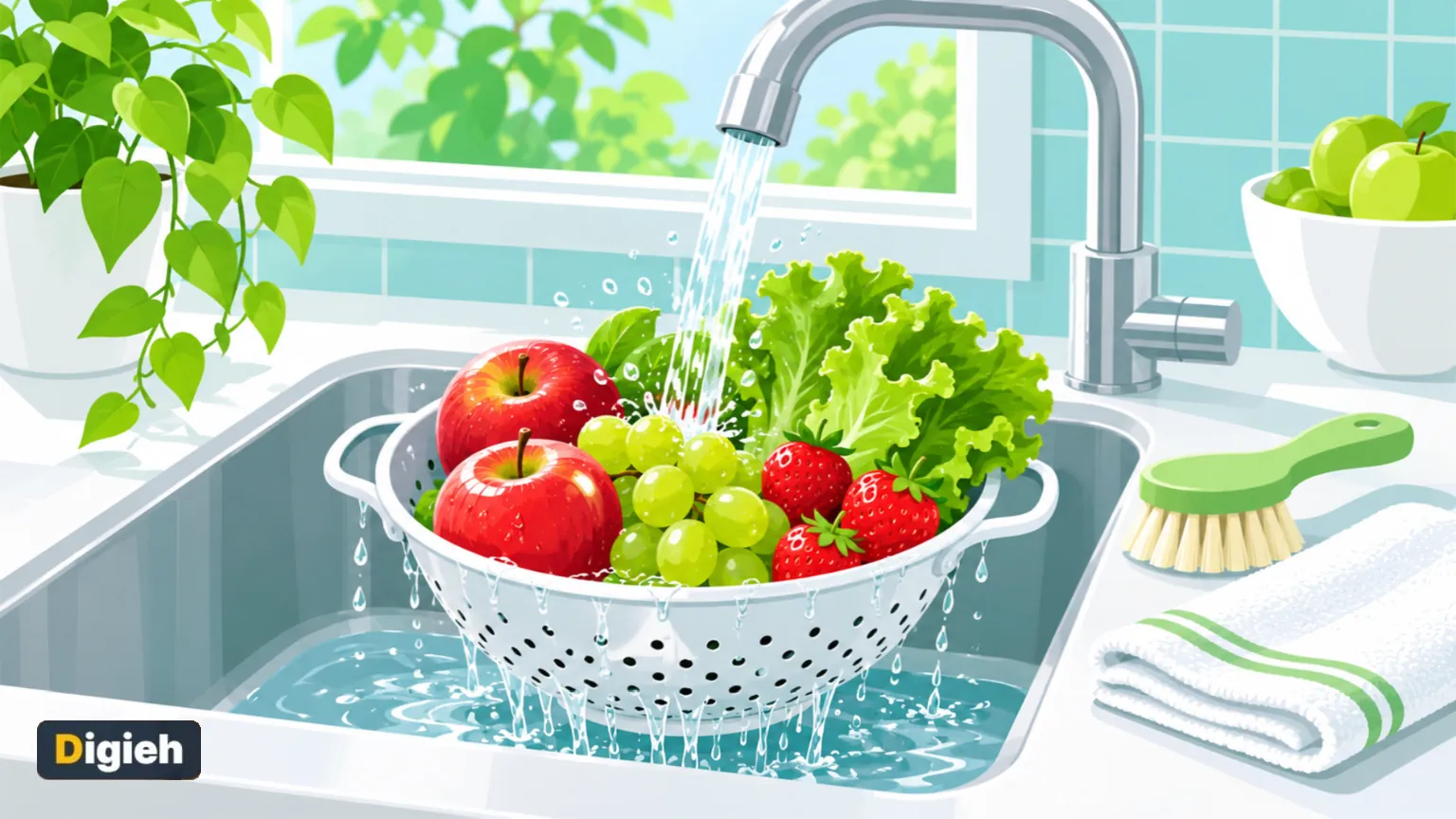
To wash fruits and vegetables safely, rinse them under cool running water and rub them with your hands. Scrub firm produce like melons and potatoes with a clean brush, then dry everything with a clean towel.
Do not use soap, detergent or bleach. The Food and Drug Administration says produce can absorb them, which could make you sick.
This guide walks through the right method for each type of produce, plus common mistakes and kitchen safety tips.
Key Takeaways
- Wash your hands for at least 20 seconds before handling produce.
- Rinse all produce under running water, even if you plan to peel it.
- Scrub firm produce with a clean brush.
- Skip soap, detergent and commercial produce washes.
- Produce labeled pre-washed does not need washing again.
Inside this guide
- Why washing produce matters
- How to wash produce step by step
- How to wash different types
- What not to use
- Pre-washed and bagged produce
- When to wash
- Keep your kitchen safe
- Frequently asked questions
Why Washing Produce Matters
Fruits and vegetables can pick up dirt and germs in the field, during shipping and in stores. Many hands may touch them before they reach your kitchen.
Washing removes dirt and lowers the number of germs on the surface. The agency notes that washing reduces bacteria but does not remove all of it.
Cooking kills harmful bacteria, but many fruits and vegetables are eaten raw. That makes washing an important step.
20 secMinimum time to wash your hands with soap and warm water before handling produce, per the food safety agency.
How to Wash Produce Step by Step
The food safety agency lays out these steps in its guide to selecting and serving produce safely.
- Wash your hands with soap and warm water for at least 20 seconds.
- Cut away bruised or damaged areas, and throw out anything that looks rotten.
- Rinse produce under cool running water before peeling or cutting.
- Rub soft produce gently with your hands while rinsing.
- Scrub firm produce with a clean produce brush.
- Dry with a clean cloth or paper towel.
Drying matters too. The agency says it can further reduce bacteria that may be on the surface.
Good to know. Wash produce even if you will peel it. Germs on the skin can move onto the inside when you cut through it.
Read next. Washing leafy greens? Learn whether spinach is healthier raw or cooked.
Fall fruit counts too. See our guide on how to eat a persimmon and pick one.
How to Wash Different Types of Produce
Leafy greens
Remove the outer leaves, which tend to be dirtiest. Separate the leaves and rinse each one under running water. You can also swish them in a clean bowl of water, then rinse.
Dry greens in a salad spinner or with clean towels. Dry leaves stay crisper in the fridge.
Berries and grapes
Rinse berries in a colander just before eating. Washing them too early adds moisture that speeds up mold.
Handle raspberries and blackberries gently, since they crush easily.
Firm produce
Scrub melons, potatoes, carrots, cucumbers and squash with a clean brush under running water. This matters even for melons, since a knife can carry germs from the rind into the flesh.
Mushrooms
Rinse mushrooms briefly just before cooking, or wipe them with a damp paper towel. They soak up water if left to sit.
Herbs
Swish herbs in cool water, then shake or pat them dry. Use a salad spinner for larger bunches.
Broccoli and cauliflower
Rinse the heads under running water, turning them so water reaches between the florets. Cut into pieces and rinse again if needed.
How do you usually wash your produce?
- Rinse under running water
- Soak in a bowl
- I often skip it
- Not sure
What Not to Use
- Soap or dish detergent
- Bleach or household cleaners
- Commercial produce washes
- A dirty sponge or brush
The agency explains that produce is porous. Produce can absorb soap and detergents, which may make you sick.
Some people soak produce in vinegar or salt water. Plain running water is what the agency recommends, and it works well for home use.
Pre-Washed and Bagged Produce
Bags labeled pre-washed, ready-to-eat or triple washed do not need washing again. The agency says you can use them without rewashing.
Oklahoma State University Extension gives the same advice in its produce storage guide. Rewashing can actually add germs if your sink or hands are not clean.
Keep these products cold and away from unclean surfaces. Use them by the date on the bag.
Wondering what to buy this season? See our guide to winter fruits and vegetables in season.
Read next. Root vegetables need a good scrub. Learn the benefits of beetroot and how to cook it.
When to Wash Produce
For most produce, wash just before eating or cooking. Washing before storage can add moisture and speed spoilage.
Leafy greens are an exception. The Oklahoma extension notes that head lettuce and greens stay crisper if washed right away, dried and refrigerated.
For more storage tips, see our guide on how to store fruits and vegetables.
Keep Your Kitchen Safe
- Keep produce separate from raw meat, poultry and seafood in your cart, bags and fridge.
- Use separate cutting boards for produce and raw meat.
- Wash cutting boards, knives and counters with hot soapy water after use.
- Clean your sink before washing produce.
- Refrigerate cut and peeled produce.
The agency advises storing perishable produce at 40 degrees Fahrenheit or below. A clean fridge helps keep produce safe, as our fridge cleaning guide explains.
Shopping Tips for Safer Produce
- Choose produce without bruises or damaged spots.
- Buy pre-cut produce only from a refrigerated case or a bed of ice.
- Bag produce separately from raw meat at checkout.
- Take cold items home quickly and refrigerate them.
These steps reduce the chance of germs spreading before you even start cooking.
Free updates
Join the Digieh list
Be the first to know when our weekly brief launches.
No spam. Unsubscribe anytime. Read our Privacy Policy.
Washing Produce for Babies and Young Children
Young children are more vulnerable to foodborne illness. Take extra care when preparing fruits and vegetables for them.
- Wash, peel and cook produce for babies starting solid foods.
- Cut grapes and cherry tomatoes into small pieces to prevent choking.
- Avoid raw sprouts for young children.
- Wash your hands and all surfaces before preparing baby food.
Ask your pediatrician for advice on which foods suit your child’s age.
Common Produce Washing Mistakes
- Washing berries days before eating them
- Rewashing bagged salad labeled ready-to-eat
- Using the same cutting board for raw chicken and salad
- Soaking produce in a dirty sink
- Skipping the wash because you plan to peel
Fixing these habits takes little effort and makes a real difference in food safety.
Clean Your Brush, Colander and Sink
Tools used for washing produce can collect germs too. A dirty brush or colander can undo your careful washing.
- Wash your produce brush with hot soapy water after each use.
- Let the brush air dry fully so bacteria cannot grow.
- Replace the brush when the bristles wear or stay stained.
- Run colanders through the dishwasher or wash them by hand.
- Clean the sink before and after rinsing raw produce.
Keep a separate brush just for produce, apart from the one you use on dishes.
Produce Washing Myths
Does washing remove all germs?
No. Washing lowers the number of germs, but it cannot remove them all. Cooking is the only way to kill harmful bacteria fully.
Do thick-skinned fruits need washing?
Yes. Melons, avocados and citrus all need a rinse, since cutting can drag germs inside.
Washing Homegrown and Farmers Market Produce
The agency says to wash all produce, including fruits and vegetables you grow yourself or buy from local markets. Soil and garden contact can leave germs behind.
Shake off loose dirt outside first. Then rinse and scrub as usual in the kitchen.
Who Should Take Extra Care
Some people are more likely to get very sick from foodborne germs. They include older adults, pregnant women, young children and people with weakened immune systems.
These groups should be especially careful with raw produce. Cooking vegetables kills harmful bacteria, so cooked options can be a safer choice.
For broader tips, read how to prevent food poisoning during busy holiday meals.
Your Produce Washing Checklist
- I wash my hands for 20 seconds first
- I rinse produce under running water
- I scrub firm produce with a clean brush
- I skip soap and bleach
- I dry produce with a clean towel
- I keep produce away from raw meat
Clean hands are the first step, as our guide on how to wash your hands properly explains.
Curious about frozen produce? Read frozen vs fresh vegetables.
Try this today. Buy a dedicated produce brush and keep it by the sink. Use it only for fruits and vegetables.
Test Yourself
What does the food safety agency say not to use when washing produce?
- Running water
- A clean brush
- Soap or detergent
Produce is porous and can absorb soap or detergent, which may make you sick.
Should you wash a melon before cutting it?
- Yes, scrub the rind first
- No, the rind protects it
- Only if it looks dirty
A knife can carry germs from the rind into the flesh, so scrub it first.
Frequently Asked Questions
Do I need to wash organic produce?
Yes. Organic produce can still carry dirt and germs, so rinse it the same way.
Is vinegar better than water for washing produce?
Plain running water is the method the food safety agency recommends for home kitchens.
Should I wash bananas and oranges?
Yes. Rinse them before peeling so germs on the skin do not reach the fruit.
Can I wash produce ahead of time?
Most produce keeps better if washed right before eating. Leafy greens are an exception.
Conclusion
Washing fruits and vegetables is simple. Clean your hands, rinse under running water, scrub firm produce and dry it well.
Skip the soap, trust pre-washed labels and keep produce away from raw meat to keep your family safe.
Found this useful?
Editor’s Note
This guide is accurate as of November 9, 2026. It draws on produce safety guidance from the Food and Drug Administration and Oklahoma State University Extension.
This article is general information. Follow any specific advice from your doctor if you are at higher risk of foodborne illness.
Spot an error in this article? Please contact us at support@digieh.com or read our Corrections Policy.
Keep exploring
Your next read is waiting
 1Fruits & VegetablesHow to Cook Brussels Sprouts That Taste Great9 min read
 2Science & DiscoveriesQuadrantid Meteor Shower 2027: Best Time to Watch9 min read
 3FashionHow to Style a Long Coat Every Day9 min read
 4MedicinesIs Taurine Safe? The Truth About Energy Drinks9 min read
 5Travel & TourismHow to Pack a Carry-On for a Week9 min read
 6AI & TechHow to Use AI for Smarter Holiday Shopping9 min read