TRENDING
Frozen vs Fresh Vegetables: Which Is Healthier?

8 min read
Last updated November 9, 2026
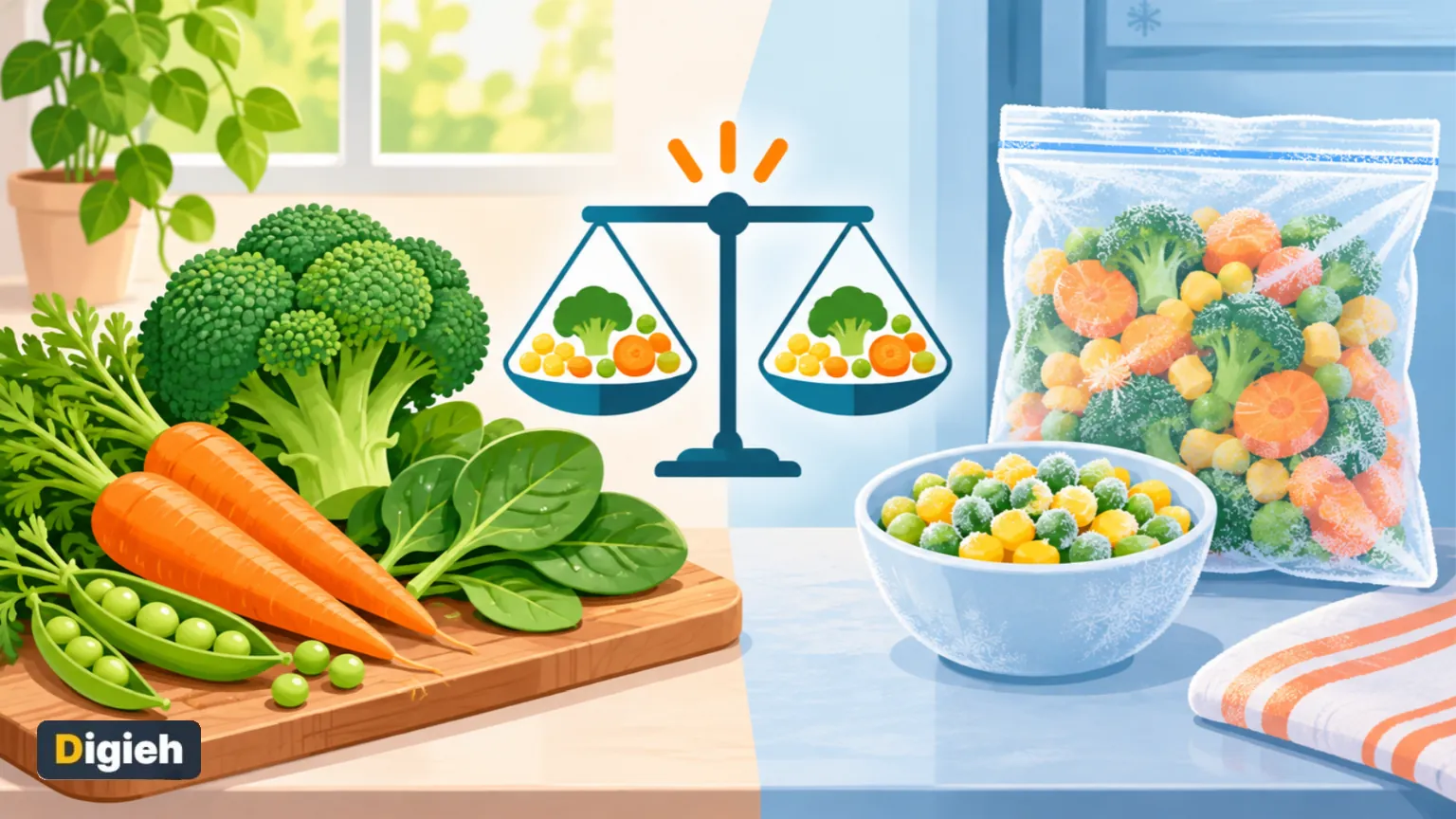
Frozen vegetables are often just as healthy as fresh ones. A 2017 study found no major vitamin differences in most comparisons. Frozen produce often beat fresh produce that sat in the fridge for five days.
Both fresh and frozen count toward your daily vegetables, according to MyPlate. The best choice is the one you will actually eat, prepared without too much salt, butter or sugar.
This guide compares nutrition, cost, taste and convenience, and shows how to get the most from each.
Key Takeaways
- Fresh, frozen, canned and dried vegetables all count toward your daily goal.
- Growers pick frozen vegetables ripe and freeze them quickly, which locks in nutrients.
- Fresh produce loses some vitamins the longer it sits in the fridge.
- Frozen vegetables cost less per serving and cut food waste.
- Watch for added sauces, salt and sugar on packaged products.
Inside this guide
- What the research says
- Why frozen holds up so well
- When fresh is the better pick
- Fresh vs frozen compared
- How to choose frozen vegetables
- How to cook frozen vegetables
- What about canned vegetables?
- Tips to eat more vegetables
- Frequently asked questions
What the Research Says
Researchers tested eight common foods in three forms. They compared fresh produce, produce stored in the fridge for five days and frozen produce.
The study, published in the Journal of Food Composition and Analysis, measured vitamin C, provitamin A and folate. The foods were broccoli, cauliflower, corn, green beans, peas, spinach, blueberries and strawberries.
In most comparisons, the authors found no significant differences in vitamin content. When differences did appear, frozen produce came out ahead of fridge-stored produce more often than the reverse.
The authors concluded the results do not support the belief that fresh produce is far more nutritious than frozen.
8Fruits and vegetables tested fresh, fridge-stored and frozen in a 2017 nutrient study, per Montclair State University.
Why Frozen Vegetables Hold Up So Well
Growers pick most frozen vegetables when ripe and freeze them within hours. Freezing slows the natural breakdown of vitamins.
Many vegetables are briefly blanched in hot water before freezing. Blanching can reduce a little vitamin C, but it also stops enzymes that would cause more loss over time.
Fresh produce, by contrast, may travel for days before it reaches the store. Then it may sit in your fridge for several more days before you eat it.
Good to know. Freshly picked produce from a garden or farmers market, eaten right away, is hard to beat. The advantage shrinks the longer it sits.
Eating fresh produce raw? First learn how to wash fruits and vegetables the safe way.
When Fresh Is the Better Pick
- Salads, since frozen lettuce and cucumbers turn limp
- Dishes where crisp texture matters, like crudites and slaws
- Vegetables in season, when they taste best and cost less
- Produce you will eat within a day or two of buying
Fresh produce shines in raw dishes. Frozen vegetables work best when cooked, since freezing softens their texture.
Which do you buy more often?
- Fresh vegetables
- Frozen vegetables
- About the same
- Not sure
Fresh vs Frozen Vegetables Compared
| Factor | Fresh | Frozen |
|---|---|---|
| Nutrition | Excellent when eaten soon after picking | Often equal, especially vs fridge-stored fresh |
| Taste and texture | Best for raw dishes | Best when cooked |
| Cost per serving | Varies by season | Often lower and steady |
| Shelf life | Days to a week or two | Months in the freezer |
| Food waste | Higher if forgotten | Low, use only what you need |
| Prep time | Washing and chopping | Ready to cook |
How Much Vegetables You Need
MyPlate, the federal nutrition guide, says vegetables can be fresh, frozen, canned or dried. They can be raw or cooked, whole or cut up.
| Group | Daily vegetables |
|---|---|
| Women 19 to 50 | 2 and a half cups |
| Women 51 and older | 2 cups |
| Men 19 to 50 | 3 cups |
| Men 51 and older | 2 and a half cups |
MyPlate notes these amounts are for people who get less than 30 minutes of moderate activity a day. Active people may need more.
The guide also says diets rich in vegetables and fruits may lower the risk of heart disease. Vegetables add fiber and potassium, which many Americans lack.
How to Choose Frozen Vegetables
- Pick plain vegetables with one ingredient on the label.
- Skip bags with heavy sauces, cheese or butter.
- Check sodium on seasoned mixes.
- Avoid bags with large ice crystals or frozen clumps, a sign of thawing and refreezing.
- Choose resealable bags so you can use a little at a time.
Steam-in-bag options are handy for quick sides. Check that the label says the bag is safe for the microwave, and follow the directions.
Quick tip. Keep three or four bags of plain frozen vegetables on hand. You will always have a quick side or stir-fry base ready.
Frozen vegetables roast well too. See our roasted vegetables recipe.
Cooking fresh sprouts instead? See our guide on how to cook Brussels sprouts that taste great.
How to Cook Frozen Vegetables
Cooking frozen vegetables well makes a big difference in taste and texture.
- Roast them straight from frozen at high heat with a little oil.
- Stir-fry them in a hot pan without thawing first.
- Steam briefly so they stay bright and tender.
- Add them directly to soups, stews and pasta sauces.
- Avoid boiling for long, which makes them mushy and leaches nutrients.
Do not thaw first for most methods. Thawing releases water and can make vegetables soggy.
Frozen vegetables are perfect for our easy vegetable soup recipe.
Cost and Food Waste
Frozen vegetables usually cost less per serving than fresh, especially out of season. Their prices also stay steadier through the year.
Because they last for months, you use only what you need and save the rest. That means less produce wilting in the drawer and less money in the trash.
Fresh produce in season can be a great deal too. Buy fresh when prices drop and stock up on frozen for the rest of the year.
Prefer fresh when you can? See which winter fruits and vegetables are in season.
Free updates
Join the Digieh list
Be the first to know when our weekly brief launches.
No spam. Unsubscribe anytime. Read our Privacy Policy.
Best Vegetables to Buy Frozen
- Peas and corn, which are frozen at peak sweetness
- Spinach and kale for cooking and smoothies
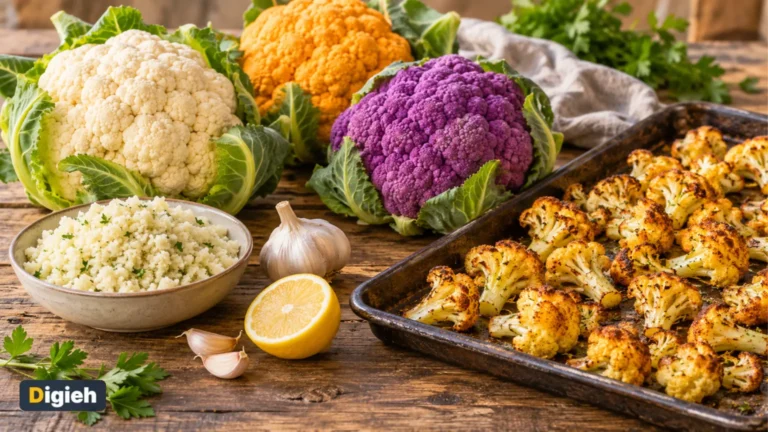
- Broccoli and cauliflower florets for roasting
- Green beans for quick sides
- Mixed stir-fry blends for fast dinners
These hold their flavor and texture well once cooked. Leafy salad greens, cucumbers and radishes are better bought fresh.
Freezing Your Own Vegetables
You can freeze extra fresh vegetables at home. Wash and cut them, then blanch briefly in boiling water and cool them in ice water.
Dry them well, spread them on a tray to freeze, then pack them into labeled bags. This keeps pieces from clumping together.
What About Canned Vegetables?
Canned vegetables also count toward your daily goal, according to MyPlate. They last a long time and are budget friendly.
Choose cans labeled low sodium or no salt added when possible. Rinsing canned vegetables under water can wash away some of the added salt.
Canning uses heat, which can lower some vitamins. Even so, canned vegetables still provide fiber and many nutrients.
Frozen Vegetables for Busy Weeknights
Frozen vegetables make healthy dinners faster. There is no washing, peeling or chopping, so you can cook a side in minutes.
- Toss frozen stir-fry vegetables into a hot pan with sauce and leftover rice.
- Add a handful of frozen spinach to soups or pasta at the end of cooking.
- Roast frozen broccoli and chickpeas on one tray for an easy bowl.
- Stir frozen peas into macaroni and cheese for kids.
These swaps add vegetables to meals you already make.
Make Fresh Produce Last Longer
If you prefer fresh, store it well and eat it soon. The fewer days it sits, the more nutrients it keeps.
Our guide on how to store fruits and vegetables explains what goes in the fridge, pantry and on the counter. A clean fridge helps too, as our fridge cleaning guide shows.
Tips to Eat More Vegetables
- Add frozen spinach to smoothies, eggs and pasta.
- Keep cut fresh vegetables at eye level in the fridge for snacks.
- Fill half your plate with vegetables at dinner.
- Mix frozen peas or corn into rice and grain bowls.
- Try a new vegetable each week.
Combining fresh and frozen gives you the best of both. Use fresh for salads and snacks, and frozen for quick cooked meals.
Your Fresh and Frozen Checklist
- I keep plain frozen vegetables on hand
- I buy fresh produce I will eat within a few days
- I check labels for sauces, salt and sugar
- I roast or steam frozen vegetables without thawing
- I aim for my daily vegetable goal
Try this today. Roast a bag of frozen broccoli at high heat with olive oil and garlic. It may change how you see frozen vegetables.
Test Yourself
What did the 2017 study find about frozen produce?
- It has almost no vitamins
- It often matches or beats fridge-stored fresh produce
- It is always less healthy than fresh
Most comparisons showed no significant differences, and frozen often beat fridge-stored fresh produce.
Do frozen vegetables count toward your daily vegetable goal?
- Yes
- No
- Only if thawed
MyPlate says fresh, frozen, canned and dried vegetables all count.
Frequently Asked Questions
Are frozen vegetables processed food?
Plain frozen vegetables are minimally processed. They are usually just washed, blanched and frozen.
Do frozen vegetables lose nutrients over time?
They slowly lose some quality over many months. Use them within the time on the package for best results.
Can I refreeze thawed vegetables?
It is best not to, since quality drops. Cook thawed vegetables and refrigerate leftovers.
Are frozen fruits healthy too?
Yes. The 2017 study included frozen berries and found similar results.
Conclusion
Frozen vegetables are a healthy, affordable choice that often matches fresh produce. Fresh shines in raw dishes, while frozen wins for convenience and less waste.
Mix both, choose plain products and cook them well to enjoy more vegetables every day.
Found this useful?
Editor’s Note
This guide is accurate as of November 9, 2026. It draws on MyPlate guidance and a 2017 peer-reviewed study in the Journal of Food Composition and Analysis.
This article is general information. Ask a doctor or registered dietitian about your personal nutrition needs.
Spot an error in this article? Please contact us at support@digieh.com or read our Corrections Policy.
Keep exploring
Your next read is waiting
 1MedicinesBlood Pressure Medicines Explained: Main Types and Uses9 min read
 2Fruits & VegetablesGrapes Health Benefits: Red, Green and Black Compared9 min read
 3FashionHow to Clean White Sneakers So They Shine9 min read
 4Travel & TourismHow to Pack a Carry-On for a Week9 min read
 5AI & TechHow to Use AI for Smarter Holiday Shopping9 min read
 6Science & DiscoveriesQuadrantid Meteor Shower 2027: Best Time to Watch9 min read