TRENDING
Easy Oven Roasted Vegetables Recipe With Crispy Edges

8 min read
Last updated November 10, 2026
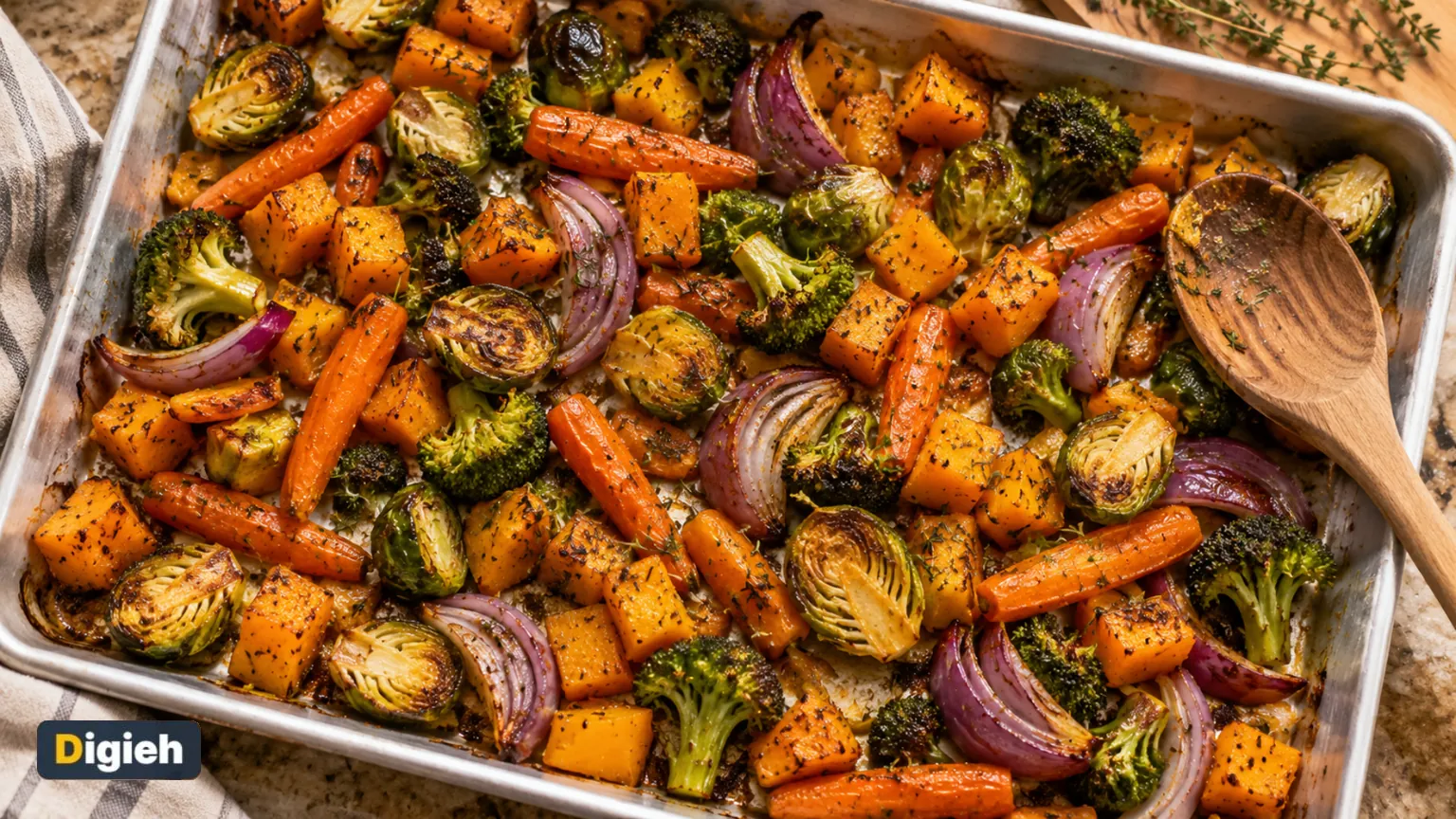
For crispy oven roasted vegetables, cut them into even pieces and toss them with a little oil and salt. Then spread them in one layer. Roast at about 400 to 425 degrees Fahrenheit until browned at the edges, stirring once halfway.
High heat and space on the pan are the two secrets. Crowded vegetables steam and turn soft instead of crisp.
This guide gives a simple base recipe, a roasting time chart, flavor ideas and tips for storing leftovers safely.
Key Takeaways
- Most vegetables roast best at 400 to 425 degrees Fahrenheit.
- Cut pieces the same size so they cook evenly.
- Use a light coat of oil and do not crowd the pan.
- Stir once halfway for even browning.
- Refrigerate leftovers within two hours and eat them within three to four days.
Jump to a section
- Basic recipe
- Roasting time chart
- Secrets to crispy edges
- Mixing vegetables
- Flavor combinations
- Turn it into a meal
- Storing leftovers
- Common mistakes
- Frequently asked questions
Why Roast Vegetables
Roasting brings out natural sweetness and gives vegetables golden, crispy edges. Even people who dislike steamed vegetables often enjoy them roasted.
It is also hands-off. Once the pan is in the oven, you are free to cook the rest of dinner.
USDA MyPlate encourages eating a variety of vegetables from all subgroups. Roasting makes it easy to mix colors on one pan.
400 to 425 degreesThe roasting range for most vegetables, per Oregon State University Extension Food Hero.
Basic Oven Roasted Vegetables Recipe
This base recipe serves about four people as a side dish.
Ingredients
- About two pounds of mixed vegetables
- Two tablespoons of olive oil
- Half a teaspoon of salt
- A quarter teaspoon of black pepper
- Optional garlic powder, dried herbs or paprika
Steps
- Heat the oven to 425 degrees Fahrenheit with a rack in the middle.
- Wash and dry the vegetables well.
- Cut them into even pieces about one inch wide.
- Toss with oil and seasonings in a large bowl.
- Spread in one layer on a large baking sheet.
- Roast for 20 to 30 minutes, stirring once halfway.
- Taste, adjust the salt and serve hot.
The University of Kentucky Extension suggests roasting uncovered on the middle rack at 375 degrees or higher. Vegetables are ready when they soften and take on nice color.
Quick tip. Heat the empty baking sheet in the oven while you chop. Vegetables sizzle on contact and brown faster.
Roasting Time Chart
Oregon State University Extension publishes a handy chart through its Food Hero program. Here are its times for common vegetables.
| Vegetable | Temperature | Time |
|---|---|---|
| Asparagus | 400 degrees | 12 to 15 minutes |
| Zucchini sticks | 400 degrees | 12 to 15 minutes |
| Green beans | 425 degrees | 15 to 18 minutes |
| Red potato cubes | 400 degrees | About 20 minutes |
| Onion quarters | 425 degrees | 20 to 25 minutes |
| Carrot sticks | 400 degrees | 20 to 30 minutes |
| Brussels sprouts | 400 degrees | 20 to 30 minutes |
| Cauliflower | 400 degrees | About 30 minutes |
| Potato wedges | 450 degrees | About 30 minutes |
| Bell pepper halves | 450 degrees | 30 to 35 minutes |
Times depend on piece size and your oven. Start checking a few minutes early.
Secrets to Crispy Edges
- Dry vegetables well after washing, since water causes steaming.
- Use enough oil to coat lightly, but not so much that they get soggy.
- Give each piece space on the pan.
- Use two pans if needed instead of piling vegetables.
- Roast at high heat and do not cover the pan.
- Season with salt after tossing in oil so it sticks.
Food Hero recommends mixing oil and seasonings first, then coating the vegetables and spreading them flat. It also suggests stirring once halfway through.
Which vegetable do you love most when roasted?
- Potatoes
- Brussels sprouts
- Carrots
- Not sure
Mixing Vegetables on One Pan
Different vegetables cook at different speeds. Group them by cooking time so everything finishes together.
| Group | Vegetables | Tip |
|---|---|---|
| Slow | Potatoes, carrots, beets, winter squash | Start these first |
| Medium | Brussels sprouts, cauliflower, onions, broccoli | Add after 10 minutes |
| Fast | Zucchini, asparagus, cherry tomatoes, peppers | Add for the last 10 to 15 minutes |
Cutting slow vegetables smaller also helps them keep pace with quicker ones. Another option is to roast each group on its own pan, then combine them in a big bowl at the end.
Best Winter Vegetables to Roast
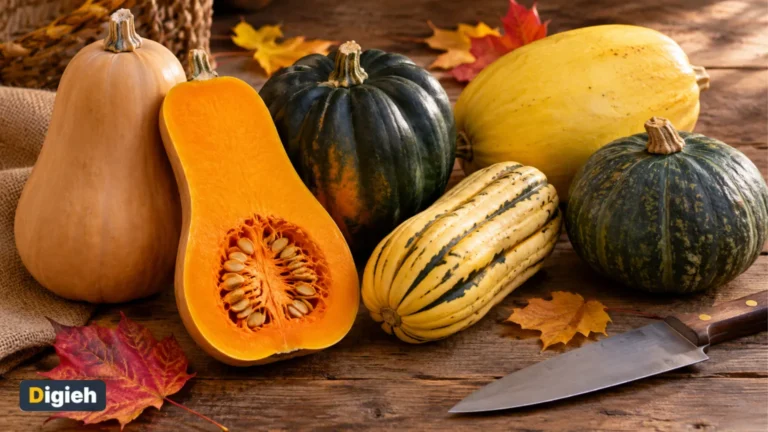
- Butternut squash for sweet, caramel flavor
- Brussels sprouts for crispy outer leaves
- Carrots and parsnips for natural sweetness
- Sweet potatoes for soft centers and browned edges
- Cauliflower and broccoli for nutty, toasted bits
See what is fresh now in our guide to winter fruits and vegetables in season.
Weighing your starch options? Read sweet potato vs potato for a nutrition comparison.
Flavor Combinations
| Style | Add before roasting | Add after roasting |
|---|---|---|
| Classic herb | Garlic powder, thyme, rosemary | Fresh parsley |
| Mediterranean | Oregano, smoked paprika | Lemon juice, feta |
| Sweet and spicy | Chili powder, cumin | A drizzle of honey |
| Parmesan | Garlic, black pepper | Grated Parmesan |
| Asian inspired | Sesame oil, ginger | Soy sauce, sesame seeds |
Add fresh herbs, cheese and sauces after roasting. High heat can burn delicate herbs and cheese.
Turn It Into a Meal
- Toss roasted vegetables with cooked pasta and olive oil.
- Pile them over rice or quinoa with a fried egg.
- Add chickpeas to the pan for a protein boost.
- Fill wraps with roasted vegetables and hummus.
- Blend leftovers into a quick soup.
Sheet pan dinners save cleanup. Roast chicken thighs or salmon on one side and vegetables on the other.
Holiday Roasted Vegetables
A big tray of roasted vegetables is an easy holiday side. It frees up the stove for gravy and other dishes.
- Roast root vegetables earlier and reheat before serving.
- Add dried cranberries and pecans for a festive touch.
- Use two sheet pans to avoid crowding.
Planning a feast? Browse our Thanksgiving side dishes for more ideas.
Prep Ahead Tips
- Wash and cut sturdy vegetables a day or two ahead.
- Store them in sealed containers in the fridge.
- Keep cut potatoes in cold water to stop browning, then dry well.
- Toss with oil and seasonings just before roasting.
Our guide on how to wash fruits and vegetables covers safe prep.
Free updates
Join the Digieh list
Be the first to know when our weekly brief launches.
No spam. Unsubscribe anytime. Read our Privacy Policy.
Storing and Reheating Leftovers
The USDA Food Safety and Inspection Service says to refrigerate leftovers within two hours of cooking. Leftovers keep for three to four days in the fridge.
FSIS also says frozen leftovers are best within three to four months. Reheat leftovers to 165 degrees Fahrenheit.
- Reheat in a hot oven or air fryer to bring back the crisp edges.
- Spread leftovers in a single layer when reheating.
- Avoid the microwave if you want crispy texture.
Food safety. Throw out roasted vegetables left at room temperature for more than two hours, or one hour above 90 degrees Fahrenheit.
Equipment That Helps
- A large rimmed baking sheet gives vegetables room.
- Dark metal pans brown faster than light ones.
- Parchment paper makes cleanup easy.
- A thin metal spatula helps flip pieces without breaking them.
- An oven thermometer shows whether your oven runs hot or cold.
Glass baking dishes hold moisture and brown less. Save them for casseroles and use metal sheets for roasting.
Roasting Vegetables in an Air Fryer
An air fryer works like a small, powerful convection oven. It is great for small batches.
- Toss vegetables with a little oil and seasoning.
- Spread them in the basket without piling.
- Cook at about 375 to 400 degrees, shaking the basket halfway.
- Check early, since air fryers often cook faster than ovens.
Cook in batches for larger families. A crowded basket gives the same soggy result as a crowded pan.
Roasted Vegetables for Kids
Roasting makes vegetables sweeter and crunchier, which many children prefer.
- Cut vegetables into fun shapes like sticks or coins.
- Let kids choose the seasoning.
- Serve with a yogurt or hummus dip.
- Start with sweet options like carrots and sweet potatoes.
A Note on Oil and Nutrition
A little oil helps vegetables brown and helps your body absorb some vitamins. Olive oil and other plant oils are good choices.
You do not need a lot. A light, even coat works better than a heavy pour, which can make vegetables greasy.
Roasting vs Other Methods
Roasting gives the most flavor, while steaming keeps vegetables bright and tender. Both are healthy when you use oil lightly.
For a nutrient comparison of cooking methods, see our guide on the best way to cook broccoli.
Troubleshooting Guide
| Problem | Likely cause | Fix |
|---|---|---|
| Burnt edges, raw centers | Pieces too large or heat too high | Cut smaller or lower the heat slightly |
| Pale and soft | Crowded pan or low heat | Spread out and raise the heat |
| Greasy | Too much oil | Use a lighter coat |
| Stuck to the pan | No oil or parchment | Line the pan or oil it lightly |
| Bland flavor | Too little salt | Season well and add acid after roasting |
Keep notes on what works in your oven. Every oven has hot spots, so rotating the pan halfway also helps.
Roasting on a Budget
Roasted vegetables are one of the cheapest healthy sides. A few habits stretch your money even further.
- Buy vegetables in season, when prices are lowest.
- Use frozen vegetables, which roast well at high heat.
- Roast odds and ends from the fridge before they spoil.
- Buy whole vegetables instead of pre-cut ones.
A weekly clean-out roast is a smart way to cut food waste. Whatever is left in the crisper drawer goes on the pan.
Common Mistakes
| Mistake | Better choice |
|---|---|
| Crowding the pan | Use two pans |
| Uneven pieces | Cut to the same size |
| Wet vegetables | Dry them well |
| Low oven heat | Roast at 400 degrees or higher |
| Adding cheese too early | Add it after roasting |
| Covering with foil | Roast uncovered |
Your Roasted Vegetables Checklist
- Heat the oven to 400 to 425 degrees
- Cut vegetables into even pieces
- Dry and toss lightly with oil
- Spread in one layer
- Stir once halfway
- Refrigerate leftovers within two hours
Try this today. Roast one pan of carrots and Brussels sprouts with olive oil and garlic. Use the leftovers in tomorrow’s lunch bowl.
Test Yourself
What is the main cause of soggy roasted vegetables?
- Using olive oil
- Crowding the pan
- Stirring halfway
Crowded vegetables trap steam, so they soften instead of browning.
Frequently Asked Questions
What temperature is best for roasting vegetables?
Most vegetables roast well at 400 to 425 degrees Fahrenheit.
Should I cover vegetables when roasting?
No. Roast them uncovered so moisture can escape and edges can brown.
Can I roast frozen vegetables?
Yes. Roast them from frozen at high heat and spread them well.
How long do roasted vegetables last?
Three to four days in the fridge, according to USDA guidance.
Conclusion
Oven roasted vegetables are simple, flexible and full of flavor. Cut them evenly, use high heat and give them space for crispy edges every time.
Try a new vegetable or seasoning blend each week to keep dinners exciting.
Found this useful?
Editor’s Note
This recipe is accurate as of November 10, 2026. Roasting times come from Oregon State University Extension Food Hero. Tips come from University of Kentucky Extension, with food safety guidance from USDA.
Ovens vary, so watch your vegetables closely.
Spot an error in this article? Please contact us at support@digieh.com or read our Corrections Policy.
Keep exploring
Your next read is waiting
 1MedicinesIs Taurine Safe? The Truth About Energy Drinks9 min read
 2Fruits & VegetablesTomato Health Benefits and Why Cooking Can Help9 min read
 3FashionHow to Iron a Shirt Quickly and Perfectly9 min read
 4AI & TechHow to Use AI for Smarter Holiday Shopping9 min read
 5Finance & MarketsAnthropic IPO Explained: Date, Ticker and Key Numbers5 min read
 6Travel & TourismHow to Pack a Carry-On for a Week9 min read