TRENDING
Best Way to Cook Broccoli and Keep Nutrients


9 min read
Last updated November 10, 2026
The best way to cook broccoli and keep its nutrients is to steam it. Microwaving with very little water works well too. Stop when it turns bright green and just tender.
Boiling in lots of water pulls out vitamin C and other helpful compounds.
Short cooking times matter as much as the method. Bright green, crisp-tender broccoli tastes better and keeps more of its goodness.
This guide compares every common method, shares simple cooking steps and explains how to buy, store and freeze broccoli.
Key Takeaways
- Steaming and microwaving with little water keep the most nutrients.
- Long boiling causes the biggest nutrient losses.
- Cook just until bright green and fork tender.
- Eat the stems too, since they are tender and nutritious once peeled.
- Frozen broccoli is a healthy, convenient option.
Jump to a section
- Why cooking method matters
- Cooking methods compared
- How to steam broccoli
- How to microwave broccoli
- How to roast broccoli
- Raw vs cooked
- Buying and storing
- Freezing broccoli
- Frequently asked questions
Why Broccoli Is Worth Eating
Ohio State University Extension calls broccoli an excellent source of vitamins A and C, potassium, folate and fiber. A cooked one-cup serving has about 45 calories.
Broccoli belongs to the cabbage family, along with cauliflower, Brussels sprouts and kale. USDA MyPlate places it in the dark green vegetable group.
It also contains natural plant compounds called glucosinolates. Researchers study these for their possible health benefits.
About 45 caloriesIn one cup of cooked broccoli, according to Ohio State University Extension.
Why Cooking Method Matters
Some nutrients in broccoli dissolve in water. Others break down with heat and time.
Ohio State Extension notes that vitamin C leaks into cooking water. That is why it suggests steaming broccoli or cooking it in a small amount of liquid.
Researchers at the University of Warwick tested several methods on broccoli. They found that boiling caused clear losses of glucosinolates, and losses grew with longer boiling, News-Medical reported.
| Boiling time | Glucosinolate loss reported |
|---|---|
| 5 minutes | About 15 percent |
| 10 minutes | About 40 percent |
| Up to 30 minutes | About 77 percent |
The same team found steaming, microwaving and stir-frying did not cause the same big losses. They warned that microwaving in too much water can act like boiling.
Cooking Methods Compared
| Method | Nutrient retention | Flavor and texture |
|---|---|---|
| Steaming | Excellent | Bright, tender, mild |
| Microwaving with little water | Excellent | Quick and tender |
| Stir-frying | Good | Crisp with a light char |
| Roasting | Good | Nutty, crispy edges |
| Short boiling or blanching | Fair | Soft and bright |
| Long boiling | Poor | Soft, dull and strong smelling |
Quick tip. Stop cooking when broccoli turns bright green. Dull olive color means it has gone too far.
How to Steam Broccoli
- Cut florets into even pieces about one inch wide.
- Peel thick stems and slice them into coins.
- Bring about an inch of water to a boil in a pot.
- Place the broccoli in a steamer basket above the water.
- Cover and steam for about four to six minutes.
- Test with a fork, then season and serve.
Ohio State Extension suggests cutting florets into uniform pieces about one inch wide. Even pieces cook at the same speed.
How to Microwave Broccoli
- Place florets in a microwave-safe bowl.
- Add two or three tablespoons of water.
- Cover with a microwave-safe lid or plate, leaving a small vent.
- Cook on high for about two to four minutes.
- Let it stand for a minute, then drain any water.
Microwaves vary, so start with less time and add more as needed. Keep the water to a small splash to protect nutrients.
How to Roast Broccoli
Roasting turns broccoli nutty and crisp. It is the method that wins over many picky eaters.
- Heat the oven to about 425 degrees Fahrenheit.
- Toss florets with olive oil, salt and pepper.
- Spread them in one layer on a baking sheet.
- Roast for about 15 to 20 minutes, turning once.
- Finish with lemon juice or grated cheese.
Do not crowd the pan. Crowded broccoli steams instead of browning.
How to Stir-Fry Broccoli
- Heat a little oil in a wok or large pan over high heat.
- Add florets and stir often for three to five minutes.
- Add a splash of water and cover for a minute if needed.
- Toss with garlic, ginger or a little soy sauce.
How do you usually cook broccoli?
- Steamed
- Roasted
- Boiled
- Not sure
Raw vs Cooked Broccoli
Raw broccoli keeps all its vitamin C, and it adds crunch to salads and snack plates. Ohio State Extension suggests raw florets for relish trays and salads.
Lightly cooked broccoli is easier to chew and digest for many people. It also tastes milder.
Eating a mix of raw and lightly cooked broccoli gives you variety. We explain a similar question in our guide on spinach raw vs cooked.
Do Not Toss the Stems
Broccoli stems are sweet and tender once you peel the tough outer skin. Ohio State Extension suggests peeling coarse stalks and splitting thick ones.
- Slice peeled stems into coins for stir-fries.
- Shred them into slaw.
- Add them to soups and blend.
- Roast them alongside the florets.
How to Buy Broccoli
- Look for dark green heads with tight, firm buds.
- Choose tender stalks that are not woody.
- Avoid yellow flowers, which signal old broccoli.
- Skip heads with soft spots or a strong smell.
Ohio State Extension notes that yellow flowers in the buds can mean the broccoli is old and tough.
How to Store Broccoli
Michigan State University Extension suggests storing broccoli in a plastic bag with holes in the fridge. Use it within about three days.
MSU also notes that vitamin content drops the longer you store fresh broccoli. Buy what you can use within a few days.
- Do not wash broccoli until just before cooking.
- Rinse under cool running water only.
- Keep it away from ethylene-producing fruits like apples.
See our guide on how to store fruits and vegetables for more produce tips.
Freezing Broccoli
MSU Extension calls freezing the best way to preserve broccoli. It says frozen broccoli may even be more healthful than some fresh produce that has sat for days.
- Cut broccoli into even florets.
- Blanch in boiling water or steam for a few minutes.
- Cool quickly in ice water.
- Drain well and pat dry.
- Freeze flat on a tray, then pack in freezer bags.
Good to know. Cook frozen broccoli straight from the freezer. Thawing first can make it soggy.
Free updates
Join the Digieh list
Be the first to know when our weekly brief launches.
No spam. Unsubscribe anytime. Read our Privacy Policy.
Flavor Ideas
Ohio State Extension suggests tossing cooked broccoli with lemon and a little butter or olive oil. It also pairs well with basil, dill, oregano, tarragon and curry powder.
- Garlic and lemon zest
- Parmesan and black pepper
- Sesame oil and toasted sesame seeds
- Chili flakes and a squeeze of lime
Broccoli for Kids
Many children like broccoli more after you roast it until crisp. Call the florets little trees to make them fun.
- Serve raw florets with a yogurt dip.
- Chop broccoli finely into pasta sauce.
- Add it to cheesy egg muffins.
Broccoli and Its Cousins
Broccoli shares its family with many other healthy vegetables. The same cooking rules apply to most of them.
| Vegetable | Best quick method |
|---|---|
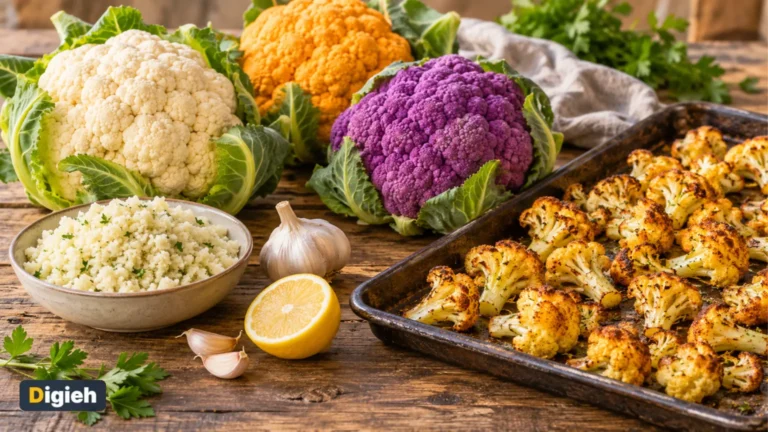
| Cauliflower | Roast or steam |
| Brussels sprouts | Roast until crisp |
| Cabbage | Saute or eat raw in slaw |
| Kale | Saute briefly or massage raw |
| Broccolini | Steam or grill |
The Warwick team also found long boiling caused big losses in Brussels sprouts, cauliflower and green cabbage. Short, gentle cooking helps all of them.
Broccoli and Gas
Broccoli is high in fiber, and some people feel bloated after eating a lot of it. That is normal and usually mild.
- Start with small portions if you are not used to fiber.
- Cook it lightly, since cooked broccoli is often easier to digest.
- Drink plenty of water with high-fiber meals.
- Add more fiber to your diet slowly over a few weeks.
If bloating is severe or comes with pain, talk with your doctor.
Common Broccoli Mistakes
| Mistake | Better choice |
|---|---|
| Boiling too long | Steam or microwave briefly |
| Using lots of water | Use just a splash |
| Throwing away stems | Peel and cook them |
| Crowding the roasting pan | Spread in one layer |
| Storing for a week | Use within a few days |
Meal Prep With Broccoli
Broccoli is great for weekly meal prep. A little planning keeps it fresh and tasty for several days.
- Wash and cut florets on prep day, then dry them well.
- Store cut broccoli in a container lined with a paper towel.
- Steam a batch slightly underdone so it reheats without turning mushy.
- Keep sauces separate until you are ready to eat.
- Use cooked broccoli within three to four days.
Reheat broccoli quickly in a microwave or pan. Long reheating dulls the color and flavor.
Broccoli in Soups and Sauces
If you love broccoli soup, you can still keep nutrients. When broccoli cooks in the soup, the nutrients that leave the vegetable stay in the broth you eat.
Add broccoli near the end of cooking and simmer just until tender. Then blend it for a creamy texture without heavy cream.
Build Balanced Meals
Broccoli pairs well with almost any protein and grain. Try it with salmon and rice, in a chicken stir-fry or tossed with pasta and olive oil.
Add color with orange vegetables. Our guide on sweet potato vs potato shows how to pick a healthy starch.
For more winter wellness ideas, read about supporting your immune system this winter.
Your Broccoli Cooking Checklist
- Cut florets into even pieces
- Peel and use the stems
- Steam or microwave with little water
- Stop when bright green and tender
- Store in a vented bag for a few days
- Freeze extra after blanching
Try this today. Steam one batch of broccoli for four minutes and roast another. Taste both and decide your family favorite.
Test Yourself
Which cooking method keeps the most nutrients in broccoli?
- Steaming
- Boiling for 30 minutes
- Deep frying
Steaming keeps broccoli out of the water, so fewer nutrients leach away. Long boiling caused the largest losses in the Warwick study.
Frequently Asked Questions
Is steamed broccoli healthier than boiled?
Yes. Steaming keeps more vitamin C and glucosinolates than boiling.
How long should I steam broccoli?
About four to six minutes, until bright green and fork tender.
Is frozen broccoli healthy?
Yes. It is frozen soon after harvest and keeps its nutrients well.
Can I eat broccoli raw?
Yes. Raw broccoli is safe and crunchy. Wash it well first.
Conclusion
The best way to cook broccoli is quick and gentle. Steam it or microwave it with a splash of water until bright green, and skip long boiling. Then season it simply with fresh lemon and olive oil.
Use the stems, store it well and keep frozen broccoli on hand for busy nights.
Found this useful?
Editor’s Note
This guide is accurate as of November 10, 2026. It uses guidance from Ohio State University Extension, Michigan State University Extension and USDA MyPlate. It also cites University of Warwick research reported by News-Medical.
Cooking times are approximate, so adjust for your stove and microwave.
Spot an error in this article? Please contact us at support@digieh.com or read our Corrections Policy.
Keep exploring
Your next read is waiting
 1Fruits & VegetablesIron Rich Vegetables for Vegetarians and Better Absorption9 min read
 2MedicinesVitamin B12 Deficiency Signs and Who Needs Supplements9 min read
 3Travel & TourismHow to Pack a Carry-On for a Week9 min read
 4AI & TechClaude Fable 5.2 and Mythos 5.2: What Changed4 min read
 5FashionNew Year’s Eve Outfit Ideas for Every Party9 min read
 6Science & DiscoveriesQuadrantid Meteor Shower 2027: Best Time to Watch9 min read