TRENDING
Clementine vs Mandarin vs Tangerine: What Is Different?

9 min read
Last updated November 10, 2026
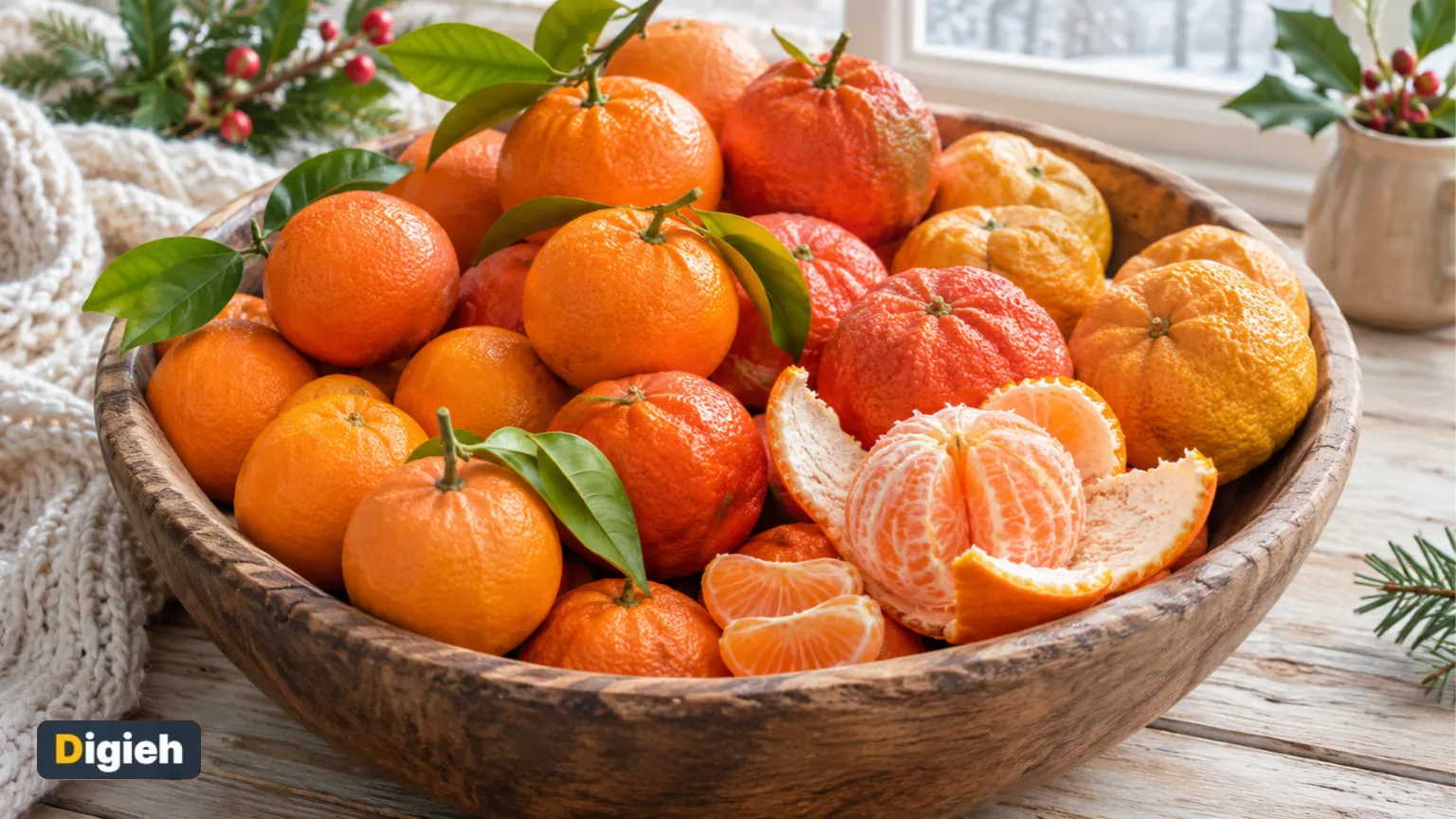
Mandarin is the big family name. Clementines and satsumas are types of mandarins, and tangerine is a loose name for some mandarins with reddish orange skin.
UC Master Gardeners sum it up simply. A mandarin is a mandarin, and so is a tangerine.
This guide explains the differences in taste, peel, seeds and season. It also covers nutrition and how to pick the best fruit this winter.
Quick note. This article shares general food information. Ask your pharmacist about citrus if you take medicines that interact with grapefruit, since some citrus relatives can carry similar warnings.
Key Takeaways
- Mandarins are a large group of loose-skinned citrus.
- Clementines are a type of mandarin, usually seedless.
- Tangerine has no botanical standing and is mostly a market name.
- Satsumas are the easiest to peel and the most cold hardy.
- One clementine has about 35 calories and 40 percent of daily vitamin C.
Jump to a section
- The mandarin family
- Side by side
- Clementines
- Tangerines
- Satsumas
- Nutrition
- Buying and storing
- Ways to enjoy them
- Frequently asked questions
The Mandarin Family
UC Master Gardeners explain that all loose-skinned, cold-hardy citrus are mandarins. Botanists call them Citrus reticulata.
Mandarins are the largest and most varied citrus group. They likely began in China and later spread across Asia and to the Mediterranean.
UC Davis notes that mandarins include Clementine, Satsuma and many other cultivars. It adds that the word tangerine is often used interchangeably with mandarin.
35Calories in one clementine, according to University of Minnesota Extension.
Clementine vs Mandarin vs Tangerine at a Glance
| Fruit | What it is | Seeds | Peel |
|---|---|---|---|
| Mandarin | The whole family | Varies by type | Loose and easy |
| Clementine | A mandarin type from Algeria | Usually seedless | Easy to peel |
| Tangerine | A market name for reddish mandarins | Often has seeds | Easy to peel |
| Satsuma | A mandarin type from Japan | Seedless | Very loose and easiest |
So every clementine is a mandarin, but not every mandarin is a clementine. Tangerine is more of a label than a separate fruit.
Quick tip. Feel the weight. A mandarin that feels heavy for its size usually holds more juice.
What Is a Clementine?
UC Master Gardeners say growers selected clementines in Oran, Algeria, in the early 1900s. They were once called Algerian tangerines.
Clementines are small, sweet and usually seedless. UC Master Gardeners note they can develop seeds if another variety grows nearby for pollination.
Their skin peels easily, though not quite as loosely as a satsuma. That makes them a favorite lunchbox snack.
UC Davis explains that a popular brand of small citrus is a marketing name used to pack Clementine mandarins. Similar brands may switch to other mandarin types later in the season.
Which small citrus do you buy most?
- Clementines
- Tangerines
- Satsumas
- Not sure
What Is a Tangerine?
UC Master Gardeners state that the name tangerine has no botanical standing. It grew as a market term for reddish orange mandarins, such as the Dancy variety.
The name traces back to the port of Tangiers in Morocco. Mandarins passed through that region on their way to Europe.
Many people believe reddish skin plus seeds means tangerine. UC Master Gardeners note that this is a popular idea rather than a firm rule.
Fruits sold as tangerines often have a bolder, slightly tart flavor. Some have more seeds than clementines.
What Is a Satsuma?
Satsumas come from Japan, where growers developed them about 300 years ago. People love them for their very loose, easy to peel skin.
UF/IFAS Extension describes the satsuma tree as the most cold-tolerant citrus of commercial importance. It lists the fruit as seedless.
UF/IFAS says satsumas mature from October to December. The fruit does not hold well on the tree after ripening, so growers pick it promptly.
Satsumas bruise more easily than clementines because their skin is so loose. Handle them gently and eat them soon after buying.
Taste Comparison
| Fruit | Typical flavor |
|---|---|
| Clementine | Very sweet and mild |
| Tangerine | Sweet with a tart edge |
| Satsuma | Sweet, juicy and delicate |
| Navel orange | Sweet with more acidity |
Flavor varies by variety, growing region and ripeness. Tasting a few kinds through the season is the best way to find your favorite.
Mandarins vs Oranges
Mandarins are smaller and flatter than most oranges. Their skin is looser, so they peel by hand without a knife.
- Mandarins peel easily, while oranges cling to their skin.
- Mandarins separate into segments with less mess.
- Oranges are larger and often juicier per fruit.
- Both are rich in vitamin C.
Lemons belong to the same broad citrus family. Read our guide to lemon water benefits for another way to enjoy citrus.
Clementine Nutrition
University of Minnesota Extension lists these values for one clementine.
| Nutrient | Amount in one clementine |
|---|---|
| Calories | 35 |
| Protein | 1 gram |
| Carbohydrates | 9 grams |
| Fiber | 1 gram |
| Vitamin C | 40 percent of daily value |
The Extension notes that clementines can support healthy skin because of their high vitamin C. It also suggests eating a few through the day to boost fiber.
Tangerines and satsumas offer similar nutrition. All are low in calories and rich in vitamin C.
See our list of vitamin C foods and our guide to high fiber fruits and vegetables for more ideas.
Fresh vs Canned Mandarin Oranges
Canned mandarin oranges are peeled segments packed in juice or syrup. They are handy for salads and desserts when fresh fruit is out of season.
| Form | Pros | Watch out for |
|---|---|---|
| Fresh | Most fiber and flavor | Shorter shelf life |
| Canned in juice | Convenient and ready to eat | Softer texture |
| Canned in syrup | Sweet dessert option | Added sugar |
Choose cans packed in juice rather than heavy syrup. Drain the liquid to cut extra sugar before adding segments to a salad.
Citrus and Medicines
Grapefruit is well known for interacting with many medicines. Most sweet mandarins are not listed with the same warnings, but some citrus relatives can be.
If you take a medicine with a grapefruit warning, ask your pharmacist about other citrus. Our guide to grapefruit and medicine interactions explains the risk.
When Mandarins Are in Season
Mandarins peak in late fall and winter in the United States. UC Master Gardeners note that growers in the California foothills harvest from November through February.
| Type | Typical peak |
|---|---|
| Satsumas | Early, from fall into early winter |
| Clementines | Late fall through winter |
| Tangerines | Winter |
| Late season mandarins | Late winter into spring |
See what else is fresh in our guide to winter fruits and vegetables in season.
Free updates
Join the Digieh list
Be the first to know when our weekly brief launches.
No spam. Unsubscribe anytime. Read our Privacy Policy.
How to Choose Mandarins
University of Minnesota Extension advises choosing clementines that are soft to the touch, shiny and orange. Avoid wrinkled or blemished fruit.
- Pick fruit that feels heavy for its size.
- Look for bright, glossy skin.
- Skip fruit with soft, moldy spots.
- Check the bottom of mesh bags for crushed fruit.
How to Store Mandarins
The Extension says clementines keep two to three days at room temperature. In the fridge, they last two to three weeks.
- Keep a few on the counter for snacking.
- Refrigerate the rest in the crisper drawer.
- Remove any moldy fruit right away.
- Eat satsumas sooner, since they bruise easily.
Overripe citrus can attract pests. See our tips on how to get rid of fruit flies. Our guide on how to store fruits and vegetables has more.
Easy Ways to Enjoy Mandarins
- Pack them in lunchboxes.
- Add segments to green salads.
- Top yogurt or oatmeal with mandarin pieces.
- Zest them into muffins or pancakes.
- Serve them on a holiday cheese board.
Mandarins brighten a holiday charcuterie board and pair well with a Christmas breakfast casserole.
Grapes and mandarins make a colorful fruit plate together. Learn more in our guide to grapes health benefits.
A Holiday Tradition
Many families tuck a clementine or tangerine into the toe of a Christmas stocking. The bright fruit was once a special winter treat.
Looking for more ideas? Browse our list of stocking stuffer ideas under 25 dollars.
Mandarins for Kids
Easy peeling makes mandarins a great snack for kids. Let children peel their own fruit for a fun, hands-on snack.
For very young children, remove seeds and cut segments into small pieces. Always supervise little ones while they eat.
Other Mandarin Types to Try
| Type | What to know |
|---|---|
| Murcott, sometimes sold as honey tangerine | Very sweet, often with seeds |
| Dancy | A classic reddish tangerine type |
| W. Murcott | A later season mandarin |
| Tango | A low seed late season type |
| Kishu | Tiny, seedless and easy to peel |
Specialty mandarins often show up at farmers markets and grocery stores in late winter. Trying a new variety is an easy way to add variety to your fruit bowl.
Labels can be inconsistent from store to store. When in doubt, ask the produce staff or check the sticker on the fruit.
Growing Mandarins at Home
Mandarins are among the easier citrus to grow in mild climates. UF/IFAS notes that satsuma trees handle cold better than other commercial citrus.
- Choose a sunny, sheltered spot.
- Plant in well drained soil.
- Grow dwarf varieties in large pots in cooler regions.
- Move potted trees indoors or cover them during freezes.
Check with your local extension office for varieties suited to your area. Their advice is usually free and tailored to your climate.
Using Mandarin Peels
- Zest the peel into baked goods and dressings.
- Simmer peels with cinnamon for a natural home scent.
- Dry peels for homemade tea blends.
- Compost leftover peels.
Wash fruit well before using the peel. That removes dirt and residue from the surface.
Mandarin Myths
| Myth | Fact |
|---|---|
| Tangerines are a separate species | Tangerine is a market name for some mandarins |
| Clementines never have seeds | They can if pollinated by nearby varieties |
| Small citrus brands are special fruits | They pack clementines or other mandarins |
| Mandarins have less vitamin C | They are rich in vitamin C |
Whatever the label, mandarins are a sweet, healthy winter fruit. Choose the type you like best.
Your Mandarin Checklist
- Pick heavy, glossy fruit
- Avoid wrinkled or moldy fruit
- Refrigerate extras for weeks
- Eat satsumas soon
- Remove seeds for young kids
- Ask about citrus if you take grapefruit-sensitive medicine
Try this today. Buy one bag each of clementines and satsumas and taste them side by side.
Test Yourself
Which statement is true?
- Clementines are a type of mandarin
- Tangerines are a separate species
- Satsumas are hard to peel
UC Davis notes that mandarins include clementines and satsumas.
Frequently Asked Questions
Is a clementine a mandarin?
Yes. Clementines are one type of mandarin.
Is a tangerine the same as a mandarin?
Mostly. Tangerine is a market name for some mandarins.
Which is easiest to peel?
Satsumas usually have the loosest skin.
How long do clementines last?
About two to three weeks in the fridge.
Conclusion
Mandarins are the family, and clementines, satsumas and tangerines are members or market names within it. All are sweet, easy to peel and rich in vitamin C.
Pick heavy, glossy fruit and keep extras in the fridge. Enjoy them all winter long.
Found this useful?
Editor’s Note
This guide is accurate as of November 10, 2026. It draws on UC Davis, UC Master Gardeners, UF/IFAS Extension and University of Minnesota Extension.
Ask your pharmacist about citrus if you take medicines with grapefruit warnings.
Spot an error in this article? Please contact us at support@digieh.com or read our Corrections Policy.
Keep exploring
Your next read is waiting
 1MedicinesHow SSRI Antidepressants Work: Sertraline and More Facts9 min read
 2FashionSeasonal Color Analysis Explained: Find Your Best Colors9 min read
 3Fruits & VegetablesPineapple Health Benefits and How to Cut It9 min read
 4Travel & TourismHow to Pack a Carry-On for a Week9 min read
 5AI & TechHow to Use AI for Smarter Holiday Shopping9 min read
 6Science & DiscoveriesQuadrantid Meteor Shower 2027: Best Time to Watch9 min read