TRENDING
Statin Side Effects Explained: Muscle Aches and Facts

8 min read
Last updated November 10, 2026
Most people take statins with few or no side effects. The most talked-about problem is muscle aches. Still, the American Heart Association says muscle pain is uncommon and liver problems are rare.
Statins can slightly raise blood sugar, and a few people notice memory fog that usually goes away. Serious muscle damage is rare.
This guide separates facts from fears, explains how to handle aches and lists the signs that need a doctor.
Health note. This article shares general information, not medical advice. Never stop a statin or change your dose without talking to your doctor.
Key Takeaways
- Statins lower LDL cholesterol and the risk of heart attack and stroke.
- Most people have no side effects, and mild ones often fade.
- Muscle aches are the most common complaint, but true muscle damage is rare.
- Statins may slightly raise blood sugar in people already at risk.
- Grapefruit can affect how your body handles some statins.
Jump to a section
- What statins do
- Common side effects
- The truth about muscle aches
- Blood sugar and diabetes
- Memory and liver concerns
- Grapefruit and other interactions
- How to manage side effects
- When to get help
- Frequently asked questions
What Statins Do
Statins are cholesterol-lowering medicines. MedlinePlus explains that they lower LDL cholesterol by slowing how much cholesterol the liver makes. They also help the liver clear LDL from the blood.
Studies link statins to fewer heart attacks and strokes in people with high LDL. Common examples include atorvastatin, rosuvastatin, simvastatin and pravastatin.
The American Heart Association lists groups who should talk with a doctor about statins. These include people with heart disease or certain strokes, very high LDL, or diabetes between ages 40 and 75.
Most statins come as low-cost generics. Our guide on generic vs brand-name medicines explains why they work the same.
Common Statin Side Effects
MedlinePlus says statins usually do not cause side effects. When they do, they are often mild and fade as your body adjusts, according to the AHA.
| Side effect | How common | What to know |
|---|---|---|
| Muscle aches or weakness | Uncommon | Often improves by switching statins |
| Higher blood sugar | Small risk | Mainly in people already at high risk |
| Abnormal liver tests | Occasional | Real liver damage is very rare |
| Memory fog or confusion | Rare | Usually reversible |
| Stomach upset or headache | Mild | Often fades over time |
2012The year the FDA updated statin labels on memory, blood sugar and liver tests, per the National Lipid Association.
The Truth About Muscle Aches
Muscle aches get the most attention. Yet the AHA says muscle pain is uncommon, and MedlinePlus calls muscle damage uncommon too.
Many aches have other causes, such as exercise, aging, low vitamin D or thyroid problems. Your doctor can sort out the reason.
- Statin aches are often felt in large muscles, like the thighs, shoulders or back.
- They tend to affect both sides of the body.
- Your doctor may order a blood test to check for muscle damage.
- Switching to a different statin often helps, according to MedlinePlus.
In rare cases, muscle damage can cause muscle pain and kidney damage. That is why you should report unexplained, severe muscle pain right away.
Quick tip. Keep a short diary of any aches, when they started and what you were doing. It helps your doctor decide whether the statin is to blame.
If you take a statin, have you noticed muscle aches?
- Yes, often
- Sometimes
- No, never
- Not sure
Blood Sugar and Diabetes Risk
MedlinePlus notes that statins may raise the risk of type 2 diabetes. The risk mainly affects people who already have prediabetes, obesity or metabolic syndrome.
The National Lipid Association says the FDA added a blood sugar warning in 2012. It also notes that the FDA concluded the heart benefits outweigh this small risk.
- Get your blood sugar checked as your doctor advises.
- Stay active and eat a fiber-rich diet.
- If you already have diabetes, keep tracking your numbers as usual.
Taking diabetes medicine too? See our guide to metformin side effects.
Memory and Liver Concerns
Memory
In 2012, the FDA added a warning about memory loss, forgetfulness and confusion. The National Lipid Association describes these effects as rare, generally not serious and usually reversible after stopping the drug.
Liver
MedlinePlus says statins may cause abnormal liver test results, but actual liver damage is very rare. The FDA now advises a liver test before starting and later only when needed, according to the NLA.
People with certain liver diseases should not take statins, and neither should people who are pregnant or breastfeeding, MedlinePlus says.
Grapefruit and Other Interactions
MedlinePlus warns that grapefruit, fresh or as juice, affects how the liver breaks down some statins. That can raise the amount of medicine in your blood.
The AHA adds that some cholesterol medicines can interact with pomegranate or pomegranate juice too. Ask your pharmacist whether this applies to your statin.
Learn more in our guides on grapefruit and medicine interactions and pomegranate health benefits.
- Tell your doctor about every medicine and supplement you take.
- Ask before starting antibiotics, antifungals or other new prescriptions.
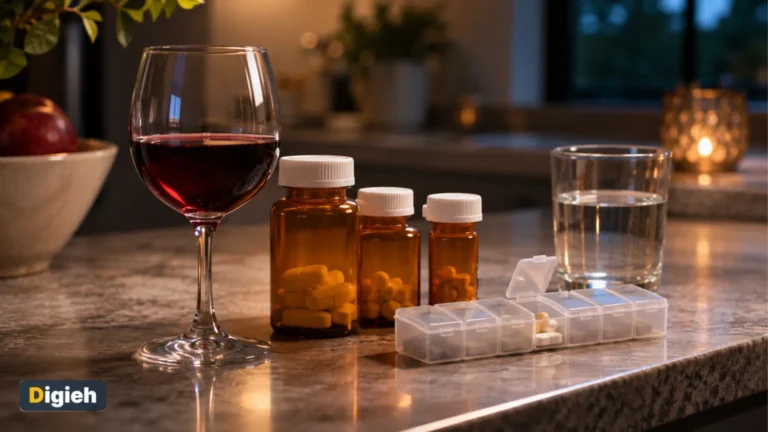
- Limit alcohol, which can strain the liver.
How to Manage Statin Side Effects
- Talk to your doctor before making any change.
- Ask whether a different statin or schedule might suit you better.
- Get blood tests your doctor orders to rule out other causes.
- Stay active with gentle exercise like walking.
- Keep a diary of symptoms and share it at visits.
- Never stop the medicine on your own, as MedlinePlus advises.
Stopping a statin suddenly can raise your risk of heart problems. Your doctor can help you find a plan that controls cholesterol with fewer side effects.
Food and Lifestyle Still Matter
Statins work best alongside healthy habits. Doctors often try lifestyle changes first and add medicine when needed.
- Eat more vegetables, fruit, beans and whole grains.
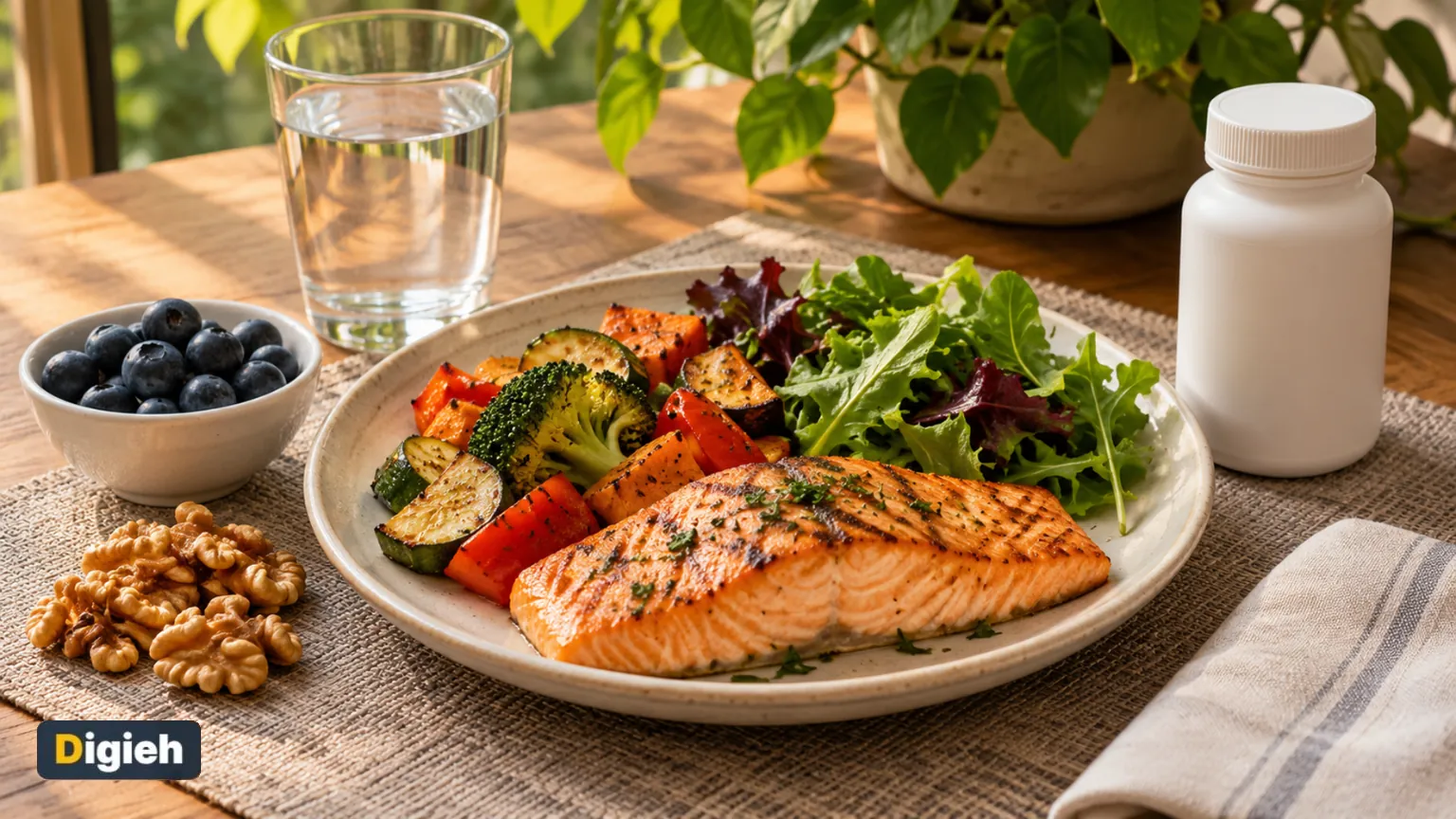
- Choose fish, nuts and olive oil over fatty meats and butter.
- Move most days of the week.
- Quit smoking and limit alcohol.
Small changes add up. Swapping one fried meal a week for grilled fish or beans, and walking 20 minutes after dinner, can support your cholesterol goals alongside the medicine.
Berries are a heart-friendly choice. Our blueberry guide explains the research.
Free updates
Join the Digieh list
Be the first to know when our weekly brief launches.
No spam. Unsubscribe anytime. Read our Privacy Policy.
Statins and Exercise
Exercise and statins work well together. Both support heart health, and staying active may even make mild aches easier to handle.
Start slowly if you are new to exercise, and build up over a few weeks. If a new workout leaves you sore for days, tell your doctor. They can check whether the workout or the medicine is the cause.
Statins and Older Adults
Many people start statins after age 60. Older adults often take several medicines, which raises the chance of interactions.
Bring a full medicine list to every visit. Ask your pharmacist to review it at least once a year, especially after a new prescription.
Tracking Your Progress
Your doctor will check a cholesterol test after you start a statin and then from time to time. These numbers show whether the medicine and your habits are working.
- Write down your LDL results with the date.
- Note any changes in diet, exercise or weight.
- Ask what target makes sense for your health.
Seeing progress on paper can keep you motivated to stick with healthy habits. Share the log with your doctor at each visit so you can plan the next steps together.
Saving Money on Statins
Most common statins are available as generics, which often cost little. Ask your doctor whether a generic option fits you.
Compare pharmacy prices and ask about 90-day supplies, which can lower the cost per month.
Talk to Your Family About Heart Risk
High cholesterol often runs in families. If you take a statin, encourage parents, siblings and grown children to get their own cholesterol checked.
Some people inherit very high LDL from birth. Early testing helps them start treatment before problems begin. A simple blood test at a regular checkup is usually all it takes.
Statin Myths and Facts
| Myth | Fact |
|---|---|
| Most people get muscle damage | Muscle damage is uncommon, and serious damage is rare |
| Statins harm the liver | Real liver damage is very rare |
| You can stop once cholesterol is normal | Stopping can raise heart risk, so ask your doctor |
| Memory loss is permanent | Reported memory effects are usually reversible |
Questions to Ask Your Doctor
- Why do I need a statin, and what is my heart risk?
- Which side effects should make me call you?
- Should I avoid grapefruit with my statin?
- How often do I need blood tests?
- What can I do if I get muscle aches?
When to Get Help
Call your doctor soon if you notice any of these.
- Unexplained muscle pain, tenderness or weakness
- Unusual tiredness or fever with muscle pain
- Dark or tea-colored urine
- Yellowing of the skin or eyes
- Confusion or memory problems that worry you
Get emergency care for chest pain, trouble breathing or signs of a stroke, such as face drooping or sudden weakness.
Your Statin Checklist
- Take your statin as prescribed
- Ask about grapefruit and pomegranate
- Report unexplained muscle pain
- Keep up with blood tests
- Pair the medicine with healthy habits
- Never stop without your doctor
Try this today. Make a list of every medicine, supplement and juice you take. Ask your pharmacist to check it against your statin.
Store statins at room temperature, away from children. Our guide on how to store medicines at home covers the basics.
Test Yourself
Which fruit juice can affect how the liver breaks down some statins?
- Apple juice
- Orange juice
- Grapefruit juice
MedlinePlus warns that grapefruit, fresh or as juice, affects how the liver breaks down some statins.
Frequently Asked Questions
What are the most common statin side effects?
Many people have none. Muscle aches, mild stomach upset and headaches are the most reported.
Do statin muscle aches go away?
They often improve after switching to another statin, according to MedlinePlus.
Can statins cause diabetes?
They may slightly raise the risk, mainly in people already at high risk.
Can I stop my statin if I feel side effects?
No. Talk to your doctor first, since stopping suddenly can cause serious problems.
Conclusion
Statins are safe for most people and lower the risk of heart attack and stroke. Muscle aches are the main complaint, but serious problems are rare and often fixable by switching medicines.
Keep an open conversation with your doctor, report new symptoms early and never stop on your own at home.
Found this useful?
Editor’s Note
This guide is accurate as of November 10, 2026. Medicine details come from MedlinePlus and the American Heart Association. FDA label changes come from a National Lipid Association summary.
This is general information, not medical advice. Talk to a health professional about your own treatment.
Spot an error in this article? Please contact us at support@digieh.com or read our Corrections Policy.
Keep exploring
Your next read is waiting
 1FashionHow to Hem Pants Without Sewing in Minutes9 min read
 2AI & TechHow to Use AI for Smarter Holiday Shopping9 min read
 3Fruits & VegetablesClementine vs Mandarin vs Tangerine: What Is Different?9 min read
 4MedicinesElectrolytes Explained: When You Need Them, When Not9 min read
 5Science & DiscoveriesQuadrantid Meteor Shower 2027: Best Time to Watch9 min read
 6Travel & TourismHow to Pack a Carry-On for a Week9 min read