TRENDING
Electric Blanket vs Space Heater: Which Costs Less?
Electric blanket vs space heater: compare running costs at the latest electricity rate, who should pick which, safety at night and easy ways to use both to save

7 min read
Last updated November 21, 2026
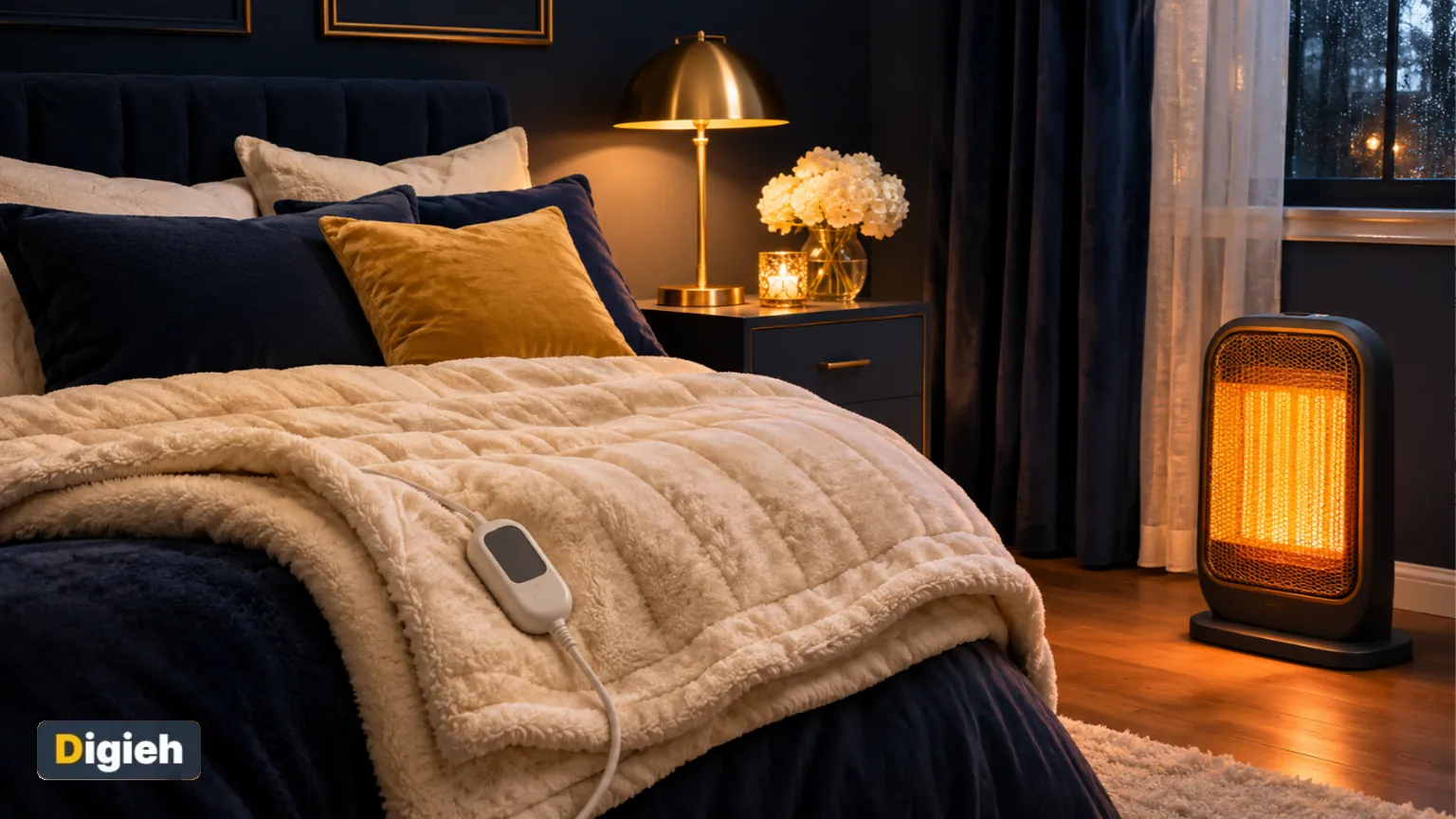
If you want to stay warm in bed or on the couch, pick an electric blanket. If you need to warm a whole room for several people, pick a space heater.
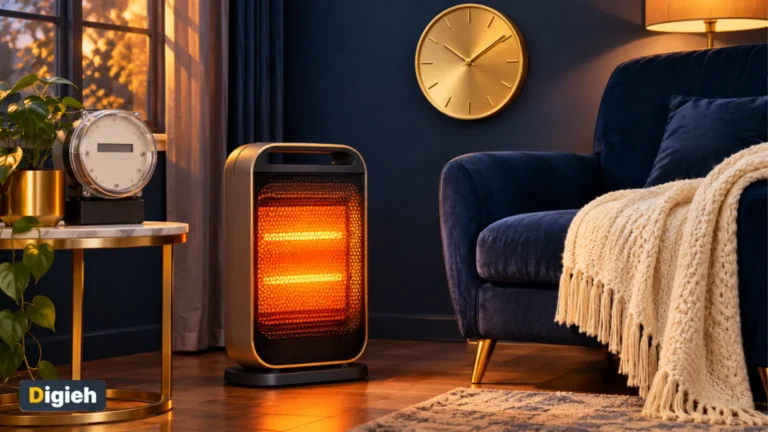
An electric blanket costs only a few dollars a month to run. A 1,500-watt space heater can cost about $65 a month at 8 hours a day.
Key Takeaways.
- Electric blankets usually use about 40 to 150 watts, says energy supplier EDF.
- Most plug-in space heaters use up to 1,500 watts on high.
- At today’s average rate, a 100-watt blanket costs about 15 cents for 8 hours.
- A space heater warms the air for everyone, while a blanket warms only you.
- Both can cause fires, so turn them off when you sleep or leave.
Jump to a section
- Running cost compared
- Side by side
- Cost over a whole winter
- Blankets, throws and mattress pads
- How fast each feels warm
- Who should pick which
- For sleeping
- For a home office or living room
- Using both to save money
- Safety for both
- What to look for when buying
- Frequently asked questions
- Conclusion
Running Cost Compared
The difference comes down to watts. A blanket heats a small area right against your body. A heater warms the air in the whole room.
| Device | Watts | Per hour | 8 hours | 30 nights at 8 hours |
|---|---|---|---|---|
| Electric blanket, low | 40 | Under 1 cent | $0.06 | $1.74 |
| Electric blanket, typical | 100 | About 2 cents | $0.15 | $4.36 |
| Electric blanket, high | 150 | About 3 cents | $0.22 | $6.54 |
| Space heater, low | 750 | About 14 cents | $1.09 | $32.69 |
| Space heater, high | 1,500 | About 27 cents | $2.18 | $65.38 |
Source: Digieh calculation at 18.16 cents per kilowatt-hour, the August 2026 average from the Energy Information Administration. Blanket watts from EDF Energy.
15xA 1,500-watt heater uses about 15 times the power of a 100-watt electric blanket. Digieh calculation from EDF watt figures.
Want to plug in your own heater and rate? Use our space heater cost calculator.
Electric Blanket vs Space Heater Side by Side
| Feature | Electric blanket | Space heater |
|---|---|---|
| What it warms | Your body | The room air |
| Typical power | 40 to 150 watts | Up to 1,500 watts |
| Warms others | Only people under it | Everyone in the room |
| Warm-up time | Several minutes | Minutes, depending on type |
| Moving around | Stay under it | Free to move |
| Fire risk | Yes, if damaged or misused | Yes, especially near fabric |
Based on EDF Energy, the Electrical Safety Foundation and the United States Fire Administration.
Cost Over a Whole Winter
Stretch the numbers over a 90-night winter at 8 hours a night. A 100-watt blanket costs about $13.08. A 1,500-watt heater costs about $196.13, or about $98.06 on its 750-watt low setting.
Source: Digieh calculation at the August 2026 average rate from the Energy Information Administration.
Real costs are often lower. Many blankets cycle on and off once warm, and many heaters have a thermostat that does the same. Your own rate may also be higher or lower than the national average, so check your bill.
Blankets, Throws and Mattress Pads
Heated bedding comes in a few forms. They all use roughly the same small amount of power, per EDF Energy.
- Electric blankets go over you, like a normal blanket.
- Heated throws are smaller and suit the couch or a desk chair.
- Heated mattress pads, also called underblankets, sit under your sheet and warm from below.
Mattress pads keep the heat close and are not easily kicked off. Throws are the most flexible, since you can carry them from room to room.
How Fast Each Feels Warm
A heated blanket takes several minutes to feel warm. Many people turn it on 20 to 30 minutes before bed.
Fan heaters warm the air near you quickly. Oil-filled heaters start slowly but keep giving off heat after they cycle off.
If you need instant warmth after coming in from the cold, a small fan heater feels faster. For steady comfort while sitting or sleeping, a blanket wins.
Who Should Pick Which
Pick an electric blanket if
- You feel cold mainly in bed or while sitting still.
- You live alone or one person needs extra warmth.
- You want the lowest running cost.
- You want to keep the main thermostat low at night.
Pick a space heater if
- You need to warm a room where people move around.
- Several people share the space.
- You work at a desk and need warm hands and feet.
- A room stays cold even with the central heat on.
How do you stay warm on cold nights?
- Electric blanket
- Space heater
- Extra blankets only
- Not sure
For Sleeping
Many people pre-warm the bed with an electric blanket, then switch it off before sleep. Others use models with an auto shut-off timer.
A space heater left running all night is a fire risk. Fire safety officials advise turning heaters off when you go to bed, says the United States Fire Administration.
So for sleep, a blanket with a timer is usually the cheaper and safer choice.
Free updates
Join the Digieh list
Be the first to know when our weekly brief launches.
No spam. Unsubscribe anytime. Read our Privacy Policy.
For a Home Office or Living Room
A blanket works if you sit still at a desk or on the couch. A heated throw over your lap uses little power.
If you get up often or share the room, a space heater on its low setting may be more practical. Close the door to keep the heat in.
Pairing a small heater with a lap blanket lets you use the heater on low. That cuts its running cost roughly in half.
Using Both to Save Money
The biggest savings come from turning down the central thermostat. Then use a blanket or heater only where you are.
- Lower the main thermostat a few degrees at night.
- Pre-warm the bed with an electric blanket for 20 to 30 minutes.
- Use a heater on low in one room during the day.
- Wear warm layers and socks before turning anything up.
- Seal drafts around windows and doors.
Find more ideas in our guide to lowering your heating bill in winter.
Safety for Both
Electric blankets
Heating pads and electric blankets cause around 500 fires each year, says the Electrical Safety Foundation.
- Turn the blanket off when you are not using it.
- Never plug it into an extension cord.
- Check for cracked or damaged cords before each season.
- Do not tuck the blanket in tightly or bunch it up while it is on.
- Replace old blankets that show wear or have worn controls.
Space heaters
Portable heaters caused 3 percent of home heating fires from 2017 to 2019. They were behind 41 percent of fatal ones, says the Fire Administration.
- Keep anything that can burn at least 3 feet away.
- Turn it off when you leave the room or go to bed.
- Plug it directly into a wall outlet.
- Never use it to dry clothes or towels.
Read our full space heater safety tips before the next cold snap.
Who should avoid electric blankets Ask a doctor first if you have diabetes, poor circulation or less feeling in your skin. You may not notice overheating. Never use one for babies or people who cannot switch it off themselves.
What to Look for When Buying
Electric blanket
- An automatic shut-off timer.
- Separate controls for each side of a larger bed.
- A safety certification mark from a recognized testing lab.
- Machine-washable fabric with a removable controller.
Space heater
- A built-in thermostat and low setting.
- Tip-over and overheat shut-off.
- A safety certification mark from a recognized testing lab.
- A size matched to your room.
Try this today. Tonight, warm your bed with a blanket for 20 minutes and turn the main thermostat down 2 degrees. Check your next bill.
Test Yourself
About how many watts does a typical electric blanket use?
- 40 to 150 watts
- 750 watts
- 1,500 watts
Energy supplier EDF puts electric blankets at about 40 to 150 watts, far below a 1,500-watt heater.
Frequently Asked Questions
Is an electric blanket cheaper than a space heater?
Yes, by a wide margin. A blanket uses a small fraction of a heater’s power.
Is it safe to sleep with an electric blanket on?
Many people pre-warm the bed and switch it off, or use a model with a timer. Follow the maker’s instructions.
Can an electric blanket replace central heating?
It can let you lower the thermostat, but your home still needs enough heat to protect pipes and stay healthy.
Conclusion
An electric blanket is the cheapest way to warm one person in bed or on the couch. A space heater is better for warming a room you move around in.
Decide where you feel cold most. Use the cheaper option there and lower the thermostat.
Editor’s Note
This article is accurate as of November 21, 2026. Electricity rates come from the Energy Information Administration. Blanket watts come from EDF Energy. Safety figures come from the Electrical Safety Foundation and the United States Fire Administration.
Spot an error in this article? Please contact us at support@digieh.com or read our Corrections Policy.
Keep exploring
Your next read is waiting
 1HealthBlood Pressure in Winter: Why It Goes Up7 min read
 2AI & TechGemini Computer Use on Mac: Setup and Safety5 min read
 3Pets & AnimalsCost of Owning a Cat: Yearly Budget, Calculator7 min read
 4TechnologyReceipt to Spreadsheet: Track Holiday Spending From Photos7 min read
 5NewsWill the Grid Hold This Winter? NERC Explained5 min read
 6BusinessUS Chip Export Rule: Five Countries Need Licenses4 min read
Found this useful?