TRENDING
Hiccups: Causes, Quick Fixes and When to Worry
Hiccups explained: what causes them, tricks that may help stop them, things to avoid, hiccups in babies and when hiccups lasting days need a doctor visit.

7 min read
Last updated November 25, 2026
Hiccups happen when the main breathing muscle under your lungs suddenly tightens. Your vocal cords snap shut a split second later, which makes the hic sound.
Most bouts stop on their own within minutes. Simple tricks like sipping cold water or holding your breath help some people. See a doctor if hiccups last more than 48 hours.
Health note. This article is for general information only and is not medical advice. Do not try risky tricks like scaring someone or hanging upside down.
Key Takeaways.
- Most hiccups stop by themselves within a few minutes.
- Common triggers are big meals, fizzy drinks, alcohol, stress and excitement.
- Home tricks help some people, but the evidence for them is limited.
- Hiccups lasting more than 48 hours should be checked by a doctor.
- Long-lasting hiccups can be linked to a medicine or a health condition.
Jump to a section
- What hiccups are
- Common triggers
- How to stop hiccups
- Things to avoid
- How long hiccups last
- Should I see a doctor?
- Causes of long-lasting hiccups
- Hiccups in babies
- Preventing hiccups
- When to Get Help
- Questions to Ask Your Doctor
- Frequently Asked Questions
- Sources
- Conclusion
What Are Hiccups?
The diaphragm is a dome-shaped muscle that sits below your lungs. It pulls down when you breathe in.
A hiccup is a sudden, unwanted spasm of this muscle. Air rushes in, and the vocal cords close fast to stop it. That quick closing makes the familiar sound.
Two nerves control the diaphragm. When either is irritated, for example by a full stomach, hiccups can start.
48 hoursThe point when hiccups should be checked by a doctor, says the National Health Service.
Common Triggers
| Trigger | Why it may cause hiccups |
|---|---|
| Eating too much or too fast | A full stomach presses on the diaphragm |
| Fizzy drinks | Gas stretches the stomach |
| Alcohol | Irritates the stomach and nerves |
| Spicy food | Irritates the food pipe |
| Hot then cold food or drink | A sudden temperature change |
| Stress or excitement | Changes in breathing and swallowing air |
| Chewing gum or smoking | You swallow extra air |
Sources: National Health Service and nidirect, checked November 25, 2026.
Often there is no clear reason at all, the National Health Service notes.
How to Stop Hiccups
These tricks work for some people but not all. The proof behind them is limited, so try one or two and see what works for you.
| Trick | How to do it | Idea behind it |
|---|---|---|
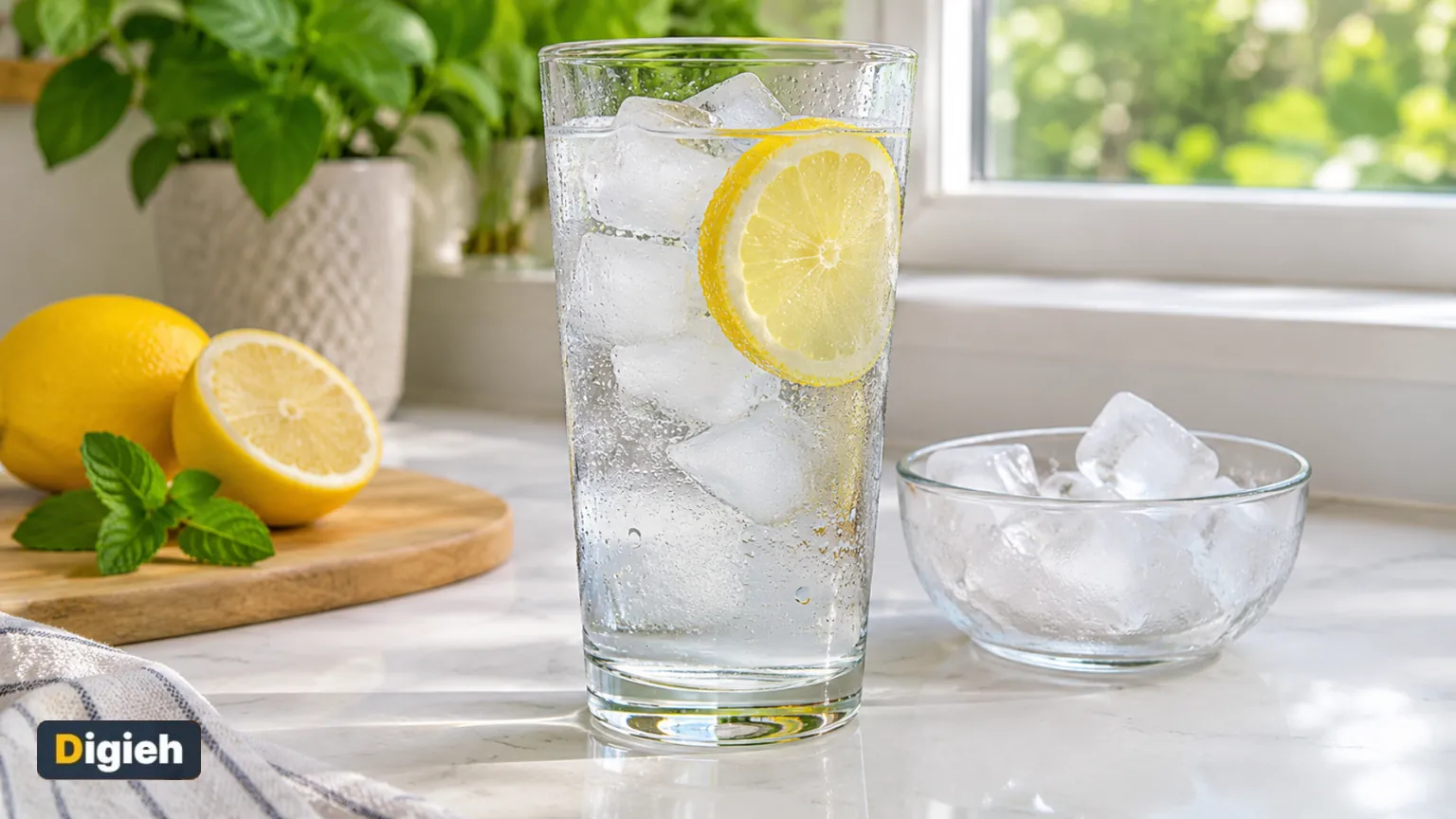
| Sip ice-cold water | Take small, slow sips | Calms the nerves in the throat |
| Hold your breath | Hold for a few seconds, then breathe out slowly | Raises carbon dioxide and resets breathing |
| Breathe into a paper bag | Breathe slowly for a short time, never a plastic bag | Raises carbon dioxide |
| Pull your knees to your chest | Sit and lean forward for a minute | Presses gently on the diaphragm |
| Bite on a lemon or taste vinegar | A small taste only | A strong taste may distract the nerves |
| Suck on ice | Let a cube melt slowly | Cools the throat |
Sources: National Health Service and nidirect, checked November 25, 2026.
Try this today. Try slow breathing first. Breathe in for a count of four, hold for four and breathe out for six. Repeat for a minute.
Which hiccup trick works best for you?
- Cold water
- Holding my breath
- Sugar or lemon
- Not sure
Things to Avoid
- Do not chew gum or smoke while you have hiccups.
- Avoid spicy food.
- Do not eat too quickly.
- Avoid hot food followed straight away by something cold.
- Never breathe into a plastic bag.
These tips come from nidirect. Scaring someone or hanging upside down are not proven and can cause harm.
How Long Hiccups Last
| Type | How long | What it usually means |
|---|---|---|
| Short bout | Minutes to under 48 hours | Common and harmless |
| Persistent | More than 48 hours, less than a month | See a doctor to find the cause |
| Intractable | More than a month | Needs medical tests and treatment |
Source: University of Pittsburgh Medical Center, checked November 25, 2026.
Should I See a Doctor?
Tap the signs you have. The bars show the best next step. This is a guide, not a diagnosis.
- Hiccups for a few minutes
- Hiccups after a big meal or fizzy drink
- Hiccups for more than 48 hours
- Hiccups keep coming back often
- Trouble eating or sleeping
- Started after a new medicine
- With chest pain or trouble breathing
- With weakness, confusion or slurred speech
Causes of Long-Lasting Hiccups
Hiccups that last for days are rare. They are more likely to have a medical cause.
- Acid reflux and other stomach problems.
- Nerve irritation in the neck or chest.
- Some medicines, such as steroids and some sedatives.
- Diabetes and kidney problems.
- Conditions affecting the brain, such as a stroke.
- Heavy alcohol use.
Stomach irritation can also cause hiccups. See our guide to gastritis symptoms.
A doctor may check your medicines, run tests and treat the cause. Some people need medicine to relax the diaphragm.
Free updates
Join the Digieh list
Be the first to know when our weekly brief launches.
No spam. Unsubscribe anytime. Read our Privacy Policy.
Hiccups in Babies
Babies hiccup a lot, often during or after a feed. It rarely bothers them and is usually harmless.
- Burp your baby during and after feeds.
- Feed in a more upright position.
- Give smaller, more frequent feeds.
- Wait, as most baby hiccups stop on their own.
Never try adult tricks like holding breath, sugar or a scare on a baby. Speak to your health visitor or doctor if hiccups seem to upset your baby. Also ask if they come with a lot of spitting up.
Hiccups After Drinking Alcohol
Alcohol and fizzy mixers are common hiccup triggers. Drinking slowly and choosing still drinks can help.
Alcohol can also bring on heartburn. See our tips on heartburn relief.
Hiccups and Stress
Strong feelings like excitement, nerves or fear can set off hiccups. Fast breathing and swallowing air may play a part.
Slow, deep breathing calms both the mind and the diaphragm. Try a short breathing exercise when you feel tense.
If stress or worry is a daily problem, see our guide to anxiety symptoms and coping.
Hiccups at Night
Hiccups at bedtime can make it hard to fall asleep. A late, heavy meal or a fizzy drink in the evening is a common cause.
- Finish dinner two to three hours before bed.
- Sit upright for a while after eating.
- Sip water slowly rather than gulping it.
- Try slow breathing once you lie down.
If hiccups often wake you up or stop you sleeping, mention it to your doctor.
Hiccups in Children
Children get hiccups often, usually after eating fast, laughing hard or having a fizzy drink. They nearly always pass in minutes.
Older children can try slow sips of water or holding their breath for a few seconds. Never use a bag over a child’s face, and do not try to scare them.
Preventing Hiccups
- Eat smaller meals and chew slowly.
- Cut down on fizzy drinks.
- Limit alcohol.
- Avoid very spicy food if it triggers you.
- Do not gulp drinks.
- Sit upright after eating.
When should you see a doctor about hiccups?
- After 5 minutes
- After 48 hours
- Only if they hurt
Hiccups that last more than 48 hours should be checked, as they may have a medical cause.
Hiccup Myths
- A scare cures hiccups. There is no proof, and it can upset people.
- Hiccups mean you are growing. This is a common saying with no science behind it.
- Hiccups are always harmless. Most are, but long-lasting hiccups need a check.
- One trick works for everyone. Different tricks help different people.
When to Get Help
See a doctor if hiccups last more than 48 hours. Also go if they keep coming back and affect your life, the National Health Service advises.
Get urgent help if hiccups come with chest pain, trouble breathing, weakness, confusion or slurred speech.
Questions to Ask Your Doctor
- What could be causing my long-lasting hiccups?
- Could one of my medicines be the cause?
- Should I be tested for acid reflux?
- Do I need blood tests?
- Is there a medicine that can help?
- What should I do if they come back?
Frequently Asked Questions
How do you stop hiccups fast?
Sipping cold water or holding your breath helps some people, but no trick works every time.
Why do I keep getting hiccups?
Eating fast, fizzy drinks, alcohol and stress are common reasons.
Are hiccups dangerous?
Usually not. Hiccups lasting more than two days should be checked.
Why do babies get hiccups?
Often from swallowing air or a full stomach during feeds.
Sources
- National Health Service: Hiccups
- nidirect: Hiccups
- University of Pittsburgh Medical Center: Are hiccups dangerous?
Conclusion
Hiccups are common, annoying and almost always harmless. Most bouts pass in minutes without any help.
Next step: try slow breathing or cold sips, and eat more slowly to avoid them. See a doctor if they last beyond 48 hours.
Editor’s Note
This article is accurate as of November 25, 2026. Facts come from the National Health Service, nidirect and the University of Pittsburgh Medical Center.
Spot an error in this article? Please contact us at support@digieh.com or read our Corrections Policy.
Keep exploring
Your next read is waiting
 1HealthStye on the Eyelid: Causes, Treatment and Prevention7 min read
 2Pets & AnimalsCat Urinary Problems: Signs That Need Urgent Care7 min read
 3Beauty & Personal CareDandruff vs Dry Scalp: Signs, Causes and Treatment7 min read
 4HealthEarwax Build-Up: Safe Removal and When to Worry7 min read
 5HealthKnee Pain: Common Causes, Relief and Warning Signs7 min read
 6HealthChilblains: Causes, Treatment and How to Prevent Them7 min read
Found this useful?