TRENDING
Raynaud’s: Cold Fingers, Triggers and When to Worry
Raynaud's explained: why fingers turn white then blue in the cold, primary and secondary types, triggers, what to do in an attack, treatment and warning signs.

7 min read
Last updated November 25, 2026
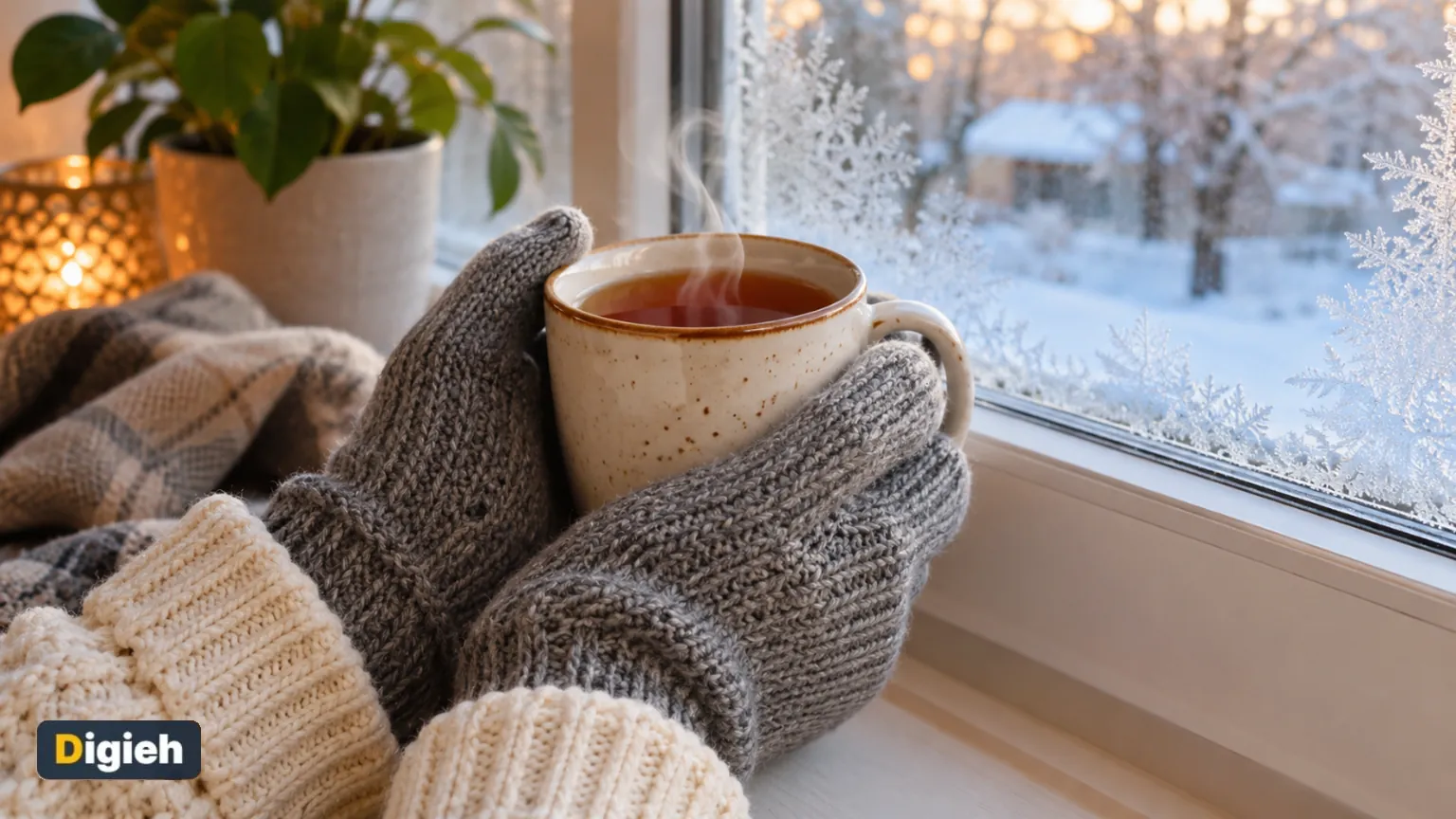
Raynaud’s is when blood flow to your fingers and toes drops for a short time. It happens in the cold or when you feel stressed. The skin turns white or pale, may go blue, then red as blood returns.
It is common and usually harmless. Keeping warm, stopping smoking and managing stress help most people. New Raynaud’s after age 30 should be checked by a doctor.
Health note. This article is for general information only and is not medical advice. Sores on the fingertips or skin that stays dark need urgent medical care.
Key Takeaways.
- Attacks are usually triggered by cold or stress.
- Fingers may turn white, then blue, then red.
- An attack can last from a few minutes to a few hours.
- Most people have primary Raynaud’s, which has no underlying cause.
- New symptoms after 30, or with joint pain or rashes, need a check.
Jump to a section
- What Raynaud’s is
- Symptoms
- Primary and secondary Raynaud’s
- Triggers
- What to do during an attack
- Should I see a doctor?
- Living with Raynaud’s
- Medical treatment
- Winter tips
- When to Get Help
- Questions to Ask Your Doctor
- Frequently Asked Questions
- Sources
- Conclusion
What Is Raynaud’s?
In Raynaud’s, the small arteries in the fingers and toes overreact to cold or stress. They narrow sharply and cut blood flow for a while.
The full name is Raynaud’s phenomenon. Ears, nose and lips can be affected too, says the National Health Service.
6 to 20 percentWomen reporting symptoms, against 3 to 12 percent of men, says a Scottish health service guideline.
Symptoms
- Fingers or toes turn white or paler than usual.
- The skin may then turn blue.
- Skin goes red as blood flow returns.
- Cold, numb or tingling fingers.
- Pain or throbbing as they warm up.
- Stiff fingers that are hard to move.
On brown or black skin, the fingertips may look paler rather than white, the National Health Service notes.
Primary and Secondary Raynaud’s
| Type | Cause | Typical features |
|---|---|---|
| Primary | No known cause | Starts in teens or young adults, often runs in families, usually mild |
| Secondary | Linked to another condition, medicine or vibrating tools | Starts later, often after 30, may be more severe or cause sores |
Sources: Scottish health service guideline and National Health Service, checked November 25, 2026.
Secondary Raynaud’s can be linked to autoimmune conditions like lupus or scleroderma. Around 1 in 10 people with primary Raynaud’s later develop one, says Oxford Health, a UK health service trust.
Triggers
| Trigger | Example |
|---|---|
| Cold | Going outside, cold rooms, holding cold drinks, the freezer aisle |
| Temperature change | Moving from a warm room into air conditioning |
| Stress | Strong emotions or anxiety |
| Smoking | Nicotine narrows blood vessels |
| Caffeine | Tea, coffee, cola and chocolate |
| Vibrating tools | Drills, sanders and chainsaws used for long periods |
Source: National Health Service, checked November 25, 2026.
What to Do During an Attack
- Move somewhere warm.
- Warm your hands under your armpits or with warm, not hot, water.
- Wiggle your fingers and toes or swing your arms.
- Take slow, calm breaths if stress set it off.
- Wait for colour to return, usually within minutes.
Try this today. Keep a pair of gloves by the door and in your bag. Putting them on before you feel cold works better than warming up after.
What triggers your Raynaud’s most?
- Cold weather
- Cold drinks or the freezer
- Stress
- Not sure
Should I See a Doctor?
Tap the signs you have. The bars show the best next step. This is a guide, not a diagnosis.
- Mild colour change in the cold since my teens
- Symptoms getting worse
- First time after age 30
- Only on one side of the body
- Joint pain, rashes or muscle weakness too
- Child under 12 with symptoms
- Sores or ulcers on fingertips
- Skin stays dark or black
Living With Raynaud’s
- Keep your home warm.
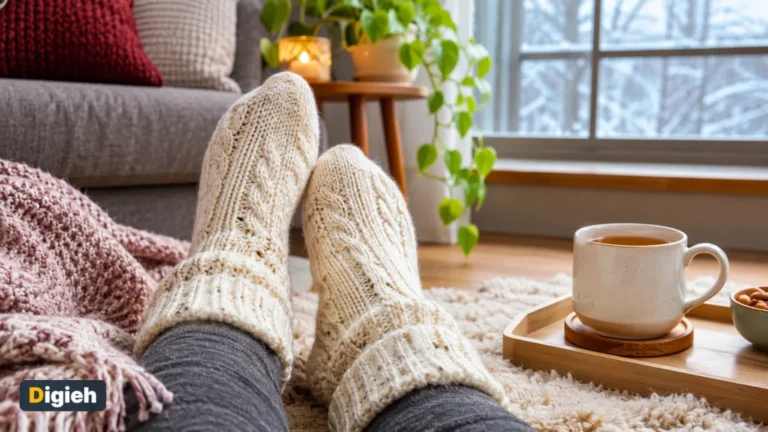
- Wear warm clothes, gloves and thick socks in cold weather.
- Use hand warmers on cold days.
- Exercise regularly to boost circulation.
- Stop smoking.
- Cut down on caffeine.
- Try breathing exercises or yoga to manage stress.
These tips follow National Health Service advice. Most people manage well with these steps alone.
If stress is a big trigger, see our guide to anxiety symptoms and coping.
Medical Treatment
If self-care is not enough, a doctor may prescribe a medicine that widens blood vessels. Nifedipine is a common choice.
Some people take medicine only in the coldest months. Side effects can include headaches and flushing.
Some medicines, such as certain beta blockers and decongestants, can make Raynaud’s worse. Your doctor may review your medicines.
People with secondary Raynaud’s may be referred to a joint and immune specialist for tests and treatment.
Tracking Your Attacks
A simple diary helps you and your doctor spot patterns. Note the date, what you were doing, how long the attack lasted and which fingers or toes changed colour.
Phone photos of an attack also help. The colour change may be gone by the time you see a doctor, so a picture shows what happened.
Free updates
Join the Digieh list
Be the first to know when our weekly brief launches.
No spam. Unsubscribe anytime. Read our Privacy Policy.
Winter Tips
- Warm the car before driving.
- Wear layers so your body core stays warm.
- Use insulated cups for cold drinks.
- Wear gloves when handling frozen food.
- Keep feet dry with warm socks and boots.
Layering helps keep your whole body warm. See our guide to layering clothes for cold weather.
Raynaud’s and Exercise
Regular exercise improves circulation and can reduce attacks. On cold days, warm up indoors first and wear gloves and a hat outdoors.
For more safety tips, read our guide to exercising in cold weather.
Raynaud’s and Chilblains
Raynaud’s attacks last minutes to hours. Chilblains are itchy, swollen patches that appear hours after cold and last days. Learn more in our guide to chilblains.
Diet and Raynaud’s
No special diet cures Raynaud’s, but some habits may help. Warm meals and drinks keep your core temperature up on cold days.
- Eat regular, balanced meals so your body has fuel to stay warm.
- Choose warm drinks in insulated cups.
- Cut down on tea, coffee, cola and chocolate if they seem to trigger attacks.
- Drink alcohol in moderation, as it can make you lose heat faster.
Raynaud’s in Children and Teens
Primary Raynaud’s often starts in the teenage years. Most young people have mild symptoms that are managed with warm clothes and gloves.
A child under 12 with symptoms should see a doctor, the National Health Service advises. Teach children to wear gloves early and to come inside before they get too cold.
Raynaud’s at Work
Jobs that use vibrating tools, or that involve cold rooms, can trigger attacks. Wear insulated gloves, take warm breaks and tell your employer if symptoms affect your work.
What is the best first step during a Raynaud’s attack?
- Put hands in hot water
- Move somewhere warm and warm hands gently
- Rub hands hard on a rough surface
Gentle warmth helps blood flow return safely. Very hot water can burn numb skin.
Raynaud’s Myths
- It only happens in winter. Air conditioning, cold drinks and stress can trigger it all year.
- It always means a serious disease. Most people have the mild primary type.
- Hot water is the fastest fix. Numb skin can burn easily, so use warm water.
- Nothing can be done. Simple habits and medicines help most people.
When to Get Help
See a doctor if symptoms are bad, getting worse or affect daily life. Also go if they are on one side only. Also go if you have joint pain, rashes or weak muscles, the National Health Service advises.
See a doctor too if symptoms start after 30, or a child under 12 has them. Get urgent help for fingertip sores or skin that stays dark.
Questions to Ask Your Doctor
- Is this primary or secondary Raynaud’s?
- Do I need blood tests?
- Could my medicines be making it worse?
- Would a medicine help me?
- Should I see a specialist?
- What signs mean I should come back quickly?
Frequently Asked Questions
Is Raynaud’s serious?
Usually not. Secondary Raynaud’s can be linked to other conditions, so new cases in adults should be checked.
Can Raynaud’s go away?
It can improve over time, and good habits reduce attacks.
Does caffeine affect Raynaud’s?
It may trigger attacks in some people, so cutting down can help.
Is Raynaud’s more common in women?
Yes, it is more common in women than in men.
Sources
- National Health Service: Raynaud’s
- Scottish health service guideline: Raynaud’s phenomenon
- Oxford Health: Raynaud’s phenomenon leaflet
Conclusion
Raynaud’s is common and usually manageable with warmth, calm and a few smart habits. Most people never need more than self-care.
Next step: keep gloves handy and warm up gently during attacks. See a doctor if symptoms start after 30 or come with other signs.
Editor’s Note
This article is accurate as of November 25, 2026. Facts come from the National Health Service, a Scottish health service guideline and the UK health service trust Oxford Health.
Spot an error in this article? Please contact us at support@digieh.com or read our Corrections Policy.
Keep exploring
Your next read is waiting
 1HealthCellulitis: Signs, Treatment and When It Is Serious7 min read
 2Pets & AnimalsHow to Choose Dog Food: Reading the Label7 min read
 3Beauty & Personal CareDandruff vs Dry Scalp: Signs, Causes and Treatment7 min read
 4HealthEarwax Build-Up: Safe Removal and When to Worry7 min read
 5HealthSprained Ankle: Treatment, Recovery Time and Warning Signs7 min read
 6HealthVaricose Veins: Causes, Symptoms, Treatment and Relief Tips7 min read
Found this useful?