TRENDING
Freeze Warning vs Frost Advisory The Simple Difference

9 min read
Last updated November 7, 2026
A frost advisory means temperatures will drop to about 33 to 36 degrees Fahrenheit, and frost may form on plants. A freeze warning means temperatures will fall to 32 degrees or colder, which can kill plants and damage pipes. Both alerts come from the National Weather Service (NWS).
In short, frost is a light coating of ice, while a freeze is colder and more harmful. Knowing the difference helps you protect your garden, pets and home.
Key Takeaways
- A frost advisory usually means lows of 33 to 36 degrees with calm winds.
- A freeze warning means lows of 32 degrees or colder for at least a few hours.
- A freeze watch means freezing temperatures are possible in the next day or two.
- A hard freeze, around 25 to 28 degrees, can kill most plants.
- Exact rules can vary a little between local weather offices.
On This Page
- What Is a Frost Advisory?
- What Is a Freeze Watch?
- What Is a Freeze Warning?
- What Is a Hard Freeze?
- Frost vs Freeze at a Glance
- Why Frost Can Form Above 32 Degrees
- How to Protect Your Plants
- How to Protect Your Pipes
- How to Protect Pets and Outdoor Animals
- Protect Your Car and Outdoor Gear
- When Do These Alerts Stop for the Season?
- Other Cold Weather Alerts to Know
What Is a Frost Advisory?
A frost advisory warns that frost is likely and could harm sensitive plants. The NWS office in Tallahassee issues one when lows are forecast at 33 to 36 degrees. Winds should be calm and humidity high, according to its frost and freeze guide.
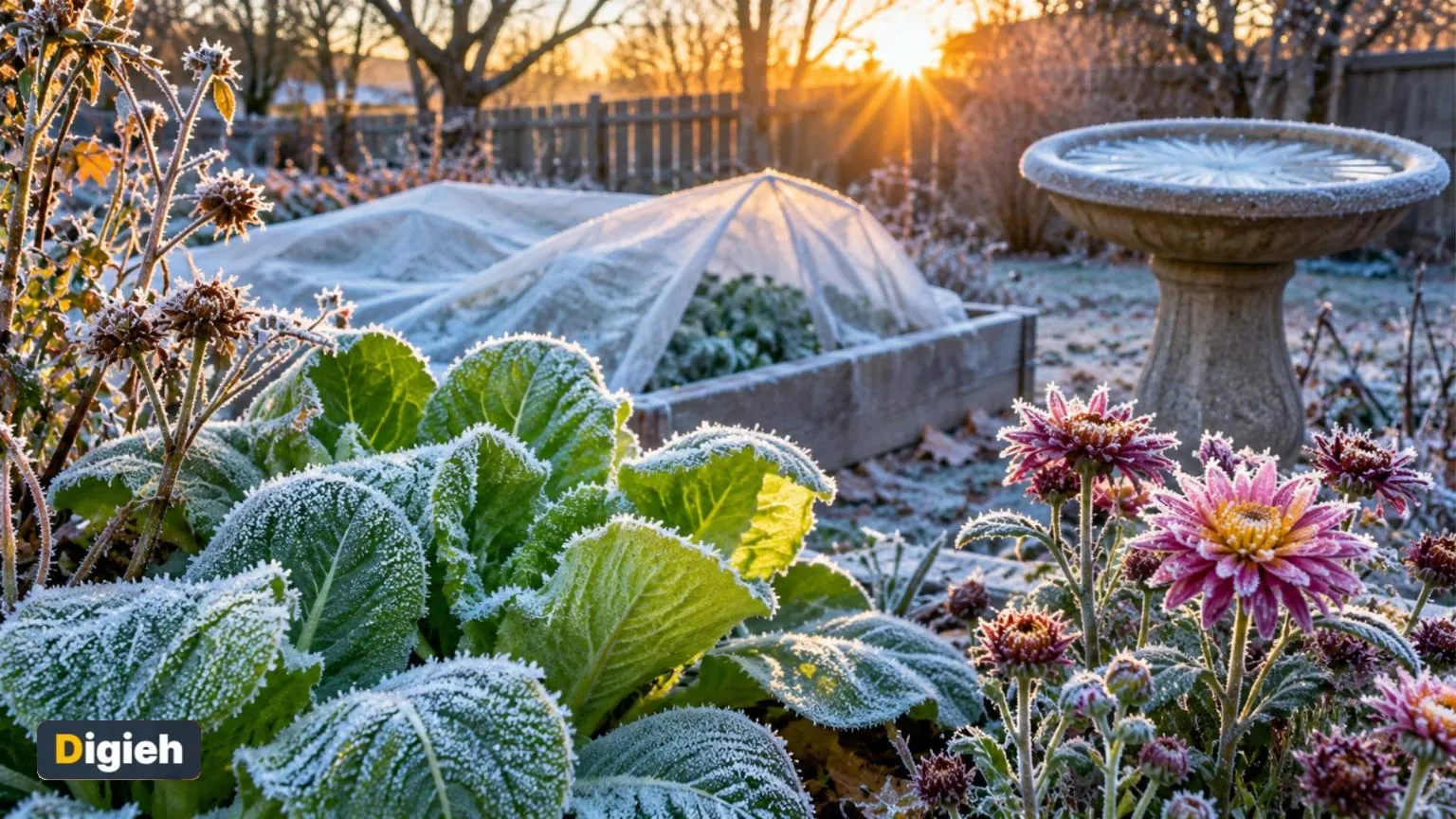
Frost forms when moisture in the air freezes onto cold surfaces, like grass, leaves and car windshields. It looks like a thin, white, crystal coating.
A frost advisory is mainly a warning for gardeners and farmers. Frost can damage tender plants, such as tomatoes, peppers and flowers.
28 degreesBelow this temperature for a long time, most crops and home plants can die, per the National Weather Service.
What Is a Freeze Watch?
A freeze watch means freezing temperatures are possible, but not certain yet. The NWS issues a watch when widespread freezing temperatures could happen within 24 to 36 hours. That timing comes from its cold weather alerts page.
Think of a watch as a heads-up. It gives you time to plan, buy frost covers or move potted plants.
What Is a Freeze Warning?
A freeze warning means freezing temperatures are expected. The NWS issues one when temperatures are forecast to drop to 32 degrees or lower for a period of time.
The Tallahassee office uses at least two hours at 32 degrees or colder as its guide. Other offices may use slightly different timing.
A freeze warning is more serious than a frost advisory. It can kill plants, burst outdoor pipes and harm animals left outside.
Quick tip. Keep an old bed sheet near the door in fall. It makes a quick, cheap frost cover when an alert pops up.
What Is a Hard Freeze?
A hard freeze is even colder. Many offices use about 25 to 28 degrees as the line, though the exact number varies.
The NWS notes that temperatures below 28 degrees for a long time can kill most crops and home plants. A hard freeze can also damage sprinkler systems and outdoor plumbing.
Some offices mention a hard freeze inside a freeze warning instead of issuing a separate alert.
What do you protect first when a freeze is coming?
- Plants
- Pipes
- Pets
- Not sure
Frost vs Freeze at a Glance
| Alert | Typical temperature | What it means |
|---|---|---|
| Frost advisory | 33 to 36 degrees | Frost likely on plants and surfaces |
| Freeze watch | 32 or colder possible | Freezing temps could happen soon |
| Freeze warning | 32 degrees or colder | Freezing temps expected |
| Hard freeze | About 25 to 28 degrees | Most plants can be killed |
These numbers are general guides. Always follow the alert issued by your local weather office.
Why Frost Can Form Above 32 Degrees
It may seem strange that frost forms when the forecast says 34 degrees. The reason is that forecasts measure air temperature about six feet above the ground.
On clear, calm nights, the ground and plants cool faster than the air above them. So surfaces can drop below freezing even when the air stays a few degrees warmer.
That is why frost often appears on rooftops, car windows and grass first.
Good to know. Clear, calm nights bring the most frost. Clouds and wind keep the ground warmer.
How to Protect Your Plants
You can save many plants with a little effort before sunset.
1. Water During the Day
Moist soil holds heat better than dry soil. Water your garden in the morning or early afternoon.
2. Cover Tender Plants
Drape sheets, blankets or frost cloth over plants in the evening. Let the cover reach the ground to trap warmth from the soil.
3. Avoid Plastic
Plastic touching leaves can transfer cold and cause damage. Use fabric covers instead.
4. Move Potted Plants
Bring pots indoors, into a garage or against a warm house wall.
5. Uncover in the Morning
Remove covers once temperatures rise above freezing so plants get sunlight.
- Garden watered during the day
- Tender plants covered with fabric
- Potted plants moved inside
- Hoses disconnected
- Pets brought indoors
- Covers removed in the morning
Which Plants Can Handle a Light Frost?
Not every plant needs a blanket. Many cool-season vegetables handle a light frost well, and some even taste sweeter after one.
Kale, spinach, cabbage, broccoli, carrots and Brussels sprouts can usually survive temperatures in the upper 20s. Garlic, onions and many herbs, like parsley and thyme, are also fairly tough.
Warm-season plants are a different story. Tomatoes, peppers, basil, squash, beans and cucumbers can be hurt by even one frosty night.
Many houseplants and tropical plants, like hibiscus and citrus in pots, also need to come inside before a freeze. Young seedlings and new transplants are more fragile than older, established plants.
How to Spot Frost Damage
Frost damage often shows up the morning after a cold night. Leaves may look dark, wet or see-through, then turn black or brown as they dry.
Do not cut off damaged leaves right away. The dead growth can protect the rest of the plant from the next cold night.
Wait until the danger of frost has passed, then trim away the dead parts. Many shrubs and perennials will grow back from the roots in spring.
If a vegetable plant is badly damaged, harvest whatever fruit is left. Green tomatoes can ripen indoors on a counter.
How to Protect Your Pipes
Freeze warnings are a signal to protect your plumbing. Water expands when it freezes, which can crack pipes.
Disconnect garden hoses and shut off outdoor faucets if you can. Cover outdoor spigots with insulated covers.
During a hard freeze, let indoor faucets on outside walls drip slowly. Open cabinet doors under sinks so warm air reaches the pipes.
For a full guide, read our tips on how to prevent frozen pipes.
Free updates
Join the Digieh list
Be the first to know when our weekly brief launches.
No spam. Unsubscribe anytime. Read our Privacy Policy.
How to Protect Pets and Outdoor Animals
Freezing nights can be dangerous for pets. Bring dogs and cats indoors, especially small, young or older animals.
If animals must stay outside, give them a dry, wind-free shelter with warm bedding. Check that their water bowl has not frozen.
Farm animals and backyard chickens also need shelter from wind and fresh, unfrozen water.
Which alert means temperatures of 32 degrees or colder are expected?
- Frost advisory
- Freeze warning
- Freeze watch
A freeze warning means freezing temperatures are expected.
Protect Your Car and Outdoor Gear
A frosty morning means a slow start. Keep an ice scraper in your car and allow extra time to clear the windshield.
Never pour hot water on a frozen windshield. The sudden heat can crack the glass.
Drain and store garden hoses and sprinkler lines before a hard freeze. Our winter car emergency kit guide lists what to keep in your trunk.
When Do These Alerts Stop for the Season?
Frost and freeze alerts are mainly for the growing season. Once a widespread freeze ends the season, many offices stop issuing them.
The Tallahassee office, for example, stops frost advisories after the first widespread frost. It stops freeze alerts after the first widespread light freeze. They usually resume around March 15.
In spring, the alerts return to warn about late frosts that can damage new growth.
What should you use to cover plants on a frosty night?
- Plastic wrap touching leaves
- Nothing at all
- A sheet or frost cloth
Fabric traps soil heat without chilling the leaves.
Other Cold Weather Alerts to Know
Frost and freeze alerts are not the only cold weather warnings. The NWS also issues cold weather advisories and extreme cold watches and warnings.
These focus on dangerous temperatures and wind chill for people, not just plants. When you see them, limit time outside and dress in warm layers.
Ready.gov shares tips to prepare your home and family for winter weather.
Add to calendar
Average First Frost Dates
First frost dates vary widely by location. In northern states, the first frost often comes in September or October.
In the South, it may not arrive until November or December. The NWS office in Tallahassee lists an average first frost around November 10 for that city.
Check your local weather office website for average dates in your area. They help you plan when to harvest and cover plants.
Use this calculator to see how far below freezing the forecast low will be.
Below freezing calculator
Try this today. Turn on weather alerts in your phone settings. You will get freeze warnings for your area as soon as they are issued.
How to Get Frost and Freeze Alerts
You do not have to check the forecast every hour to stay ahead of a freeze. Most phones can show government weather alerts for your location.
Weather apps and local TV stations also send push alerts when a frost advisory or freeze warning is issued. Many people set a reminder to check the evening forecast during fall, when the first freeze is most likely.
The NWS website lets you type in your ZIP code or city to see any active alerts for your area. NOAA Weather Radio is another good option, especially in rural places with weak cell service.
Whatever you use, act on the alert the same afternoon. Covers and pipe protection work best when they go on before sunset.
Frequently Asked Questions
Is a freeze warning worse than a frost advisory?
Yes. A freeze warning means colder temperatures, 32 degrees or below, that can kill plants.
What temperature is a frost advisory?
Most frost advisories are issued for lows around 33 to 36 degrees with calm winds.
Should I cover my plants during a frost advisory?
Yes. Cover tender plants in the evening and remove the covers in the morning.
Do I need to drip my faucets during a freeze warning?
During a hard freeze, letting faucets on outside walls drip can help prevent frozen pipes.
Can frost form above freezing?
Yes. Surfaces like grass and windshields can drop below freezing even when the air is a few degrees warmer.
Conclusion
A frost advisory means light frost is likely, while a freeze warning means damaging cold is on the way. Cover tender plants, protect your pipes and bring pets inside when temperatures drop.
Check your local forecast often during fall and spring, and act early when an alert is issued.
Read next. Winter Storm Watch vs Warning The Key Difference
Found this useful?
Editor’s Note
This guide is accurate as of November 7, 2026, and is based on National Weather Service information. Alert criteria can vary by local office, so always follow your local forecast.
Spot an error in this article? Please contact us at support@digieh.com or read our Corrections Policy.
Keep exploring
Your next read is waiting
 1TechnologyBest Time to See the November Beaver Moon9 min read
 2HealthCheck Your Pills in the Major Olmesartan Recall4 min read
 3NewsDelta Cuts Routes in a Big Winter Shakeup4 min read
 4Food & LifestyleEasy Pecan Pie Recipe That Sets Up Perfectly9 min read
 5EntertainmentWoW Forever Is Live With Huge New Zones4 min read
 6SportsThe Biggest Surprises in the New CFP Rankings3 min read