TRENDING
Iowa Lead Azide Blast: What Residents Should Know
The Army plans to detonate 9,500 pounds of lead azide in Middletown, Iowa. What lead azide is, the court timeline, and safety steps from Iowa health officials.

6 min read
Last updated November 25, 2026
The United States Army plans to blow up nearly 5 tons of unstable lead azide in Middletown, Iowa. The blast is set for Wednesday morning and may spread lead dust.
A federal appeals court cleared the way on Monday. Here is what lead azide is, why the Army says it cannot move it, and how families can stay safe.
Key Takeaways.
- The Army plans two controlled blasts of about 9,500 pounds of degraded lead azide on November 25.
- The material has grown too sensitive to move safely, the Army says.
- Lead dust could travel up to 100 miles, according to Army modeling reported by NewsHour.
- Iowa health officials advise staying indoors with windows closed for 24 to 48 hours.
- Young children and pregnant women face the highest risk from lead.
Jump to a section
- What Is Happening
- What Is Lead Azide?
- How We Got Here
- How to Stay Safe
- Who Is Most at Risk
- When to Get Help
- What Happens Next
- Frequently Asked Questions
- Sources
What Is Happening
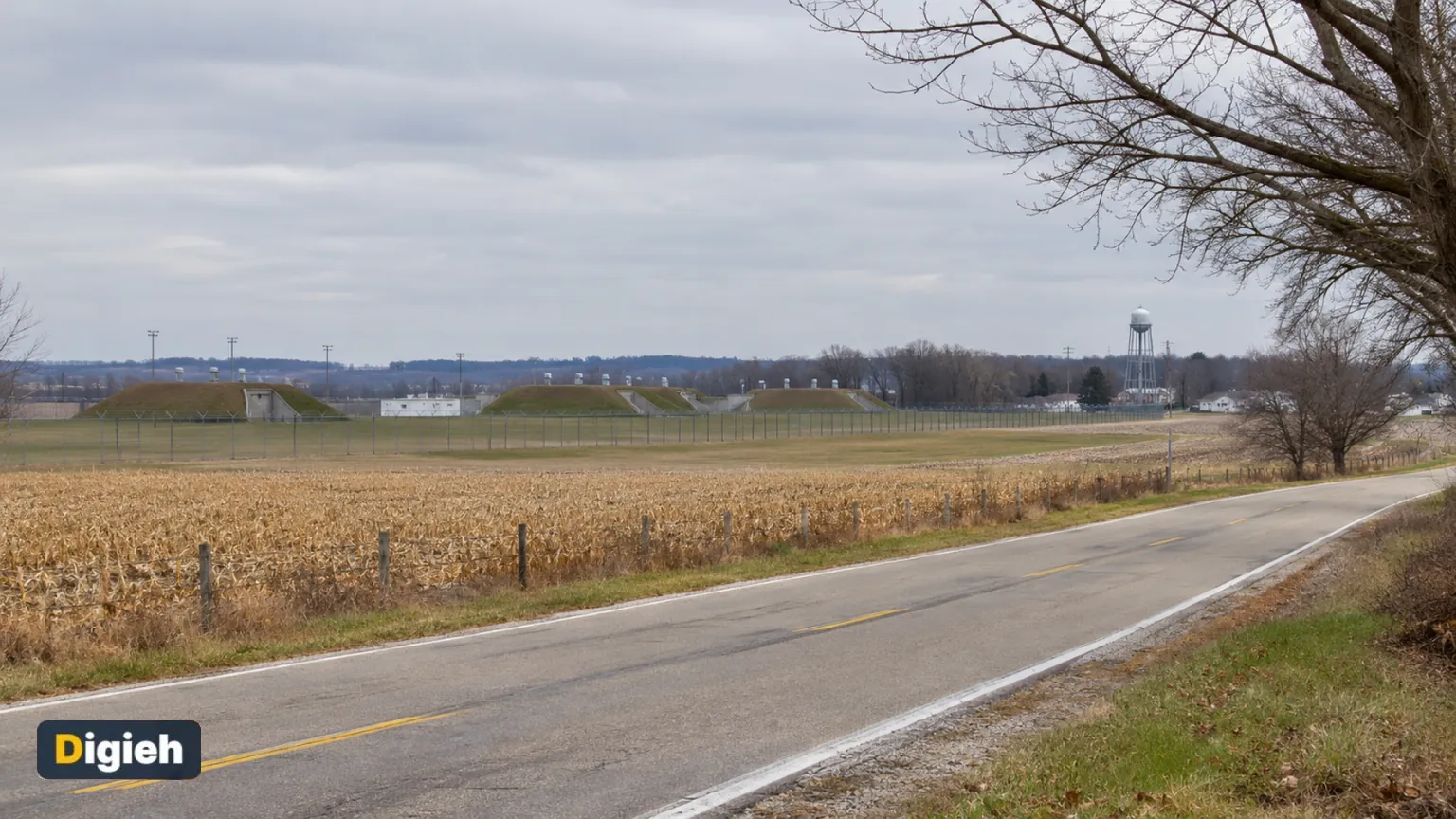
The Army will destroy 68 barrels of degraded lead azide at the Iowa Army Ammunition Plant. The plant sits next to Middletown, a town of fewer than 400 people.
Acting Army Secretary Adam Telle said the blast would take place Wednesday morning, Iowa Public Radio reported. The Army gave a time of about 9 in the morning central time.
About 9,500 poundsOf degraded lead azide in 68 barrels, the NewsHour program reported.
What Is Lead Azide?
Lead azide is a very sensitive explosive used to set off larger charges in ammunition. It also contains lead, a toxic metal.
The barrels sat for more than 20 years in a bath of ethanol and water, the Associated Press reported. A safety review in March found the material had changed.
The lead azide recrystallized, which made it more sensitive to friction and shock, ABC News reported. The Army says moving it could set it off.
Why not neutralize it? The Army looked at neutralizing the material with chemicals. It says that would mean more handling of the barrels and a higher risk of a deadly blast.
How We Got Here
| Date | What happened |
|---|---|
| March 2026 | A safety review found the degraded lead azide and paused the plant |
| November 13 | The Environmental Protection Agency granted the Army an emergency permit |
| November 20 | The first planned blast was put on hold by a federal appeals court |
| November 23 | The Eighth Circuit Court of Appeals lifted its hold |
| November 25 | The Army planned the blast for Wednesday morning |
Sources: NewsHour and Iowa Public Radio, checked November 25, 2026.
President Donald Trump said he agreed with military experts that detonation is the safer path. He also said he wanted the court and Iowa Governor-elect Rob Sand to agree first.
Rob Sand did not say directly whether he approved. He asked for more information on why a blast is the best option.
Environmental groups, including the Iowa Environmental Council and the Sierra Club, sued over the permit. They said the plan fell short on dust, testing and public notice.
Do you think residents got enough notice about this blast?
- Yes
- No
- Somewhat
- Not sure
How to Stay Safe
These steps come from the Iowa Department of Health and Human Services fact sheet. Always follow the newest official advice.
| When | What to do |
|---|---|
| Before | Bring toys, pet bowls and outdoor items inside. Cover garden beds |
| During | Stay indoors. Keep windows and doors closed |
| First 24 to 48 hours | Keep windows shut. Set your heating or car vents to recirculate air |
| After the all clear | Wet-clean windowsills, play sets and toys with soap and water |
| After the all clear | Wash your car. Change the cabin air filter if needed |
Source: Iowa Department of Health and Human Services, checked November 25, 2026.
- Keep windows and doors closed for 24 to 48 hours.
- Use a portable air cleaner with a fine particle filter if you have one.
- Take shoes off at the door.
- Wash hands before eating or drinking.
- Do not dry sweep. Use a damp cloth or mop instead.
Try this today. Wait for the Army to say the airborne dust period is over before you start cleaning outside.
Driving the day before Thanksgiving? Check our Thanksgiving storm travel forecast and keep a winter car emergency kit in the trunk.
Free updates
Join the Digieh list
Be the first to know when our weekly brief launches.
No spam. Unsubscribe anytime. Read our Privacy Policy.
Who Is Most at Risk
Lead harms the brain, nerves and kidneys. Health experts say no amount of lead is safe.
Iowa officials say children under 6 and pregnant women need the most care. Small children often put their hands and toys in their mouths.
Lead exposure may not cause symptoms right away. A blood lead test is the only way to check.
If you are worried, call your doctor and ask whether a test makes sense for your family.
When to Get Help
Call your doctor if you live in the plume area and are pregnant or have young children. Ask about a blood lead test.
Learn about lead and health from the Centers for Disease Control and Prevention and the Iowa health department.
- Questions to Ask Your Doctor: Should my child or I have a blood lead test?
- When is the best time to test after the blast?
- What signs of lead harm should I watch for in my child?
- Is it safe to eat vegetables from my garden this season?
What Happens Next
An Environmental Protection Agency team has been taking samples in Middletown since November 16. The agency expects a short rise in airborne lead as the plume passes.
The agency also plans to check drinking water. It said it would offer filters to homes where lead goes over the safety level.
Check the Army notices page for maps and the all clear. Winter also strains homes and power, see our winter power grid guide.
How long do Iowa health officials say to keep windows closed after the blast?
- 24 to 48 hours
- 2 hours
- One week
The Iowa health department advises 24 to 48 hours with windows and doors closed. Follow any newer advice.
Frequently Asked Questions
What is lead azide?
It is a sensitive explosive that contains lead. It is used to set off ammunition.
Why not move it somewhere safer?
The Army says the material has become so sensitive that moving it could set it off.
How far could the dust travel?
Army modeling reported by NewsHour says up to 100 miles, including parts of Illinois.
Should I get a blood lead test?
Ask your doctor. Testing is the only way to know if you were exposed.
Sources
- NewsHour: What to know about the Iowa detonation
- Iowa Public Radio: Court lifts stay
- Iowa Department of Health and Human Services: Detonation fact sheet
- The Associated Press via Minnesota Public Radio: Iowa residents brace for lead dust
- ABC News: Lead azide to be detonated
- United States Army: Iowa Army Ammunition Plant notices
Editor’s Note
This article is accurate as of November 25, 2026. Written before the planned blast. Facts come from NewsHour, Iowa Public Radio, the Associated Press, ABC News, the Army and the Iowa health department. We will update this post after the detonation.
Spot an error in this article? Please contact us at support@digieh.com or read our Corrections Policy.
Keep exploring
Your next read is waiting
 1Finance & MarketsJensen Huang Returns to Lead Nvidia After Resigning4 min read
 2HealthRosacea: Triggers, Symptoms and Treatment Options That Help7 min read
 3Parenting & FamilyFood Stamp Rule Could Change Free School Meals4 min read
 4AI & TechChatGPT Classic Is Retiring: How to Switch Apps4 min read
 5Pets & AnimalsFleas on Dogs and Cats: Treatment and Prevention7 min read
 6NewsThanksgiving Storm 2026: Where Travel Delays Are Likely4 min read
Found this useful?