TRENDING
Google Project Suncatcher: Space Data Centers by 2029
Google picked Blue Origin to launch Project Suncatcher satellites in 2029. What was announced, the timeline, why use space and the big problems still left.

4 min read
Last updated November 21, 2026
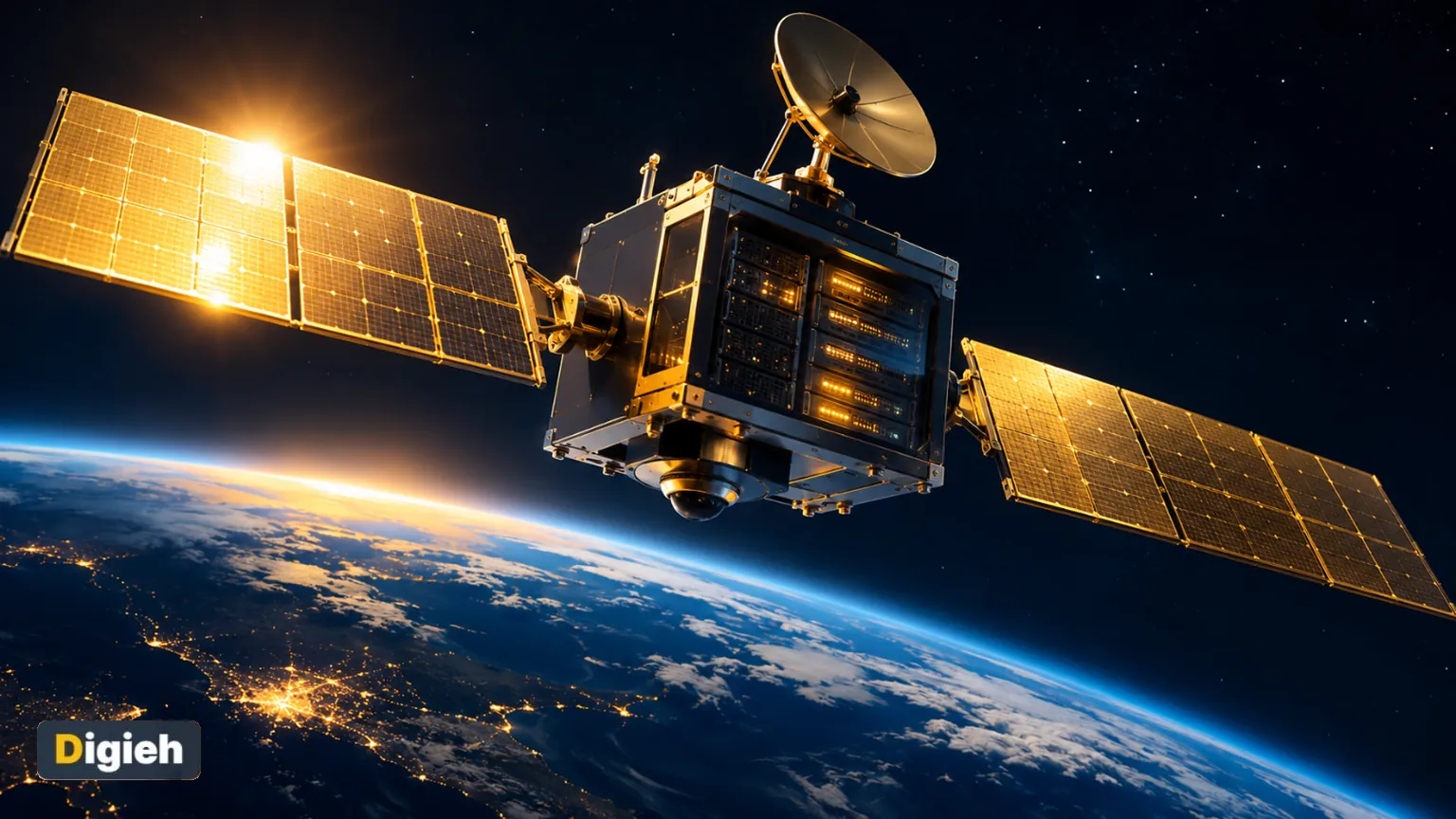
Google plans to launch small computing satellites on a Blue Origin rocket in early 2029. Each satellite will carry about as much computing power as one data center rack.
The project is called Suncatcher. The idea is to run computer chips on steady sunlight in orbit, not on grid power.
Key Takeaways.
- Google signed a launch deal with Blue Origin on November 19, 2026.
- The first heavy launch is planned for the first quarter of 2029 on a New Glenn rocket.
- Each satellite holds roughly one data center rack of computing.
- Big problems remain, including heat, radiation, cost and space debris.
Jump to a section
- What was announced
- Timeline
- Why put computers in space
- The big problems
- What it means for you
- What happens next
- Frequently asked questions
- Conclusion
What Google Announced
Google picked Blue Origin’s New Glenn rocket for its first heavy-lift Suncatcher launch, says Google’s announcement.
The satellites will fly in a sun-synchronous orbit, a path that keeps them in sunlight much of the time. Google has not said how many satellites will go up.
Blue Origin confirmed the deal in its own news release.
1 rackComputing power per satellite, roughly the capacity of one data center rack, says Google’s project lead in Via Satellite.
Suncatcher Timeline
| When | Milestone |
|---|---|
| November 2025 | Google announces Project Suncatcher as a long-term moonshot |
| October 2026 | First test satellite with a Google chip launches with Planet on a rideshare |
| November 19, 2026 | Launch deal signed with Blue Origin |
| Early 2029 | First heavy-lift launch on New Glenn |
Sources: Google, Via Satellite and Engadget, checked November 21, 2026.
Why Put Computers in Space?
- Sunlight in orbit is strong and steady, so solar panels can work most of the time.
- Space data centers would not need land or local water for cooling.
- They would ease pressure on power grids on the ground.
- They make no noise near homes.
Data centers on Earth use a lot of electricity. That is one reason power grids are under strain, as our winter power grid guide explains.
The Big Problems Still to Solve
Experts say the idea is promising but hard. Engadget lists several challenges.
- Heat. In space, heat cannot blow away. It must be released through pipes and panels.
- Radiation. It can flip bits in computer memory and cause errors.
- Cost. One large rocket launch costs tens of millions of dollars.
- Debris. More satellites raise the risk of collisions in orbit.
Objects in low orbit have grown from under 2,000 to over 47,000, Engadget reports. A computer engineering professor said scaling up will take years and enormous funds.
Would you trust data centers in space?
- Yes, it is the future
- Maybe, if it is safe
- No, keep them on Earth
- Not sure
Free updates
Join the Digieh list
Be the first to know when our weekly brief launches.
No spam. Unsubscribe anytime. Read our Privacy Policy.
What It Means for You
Nothing changes for everyday users soon. Your searches and apps will keep running on ground data centers for years.
In the long run, space computing could add capacity without new power plants. It could also crowd orbit, which affects services like the phone satellite service some carriers now offer.
Rockets are getting more reusable, which helps cost. See our story on the Starship booster catch.
What Happens Next
Google says the Blue Origin launch builds on work with other satellite and launch partners. It has not shared a satellite count or a date for a full orbital data center.
We will update this page when Google shares more test results or launch details.
Try this today. Next time you hear about a big data center project, check where its power comes from. It tells you a lot about its impact.
Test Yourself
When is the first heavy-lift Suncatcher launch planned?
- Early 2027
- Early 2029
- Late 2035
Google says the first heavy-lift launch on Blue Origin’s New Glenn is planned for the first quarter of 2029.
Frequently Asked Questions
What is Project Suncatcher?
It is Google’s long-term plan to run computer chips on solar-powered satellites in orbit.
Which rocket will launch it?
Blue Origin’s New Glenn, in the first quarter of 2029.
How powerful is each satellite?
About as powerful as one data center rack, according to Google.
Conclusion
Google is serious about testing data centers in space, with a launch booked for 2029. Big technical and cost problems still stand in the way.
Your next step is simple. Watch for Google’s test results over the next two years.
Editor’s Note
This article is accurate as of November 21, 2026. Details come from Google’s and Blue Origin’s November 19 announcements and reporting by Via Satellite and Engadget.
Spot an error in this article? Please contact us at support@digieh.com or read our Corrections Policy.
Keep exploring
Your next read is waiting
 1Food & LifestyleElectric Blanket vs Space Heater: Which Costs Less?7 min read
 2HealthBronchitis vs Pneumonia: Symptoms and When to Worry7 min read
 3TechnologyHow to Make a GIF for WhatsApp, Tested7 min read
 4AI & TechKindle vs iPad for Reading: Which to Buy7 min read
 5NewsWill the Grid Hold This Winter? NERC Explained5 min read
 6Pets & AnimalsCost of Owning a Cat: Yearly Budget, Calculator7 min read
Found this useful?