TRENDING
Winter Packing List: What to Pack for a Cold Trip


8 min read
Last updated November 9, 2026
A good winter packing list starts with layers. Pack a base layer, a warm middle layer, a water-resistant coat, a hat, gloves, warm socks and waterproof boots.
Then add skin care, chargers, documents and a few cold-weather extras. This guide gives you a full checklist, packing tips to save space and advice for different kinds of winter trips.
Key Takeaways
- Layering keeps you warm and lets you adjust as the temperature changes.
- The Centers for Disease Control and Prevention advises a water-resistant coat and boots plus several loose layers.
- Wear your bulkiest coat and boots on the plane to save suitcase space.
- Lip balm, moisturizer and sunscreen matter more in cold, dry air.
- Cold drains phone batteries faster, so pack a portable charger.
Inside this guide
- The layering system
- Clothing checklist
- Accessories that keep you warm
- Toiletries and skin care
- Tech and documents
- How to save suitcase space
- Packing for different winter trips
- Road trip extras
- Frequently asked questions
Want more detail on each layer? Read our guide on how to layer clothes for cold weather.
Start With the Layering System
Layers trap warm air between them. They also let you peel one off when you walk into a heated shop or train.
The Centers for Disease Control and Prevention recommends several layers of loose-fitting clothing in its winter weather guidance. It also advises a water-resistant coat and boots.
| Layer | Job | Good choices |
|---|---|---|
| Base layer | Moves sweat away from your skin | Merino wool or synthetic thermal tops and leggings |
| Middle layer | Holds in body heat | Fleece, wool sweater or light down vest |
| Outer layer | Blocks wind, rain and snow | Water-resistant insulated coat or shell |
Cotton holds moisture and feels cold once it gets damp. Choose wool or synthetic fabrics for the layer closest to your skin.
3Core clothing layers for cold weather, base, middle and outer, plus a hat, gloves and warm socks.
Winter Clothing Checklist
This list suits a trip of about one week. Adjust the numbers for shorter or longer stays.
- 2 to 3 thermal base layer tops and 2 bottoms
- 2 to 3 warm sweaters or fleece tops
- 2 pairs of pants, such as jeans and lined trousers
- 1 warm, water-resistant winter coat
- 1 light packable down jacket or vest
- 5 to 7 pairs of warm socks, including wool pairs
- Underwear for each day
- Pajamas or warm loungewear
- 1 dressier outfit for dinners or events
- Waterproof boots with good grip
- Comfortable indoor shoes or slippers
Pick clothes in a few colors that all mix and match. Then every top works with every pair of pants.
Quick tip. Bring wool socks even if you think you will not need them. Cold, wet feet can ruin a whole day out.
Accessories That Keep You Warm
Small items make a big difference in cold weather. The health agency advises covering your face and mouth with a scarf or knit mask. It also suggests a hat and mittens or gloves.
- A warm hat that covers your ears
- A scarf, neck gaiter or knit face mask
- Insulated gloves or mittens, plus thin touchscreen liners
- Hand and foot warmers for very cold days
- Sunglasses for bright snow
- A compact umbrella for wet winter cities
Mittens keep hands warmer than gloves because your fingers share heat. Thin liners underneath let you use your phone without freezing.
What do you always forget to pack for winter trips?
- Gloves
- A warm hat
- Lip balm
- Not sure
Toiletries and Skin Care
Cold air outside and dry heated air inside can leave skin cracked and sore. Pack a few extras to stay comfortable.
- Lip balm, ideally with sunscreen
- A rich moisturizer for face and hands
- Sunscreen, since snow reflects sunlight
- Travel-size shampoo, conditioner and body wash
- Saline nasal spray or tissues for dry air
- Any prescription medicines in original packaging
- A small first aid kit
Check the latest carry-on rules for liquids before you fly. The Transportation Security Administration keeps an updated What Can I Bring list on its website.
Keep medicines in your carry-on bag, not your checked suitcase. Bags can be delayed during winter storms.
Need more help staying well on the road? See our tips to stay healthy during holiday travel.
Tech and Documents
- Passport or ID, plus copies stored safely in the cloud
- Booking confirmations and travel insurance details
- Phone and a portable power bank
- Chargers and a travel adapter for foreign trips
- Headphones for flights and trains
- A reusable water bottle
Cold weather drains phone batteries faster than usual. Keep your phone in an inside pocket and carry a charged power bank.
Our guide to extending phone battery life has more tips for cold days.
Good to know. Many airlines limit power banks to carry-on bags only. Never pack them in checked luggage.
How to Save Suitcase Space
Winter clothes are bulky, but smart packing helps them fit.
- Wear your heaviest coat, sweater and boots on travel day.
- Roll soft items like base layers and pajamas.
- Use packing cubes or compression bags for sweaters.
- Stuff socks and gloves inside your shoes.
- Choose one pair of versatile boots instead of several shoes.
- Plan to rewear sweaters and pants, and wash base layers if needed.
A light down jacket packs into a small pouch. It works as a middle layer under your coat or alone on milder days.
Pack a small foldable tote too. It is handy for shopping and for carrying extra layers.
Packing for Different Winter Trips
City break
Focus on a stylish warm coat, comfortable waterproof boots and layers you can remove in museums and cafes. A compact umbrella helps in rainy cities.
Heading to the holiday markets? Our guide to Christmas markets in Europe covers what to expect.
Ski or snow trip
Add waterproof snow pants, a ski jacket, goggles, thermal socks and a neck gaiter. Many resorts rent helmets and equipment.
Visiting family for the holidays
Pack comfortable layers for indoor days, one festive outfit and room for gifts. Wrapping gifts after you arrive saves space and avoids damage.
Long flight to somewhere cold
Dress in layers for the plane, since cabins can feel warm or cool. Our tips to beat jet lag help you feel better on arrival.
Free updates
Join the Digieh list
Be the first to know when our weekly brief launches.
No spam. Unsubscribe anytime. Read our Privacy Policy.
Road Trip Extras
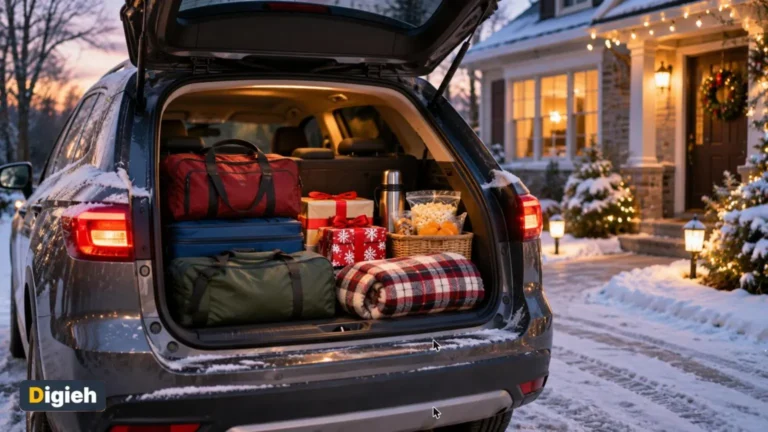
Driving in winter needs extra planning. The National Weather Service suggests an emergency car kit for cold weather.
- Blankets or sleeping bags
- Extra warm clothes, gloves, a hat and boots
- Water and non-perishable snacks
- A flashlight with spare batteries
- A shovel, ice scraper and sand or cat litter for traction
- Jumper cables and a phone charger
The weather service also advises keeping at least half a tank of gas in very cold weather. Read our guide on how to drive in snow before you set out.
Planning a family trip? Our guide to traveling with kids covers flights, car seats and keeping everyone happy.
Packing for Kids in Winter
Children lose heat quickly and often get wet playing in snow. Pack more spare layers for them than for adults.
- Extra socks, gloves and hats, since they get wet fast
- A waterproof snowsuit or snow pants for snowy places
- Thermal base layers for outdoor days
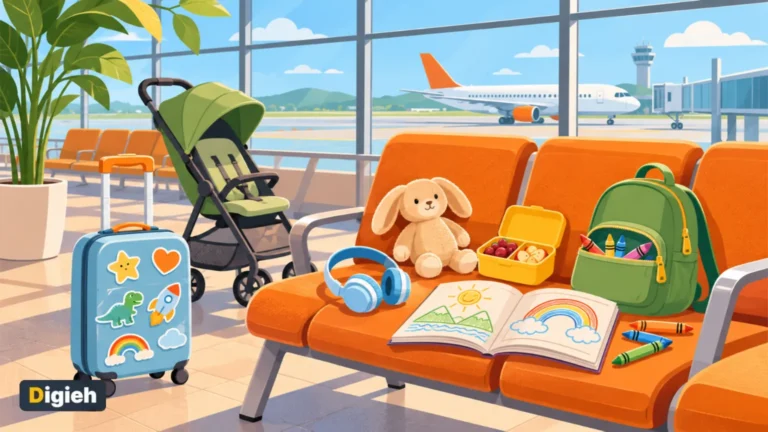
- Small comfort items and snacks for long travel days
- A change of clothes in your carry-on bag
Dress kids in layers that are easy to remove indoors. Check often that their hands and feet stay dry and warm.
What to Leave at Home
Overpacking makes winter travel harder. Skip items you can buy or borrow at your destination.
- Full-size toiletries that hotels often provide
- More than two pairs of bulky shoes
- Outfits you would wear only once
Mistakes to Avoid
- Packing only cotton layers that stay cold when damp
- Bringing new boots you have not broken in
- Forgetting gloves, hats or lip balm
- Packing medicines in checked bags
- Ignoring the forecast for your destination
Check the weather a few days before you leave and again the night before. Then adjust your layers to match.
Your Winter Packing Checklist
- Base, middle and outer layers
- Water-resistant coat and boots
- Hat, scarf and gloves or mittens
- Warm wool socks
- Lip balm, moisturizer and sunscreen
- Medicines in my carry-on
- Phone, power bank and chargers
- ID, tickets and insurance details
Bringing your favorite knits? Keep them looking good with our guide on how to care for cashmere and wool. To keep costs down, see how to save money on holiday travel.
Try this today. Lay out every item on your bed before packing. Remove anything you would not wear at least twice.
Test Yourself
Which fabric is the worst choice for a base layer in cold weather?
- Merino wool
- Cotton
- Synthetic thermal fabric
Cotton holds moisture and feels cold once damp, while wool and synthetics move sweat away.
Where should you pack a power bank when flying?
- In your carry-on bag
- In your checked suitcase
- Either one
Many airlines allow power banks only in carry-on bags.
Frequently Asked Questions
How many sweaters should I pack for a week?
Two or three is usually enough. Sweaters can be worn several times between washes.
Should I bring snow boots or regular boots?
For snowy places, pack waterproof boots with good grip. For mild winter cities, water-resistant everyday boots often work.
How do I keep my hands warm while using my phone?
Wear thin touchscreen liner gloves under warmer mittens. Remove the mittens only when you need your phone.
Is a carry-on enough for a winter trip?
Yes, if you wear your bulkiest items and pack mix-and-match layers.
Conclusion
A smart winter packing list is built on layers, warm accessories and good boots. Add skin care, chargers and documents, and you are ready for the cold.
Wear your bulkiest items on travel day and check the forecast before you go.
Found this useful?
Editor’s Note
This guide is accurate as of November 9, 2026. It draws on cold weather advice from the Centers for Disease Control and Prevention and the National Weather Service.
Airline and airport rules change, so check with your airline and the security agency before you fly.
Spot an error in this article? Please contact us at support@digieh.com or read our Corrections Policy.
Keep exploring
Your next read is waiting
 1Travel & TourismHow to Renew a Passport Online: Steps, Fees and Rules8 min read
 2Food & LifestyleEasy Lasagna Recipe: Classic, Cheesy and Make-Ahead8 min read
 3CarsPenny Test for Tires: How to Check Tread Depth8 min read
 4BikesRiding a Bike in Winter: Gear, Safety and Tips8 min read
 5Home & KitchenPower Outage Preparedness: How to Get Ready and Stay Safe8 min read
 6NewsBoxing Day 2026: Date, Bank Holiday and Traditions8 min read