TRENDING
How to Drive in Snow Safely, Simple Tips That Work

8 min read
Last updated November 9, 2026
To drive safely in snow, slow down, leave much more space and make every move gently. Brake, steer and speed up smoothly so your tires keep their grip.
Preparation matters just as much as driving skill. This guide covers what to check before you leave and how to handle the road. It also explains what to do if you get stuck.
Key Takeaways
- Slow down and greatly increase your following distance.
- Make smooth, gentle moves with the brakes, gas and steering wheel.
- With anti-lock brakes, press firmly and hold steady pressure.
- Give snowplows plenty of room and never crowd them.
- If you cannot drive on, stay with your car and keep the exhaust pipe clear.
Inside this guide
- Why snow driving is risky
- Before you drive
- On the road
- Braking in snow
- If your car skids
- Hills and curves
- If you get stuck
- Frequently asked questions
Why Snow Driving Is Risky
Snow and ice reduce the grip between your tires and the road. Stopping takes longer, and small mistakes can cause a slide.
The Federal Highway Administration tracks how weather affects crashes. Its road weather data shows freezing precipitation causes about 219,942 crashes a year on average.
407Yearly deaths in freezing precipitation crashes, 2019 to 2023 average, per the Federal Highway Administration.
The National Highway Traffic Safety Administration reports 131,698 police-reported crashes in snow or sleet in 2024. Its winter driving tips start with good preparation.
Before You Drive
Check the weather and your route
Look at the forecast and road conditions before you leave. If roads are bad, postpone trips that are not essential.
Know the difference between alerts. Our guide to winter storm watch vs warning explains what each one means.
Clear the whole car
Brush snow off the roof, hood, lights and every window. Snow sliding off your roof can block your view or hit the car behind you.
Check tires, battery and wipers
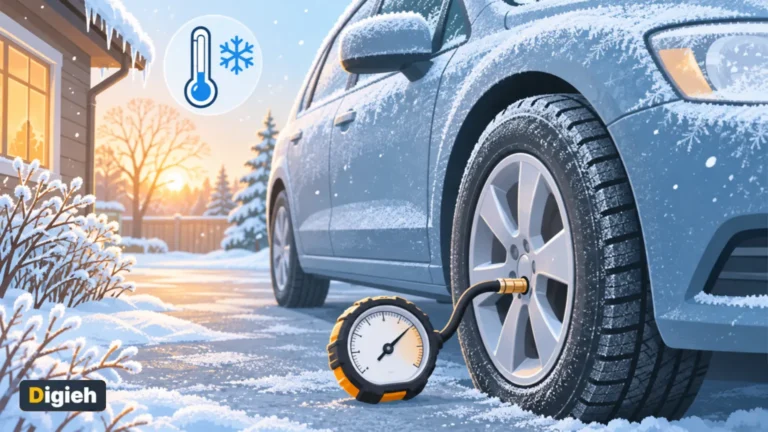
The safety agency says tread should be at least 2/32 of an inch. Use the penny test, and replace tires if you can see the top of Lincoln’s head.
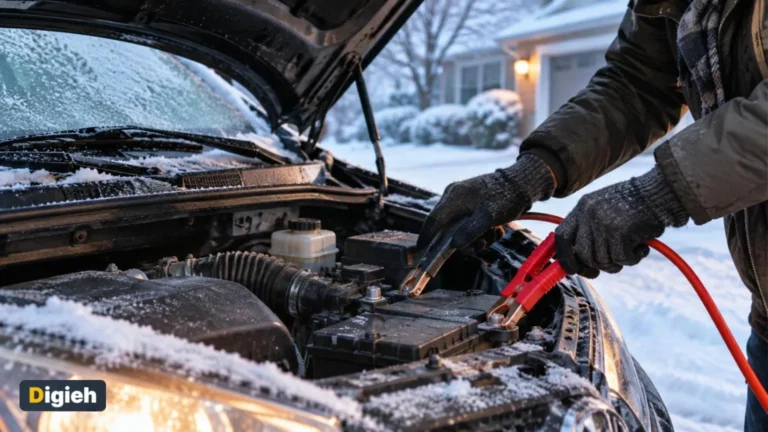
Cold weather weakens batteries and lowers tire pressure. Read our cold-weather car battery tips before a big freeze.
Fill the washer tank with winter fluid that has de-icer. Replace worn wiper blades before the storm, not during it.
Keep fuel and charge high
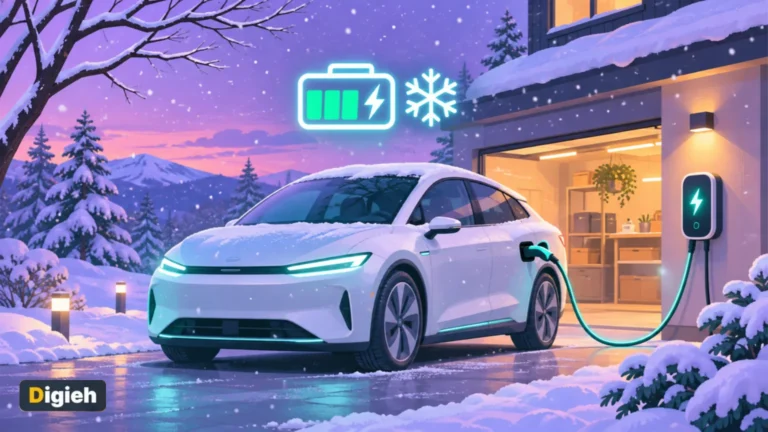
Keep the gas tank close to full in winter. Electric and hybrid drivers should keep the battery charged, such as by plugging in overnight.
Good to know. Tell someone your route and expected arrival time on long winter trips. They will know to call for help if you are late.
On the Road
- Drive well below the speed limit when roads are slick.
- Leave much more space than usual between you and the car ahead.
- Accelerate slowly to avoid spinning the wheels.
- Turn on your headlights so others can see you.
- Avoid cruise control on snowy or icy roads.
- Watch for black ice on bridges, overpasses and shaded spots.
Gentle inputs are the key to snow driving. Pretend there is an egg under each pedal.
Give snowplows room
The safety agency notes that plows drive slowly, turn wide, stop often and may overlap lanes. Stay well back and do not pass unless it is clearly safe.
How confident do you feel driving in snow?
- Very confident
- Somewhat confident
- Not confident at all
- Not sure
Braking in Snow
Brake earlier and more gently than you would on dry roads. Start slowing down long before stop signs and lights.
Most modern cars have anti-lock brakes. The safety agency says to press firmly and hold steady pressure, even if the pedal pulses.
If your car does not have anti-lock brakes, pump the brakes gently when the wheels start to lock. Check your owner’s manual if you are not sure which type you have.
If Your Car Skids
A skid can feel scary, but staying calm helps. Ease off the gas and do not slam the brakes.
Look and steer gently in the direction you want the car to go. Small, smooth corrections work better than big turns.
Once the tires grip again, straighten the wheel and slow down. Practice in an empty, snowy parking lot can build your confidence.
Quick tip. Keep your eyes on your escape path, not on the object you fear hitting. Your hands tend to follow your eyes.
Hills and Curves
Build a little speed before an uphill and keep steady gas as you climb. Stopping halfway up a snowy hill can leave you stuck.
Go down hills slowly in a lower gear if your car allows it. Brake gently before the slope rather than on it.
Slow down before curves, not in the middle of them. Braking while turning on snow can cause a slide.
Driving at Night and in Blowing Snow
Visibility drops fast in heavy snow and darkness. Use low beams, because high beams reflect off falling snow.
If you cannot see, find a safe place to pull off the road and wait. Turn on hazard lights so others can see you.
Check your tread before winter with the quick penny test for tires.
Snow Tires and Chains
Winter tires use soft rubber and deep treads that grip better in the cold. They can make a big difference in snowy areas.
Some mountain roads require chains or traction devices during storms. Check your state’s rules and practice putting chains on at home first.
Still deciding on tires? Compare snow tires vs all-season tires to see which fits your winters.
Parking in Snow
Park away from snowplow routes if you can, so plows do not bury your car. Point the car out of a driveway for an easier exit.
Lift the wipers off the windshield before a freeze so they do not stick. Some drivers cover the windshield with a sheet or cover.
Never leave a car running unattended to warm up. It wastes fuel and can be unsafe in a closed space.
Want more miles in the cold? Read our electric car winter range tips.
Free updates
Join the Digieh list
Be the first to know when our weekly brief launches.
No spam. Unsubscribe anytime. Read our Privacy Policy.
Electric Cars in Snow
Electric cars handle snow well thanks to smooth power and heavy batteries low in the frame. Cold weather does reduce range, though.
Precondition the cabin while the car is still plugged in. That warms the car using grid power instead of battery power.
Plan charging stops with extra margin on winter trips. Chargers can be busy during storms.
Thinking about switching cars? Our guide to EV vs hybrid compares costs, charging and range.
Tips for New and Teen Drivers
New drivers should practice in snow with an experienced adult first. An empty parking lot is the best place to start.
Practice gentle braking, slow turns and steering out of a small slide. Short practice sessions build confidence without big risks.
Parents can set simple winter rules, such as no driving during storms. Keeping phones out of reach removes another danger.
Watch for People on Foot
Snowbanks can hide people walking, children playing and cyclists. Slow down near schools, bus stops and crosswalks.
People on foot may slip or walk in the street when snow covers the sidewalks. Give them extra space.
If You Get Stuck
If your wheels spin, stop pressing hard on the gas. Clear snow from around the tires and under the car.
Spread sand or cat litter under the drive wheels for traction. Rock the car gently forward and back to free it.
If you cannot get moving
- Stay with your car, since it gives shelter and helps rescuers find you.
- Tie a bright cloth to the antenna or window and keep the dome light on at night.
- Run the engine only now and then to stay warm.
- Keep the exhaust pipe clear of snow to avoid carbon monoxide.
- Do not overexert yourself shoveling.
A good kit makes waiting safer. Our winter car emergency kit guide lists what to pack.
The National Weather Service also advises dressing for the outdoors even on short trips, in its cold weather tips.
Watch Your Dashboard
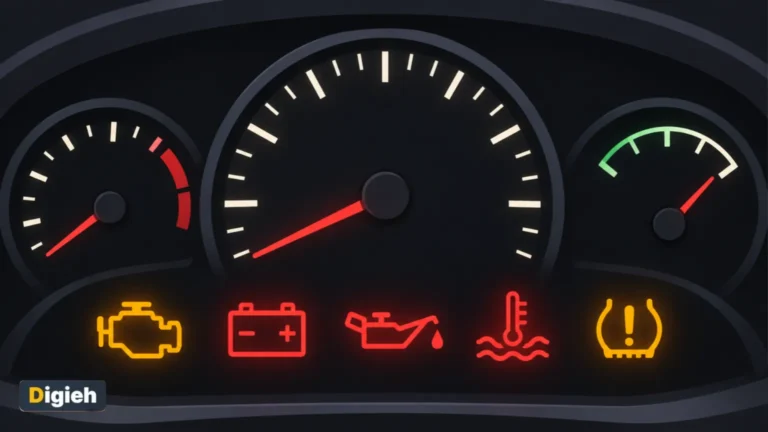
Cold weather can trigger warning lights, like low tire pressure. Do not ignore them on a winter drive.
Our guide to dashboard warning lights explains which ones need fast action.
Your Snow Driving Checklist
- I checked the forecast and road conditions
- The whole car is clear of snow and ice
- My tires have good tread and pressure
- The gas tank is close to full
- My winter kit is in the car
- Someone knows my route and arrival time
Try this today. Do the penny test on all four tires and top up your washer fluid with a winter blend.
Test Yourself
How should you use anti-lock brakes in snow?
- Pump them quickly
- Press firmly and hold steady pressure
- Avoid braking at all
Federal safety officials say to apply firm, steady pressure with anti-lock brakes.
What is the minimum tire tread depth the safety agency recommends?
- 2/32 of an inch
- 1/2 of an inch
- Any tread is fine
The agency says tread should be at least 2/32 of an inch on all tires.
Frequently Asked Questions
How fast should I drive in snow?
Drive well below the speed limit and slow enough to stop safely. Conditions decide the right speed.
Is all-wheel drive enough for snow?
All-wheel drive helps you get moving, but it does not help you stop. Slow down anyway.
Should I warm up my car before driving?
A short warm-up is fine, but never run the engine in a closed garage. Clear the exhaust pipe first.
Conclusion
Safe snow driving comes down to preparation and patience. Clear your car, check your tires, slow down and make every move smooth.
When conditions look dangerous, the safest trip is often the one you postpone until later.
Found this useful?
Editor’s Note
This guide is accurate as of November 9, 2026. It draws on the National Highway Traffic Safety Administration, the Federal Highway Administration and the National Weather Service.
Road rules and chain laws vary by state, so check local guidance.
Spot an error in this article? Please contact us at support@digieh.com or read our Corrections Policy.
Keep exploring
Your next read is waiting
 1FashionHow to Unshrink a Sweater in Easy Steps9 min read
 2MedicinesDo Probiotics Work? What Science Says About Them9 min read
 3Fruits & VegetablesHow to Cook Brussels Sprouts That Taste Great9 min read
 4Home & KitchenHow to Remove Red Wine Stains From Anything9 min read
 5Food & LifestyleHealthy Christmas Cookies That Still Taste Like Treats9 min read
 6BusinessHoliday Gift Ideas for Coworkers Under 25 Dollars9 min read