TRENDING
Electric Car Winter Range: Tips to Get More Miles

8 min read
Last updated November 9, 2026
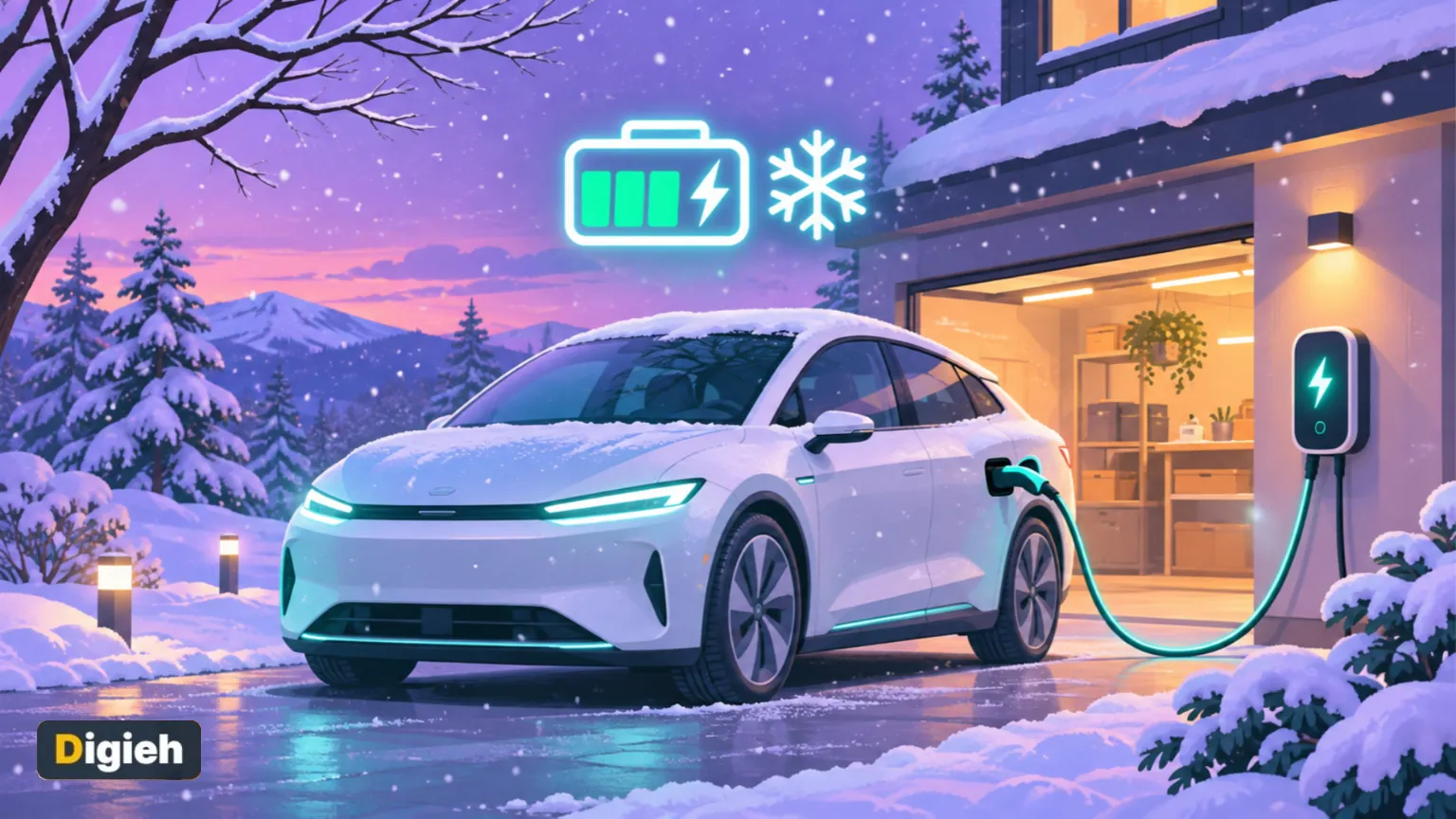
Electric cars lose range in cold weather, mostly because heating the cabin and battery uses energy. To get more miles in winter, preheat the car while it charges. Also use seat and steering wheel heaters and keep your tires properly inflated.
Parking in a garage and driving smoothly help too. This guide explains why range drops, how much to expect and the best tips for winter driving and charging.
Key Takeaways
- At 20 degrees Fahrenheit, electric car range can fall about 41 percent with the heater on.
- Without the cabin heater, the drop is closer to 12 percent.
- Preheating while plugged in uses grid power instead of your battery.
- Seat heaters use far less energy than heating the whole cabin.
- Cold batteries charge more slowly, so plan extra time at chargers.
Inside this guide
- Why electric cars lose range in the cold
- How much range you lose
- Tips to boost winter range
- Charging in cold weather
- Planning winter road trips
- Tires and traction
- Winter electric car myths
- Frequently asked questions
Why Electric Cars Lose Range in the Cold
Batteries work through chemical reactions that slow down in the cold. A cold battery cannot deliver or accept energy as easily.
Heating is the bigger factor. Gas cars heat the cabin with waste engine heat, but electric cars must use battery power to stay warm.
The car may also spend energy warming the battery itself. That protects the battery but uses some of your range.
41%Average range drop at 20 degrees Fahrenheit with the cabin heater on, per FuelEconomy.gov.
How Much Range You Lose
The Department of Energy’s FuelEconomy.gov cold weather page shares test results at 20 degrees Fahrenheit.
| Condition at 20 degrees | Typical range drop |
|---|---|
| Cabin heater on, mixed driving | About 41 percent |
| Cabin heater off | About 12 percent |
The site says about two-thirds of the extra energy goes to heating the cabin. So how you heat the car matters a lot.
Real results vary by model, speed, trip length and how cold it gets. Short trips lose more range, since the car keeps reheating from cold.
Good to know. Range comes back as the weather warms. Winter losses are temporary, not permanent battery damage.
Tips to Boost Winter Range
Preheat while plugged in
Warm the cabin and battery before you unplug. The energy comes from the grid, so you leave with a full battery and a warm car.
Most electric cars let you schedule this in the app or on the dashboard. Set it for your usual departure time.
Use seat and steering wheel heaters
Heated seats and steering wheels warm you directly. FuelEconomy.gov recommends using seat warmers instead of the cabin heater to save energy.
Try a lower cabin temperature with seat heaters on. Many drivers feel just as comfortable.
Park somewhere warmer
A garage keeps the battery and cabin warmer overnight. Even an unheated garage helps compared with parking outside.
Check tire pressure
Cold air lowers tire pressure, which increases rolling resistance. FuelEconomy.gov advises checking tire pressure regularly in winter.
Our guide to tire pressure in cold weather explains how to check and fill your tires.
Drive smoothly
- Accelerate gently.
- Keep highway speeds moderate, since range drops faster at high speed.
- Use regenerative braking where it is safe, but ease off on slippery roads.
- Use the car’s eco or efficiency mode if it has one.
Quick tip. Clear all snow off the car before driving. Snow adds weight and drag, and roof snow can fly off and hit other drivers.
How much range does your electric car lose in winter?
- Less than 20 percent
- 20 to 40 percent
- More than 40 percent
- Not sure
Charging in Cold Weather
Cold batteries accept charge more slowly. A fast charging stop that takes 30 minutes in summer may take longer in winter.
Precondition before fast charging
Many electric cars can warm the battery while you drive to a fast charger. Set the charger as your navigation destination so the car knows to prepare.
Charge at home overnight
Home charging is the easiest winter routine. Plug in each night and set departure preheating for the morning.
Charging right before you leave also helps, since the battery stays warm from charging.
Keep a buffer
Avoid letting the battery run very low in freezing weather. A buffer gives you room for detours, traffic and heating.
Planning Winter Road Trips
- Plan for less range than usual and add extra charging stops.
- Check that chargers on your route are working before you leave.
- Pack a blanket, snacks and water in case of delays.
- Charge when the battery is warm, such as right after driving.
- Keep the cabin a little cooler and use seat heaters on long drives.
If you get stuck in traffic, an electric car can keep you warm for hours using little power. Still, keep enough charge for emergencies.
Pack smart with our winter packing list, which includes a road trip section.
Tires and Traction
Electric cars are heavy and deliver power instantly. On snow and ice, that can make wheels spin if you press too hard.
Winter tires help a lot. Compare your options in our guide to snow tires vs all-season tires.
Smooth inputs matter even more on ice. Read how to drive on black ice and our full guide on how to drive in snow.
Heat Pumps Make a Difference
Many newer electric cars use a heat pump instead of a simple resistance heater. A heat pump moves heat rather than creating it, so it uses less energy in mild cold.
In very low temperatures, heat pumps become less efficient. Even so, cars with heat pumps often lose less winter range.
If you live somewhere cold and are shopping for an electric car, ask whether it has a heat pump.
Free updates
Join the Digieh list
Be the first to know when our weekly brief launches.
No spam. Unsubscribe anytime. Read our Privacy Policy.
Winter Care for Your Electric Car
- Keep the charging port clear of ice and snow.
- Use winter washer fluid, since you will spray it often on salty roads.
- Wash off road salt regularly to protect the underbody.
- Replace worn wiper blades before the first storm.
- Keep the 12-volt battery healthy, since it powers key systems.
If the charging port door freezes shut, preheating the car often thaws it. Avoid pouring hot water on it, which can refreeze.
Smart Settings to Try
Most electric cars include features that help in winter. Look in your settings menu for these options.
- Scheduled departure or preconditioning
- Battery warming before fast charging
- Seat, steering wheel and mirror heaters
- A range or efficiency display that shows heating use
Watching the energy display for a few days shows you which habits save the most range.
Protecting Battery Health in Winter
Cold weather itself does not ruin a battery, but a few habits help it age well. Plug in whenever you can during freezing spells, so the car can manage battery temperature.
Try not to leave the car parked for days with a nearly empty battery in deep cold. If you will be away, follow your car maker’s advice for storage charge levels.
Most electric car batteries also come with long warranties. Check yours to see what it includes.
Winter Electric Car Myths
Do electric cars stop working in winter?
No. They lose range, but they start easily, heat up fast and handle well with good tires. Millions of drivers use them in cold places.
Will the battery freeze?
No. Electric cars manage battery temperature to protect it. Plugging in during very cold weather helps the car keep the battery warm.
Is winter range loss permanent?
No. Range returns as temperatures rise. Cold weather affects range temporarily, not the battery’s long-term health.
Electric, Hybrid or Gas in Winter?
| Type | Winter strengths | Winter drawbacks |
|---|---|---|
| Electric | Quick heat, instant torque, no warm-up needed | Range and charging speed drop |
| Plug-in hybrid | Gas backup for long trips | Electric range shrinks in cold |
| Hybrid and gas | Familiar refueling, little range worry | Slower cabin warm-up |
Not sure which suits your climate? See our electric car vs hybrid comparison.
Your Winter Range Checklist
- I preheat the car while plugged in
- I use seat and wheel heaters
- I park in a garage when possible
- I check tire pressure regularly
- I plan extra time for charging
- I keep a charge buffer in freezing weather
Try this today. Open your car app and set a departure time for tomorrow morning. Your car will be warm and fully charged when you leave.
Test Yourself
What uses the most extra energy in an electric car in winter?
- The headlights
- Heating the cabin
- The radio
About two-thirds of the extra energy goes to cabin heating, per the energy department.
What is the best way to warm an electric car before driving?
- Idle it for 20 minutes unplugged
- Blast the heat on a cold battery
- Preheat it while plugged in
Preheating while plugged in uses grid power and saves battery range.
Frequently Asked Questions
How much range do electric cars lose in winter?
Tests at 20 degrees Fahrenheit show about 41 percent with the heater on and 12 percent with it off.
Should I charge to 100 percent in winter?
For long trips, it can help. For daily driving, follow your car maker’s charging advice.
Is it safe to charge an electric car in snow?
Yes. Chargers and charging ports are built for outdoor use in all weather.
Do electric cars need winter tires?
They benefit from them just like gas cars, especially in snowy and icy areas.
Conclusion
Electric cars lose range in winter, mostly from heating. Preheat while plugged in, use seat heaters and keep tires inflated to win back miles.
Plan extra charging time on trips and remember that range returns when the weather warms.
Found this useful?
Editor’s Note
This guide is accurate as of November 9, 2026. It draws on cold weather test data from FuelEconomy.gov, run by the Department of Energy.
Range varies by model and conditions, so check your car maker’s guidance.
Spot an error in this article? Please contact us at support@digieh.com or read our Corrections Policy.
Keep exploring
Your next read is waiting
 1Fruits & VegetablesHow to Wash Fruits and Vegetables the Safe Way8 min read
 2Home & KitchenFrozen Pipes: What to Do When Pipes Freeze or Burst8 min read
 3NewsBoxing Day 2026: Date, Bank Holiday and Traditions8 min read
 4Food & LifestyleHot Toddy Recipe: The Classic Winter Warmer and Easy Twists8 min read
 5FashionHow to Layer Clothes for Cold Weather the Right Way8 min read
 6HealthHow to Stop Coughing at Night: Simple Tips That Help8 min read