TRENDING
EV vs Hybrid, Which Car Is Right for You?

8 min read
Last updated November 9, 2026
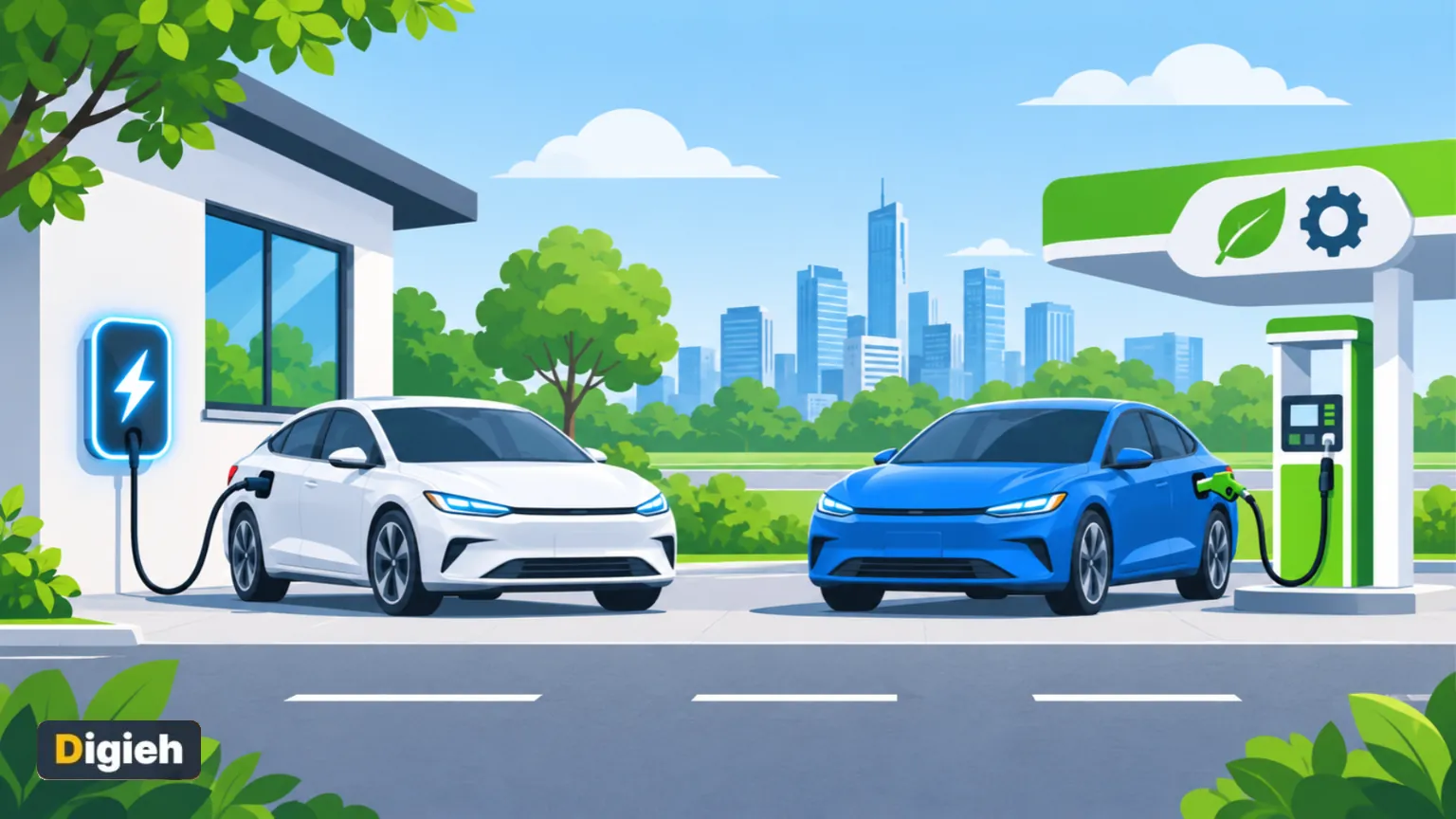
Choose an electric car if you can charge at home and want the lowest running costs. Choose a hybrid if you drive long distances, lack home charging or want to keep refueling at gas stations.
Both use less fuel than a regular gas car. This guide compares them in plain words, including costs, charging, range and the end of the federal tax credit.
Key Takeaways
- A regular hybrid has a gas engine plus an electric motor and never needs plugging in.
- An electric car runs only on battery power, so you must charge it.
- A plug-in hybrid sits in between, with a small battery you can charge and a gas engine.
- The federal new clean vehicle tax credit ended for cars acquired after September 30, 2025.
- Home charging access is the biggest factor in choosing an electric car.
Inside this guide
- The three types explained
- Side-by-side comparison
- Running costs
- Charging an electric car
- Range and road trips
- Tax credits in 2026
- Which is right for you
- Frequently asked questions
The Three Types Explained
Hybrid
A hybrid pairs a gas engine with one or more electric motors. The Alternative Fuels Data Center explains in its hybrid guide that you cannot plug it in.
Instead, the battery recharges through regenerative braking and from the engine. Regenerative braking captures energy when the car slows down.
Plug-in hybrid
A plug-in hybrid has a larger battery that you can charge from an outlet. It drives a short distance on electricity, then switches to gas.
All-electric car
An electric car runs only on a battery and electric motor. The data center notes in its electric car guide that it has no fuel tank and no tailpipe exhaust.
Sept 30, 2025Last acquisition date for the federal new clean vehicle credit, per the Internal Revenue Service.
Hybrid vs Electric Side by Side
| Feature | Hybrid | Electric car |
|---|---|---|
| Fuel | Gasoline plus battery | Electricity only |
| Plug in | No | Yes |
| Refuel time | A few minutes at a pump | Hours at home or less at fast chargers |
| Tailpipe emissions | Lower than gas cars | None |
| Maintenance | Oil changes still needed | No oil changes |
| Best for | Long trips, no home charger | Daily driving with home charging |
Running Costs
Electric cars often cost less per mile to run. The data center gives an example of about 3 cents per mile. That assumes electricity at 10.7 cents per kilowatt-hour.
Your cost depends on local electricity prices and whether you use home or public charging. Public fast charging usually costs more than charging at home.
Hybrids save fuel compared with regular gas cars, especially in city driving. They still need gas, oil changes and engine maintenance.
Maintenance
Electric cars have fewer moving parts and no engine oil. Regenerative braking can also reduce brake wear on both hybrids and electric cars.
Tires may wear faster on heavy electric cars. Check them often, as you would on any car.
Good to know. Insurance costs can differ between models. Our guide on how to lower car insurance explains ways to save.
Charging an Electric Car
Most electric car owners charge at home overnight. The data center explains the two main home options in its home charging guide.
Level 1
Level 1 uses a regular outlet on a dedicated circuit, often with the cord that comes with the car. The data center says many owners can meet daily needs this way overnight.
Level 2
Level 2 uses 240-volt equipment for faster charging. It suits longer commutes, irregular schedules and cars with large batteries.
An electrician may need to install a Level 2 charger. Ask about permits and costs before you buy the car.
What would you choose for your next car?
- A hybrid
- A plug-in hybrid
- A fully electric car
- Not sure
Live somewhere cold? Our electric car winter range tips explain how much range to expect and how to keep it.
Range and Road Trips
Range is how far a car can go on a full charge or tank. Hybrids often go farther on a tank than regular gas cars.
Electric car range varies widely by model, speed and weather. Cold weather lowers range, as our guide to driving in snow mentions.
For road trips, plan charging stops with an app or the car’s built-in navigation. Fast chargers can add a lot of range during a meal break.
Hybrids need no planning at all. You fill up at any gas station, which makes them easy for long rural drives.
Tax Credits in 2026
The federal new clean vehicle credit used to lower the price of many electric cars. The Internal Revenue Service clean vehicle credit page now says it ended. It is not available for vehicles acquired after September 30, 2025.
Some states, cities and utilities still offer their own rebates. Check your state energy office and local utility before you buy.
This is general information, not tax advice. Rules can change, so confirm with official sources or a tax professional.
Battery Life and Warranties
Many buyers worry about replacing an expensive battery. Most hybrids and electric cars come with long battery warranties, often longer than the basic car warranty.
Read the warranty details for years, miles and how much capacity loss it covers. Batteries slowly lose some range over time, much like phone batteries.
Gentle habits help. Avoid keeping the battery at full charge for long periods unless you need the range, and follow the maker’s advice.
Buying Used
Used hybrids and electric cars can be good value. Ask for a battery health report from a dealer or a qualified shop.
Ask how the last owner charged the car and check its mileage. A car used mostly with fast charging may show more battery wear.
Make sure the charging cable and any adapters come with the car. Replacing them can cost more than you expect.
Free updates
Join the Digieh list
Be the first to know when our weekly brief launches.
No spam. Unsubscribe anytime. Read our Privacy Policy.
Charging Away From Home
Public chargers sit at shopping centers, workplaces and highway stops. Fast chargers can add a lot of range quickly.
Pricing varies by network and location. Some charge by the minute and others by energy used, so check the app before you plug in.
Environmental Impact
Electric cars produce no tailpipe emissions. Their overall impact depends on how your area makes its electricity.
Hybrids burn less fuel than regular gas cars, so they produce fewer emissions per mile. Both are steps toward cleaner driving.
Winter and Weather
Both types work in cold weather. Electric cars lose some range in winter because batteries and cabin heating use more energy.
Preheat an electric car while it is still plugged in. That uses grid power instead of battery power.
Hybrids and electric cars still have a small 12-volt battery. If it dies, read our guide on how to jump-start a car and check your manual first.
How They Feel to Drive
Electric cars feel smooth and quiet, with strong pickup from a stop. Many drivers enjoy using one pedal, where lifting off the accelerator slows the car.
Hybrids feel much like regular cars. At low speeds they may run silently on electric power, then the engine starts gently when you need more power.
Most drivers adjust to either one within just a few short days. A long test drive helps you decide which feel you prefer.
Which Is Right for You?
Choose a hybrid if you
- Cannot charge at home or work
- Drive long distances often
- Want a lower price than most electric cars
- Live far from fast chargers
Choose an electric car if you
- Can charge at home overnight
- Mostly drive locally or commute
- Want the lowest running and maintenance costs
- Want zero tailpipe emissions
Consider a plug-in hybrid if you
- Have short daily drives but take long trips
- Can charge at home but want a gas backup
Tips Before You Buy
- Test drive both types back to back.
- Check your home electrical setup for charging.
- Compare the total cost over five years, not just the price.
- Research battery warranties.
- Look for state or utility rebates.
Learn the dashboard symbols on your new car too. Our guide to dashboard warning lights covers common ones, including some for electric cars.
Your Car Choice Checklist
- I know whether I can charge at home
- I estimated my daily and yearly miles
- I compared total costs over several years
- I checked state and utility rebates
- I test drove both types
- I read the battery warranty
Try this today. Track how many miles you drive each day this week. That number shows whether an electric car fits your routine.
Test Yourself
How does a regular hybrid recharge its battery?
- Only by plugging in
- Through regenerative braking and the engine
- With solar panels
Regular hybrids recharge from braking and the gas engine, not a plug.
Is the federal new clean vehicle credit available for cars bought in 2026?
- Yes, for all electric cars
- Only for hybrids
- No, it ended for cars acquired after September 30, 2025
The tax agency says the credit is not available after that date.
Frequently Asked Questions
Do hybrids need charging from a plug?
Regular hybrids do not. Plug-in hybrids and electric cars do.
Are electric cars cheaper to run?
Often yes, especially with home charging. Costs depend on local electricity prices.
Is there still a federal tax credit for electric cars?
Not for new cars acquired after September 30, 2025. Check for state and local rebates.
Conclusion
Hybrids offer easy fuel savings with no change in habits. Electric cars offer the lowest running costs if you can charge at home.
Think about your daily miles, charging access and budget, then test drive both before you decide.
Found this useful?
Editor’s Note
This guide is accurate as of November 9, 2026. It draws on the Alternative Fuels Data Center from the Department of Energy and the Internal Revenue Service.
This is general information, not financial or tax advice.
Spot an error in this article? Please contact us at support@digieh.com or read our Corrections Policy.
Keep exploring
Your next read is waiting
 1PhonesPhone Not Charging? How to Fix It Step by Step8 min read
 2CarsElectric Car Winter Range: Tips to Get More Miles8 min read
 3Science & DiscoveriesWinter Solstice 2026, Date, Time and Meaning8 min read
 4Fruits & VegetablesFrozen vs Fresh Vegetables: Which Is Healthier?8 min read
 5LaptopsLaptop Overheating Fixes That Actually Work8 min read
 6Travel & TourismHow to Beat Jet Lag, Simple Tips That Work8 min read