TRENDING
Smart Ways to Prevent Ice Dams This Winter

10 min read
Last updated November 8, 2026
Icicles hanging from the roof can look pretty in winter. But a thick ridge of ice along the edge often means trouble.
That ridge is called an ice dam. It can push water under shingles and into your ceilings and walls.
This guide explains why ice dams form and how to stop them. It covers quick fixes for this winter and lasting repairs for future years.
Key Takeaways
- Ice dams form when heat from your home melts roof snow that refreezes at the edge.
- Air sealing and attic insulation are the best long-term fixes.
- Good attic ventilation helps keep the roof evenly cold.
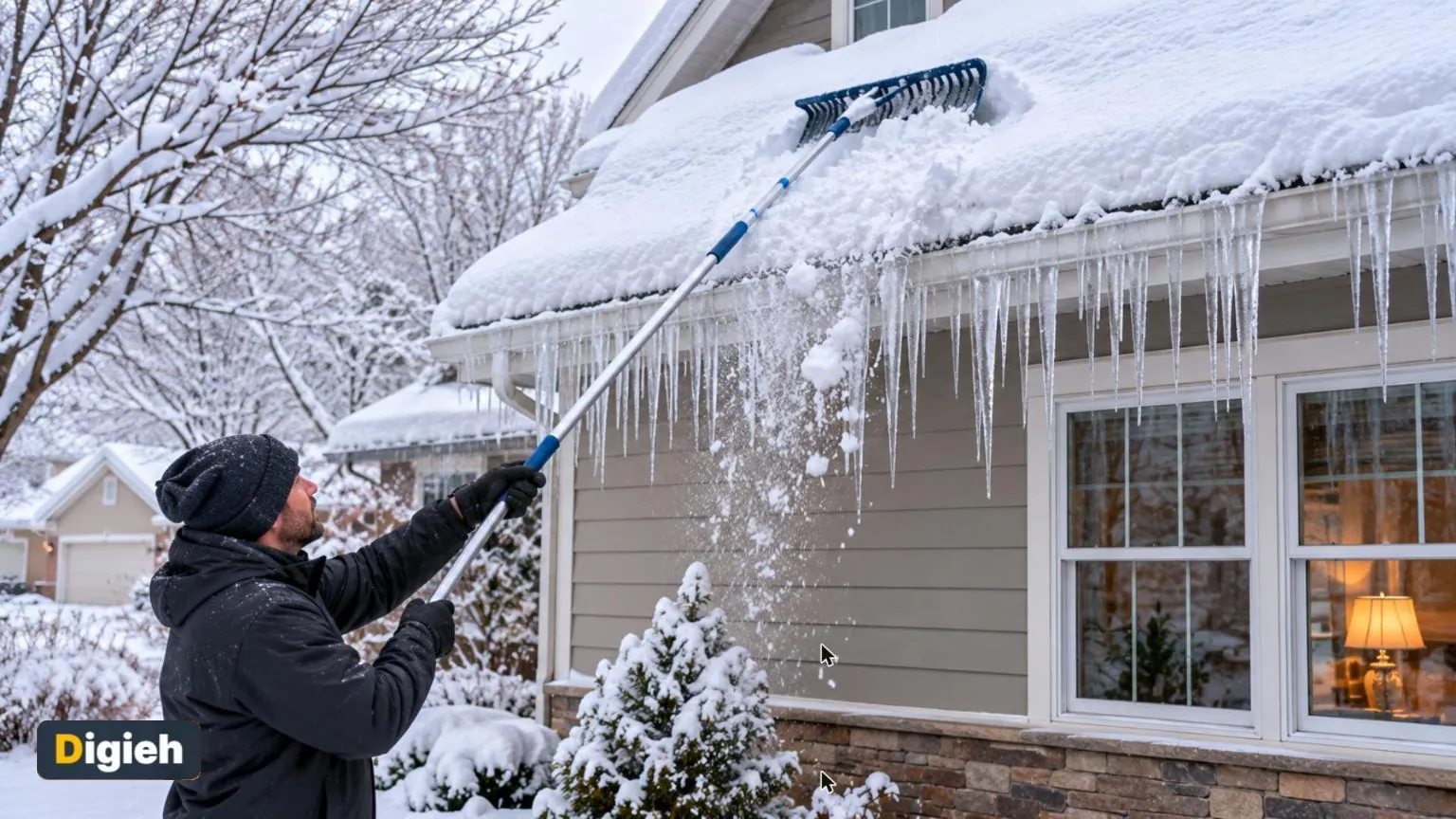
- A roof rake used from the ground can remove snow safely.
- Never climb on an icy roof or chop ice with sharp tools.
15 in.Rough depth of blown-in attic insulation recommended for northern climates by North Dakota State University Extension.
What Is an Ice Dam?
An ice dam is a ridge of ice that forms at the lower edge of a roof. It blocks melting snow from draining away.
According to the University of Minnesota Extension, water then backs up behind the dam. It can leak into walls, ceilings and insulation, and mold may follow.
You might see large icicles, ice in the gutters or water stains on ceilings near outside walls. These are all warning signs.
How Ice Dams Form
Ice dams need three things at the same time. There must be snow on the roof, a warm upper roof and a cold lower edge.
The University of Minnesota Extension explains the pattern. The upper roof gets above 32 degrees Fahrenheit, while the edge stays below freezing.
Snow melts on the warm part and runs down the roof. When it reaches the cold edge, it freezes again and the ridge grows.
Have you ever had an ice dam on your roof?
- Yes, more than once
- Yes, one time
- Never
- Not sure
Signs You May Have an Ice Dam
Ice dams are not always easy to spot from the ground. Look for these common clues after a snowfall.
- A thick band of ice along the roof edge
- Large icicles, especially ones with water dripping behind them
- Water stains or peeling paint on ceilings near outside walls
- Damp spots in the attic or on insulation
- Gutters filled with solid ice
North Dakota State University notes that the root cause is found by inspecting the attic. Grab a flashlight and take a careful look on a cold day.
Where the Heat Comes From
Most of that roof warmth comes from inside your home. Warm air leaks into the attic and heats the underside of the roof.
North Dakota State University Extension lists common leak points. These include plumbing and wiring openings, recessed lights and attic hatches.
Thin or uneven attic insulation adds to the problem. Poor ventilation near the roof edges can make it worse too.
Quick Steps for This Winter
You may not be able to fix your attic before the next storm. These short-term steps can reduce damage in the meantime.
Rake Snow From the Lower Roof
Removing snow takes away one of the three ingredients. A roof rake with a long handle lets you work from the ground.
North Dakota State University recommends a roof rake instead of climbing onto the roof. Pull snow from the first few feet above the gutters.
Work gently, because raking can scrape the protective granules off shingles. The University of Massachusetts Amherst notes that careful raking still helps.
Keep the rake far away from overhead power lines. Metal rakes are especially dangerous near wires.
Open Channels if Water Leaks Inside
If water is already coming in, the University of Minnesota suggests making channels through the dam. This lets trapped water drain away.
Work upward from the lower edge. Running tap water through a hose on a mild day can help melt a path.
These channels are only temporary. They may close again within a few days.
Dry Wet Areas Quickly
Mop up any water and dry damp spots right away. Fans and a dehumidifier can speed things up.
Quick drying helps prevent mold and mildew. Wait to repair ceilings or walls until they are completely dry.
Good to know. Ice dams are most likely when temperatures hover just below freezing after a big snow. Watch your roof closely during those stretches.
Long-Term Fix 1. Seal Air Leaks
Air sealing is the most important lasting fix. The University of Minnesota says to seal the ceiling first so warm, moist air stays inside.
The University of Massachusetts Amherst lists common spots to check.
- Wiring and plumbing holes
- Ceiling light fixtures
- Attic hatches and pull-down stairs
- Gaps around chimneys
- Bathroom exhaust fans
- Places where inside walls meet the ceiling
Caulk, spray foam and weatherstripping can close most of these gaps. Many homeowners can handle small leaks with basic supplies.
Long-Term Fix 2. Add Attic Insulation
After sealing leaks, add insulation to slow heat loss through the ceiling. Insulation keeps the warmth in your living space, not on your roof.
North Dakota State University says northern climates need roughly 15 inches of blown-in insulation. Milder regions may need less.
Pay attention to the area above outside walls. The University of Massachusetts notes that this tight space often lacks enough insulation.
- Check insulation depth in the attic
- Look for gaps around pipes and wires
- Seal the attic hatch with weatherstripping
- Make sure vents are not blocked
- Clear gutters before snow arrives
- Buy a roof rake with a long handle
Long-Term Fix 3. Improve Attic Ventilation
Good ventilation helps keep the whole roof close to the outdoor temperature. It also dries the attic and vents summer heat.
The University of Massachusetts Amherst prefers a system with vents at both the roof edge and the peak. Air flows in low and out high.
Baffles keep insulation from blocking the vents near the edge. The university suggests leaving about a 2-inch air channel under the roof deck.
Extra Protection for Roofs
Some roofs need a backup layer of protection. A self-sticking rubber underlayment under the shingles can stop water at the edges.
The University of Massachusetts calls this a practical backup, not a cure. It works best along eaves, valleys, chimneys and skylights.
Metal roofs shed snow well on steep slopes. They cost more, though, and still need good insulation underneath.
Quick tip. On a snowy morning, look at your roof from across the street. Bare patches while the rest is snowy can show where heat escapes.
What Not to Do
Some popular fixes cause more harm than good. Avoid these common mistakes.
- Climbing onto an icy roof
- Chopping ice with hammers, shovels or other sharp tools
- Relying only on heat cables
- Using rock salt, which can harm roofing and plants
- Ignoring water stains inside
The University of Massachusetts warns that heat tape wastes energy and can damage shingles. It may also create a new dam just above the cable.
North Dakota State University agrees that heat tape only treats symptoms. Fixing heat loss solves the real problem.
What is the best long-term fix for ice dams?
- Heat cables
- Rock salt
- Air sealing and insulation
Stopping heat loss into the attic prevents the melting that causes ice dams.
Do Gutters Cause Ice Dams?
Gutters do not cause ice dams on their own. The University of Massachusetts explains that the real cause is heat loss.
Still, gutters packed with leaves can hold water that freezes. Ice-filled gutters can also bend or pull away from the house.
Clean your gutters in late fall after the leaves drop. Make sure downspouts carry water well away from your foundation.
Free updates
Join the Digieh list
Be the first to know when our weekly brief launches.
No spam. Unsubscribe anytime. Read our Privacy Policy.
Watch Out for Falling Icicles
Big icicles can weigh several pounds and fall without warning. They are a real hazard over doors, walkways and driveways.
Keep children and pets away from areas under heavy icicles. Never let kids break them off or play beneath them.
If icicles hang over an entrance, use a different door when possible. You can knock small ones down carefully from a safe distance with a long pole.
A Simple Fall Prep Timeline
A little planning before winter makes ice dams much less likely. Spread these tasks over a few weekends.
- Early fall. Check attic insulation and look for air leaks.
- Mid fall. Seal gaps and add insulation where needed.
- Late fall. Clean gutters and check that vents are clear.
- Before the first snow. Buy a roof rake and store it near the door.
If you hire help, book early. Contractors get busy once the first storms arrive.
Document Damage for Insurance
If water gets inside, take photos and videos before you clean up. Include close-ups of stains and wide shots of each room.
Write down the date, the weather and what you saw. Keep receipts for fans, dehumidifiers and any emergency repairs.
Call your insurance company early to ask about coverage. Quick reporting can make the claims process smoother.
Tips for Renters
Renters usually cannot add insulation or change the roof. But you can still help protect your home and belongings.
Report large icicles, ice buildup or ceiling stains to your landlord right away. Take dated photos so there is a clear record.
Move valuables away from walls and ceilings that show water spots. Renters insurance may cover damaged belongings, so check your policy.
When to Call a Professional
Some jobs are best left to experts. Call a pro if you see major leaks, sagging gutters or large ice buildup.
A weatherization contractor can find hidden heat loss. The University of Minnesota mentions blower door tests and infrared cameras for this.
Roofers can also remove ice safely with special steam equipment. Ask for written estimates and check reviews before hiring.
Check for Hidden Damage
Water can soak into insulation and wood even without visible leaks. The University of Massachusetts suggests checking the attic after ice dams appear.
Look for damp insulation, dark stains on the roof boards and rusty nails. Wet insulation loses much of its power to slow heat loss.
Peeling paint on outside walls can show up months later. It may be a sign that water got inside the walls.
How should you remove snow from the roof edge?
- Use a roof rake from the ground
- Climb up with a shovel
- Chop ice with a hammer
A long-handled roof rake lets you work safely without climbing onto the roof.
Ice Dams and Your Heating Bill
Ice dams are often a sign that your home is leaking heat. That wasted warmth shows up on your monthly bill.
Sealing leaks and adding insulation can cut ice dams and save energy at the same time. Our guide to lowering your heating bill this winter shares more ideas.
Some utilities offer free or low-cost home energy checkups. Ask your provider what programs are available in your area.
Some states and local programs also help with weatherization costs for qualifying households. A quick call or website search can show what help exists near you.
Even small upgrades add up over time. A sealed attic hatch and a few cans of foam can make a noticeable difference.
More Winter Home Tips
Ice dams are just one winter worry for homeowners. Freezing weather can also crack pipes and stress your heating system.
Our guide on how to prevent frozen pipes explains simple steps before a cold snap. Learn the difference between a winter storm watch and warning too.
Decorating the roofline this season? Read our tips on how to hang Christmas lights safely before you grab a ladder.
Try this today. Peek into your attic with a flashlight. Note any thin insulation or obvious gaps to fix before the next big snow.
Frequently Asked Questions
What causes ice dams?
Heat escaping into the attic warms the roof and melts snow. The water refreezes at the cold roof edge.
Are icicles a sign of ice dams?
Large icicles often appear with ice dams. They suggest heat loss and melting on the roof.
Do heat cables prevent ice dams?
They may help in small spots, but experts say they only treat symptoms. Fixing heat loss works better.
Can I remove an ice dam myself?
You can rake snow from the ground and make small drainage channels. Leave major ice removal to professionals.
Does homeowners insurance cover ice dam damage?
Many policies cover sudden water damage, but rules vary. Check your policy or ask your agent.
Conclusion
Ice dams start with heat escaping from your home into the attic. Stopping that heat loss is the best way to prevent them.
Rake snow safely from the ground for quick relief. Then plan to seal air leaks, add insulation and improve ventilation for lasting protection.
Found this useful?
Editor’s Note
This article is accurate as of November 8, 2026. It draws on guidance from three university extension and building programs. It is general home information, not professional advice.
Spot an error in this article? Please contact us at support@digieh.com or read our Corrections Policy.
Keep exploring
Your next read is waiting
 1TechnologySimple Steps to Set Up a Password Manager10 min read
 2HealthHow to Use a Humidifier Safely This Winter10 min read
 3SportsSnowshoeing for Beginners: Easy Guide to Winter Trails10 min read
 4EntertainmentKwanzaa 2026 Dates and Traditions: A Meaningful Guide9 min read
 5Food & LifestyleClassic French Onion Soup With Golden Melted Cheese9 min read
 6Finance & Markets529 Plan Basics: Essential 2027 Limits for Parents9 min read