TRENDING
Mindfulness Meditation for Beginners: Easy Steps to Start

10 min read
Last updated November 8, 2026
Life can feel busy and noisy, especially during the holidays. Mindfulness meditation offers a simple way to pause and reset.
You do not need special equipment, a quiet retreat or lots of time. A few minutes a day can be a good start.
This guide explains what mindfulness is, how to meditate step by step and how to build a habit that lasts. It also covers common challenges and when to seek extra support.
Key Takeaways
- Mindfulness means paying attention to the present moment without judgment.
- Start small, even two minutes a day.
- A wandering mind is normal, so gently return to your focus.
- Try different techniques to find what suits you.
- Meditation is not a replacement for professional mental health care.
2 minutesA good daily starting point for new meditators, according to the University of North Carolina counseling center.
What Is Mindfulness?
Mindfulness is a way of paying attention. You notice what is happening right now instead of replaying the past or worrying about the future.
The University of North Carolina counseling center shares a well-known definition from Jon Kabat-Zinn. He describes mindfulness as paying attention on purpose, in the present moment and without judgment.
You can practice mindfulness during formal meditation or everyday activities. Walking, eating and even washing dishes can become mindful moments.
Possible Benefits
Many people meditate to feel calmer and more focused. The University of North Carolina counseling center says regular meditation can reduce stress and improve concentration, sleep and mood.
Students there report feeling calmer and better able to manage stress and anxiety. Some also say they notice their feelings more clearly.
Research on meditation is still growing, and results vary from person to person. Think of it as one helpful tool, not a cure for every problem.
Have you tried meditation before?
- Yes, I practice often
- A few times
- Never
- Not sure
How to Meditate in Five Simple Steps
The University of California Los Angeles Healthy Campus Initiative offers a simple method for beginners. Here is how it works.
Step 1. Find a Comfortable Position
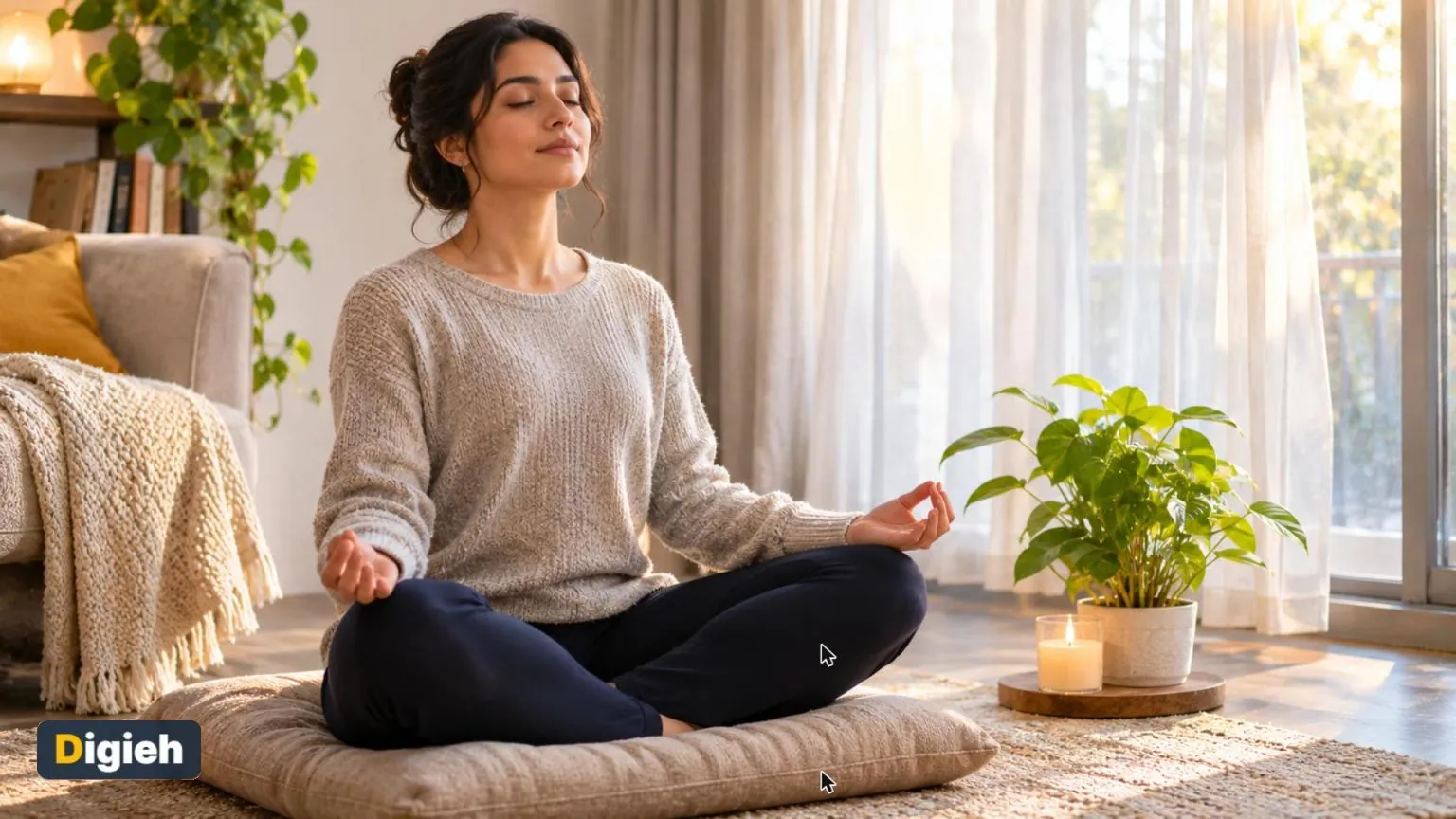
Sit on a chair, cushion or couch with your back upright but relaxed. You can also lie down if sitting is uncomfortable.
Rest your hands on your lap or knees. Close your eyes or soften your gaze toward the floor.
Step 2. Choose a Home Base
The Healthy Campus guide suggests picking a neutral anchor, or home base. Many people use the feeling of breathing.
Notice the air moving in and out of your nose. Or feel your chest and belly rise and fall.
Step 3. Notice When Your Mind Wanders
Your attention will drift to thoughts, plans or worries. That is completely normal and part of the practice.
Wandering does not mean you are doing it wrong. Noticing it is the moment of mindfulness.
Step 4. Gently Return
The guide suggests briefly noting what pulled you away without fighting it. Then bring your focus back to your breath.
It compares this to a pendulum swinging between your home base and distractions. Each return strengthens your attention.
Step 5. End Kindly
When your timer ends, take a slow breath and open your eyes. Notice how your body and mind feel.
There is no perfect meditation. Simply showing up counts as success.
Good to know. Each time you notice your mind wandering and come back, you are building attention. That moment is the practice, not a failure.
How Long Should You Meditate?
Start small so the habit sticks. The University of North Carolina counseling center suggests beginning with as little as two minutes a day.
Gradually add a minute or two each week if it feels good. Many people settle on 10 to 20 minutes a day.
Consistency matters more than length, especially during the first few weeks of practice. A short daily practice often beats one long session each week.
Use the calculator below to track your weekly practice time.
Weekly practice tracker
Small, steady sessions add up faster than you think.
Beginner-Friendly Techniques
The University of North Carolina counseling center encourages trying different techniques. Here are a few easy options.
| Technique | How It Works | Good For |
|---|---|---|
| Breath focus | Follow the feeling of each breath | Building basic focus |
| Body scan | Slowly notice each part of the body | Relaxing tension and winding down |
| Loving-kindness | Silently wish well for yourself and others | Building warmth and compassion |
| Sound meditation | Notice sounds as they come and go | Busy or noisy places |
| Walking meditation | Pay attention to each step | People who prefer moving |
Try each one for a few days. Notice which feels most natural.
A Simple Body Scan to Try
Lie down or sit comfortably and close your eyes. Bring attention to your toes and notice any sensations there.
Slowly move your attention up through your feet, legs, belly, chest, arms and face. Spend a few breaths on each area.
If you notice tension, simply breathe into that spot. You do not need to change anything, just notice.
Many people find a body scan helpful before sleep. It gently shifts attention away from racing thoughts.
Guided body scan recordings can walk you through each step. They are especially useful if you prefer a calm, steady voice to follow at home.
- Pick a quiet spot
- Set a short timer
- Sit comfortably
- Focus on your breath
- Return gently when distracted
- Notice how you feel after
Working With Difficult Emotions
Strong feelings sometimes come up during meditation. Anxiety, sadness or frustration can surface when you slow down.
The Healthy Campus guide suggests shifting attention from thoughts to physical sensations. Notice tightness, warmth or heaviness in your chest or belly.
This can create a little space between you and strong feelings. They may not vanish right away, but they can feel more manageable.
If emotions feel overwhelming, it is okay to stop. Open your eyes, take a few breaths and do something grounding.
Building a Daily Habit
Habits form more easily with a routine. The University of North Carolina counseling center offers helpful tips.
- Meditate at the same time each day.
- Attach it to a habit you already have, like brushing your teeth.
- Use a guided app or timer for structure.
- Restart without guilt if you miss a few days.
Morning sessions can set a calm tone for the day. Evening practice can help you unwind before bed.
Our guide on how to sleep better in winter shares more ways to support restful nights.
Quick tip. Set a gentle chime instead of a loud alarm for your timer. It makes ending a session feel calmer.
Tools and Resources
Beginners often benefit from guidance. The University of California Berkeley School of Law mindfulness page suggests structured courses, guided recordings and a meditation timer.
It also recommends finding an experienced teacher or meditation center if possible. Support from others can make learning easier.
Many communities offer mindfulness-based stress reduction classes. These structured programs usually run for several weeks.
The Berkeley page also lists classic beginner books, such as works by Jon Kabat-Zinn and Thich Nhat Hanh. Your local library may carry them for free.
What should you do when your mind wanders during meditation?
- Stop the session
- Gently return to your focus
- Try harder to block all thoughts
Wandering is normal. Gently returning to your anchor builds attention.
Free updates
Join the Digieh list
Be the first to know when our weekly brief launches.
No spam. Unsubscribe anytime. Read our Privacy Policy.
Mindfulness in Everyday Life
You do not need to sit on a cushion to practice mindfulness. Everyday moments offer plenty of chances.
- Notice the taste and texture of your first sip of coffee.
- Feel your feet on the ground while waiting in line.
- Take three slow breaths before answering an email.
- Listen fully when someone speaks to you.
These small pauses add up. Over time, mindfulness can become a natural part of your day.
Pair mindfulness with gentle movement for extra benefit. Our guide to yoga for beginners at home offers easy poses to try.
Common Myths About Meditation
Some myths stop people from trying meditation. Here are the facts.
- Myth. You must clear your mind completely. Fact. Noticing thoughts is part of the practice.
- Myth. It takes hours a day. Fact. A few minutes can be a good start.
- Myth. It is only for certain beliefs. Fact. Mindfulness can be practiced by anyone.
- Myth. You are bad at it if your mind wanders. Fact. Everyone’s mind wanders.
Letting go of these myths makes it easier to begin. Approach each session with curiosity.
How long should beginners start meditating each day?
- A few minutes
- At least two hours
- Only on weekends
Starting small, even two minutes, helps build a lasting habit.
Creating a Meditation Space
A dedicated spot can make practice feel inviting. It does not need to be large or fancy.
Choose a quiet corner with a comfortable chair or cushion. Natural light or a soft lamp creates a calm mood.
Keep the space tidy and free of screens. A plant, candle or favorite photo can add a peaceful touch.
Let family members know when you are meditating. A simple sign on the door can prevent interruptions.
Meditation for Families and Kids
Children can benefit from simple mindfulness too. Short, playful practices work best for young minds.
Try having kids notice five things they can see, hear or feel. Or breathe in while counting to three and out while counting to four.
Keep sessions to one or two minutes for younger children. Make it a calm bedtime ritual or a reset after a busy day.
Practicing together can help the whole family slow down. It also models healthy ways to handle stress.
Meditation During Winter
Short, dark days can affect mood and energy for many people. A steady mindfulness habit can be part of a healthy winter routine.
Try meditating near a sunny window during the day. Natural light may help you feel more alert.
If low mood lasts for weeks, talk with a health professional. Our guide to seasonal affective disorder explains signs and support options.
Meditation for Stress at Work
Workdays can be full of deadlines and interruptions. A short mindful break can help you reset.
Try a one-minute breathing pause between meetings. Close your eyes and feel three slow breaths.
Our guide on how to avoid burnout at work explains how mindfulness fits into a broader plan for managing stress.
Journaling After Meditation
Some people like to write a few lines after meditating. It can help you notice patterns in your thoughts and mood.
Jot down how you felt before and after. Note any thoughts that kept coming back.
Our guide on how to start journaling offers easy prompts to get started.
When to Get Help
Mindfulness can support wellbeing, but it is not a substitute for professional care. Some people find meditation brings up difficult memories or feelings.
Talk with a health professional if you have ongoing anxiety, depression or trauma symptoms. A therapist can help you decide whether meditation fits your care plan.
Seek help right away if you notice any of these signs.
- Feelings of hopelessness that do not lift
- Panic attacks or severe anxiety during practice
- Trouble functioning at work, school or home
- Thoughts of harming yourself
In a crisis or with thoughts of self-harm, call or text 988 in the United States. That reaches the Suicide and Crisis Lifeline.
Try this today. Set a two-minute timer and follow your breath. When your mind wanders, simply return and notice how you feel at the end.
Frequently Asked Questions
How do I start meditating as a beginner?
Sit comfortably, focus on your breath and gently return when your mind wanders. Start with two minutes.
What if I cannot stop thinking during meditation?
That is normal. Noticing thoughts and returning to your breath is the practice.
What is the best time to meditate?
Any time that fits your routine. Many people like mornings or evenings.
Do I need an app to meditate?
No, but guided apps and timers can help beginners build structure.
Can meditation replace therapy?
No. It can complement care, but it is not a substitute for professional treatment.
Conclusion
Mindfulness meditation is a simple practice anyone can learn. Start with a few minutes, focus on your breath and be kind to yourself when your mind wanders.
Try different techniques, build a daily routine and seek support when needed. Over time, small moments of mindfulness can bring more calm to your days.
Found this useful?
Editor’s Note
This article is accurate as of November 8, 2026. It draws on guidance from mindfulness programs at three public universities. It is general health information, not medical advice.
Spot an error in this article? Please contact us at support@digieh.com or read our Corrections Policy.
Keep exploring
Your next read is waiting
 1TechnologyEasy Ways to Transfer Data to a New Phone10 min read
 2SportsIce Fishing for Beginners: Essential Safety and Gear10 min read
 3Finance & MarketsRenters Insurance Explained: Simple Guide to Smart Coverage10 min read
 4EntertainmentFun Winter Reading Challenge Ideas for Every Reader10 min read
 5BusinessSalary Negotiation Tips: Proven Ways to Earn More10 min read
 6HealthDry Cracked Hands in Winter: Easy Proven Fixes11 min read