TRENDING
How to Choose Winter Boots for Warm Feet

8 min read
Last updated November 10, 2026
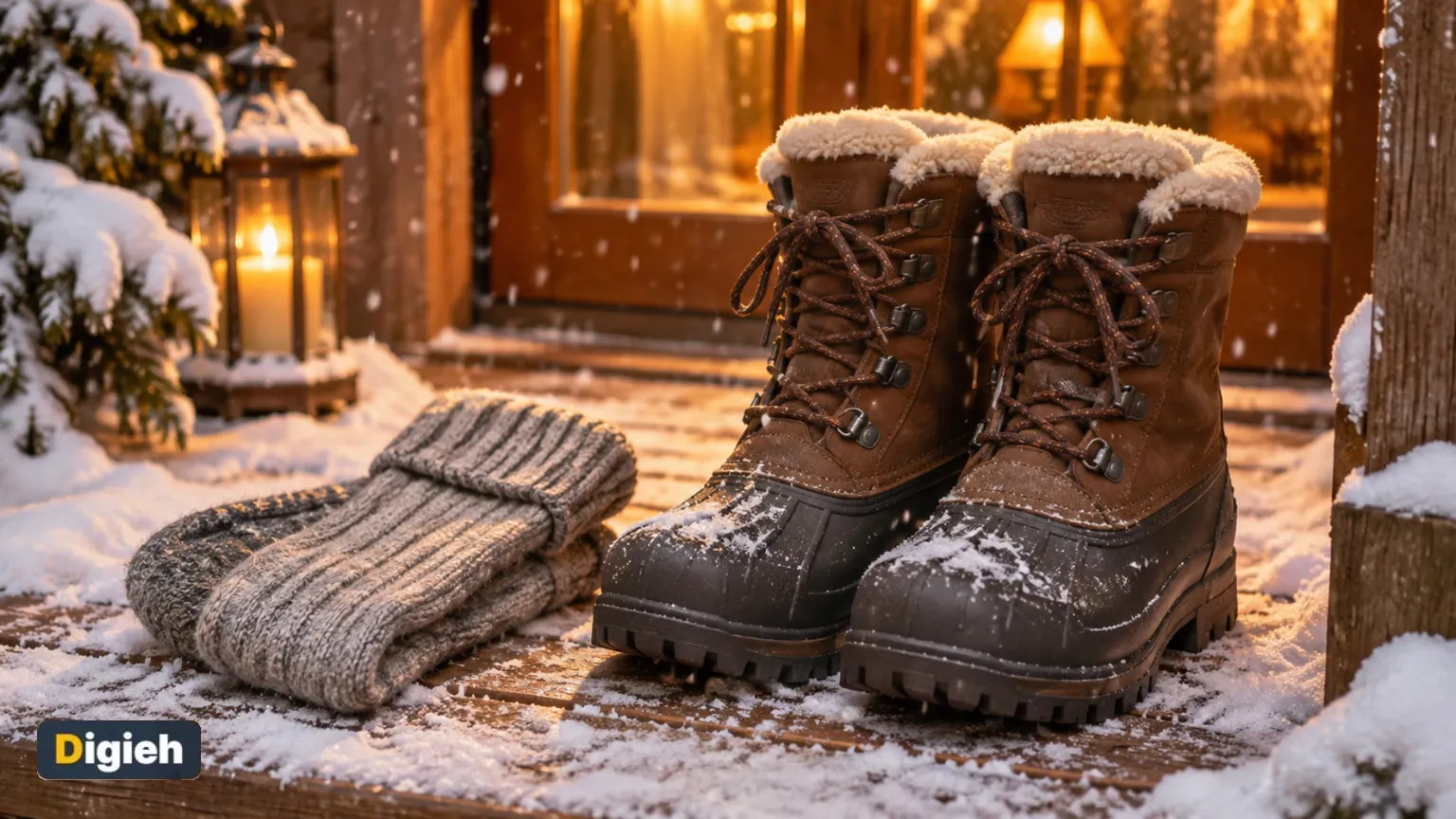
To choose winter boots that keep your feet warm, look for four things. You want insulation, a waterproof or water-resistant shell, a grippy rubber sole and enough room for thick socks.
The CDC lists toes among the body parts most often hurt by frostbite, so good boots matter. This guide explains boot types and how to judge warmth and fit. It also shares simple tips that keep your feet dry all season.
Key Takeaways
- Insulated, waterproof boots are the best choice for snow and slush.
- Deep, soft rubber treads grip better on ice and packed snow.
- Leave room to wiggle your toes while wearing winter socks.
- Wool or synthetic socks keep feet warmer than cotton.
- Temperature ratings are rough guides, not guarantees.
Jump to a section
- Why good boots matter
- Types of winter boots
- Key features to check
- How to get the right fit
- Socks matter too
- Warm boots that look good
- Boot care
- Common mistakes
- Frequently asked questions
Why Good Winter Boots Matter
Cold, wet feet are more than uncomfortable. The CDC advises water-resistant boots and notes that toes are among the spots most often affected by frostbite.
Workplace safety experts at NIOSH go further and recommend boots that are waterproof and insulated for cold conditions. They also suggest carrying spare socks.
Wind makes cold feel even colder. The National Weather Service wind chill chart shows how fast frostbite can develop on exposed skin as wind chill drops.
ToesAmong the body parts most often affected by frostbite, per the CDC winter clothing tips.
Types of Winter Boots
| Type | Best for | Watch for |
|---|---|---|
| Snow boots | Deep snow, shoveling, kids | Can feel bulky for city walking |
| Winter hiking boots | Trails, icy paths, long walks | Need a break-in period |
| Insulated rain boots | Slush and wet cities | Less support on long walks |
| Fashion winter boots | Commuting and errands | Check for real insulation and grip |
| Pac boots | Extreme cold, standing outdoors | Heavy and warm, often with removable liners |
| Work boots | Job sites and outdoor work | Look for safety toes if required |
Think about where you spend most of your winter time. A city commuter needs different boots than someone who shovels a long driveway.
Key Features to Check
Insulation
Insulation traps warm air around your feet. Boots may list insulation by weight in grams. More grams usually means more warmth, but also more bulk.
Temperature ratings on boots are only rough guides. Your activity, socks and circulation change how warm you feel.
Waterproofing
Look for a waterproof membrane or a rubber lower shell. Sealed seams keep slush from sneaking in.
Traction
Choose deep lugs and soft rubber that stays flexible in the cold. Hard plastic soles can turn slippery on ice.
Height
Taller boots keep snow out. Mid-height boots are lighter and easier for everyday walking.
Closure
Laces give a snug fit, while zips and pull-on styles are quicker. A gusseted tongue keeps snow from entering through the laces.
Quick tip. Flex the sole in the store. If it feels stiff as a board at room temperature, it may get even stiffer and more slippery in the cold.
What matters most to you in winter boots?
- Warmth
- Grip on ice
- Style
- Not sure
How to Get the Right Fit
- Shop later in the day, when feet are slightly larger.
- Bring the thick socks you plan to wear.
- Check that you can wiggle your toes freely.
- Walk around and make sure your heel does not lift much.
- Try walking down a slope if the store has one.
- Check the return policy so you can test them at home.
Tight boots squeeze out the warm air and slow blood flow, so your feet get colder. A little extra room is better than too snug.
Socks Matter Too
Even great boots fail with the wrong socks. REI’s layering guide favors wool and synthetic fabrics that move sweat away from the skin.
| Sock material | Warm when damp | Notes |
|---|---|---|
| Merino wool | Yes | Soft, warm and resists odors |
| Synthetic blends | Yes | Dry quickly and last long |
| Cotton | No | Holds moisture and feels cold |
Carry a spare pair on long days, as NIOSH suggests. Change socks right away if your feet get wet.
Good to know. Two pairs of thick socks can make boots too tight. One good wool pair is often warmer.
Warm Boots That Still Look Good
Winter boots no longer have to look clunky. Many brands now combine real insulation with sleek shapes.
- Insulated leather Chelsea boots for work and city errands.
- Lug-sole lace-up boots that pair with jeans and coats.
- Shearling-lined ankle boots for cozy weekend looks.
- Tall waterproof boots that work with skirts and dresses.
Wide leg jeans fall nicely over chunky boots. See our tips on how to style wide leg jeans, and browse winter fashion trends for 2026.
Match your boots to a warm coat for a complete look. Our guide on how to choose a winter coat helps with length and warmth.
Choosing Boots by Activity
| Activity | Best boot | Key feature |
|---|---|---|
| City commuting | Insulated leather or fashion boot | Grippy sole and slim shape |
| Shoveling snow | Tall snow boot | Waterproof lower and snug cuff |
| Winter hiking | Insulated hiking boot | Ankle support and deep lugs |
| Standing outside for hours | Pac boot | Thick removable liner |
| Running errands | Insulated ankle boot | Easy on and off |
Extra Traction for Icy Days
Even great soles can slip on glare ice. Slip-on traction cleats or ice grippers stretch over your boots and add small metal studs or coils.
- Use them on icy sidewalks, driveways and trails.
- Take them off before walking on smooth indoor floors.
- Choose a size that matches your boot size.
Walk with short, flat steps on ice, and keep your hands free for balance.
Free updates
Join the Digieh list
Be the first to know when our weekly brief launches.
No spam. Unsubscribe anytime. Read our Privacy Policy.
Breaking In New Boots
Stiff leather and hiking boots need time to soften. Wear new boots around the house for a few short sessions before a long day outside.
If you feel rubbing, stop and add a bandage or moleskin early. Small hot spots can turn into painful blisters fast.
Boots for Kids
Kids outgrow boots quickly and play hard in snow. Choose easy closures they can manage, waterproof lowers and a snug cuff to keep snow out.
Check fit at the start of each winter. Toes should not touch the front of the boot. Growing feet can change size quickly, so check them each season.
Leather, Suede or Synthetic?
Full-grain leather is durable and water resistant when treated. Suede looks soft but stains easily in slush and salt.
Synthetic and rubber boots are lighter, often cheaper and easy to wipe clean. Many vegan winter boots now offer good warmth and waterproofing too. Check the lining and sole, not just the outside material, before you buy.
Boot Care and Maintenance
- Brush off snow and salt after every wear.
- Dry boots at room temperature, away from heaters and fires.
- Remove liners to dry them faster.
- Stuff wet boots with newspaper to absorb moisture.
- Reapply waterproofing spray or wax as needed.
Road salt leaves white marks on leather and suede. Learn how to remove salt stains from shoes, and see our guide on how to waterproof boots.
Budget Tips for Winter Boots
Good boots can be pricey, but you can save without sacrificing warmth.
- Shop end-of-season sales in late winter.
- Look for last year’s colors at outdoor stores.
- Choose one versatile pair over several cheap ones.
- Check secondhand stores for barely worn kids’ boots.
Common Winter Boot Mistakes
| Mistake | Better choice |
|---|---|
| Buying boots too tight | Leave room to wiggle toes |
| Wearing cotton socks | Choose wool or synthetic socks |
| Trusting temperature ratings alone | Consider activity and socks too |
| Drying boots by a heater | Air dry at room temperature |
| Picking style over grip | Check the sole for deep rubber lugs |
When Cold Feet Need a Doctor
Numbness, white or grayish skin, or skin that feels hard or waxy can signal frostbite. The CDC advises seeking medical help right away for signs of frostbite or hypothermia.
People with diabetes or poor circulation should check their feet daily in winter. Talk to a doctor about any sores or color changes.
Your Winter Boot Checklist
- Insulated lining
- Waterproof or water-resistant shell
- Deep, soft rubber treads
- Room to wiggle toes
- Wool or synthetic socks
- A spare pair of socks for long days
Try this today. Pull out last year’s boots and check the soles, seams and lining. Repair or replace them before the first big storm.
Traveling somewhere snowy? Add boots and spare socks to our winter packing list.
Test Yourself
Which sock material keeps feet coldest when damp?
- Merino wool
- Synthetic blend
- Cotton
Cotton holds moisture and loses warmth when wet. Wool and synthetics stay warmer.
Frequently Asked Questions
How do I know if winter boots are warm enough?
Look for insulation, a waterproof shell and room for thick socks. Treat temperature ratings as rough guides.
Should winter boots be a size bigger?
Often slightly bigger, so you can wear thick socks and still wiggle your toes.
Are waterproof boots warmer?
Dry feet stay warmer, so waterproofing helps, but you still need insulation.
What socks are best for winter boots?
Merino wool or synthetic socks, which stay warm even when damp.
Conclusion
The best winter boots combine insulation, waterproofing, strong grip and a roomy fit. Pair them with wool socks, and your feet will stay warm and dry.
Check your current boots this week and replace any with worn treads or leaky seams before the snow arrives.
Found this useful?
Editor’s Note
This guide is accurate as of November 10, 2026. Safety advice comes from the CDC and NIOSH. Sock advice comes from REI, and wind chill details from the National Weather Service.
Fit and warmth vary by person, so try boots on before you buy.
Spot an error in this article? Please contact us at support@digieh.com or read our Corrections Policy.
Keep exploring
Your next read is waiting
 1Fruits & VegetablesPotassium Rich Fruits and Vegetables Beyond the Banana9 min read
 2MedicinesBlood Pressure Medicines Explained: Main Types and Uses9 min read
 3FashionHow to Layer Necklaces Without Tangles or Clutter9 min read
 4AI & TechHow to Use AI for Smarter Holiday Shopping9 min read
 5Finance & MarketsAnthropic IPO Explained: Date, Ticker and Key Numbers5 min read
 6Travel & TourismHow to Pack a Carry-On for a Week9 min read