TRENDING
Best Vitamin C Foods Beyond Oranges This Winter

9 min read
Last updated November 10, 2026
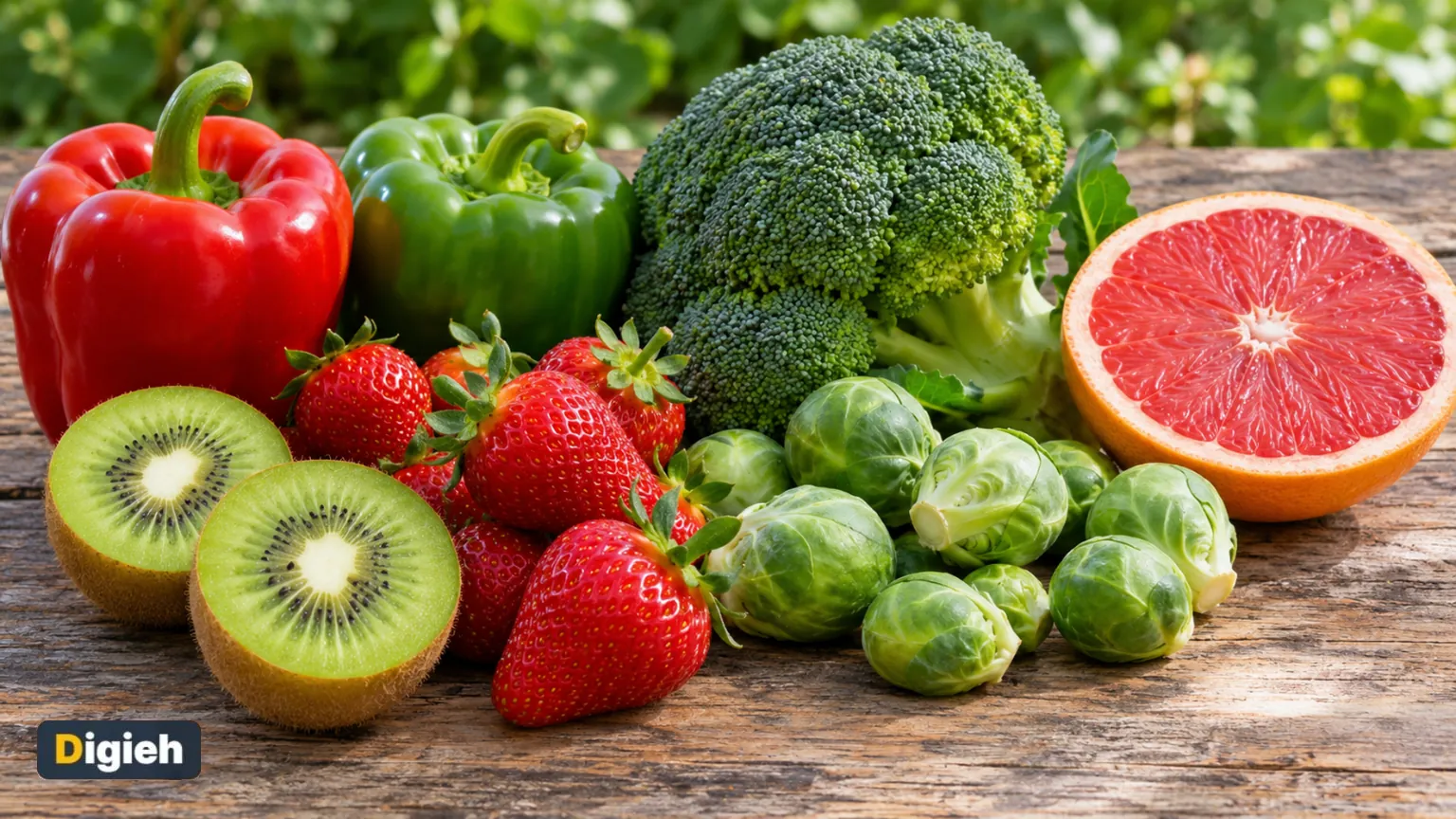
Oranges are famous for vitamin C, but many other foods are just as rich or richer. Red and green bell peppers, kiwifruit, strawberries, broccoli and Brussels sprouts are all excellent winter choices.
Eating a mix of these foods raw or lightly cooked is the easiest way to get enough. Most people in the United States already get enough vitamin C from food, according to the NIH.
This guide lists the best vitamin C foods beyond oranges and how to keep the vitamin in your food. It also covers what research says about colds.
Key Takeaways
- Bell peppers, kiwifruit and strawberries are top vitamin C sources.
- Broccoli, Brussels sprouts, cabbage, tomatoes and potatoes add more.
- Heat, light, water and long storage reduce vitamin C.
- Vitamin C helps your body absorb iron from plant foods.
- Supplements do not prevent colds for most people, says the NIH.
Jump to a section
- Why vitamin C matters
- Best foods beyond oranges
- Winter picks
- Cooking to keep vitamin C
- Vitamin C and iron
- Vitamin C and colds
- Who needs more
- Supplements
- Meal ideas
- Frequently asked questions
Why Vitamin C Matters
The NIH Office of Dietary Supplements explains that vitamin C works as an antioxidant that helps protect cells. Your body also needs it to make collagen, heal wounds and absorb iron from plants.
It also supports normal immune function. Your body cannot make vitamin C, so it must come from food.
Most peopleIn the United States get enough vitamin C from food, according to the NIH Office of Dietary Supplements.
Best Vitamin C Foods Beyond Oranges
ODS and the Harvard Nutrition Source both highlight these strong sources.
| Food | Why it stands out | Easy way to eat it |
|---|---|---|
| Red bell peppers | One of the richest sources | Raw strips with hummus |
| Green bell peppers | Another top source | Stir-fries and salads |
| Kiwifruit | Small fruit, big vitamin C | Halve and scoop with a spoon |
| Strawberries | Sweet and easy to snack | Add to oatmeal or yogurt |
| Broccoli | Rich in vitamin C and fiber | Steamed briefly |
| Brussels sprouts | A winter cruciferous star | Roasted or shaved raw |
| Cantaloupe | Juicy and refreshing | Cubed in fruit salad |
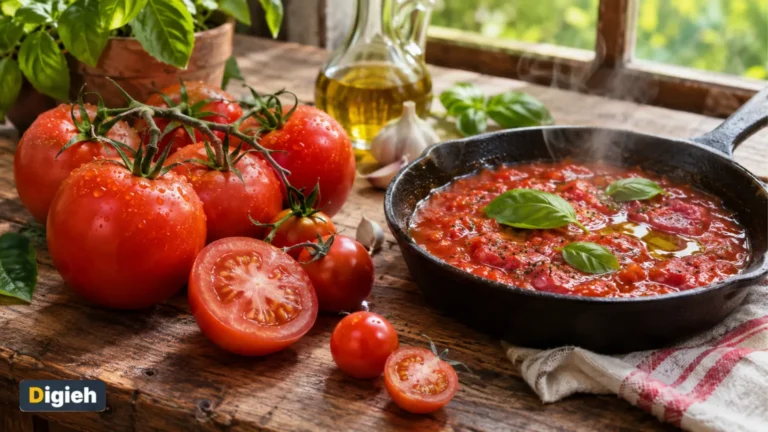
| Tomatoes | Easy everyday source | Fresh in salads and sandwiches |
| Baked potatoes | A surprise source | Eat with the skin |
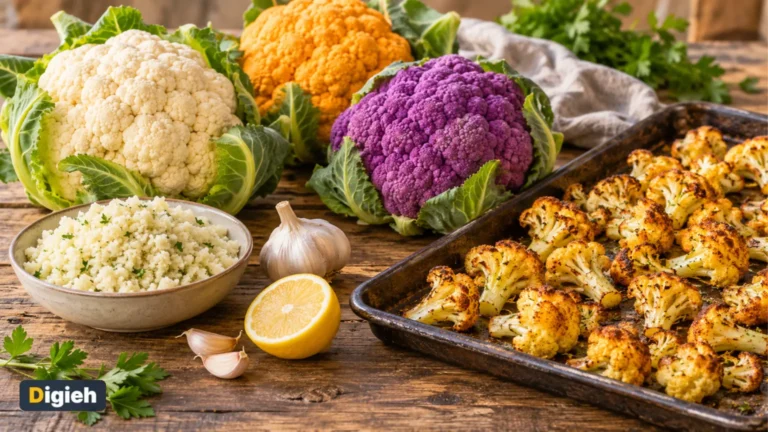
| Cabbage and cauliflower | Budget friendly | Slaws and roasts |
The Harvard Nutrition Source lists citrus, bell peppers, strawberries, kiwi, tomatoes, cruciferous vegetables and white potatoes as key sources.
Quick tip. Eat a rainbow of produce each day. Different colors bring different nutrients, and many are rich in vitamin C.
Many of these foods are also rich in fiber and other vitamins. Choosing them for vitamin C brings those other helpful nutrients along for the ride too. They also add color, crunch and flavor to everyday meals.
Top Winter Picks
Winter can make fresh produce feel limited, but plenty of vitamin C foods are in season or easy to find.
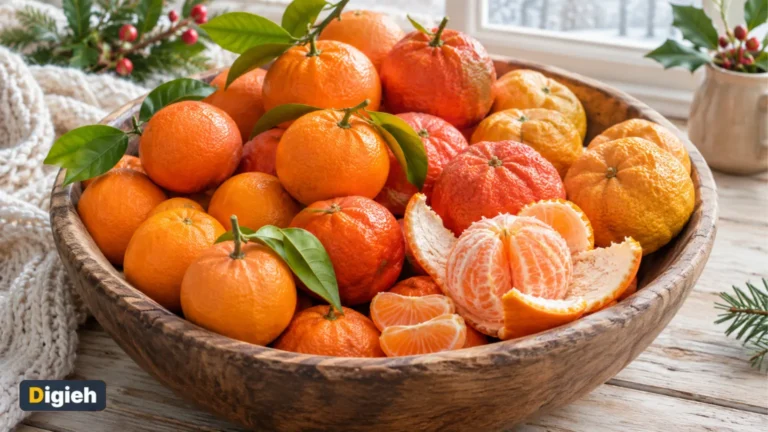
- Kiwifruit and citrus like grapefruit and clementines
- Brussels sprouts, cabbage and cauliflower
- Broccoli and broccolini
- Potatoes and sweet potatoes
- Frozen strawberries and peppers
See more in our guide to winter fruits and vegetables in season.
Kiwi is a standout winter fruit. Learn more in our kiwi health benefits guide.
Cooking to Keep Vitamin C
Vitamin C breaks down with heat, light and time. It also dissolves in water, so it can leach into cooking liquid, the Harvard Nutrition Source explains.
| Method | Effect on vitamin C |
|---|---|
| Raw | Keeps the most |
| Steaming | Keeps a lot |
| Microwaving with little water | Keeps a lot |
| Quick stir-frying | Keeps a fair amount |
| Long boiling | Loses the most |
ODS notes that steaming or microwaving may limit losses. Our guide on the best way to cook broccoli shows these methods in action.
- Store produce in the fridge and use it soon.
- Cut fruits and vegetables just before eating.
- Use soup and cooking liquids to keep the leached vitamin C.
- Choose ripe produce for the most nutrients.
Which vitamin C food do you eat most?
- Citrus fruit
- Bell peppers
- Berries or kiwi
- Not sure
Vitamin C and Iron
Vitamin C helps your body absorb nonheme iron, the type found in beans, grains and leafy greens. Pairing them is a simple nutrition win.
- Add peppers to bean chili.
- Top fortified cereal with strawberries.
- Squeeze lemon over sauteed spinach.
- Serve tomato salsa with lentils.
Learn more in our iron supplements guide.
Vitamin C and Colds
Many people reach for vitamin C at the first sniffle. ODS says research suggests vitamin C supplements do not reduce the chance of catching a cold for most people.
People who take it regularly may have slightly shorter or milder colds, ODS reports. Starting it after symptoms begin does not seem to help much.
The Harvard Nutrition Source agrees there is no evidence that megadoses prevent colds for the average person. Focus on proven habits, like those in our guide on supporting your immune system this winter.
Who May Need More Vitamin C
- Smokers, who need more than nonsmokers, ODS says
- People exposed to secondhand smoke
- People with very limited diets
- People with certain medical conditions that affect absorption
Deficiency is rare in developed countries, Harvard notes. Severe deficiency, called scurvy, can cause bleeding gums, skin spots and slow wound healing.
Do You Need a Supplement?
Most people can get enough vitamin C from food. A daily serving or two of fruits and vegetables rich in vitamin C goes a long way.
ODS warns that high intakes can cause diarrhea, nausea and stomach cramps. People with hemochromatosis should be careful, since vitamin C can worsen iron overload.
Health note. Talk with your doctor before taking high-dose vitamin C, especially if you have kidney problems or hemochromatosis.
Fresh, Frozen or Juice?
| Form | Notes |
|---|---|
| Fresh | Best when eaten soon after buying |
| Frozen | Frozen soon after harvest, a great winter option |
| Canned | Some vitamin C may be lost, but still useful |
| 100 percent juice | Contains vitamin C but less fiber than whole fruit |
Whole fruits give you fiber that juice lacks. Choose whole fruit most of the time.
Easy Vitamin C Meal Ideas
- Breakfast yogurt with kiwi and strawberries
- Lunch salad with red peppers, tomatoes and lemon dressing
- Snack of bell pepper strips and hummus
- Dinner stir-fry with broccoli and snow peas
- Baked potato topped with salsa and beans
Want a healthy starch? Compare options in our sweet potato vs potato guide.
Smoothies and Drinks
Smoothies make it easy to pack in several vitamin C foods at once. Blend them just before drinking, since vitamin C fades with time and air.
- Strawberry, kiwi and spinach with yogurt
- Mango, orange and a squeeze of lime
- Pineapple, cantaloupe and mint
- Mixed berries with a splash of milk
Keep portions reasonable. Whole fruits and vegetables still offer more fiber than blended drinks.
Free updates
Join the Digieh list
Be the first to know when our weekly brief launches.
No spam. Unsubscribe anytime. Read our Privacy Policy.
A Simple Day of Vitamin C Foods
| Meal | Idea |
|---|---|
| Breakfast | Oatmeal with strawberries |
| Snack | A kiwi or a clementine |
| Lunch | Turkey wrap with red pepper strips and tomato |
| Snack | Raw broccoli with a yogurt dip |
| Dinner | Roasted Brussels sprouts and a baked potato with fish |
This kind of day gives you plenty of vitamin C from food alone. It also adds fiber, potassium and other helpful nutrients.
Vitamin C for Kids
Kids often love sweet vitamin C foods. Offer fruit as a snack and dessert to build the habit.
- Frozen strawberry pops made from blended fruit
- Orange segments or clementines in lunch boxes
- Pepper strips with a yogurt dip
- Kiwi slices as a colorful topping
USDA MyPlate encourages eating a variety of vegetables from every group, including colorful options kids enjoy.
Vitamin C, Skin and Healing
Your body uses vitamin C to make collagen, a protein that supports skin and helps wounds heal, ODS explains. That is one reason deficiency can slow healing.
Eating vitamin C foods supports these normal functions. Creams and serums are a separate topic, and food remains the foundation.
Vitamin C on a Budget
- Buy cabbage, potatoes and frozen broccoli, which are often low cost.
- Choose frozen strawberries and peppers in winter.
- Buy citrus in bags instead of single fruits.
- Shop store brands of frozen vegetables.
- Plan meals so fresh produce gets used quickly.
Frozen fruits and vegetables are picked and frozen at their best. They are a smart, affordable way to keep vitamin C foods on hand.
Storing Produce to Protect Vitamin C
ODS notes that long storage can reduce vitamin C. Buy smaller amounts more often when you can.
- Keep peppers, broccoli and berries in the fridge.
- Store citrus in the fridge to keep it fresh longer.
- Keep cut produce covered and eat it within a day or two.
- Freeze fruit before it gets too soft.
Your Weekly Shopping List
- Two or three bell peppers in mixed colors
- A bag of clementines or a few grapefruits
- A pack of kiwifruit
- A head of broccoli or a bag of frozen florets
- A small bag of Brussels sprouts
- Frozen strawberries for smoothies and oatmeal
- A few potatoes for baking
This simple list covers many vitamin C stars. Rotate in cantaloupe, tomatoes and cabbage for variety.
Plan two or three meals around these foods before you shop. It cuts waste and makes healthy eating easier during busy winter weeks.
Vitamin C Myths and Facts
| Myth | Fact |
|---|---|
| Oranges are the best source | Peppers and kiwi are often richer |
| Megadoses stop colds | Evidence does not support this for most people |
| Cooked vegetables have no vitamin C | Brief cooking keeps a good amount |
| More is always better | High amounts can upset your stomach |
| You need a supplement in winter | Most people get enough from food |
Common Mistakes
| Mistake | Better choice |
|---|---|
| Relying only on oranges | Eat a mix of fruits and vegetables |
| Boiling vegetables for a long time | Steam or microwave briefly |
| Taking megadoses for colds | Focus on food and healthy habits |
| Cutting produce hours early | Cut just before eating |
Your Vitamin C Checklist
- Eat peppers, kiwi or berries daily
- Add broccoli or Brussels sprouts to meals
- Eat some produce raw
- Steam or microwave instead of boiling
- Pair vitamin C foods with plant iron
- Skip megadoses unless your doctor advises
Try this today. Add sliced red pepper or a kiwi to your lunch. It is an easy vitamin C boost.
Test Yourself
Which food is one of the richest vitamin C sources?
- Red bell pepper
- White bread
- Cheddar cheese
Red bell peppers are among the top food sources of vitamin C, according to the NIH Office of Dietary Supplements.
Frequently Asked Questions
Which food has more vitamin C than an orange?
Red bell peppers and kiwifruit are among the richest sources.
Does cooking destroy vitamin C?
Heat and water reduce it. Steaming or eating raw keeps more.
Does vitamin C prevent colds?
For most people, no. Regular use may slightly shorten colds.
Can you get too much vitamin C?
Very high amounts can cause stomach upset and diarrhea.
Conclusion
You do not need oranges to get plenty of vitamin C. Bell peppers, kiwi, strawberries, broccoli and Brussels sprouts all deliver, especially raw or lightly cooked.
Fill half your plate with colorful produce and enjoy vitamin C all winter long.
Found this useful?
Editor’s Note
This guide is accurate as of November 10, 2026. It draws on the NIH Office of Dietary Supplements, the Harvard Nutrition Source and USDA MyPlate.
Ask a registered dietitian for personal nutrition advice that fits your health and daily routine.
Spot an error in this article? Please contact us at support@digieh.com or read our Corrections Policy.
Keep exploring
Your next read is waiting
 1Fruits & VegetablesIron Rich Vegetables for Vegetarians and Better Absorption9 min read
 2FashionHow to Layer Necklaces Without Tangles or Clutter9 min read
 3MedicinesVitamin B12 Deficiency Signs and Who Needs Supplements9 min read
 4AI & TechClaude Fable 5.2 and Mythos 5.2: What Changed4 min read
 5Travel & TourismHow to Pack a Carry-On for a Week9 min read
 6Finance & MarketsAnthropic IPO Explained: Date, Ticker and Key Numbers5 min read