TRENDING
Do Carrots Help Your Eyesight? The Surprising Truth

9 min read
Last updated November 10, 2026
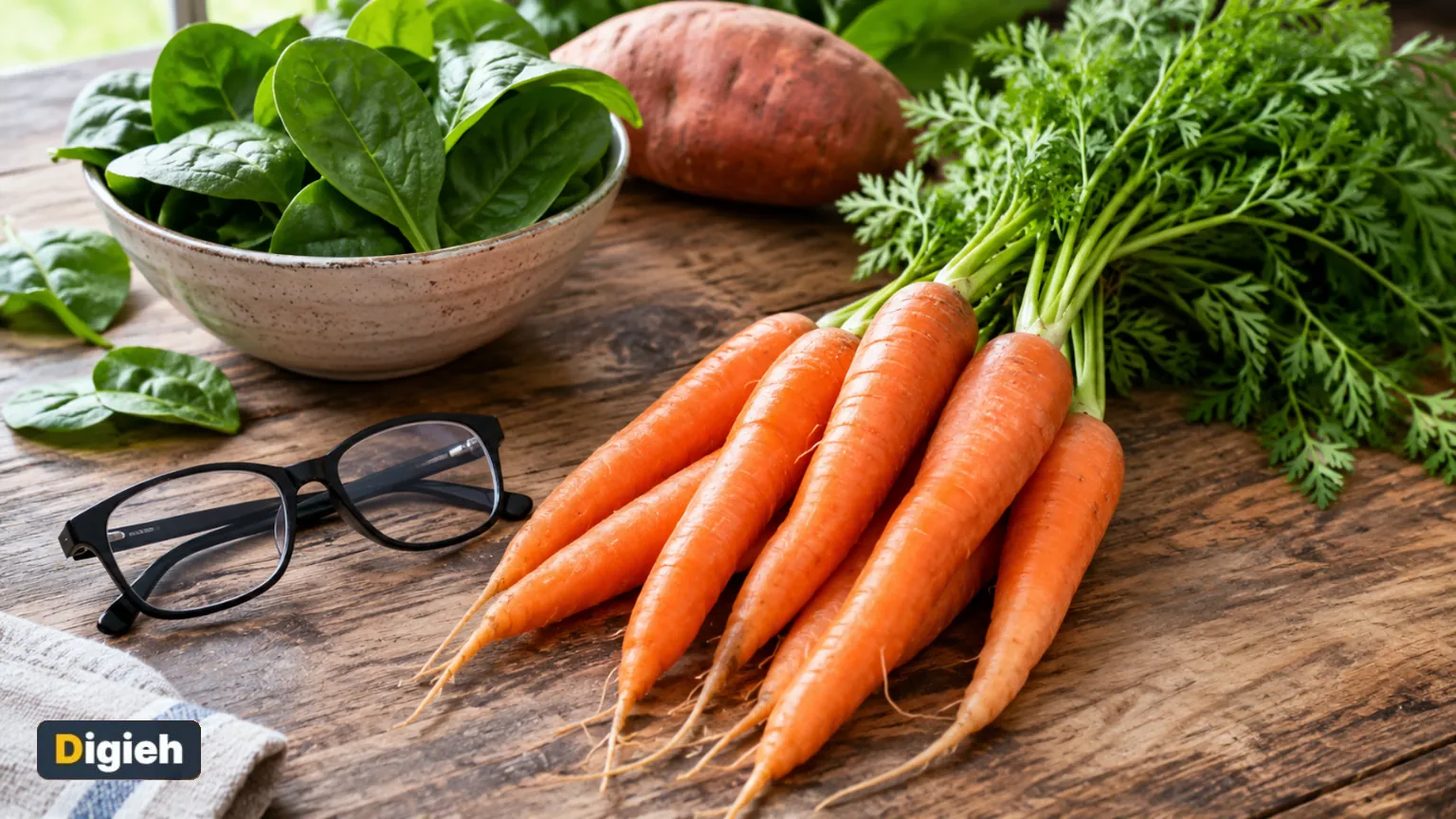
Carrots help keep your eyes healthy, but they will not sharpen normal vision. Carrots are rich in beta carotene, which your body turns into vitamin A. Your eyes need vitamin A to see in dim light.
If you already get enough vitamin A, extra carrots will not sharpen your sight. You still need your glasses. The idea that carrots give super night vision grew from a wartime story.
This guide explains the truth about carrots and eyesight. It also covers foods and habits that protect your vision.
Key Takeaways
- Carrots provide beta carotene, which your body turns into vitamin A.
- Vitamin A supports normal vision, especially in low light.
- Extra carrots will not improve vision if you already get enough vitamin A.
- Vitamin A deficiency is rare in the United States, says the NIH.
- Eye exams, sunglasses and a varied diet do more for your eyes than carrots alone.
Jump to a section
- The short answer
- How vitamin A helps
- Where the myth came from
- Vitamin A deficiency
- Foods for eye health
- Too much vitamin A
- Habits that protect vision
- Cooking carrots
- Frequently asked questions
The Short Answer
An eye doctor quoted by KQED summed it up simply. Vitamin A helps keep vision healthy, but it will not improve your vision.
| Claim | Truth |
|---|---|
| Carrots help eye health | True, as part of a balanced diet |
| Carrots fix nearsightedness | False |
| Carrots give super night vision | False |
| Vitamin A prevents night blindness from deficiency | True |
| More carrots always mean better eyes | False |
RareVitamin A deficiency in the United States, according to the NIH Office of Dietary Supplements.
How Vitamin A Helps Your Eyes
The NIH Office of Dietary Supplements says vitamin A is important for normal vision. It also supports your immune system, growth and organs.
Vitamin A helps form light-sensing proteins in the eye’s rod and cone cells. These cells help you see in dim light and adjust when lights go out.
Carrots contain beta carotene, a plant pigment your body converts into vitamin A. Sweet potatoes, spinach, broccoli and winter squash are other good sources, ODS notes.
Quick tip. Eat carrots with a little healthy fat, like olive oil or hummus. Vitamin A is fat soluble, so fat helps your body use it.
Where the Carrot Myth Came From
KQED reports that the British government promoted carrots during the Second World War to steer people away from rationed foods. The campaign highlighted vitamin A and seeing in the dark.
Over time, people came to believe carrots could boost healthy night vision during blackouts. Harvard Health has called that claim false, the article notes.
The story stuck because carrots really do contain a nutrient eyes need. The exaggeration was the idea of super vision. Today, many parents still use it to encourage kids to eat their vegetables, which is a fine goal on its own.
Vitamin A Deficiency and Night Blindness
ODS explains that vitamin A deficiency is rare in the United States. It is common in many developing countries, especially among young children.
The most common sign is xerophthalmia, which makes it hard to see in low light. Without treatment, it can lead to blindness.
In places where deficiency exists, vitamin A from food or supplements can protect sight. That is where the link between carrots and eyes is truly important.
Did you grow up hearing carrots help eyesight?
- Yes, all the time
- Sometimes
- Never
- Not sure
Foods That Support Eye Health
The CDC suggests a diet rich in fruits and vegetables, especially leafy greens, plus fish high in omega-3s. Carrots are just one part of that picture.
| Food | What it offers |
|---|---|
| Carrots | Beta carotene for vitamin A |
| Sweet potatoes | Beta carotene |
| Spinach and kale | Leafy greens the CDC highlights |
| Collard greens | Another leafy green favorite |
| Salmon and tuna | Omega-3 fats |
| Eggs and dairy | Preformed vitamin A |
| Broccoli and squash | Beta carotene and other nutrients |
Read more in our guides on spinach raw vs cooked, sweet potato vs potato and fish oil benefits.
Can You Eat Too Many Carrots?
ODS notes that lots of beta carotene can turn skin yellow-orange. This is harmless and fades when you eat less.
Preformed vitamin A from supplements or some medicines is different. Too much can cause headaches, blurred vision, nausea and dizziness, ODS warns.
- Get most vitamin A from food.
- Avoid high-dose vitamin A supplements unless your doctor advises them.
- Pregnant people should avoid high-dose preformed vitamin A.
- Smokers should avoid high-dose beta carotene supplements.
Health note. ODS reports that high-dose beta carotene supplements are linked to higher lung cancer risk in smokers and former smokers. Food sources do not carry this risk.
Eye Supplements for Macular Degeneration
ODS describes a supplement formula with vitamins C and E, zinc and copper. It slows vision loss in people at high risk of advanced age-related macular degeneration.
Using lutein and zeaxanthin instead of beta carotene reduced progression further and removed the added lung cancer risk, ODS says. Only take these supplements if your eye doctor recommends them.
Should You Take an Eye Vitamin?
Most people do not need a special eye vitamin. A balanced diet usually covers vitamin A and other nutrients your eyes use.
Eye vitamins with the specific formula ODS describes are meant for people at high risk of advanced macular degeneration. Your eye doctor can tell you if you are in that group.
- Do not start eye supplements just because they are popular.
- Bring any supplement bottle to your eye exam.
- Ask whether the formula uses lutein and zeaxanthin instead of beta carotene, especially if you smoke or used to smoke.
Habits That Protect Your Vision
The CDC shares simple ways to prevent vision loss.
- Get regular dilated eye exams.
- Wear sunglasses that block 99 to 100 percent of UV rays.
- Use protective eyewear for sports and risky work.
- Avoid smoking.
- Manage blood sugar, blood pressure and cholesterol.
- Know your family eye health history.
The CDC also suggests the 20-20-20 rule for screens. Every 20 minutes, look about 20 feet away for 20 seconds.
Screens and Eye Strain
Long screen time can leave eyes tired and dry. Carrots will not fix that, but simple habits help.
- Follow the 20-20-20 rule.
- Blink often and use good lighting.
- Keep screens about an arm’s length away.
- Take short breaks to rest your eyes.
Kids, Carrots and Eye Exams
Carrots are a great snack for kids, but they will not replace glasses. Regular vision checks catch problems early.
If your child squints, holds books close or struggles to see the board, schedule an eye exam.
Easy Ways to Enjoy Carrots
- Raw carrot sticks with hummus
- Roasted carrots with honey and thyme
- Grated carrots in salads and slaws
- Carrot ginger soup
- Carrots in stir-fries and stews
Roasting brings out sweetness. Try carrots in our roasted vegetables recipe.
Free updates
Join the Digieh list
Be the first to know when our weekly brief launches.
No spam. Unsubscribe anytime. Read our Privacy Policy.
Buying and Storing Carrots
- Choose firm, bright carrots without cracks.
- Cut off leafy tops before storing, since they pull moisture from the roots.
- Store carrots in a bag in the fridge crisper drawer.
- Keep baby carrots sealed and use them within the date on the bag.
- Toss carrots that turn slimy or moldy.
Whole carrots usually last several weeks in the fridge when stored well. They are an easy, low-cost vegetable to keep handy all week.
Carrots Come in Many Colors
Orange carrots are the most common, but purple, yellow, red and white carrots exist too. Each color comes from different plant pigments.
Orange carrots are especially rich in beta carotene. Mixing colors makes meals fun and adds a wider range of plant nutrients.
Eye Health Through Life
| Age group | Eye care focus |
|---|---|
| Children | Vision screenings and outdoor play with sun protection |
| Teens and young adults | Screen breaks and protective sports eyewear |
| Adults | Regular eye exams and managing health conditions |
| Older adults | Watching for cataracts, glaucoma and macular degeneration |
The CDC notes that dilated eye exams are the only way to catch some eye diseases early. These include glaucoma and diabetic eye disease.
Eye Health Myths
| Myth | Fact |
|---|---|
| Reading in dim light ruins your eyes | It can cause strain but not lasting damage |
| Carrots replace glasses | They do not change the shape of your eye |
| Only older adults need eye exams | People of all ages benefit |
| Sunglasses are just for summer | UV light reaches eyes year round |
A Day of Eye-Friendly Meals
| Meal | Idea |
|---|---|
| Breakfast | Spinach and cheese omelet with whole grain toast |
| Snack | Carrot sticks with hummus |
| Lunch | Kale salad with salmon and orange slices |
| Snack | Yogurt with a handful of nuts |
| Dinner | Roasted sweet potatoes, broccoli and chicken |
This kind of day gives you vitamin A sources, leafy greens and omega-3s, the foods the CDC and ODS highlight. It also tastes good and keeps you full.
Growing Your Own Carrots
Carrots are a fun crop for home gardens and kids. They like loose, deep soil free of rocks.
- Sow seeds directly in the ground, since carrots dislike transplanting.
- Keep soil evenly moist while seeds sprout.
- Thin seedlings so roots have room to grow.
- Harvest when the tops of the roots look full and bright.
Homegrown carrots can be crooked or forked, but they taste just as sweet and fresh.
Other Nutrients That Help
Your eyes benefit from a variety of nutrients. Vitamin C foods like peppers and kiwi also support overall health.
See our guide to the best vitamin C foods beyond oranges.
When to See an Eye Doctor
- Sudden vision changes or loss
- Flashes of light or many new floaters
- Eye pain or redness that does not go away
- Trouble seeing at night that is new or getting worse
- Diabetes or a family history of eye disease
Seek emergency care for sudden vision loss or an eye injury.
Your Eye Health Checklist
- Eat carrots and other colorful vegetables
- Add leafy greens and fish to meals
- Get regular eye exams
- Wear UV-blocking sunglasses
- Follow the 20-20-20 rule
- Skip high-dose vitamin A pills unless advised
Try this today. Add a leafy green and an orange vegetable to dinner. Then book an eye exam if it has been a while.
Test Yourself
What does eating more carrots do for someone with normal vision and enough vitamin A?
- Gives super night vision
- Helps maintain eye health but does not sharpen vision
- Cures nearsightedness
Vitamin A supports healthy vision, but extra carrots will not improve normal eyesight, an ophthalmologist told KQED.
Frequently Asked Questions
Do carrots improve eyesight?
No. They support eye health but do not sharpen normal vision.
Why do people say carrots help you see in the dark?
The idea grew from a the Second World War campaign in Britain.
Can carrots turn your skin orange?
Yes, lots of beta carotene can tint skin. It is harmless and fades.
What foods are best for eyes?
Leafy greens, colorful vegetables and fish rich in omega-3s.
Conclusion
Carrots are good for your eyes, but they are not magic. They provide vitamin A for healthy vision, and extra carrots will not replace glasses.
Eat a colorful diet, protect your eyes from the sun and keep up with eye exams.
Found this useful?
Editor’s Note
This guide is accurate as of November 10, 2026. It draws on the NIH Office of Dietary Supplements and the CDC. It also cites KQED reporting with an American Academy of Ophthalmology spokesperson.
See an eye doctor promptly for any new or worrying vision concerns you notice.
Spot an error in this article? Please contact us at support@digieh.com or read our Corrections Policy.
Keep exploring
Your next read is waiting
 1FashionNew Year’s Eve Outfit Ideas for Every Party9 min read
 2MedicinesHow SSRI Antidepressants Work: Sertraline and More Facts9 min read
 3Science & DiscoveriesQuadrantid Meteor Shower 2027: Best Time to Watch9 min read
 4Fruits & VegetablesTomato Health Benefits and Why Cooking Can Help9 min read
 5AI & TechClaude Fable 5.2 and Mythos 5.2: What Changed4 min read
 6Finance & MarketsAnthropic IPO Explained: Date, Ticker and Key Numbers5 min read