TRENDING
Winter Squash Types: How to Pick and Cook

9 min read
Last updated November 10, 2026
Winter squash comes in many shapes and flavors, from sweet butternut to stringy spaghetti squash. Most types roast beautifully and keep for months.
Pick squash that feels heavy for its size with a hard, dull rind. Store whole squash in a cool, dark, dry place, and it can last up to about three months.
This guide compares the most popular winter squash types and explains how to pick, store, cut and cook each one.
Key Takeaways
- Choose squash that is firm, heavy and free of soft spots.
- Store whole squash in a cool, dark, dry place for up to three months.
- Butternut is sweet and smooth, while spaghetti squash forms noodle-like strands.
- Roasting is the easiest way to bring out flavor.
- Winter squash is a good source of vitamin A, vitamin C, potassium and fiber.
Jump to a section
- Types at a glance
- Popular types explained
- How to pick
- How to store
- How to cut safely
- Cooking methods
- Roasting seeds
- Freezing
- Nutrition
- Frequently asked questions
Winter Squash Types at a Glance
| Type | Flavor | Texture | Best uses |
|---|---|---|---|
| Butternut | Sweet and nutty | Smooth | Soup, roasting, mashing |
| Acorn | Mild and slightly sweet | Tender | Baking halves, stuffing |
| Spaghetti | Mild | Stringy strands | Pasta swap |
| Delicata | Sweet, like sweet potato | Creamy | Roasting with skin on |
| Kabocha | Very sweet and rich | Dense and fluffy | Roasting, soups, curries |
| Hubbard | Sweet and nutty | Smooth, mash-friendly | Pies, mashing |
| Pie pumpkin | Sweet and earthy | Smooth | Pies, breads, soups |
University of Minnesota Extension lists many common winter squash types. They include acorn, butternut, calabaza, delicata, hubbard, kabocha, pumpkin and spaghetti squash.
3 monthsHow long whole winter squash can keep in a cool, dry place, according to Utah State University Extension.
Popular Winter Squash Explained
Butternut Squash
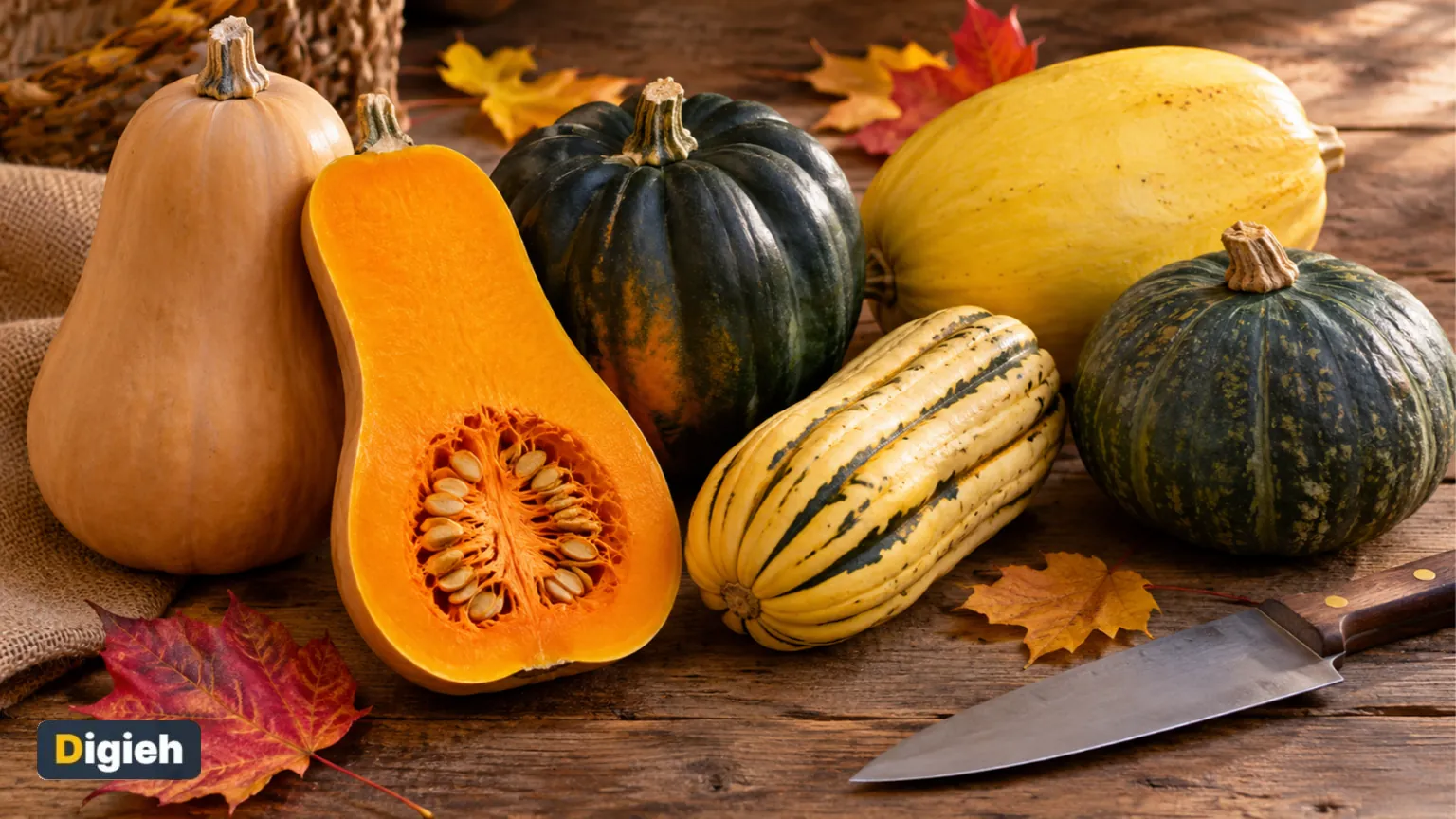
UMass Extension describes butternut as having beige skin, orange flesh and a sweet, nutty flavor. Utah State notes its pear shape and small seed pocket, which means more usable flesh.
Acorn Squash
Acorn squash is small with dark green, ribbed skin. Utah State says its skin is edible, so peeling is optional.
Spaghetti Squash
Spaghetti squash forms long, stringy strands when cooked. UMass notes it can replace pasta, but it cannot replace other squash in most recipes.
Delicata Squash
Delicata is oblong and yellow with green stripes. Its thin skin softens when roasted, so many cooks leave it on.
Delicata does not store as long as thicker-skinned squash. Plan to use it within a few weeks of buying.
Kabocha Squash
Kabocha is a squat, dark green Japanese squash with dense, sweet flesh. It roasts well and works in soups and curries.
Kabocha skin is edible once cooked, though some people prefer to peel it. Its flesh turns fluffy, almost like a chestnut.
Hubbard Squash
Hubbard squash is large with a bumpy, blue-gray shell. Utah State says its smooth flesh is great for mashing.
Because Hubbard squash is so large, stores often sell it in pieces. Wrap cut pieces tightly and refrigerate them, then use them within about a week for best quality.
Quick tip. New to winter squash? Start with butternut or delicata. They are easy to prep and loved by most people.
Which winter squash is your favorite?
- Butternut
- Acorn
- Spaghetti
- Not sure
How to Pick Winter Squash
University of Minnesota Extension advises choosing squash that is firm and heavy for its size with dull rinds. Soft rinds may mean watery, bland flesh.
- Look for a hard rind that resists a fingernail.
- Choose squash that feels heavy for its size.
- Avoid cuts, punctures, mold and soft or sunken spots.
- Keep the stem attached, since it helps squash last.
- Pick a dull finish over a shiny one.
Utah State notes that thin, soft skin suggests an immature squash. Peak season is fall and winter.
How to Store Winter Squash
| Form | Where | How long |
|---|---|---|
| Whole, unwashed | Cool, dark, dry place | Up to about 3 months |
| Cut, raw | Wrapped in the fridge | Up to 1 week |
| Cooked | Covered in the fridge | Up to 5 days |
| Cooked and mashed | Freezer | Up to about 1 year |
These storage times come from UMass Extension. Utah State suggests a storage temperature of about 50 to 55 degrees Fahrenheit for whole squash.
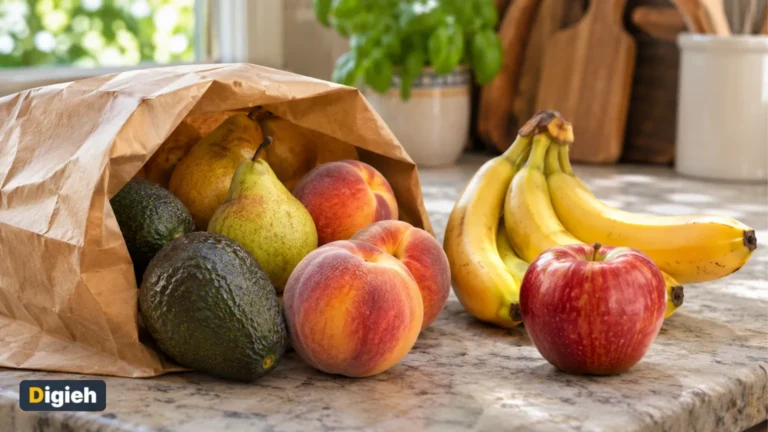
Utah State also warns to keep squash away from apples and pears. Ripening fruit gives off ethylene gas, which shortens squash storage life.
Learn which produce to keep apart in our guide on how to store fruits and vegetables.
How to Cut Winter Squash Safely
Winter squash has a tough shell that can be hard to cut. A few steps make it safer.
- Wash and scrub the squash under cool running water.
- Dry it well so it does not slip.
- Cut a thin slice off one side to make a flat base.
- Use a large, sharp chef’s knife.
- Cut in half from stem to base, then scoop out seeds.
Utah State suggests pricking spaghetti squash and microwaving it briefly to soften the shell before cutting. This trick works for other hard squash too.
Washing the outside matters even though you do not eat the rind. See our guide on how to wash fruits and vegetables.
Knife safety. Keep fingers away from the blade and cut on a stable board. A damp towel under the board stops it from sliding.
Cooking Methods
| Method | How to do it |
|---|---|
| Roasting | Cube, toss with oil and roast at 400 degrees F for 20 to 30 minutes |
| Baking halves | Bake halved squash at 350 degrees F for about 45 minutes |
| Microwaving | Cook halves cut side down with a little water until tender |
| Steaming | Steam peeled cubes until fork tender |
These methods come from Utah State University Extension. UMass adds that squash is done when a fork pierces it easily.
Roasting brings out natural sweetness and caramelized edges. Try it in our roasted vegetables recipe.
How to Cook Spaghetti Squash
- Prick the squash and microwave briefly to soften.
- Cut in half lengthwise and remove the seeds.
- Roast or microwave until tender.
- Scrape the flesh with a fork into strands.
- Top with pasta sauce, pesto or roasted vegetables.
University of Minnesota Extension suggests baking spaghetti squash, scraping out the strands and topping with pasta sauce.
Seasoning Ideas
| Style | Seasonings |
|---|---|
| Sweet | Cinnamon, nutmeg, maple syrup |
| Savory | Garlic, thyme, rosemary, sage |
| Spicy | Chili powder, cumin, smoked paprika |
| Fresh | Lemon zest, parsley, a drizzle of olive oil |
Winter squash takes on both sweet and savory flavors well. Try one sweet and one savory batch side by side to see which your family likes best.
Squash in Hearty Winter Meals
Squash adds body and natural sweetness to many cold-weather dishes. It also stretches meals without much extra cost.
- Stir roasted cubes into grain bowls.
- Add squash to chili or bean stew.
- Fold mashed squash into risotto.
- Layer thin slices in a vegetable lasagna.
- Toss roasted squash with greens and nuts for a warm salad.
Free updates
Join the Digieh list
Be the first to know when our weekly brief launches.
No spam. Unsubscribe anytime. Read our Privacy Policy.
Recipe Ideas
- Butternut squash soup
- Stuffed acorn squash with rice and beans
- Roasted delicata rings
- Kabocha curry
- Spaghetti squash with marinara
- Pumpkin bread with homemade puree
Try our creamy butternut squash soup or moist pumpkin bread for cozy winter treats.
How to Roast Squash Seeds
UMass suggests roasting the seeds as a snack. Do not throw them away.
- Rinse seeds and remove stringy pulp.
- Pat them dry.
- Toss with a little oil and salt.
- Roast until golden and crisp, stirring once.
How to Freeze Winter Squash
Utah State recommends cooking squash first, then scooping out and mashing the flesh. Keep spaghetti squash stringy.
- Cool cooked squash quickly.
- Pack into containers with half an inch of headspace.
- Seal, label and date the containers.
- Use within 8 to 12 months for best quality.
Winter Squash Nutrition
Utah State calls winter squash a good source of vitamin A, potassium, vitamin C and fiber. Nutrition varies by variety.
University of Minnesota Extension reports that one cup of raw acorn squash cubes has about 486 milligrams of potassium. It also provides beta-carotene for eye health.
Squash is a top potassium source. See our list of potassium rich fruits and vegetables and our high fiber foods.
Orange squash and carrots share beta-carotene. Read whether carrots help eyesight.
Squash vs Sweet Potato
Winter squash and sweet potatoes both offer beta-carotene and fiber. Squash is generally lower in calories and carbohydrates per cup.
Both make great side dishes. Compare more starchy vegetables in sweet potato vs potato.
How to Make Pumpkin Puree From Scratch
Fresh puree tastes bright and works in pies, breads and soups. Small pie or sugar pumpkins work better than large carving pumpkins.
- Cut a pie pumpkin in half and scoop out the seeds.
- Roast the halves cut side down until very tender.
- Scoop the flesh away from the skin.
- Blend until smooth.
- Drain extra liquid in a strainer if the puree is watery.
Refrigerate fresh puree and use it within a few days, or freeze it in portions. Butternut or kabocha can stand in for pumpkin too.
Carving Pumpkins vs Cooking Squash
Large carving pumpkins are bred for size and shape, not flavor. Their flesh is often stringy and watery.
For cooking, choose pie pumpkins or other winter squash. Leftover carving pumpkins that sat outside should not be eaten.
Winter Squash for Kids
- Serve roasted squash cubes with a drizzle of maple syrup.
- Blend squash into mac and cheese sauce.
- Offer spaghetti squash with their favorite pasta sauce.
- Let kids scoop seeds and help roast them.
The natural sweetness of squash often wins over picky eaters. Mild butternut is a good first choice for young children.
Myths About Winter Squash
| Myth | Fact |
|---|---|
| All squash skins must be peeled | Acorn and delicata skins are edible |
| Squash must be refrigerated | Whole squash keeps best in a cool, dry pantry |
| Spaghetti squash works in any squash recipe | It is best used as a pasta swap |
| Carving pumpkins make the best pies | Pie pumpkins taste much better |
Knowing these facts helps you get the best flavor and the longest storage from every squash.
Saving Money on Winter Squash
- Buy whole squash instead of pre-cut cubes.
- Shop at farmers markets in fall for the best prices.
- Buy extra when on sale, since squash stores for months.
- Use canned pumpkin for baking when fresh is not available.
One medium squash can feed a family for more than one meal. Leftovers turn easily into soup, pasta sauce or a creamy side dish.
Your Winter Squash Checklist
- Pick heavy squash with hard, dull rinds
- Store whole squash cool and dark
- Keep it away from apples and pears
- Cut on a stable surface
- Roast for the best flavor
- Save and roast the seeds
Try this today. Roast a tray of butternut or delicata cubes with olive oil, salt and a pinch of cinnamon.
Test Yourself
Which winter squash forms noodle-like strands when cooked?
- Butternut
- Spaghetti squash
- Acorn
Spaghetti squash forms stringy strands that can replace pasta.
Frequently Asked Questions
How long does winter squash last?
Whole squash can last up to about three months in a cool, dry place.
Can you eat winter squash skin?
Acorn and delicata skins are edible. Peel butternut.
What is the sweetest winter squash?
Kabocha and butternut are among the sweetest.
Can you freeze raw squash?
Cooked squash freezes best. Mash it first, except spaghetti squash.
Conclusion
Winter squash is affordable, nutritious and easy to store. Pick a few types and try roasting, baking or making soup.
With so many varieties, there is a winter squash for every taste.
Found this useful?
Editor’s Note
This guide is accurate as of November 10, 2026. It draws on Extension guides from the University of Minnesota, Utah State University and UMass.
Follow safe knife habits when cutting hard squash.
Spot an error in this article? Please contact us at support@digieh.com or read our Corrections Policy.
Keep exploring
Your next read is waiting
 1MedicinesVitamin B12 Deficiency Signs and Who Needs Supplements9 min read
 2Science & DiscoveriesQuadrantid Meteor Shower 2027: Best Time to Watch9 min read
 3FashionHow to Layer Necklaces Without Tangles or Clutter9 min read
 4Fruits & VegetablesHigh Fiber Fruits and Vegetables for Better Digestion9 min read
 5Travel & TourismHow to Pack a Carry-On for a Week9 min read
 6AI & TechHow to Use AI for Smarter Holiday Shopping9 min read