TRENDING
Electrolytes Explained: When You Need Them, When Not

9 min read
Last updated November 10, 2026
Electrolytes are minerals in your blood and body fluids that carry an electric charge. They include sodium, potassium, chloride, calcium, magnesium and phosphorus.
Most healthy people get enough electrolytes from food and water. You may need extra after long, heavy sweating or during vomiting and diarrhea.
This guide explains what electrolytes do and when you actually need an electrolyte drink. It also shows when plain water is the better choice.
Health note. This article shares general information, not medical advice. Ask your doctor before using electrolyte drinks or powders if you have kidney disease, heart failure or high blood pressure, or follow a low salt diet.
Key Takeaways
- Electrolytes help control fluid balance, nerves and muscles.
- Food supplies enough electrolytes for most people most days.
- Plain water is usually the best drink for everyday thirst.
- Oral rehydration solutions help during vomiting and diarrhea.
- Sports drinks make sense mainly after hours of heavy sweating.
Jump to a section
- What electrolytes are
- What they do
- How you lose them
- When you need them
- When you do not
- Types of drinks
- Food sources
- Warning signs
- When to get help
- Frequently asked questions
What Are Electrolytes?
MedlinePlus defines electrolytes as minerals in your blood and other body fluids that carry an electric charge.
| Electrolyte | Main job |
|---|---|
| Sodium | Controls fluid balance and blood pressure |
| Potassium | Supports heart rhythm and muscles |
| Chloride | Works with sodium to balance fluids |
| Calcium | Builds bones and helps muscles contract |
| Magnesium | Supports nerves, muscles and energy use |
| Phosphorus | Helps build bones and store energy |
Your kidneys work hard to keep these minerals in a narrow, healthy range. They hold on to what you need and send extra out in urine.
6The number of common electrolytes MedlinePlus lists, from calcium to sodium.
What Electrolytes Do
MedlinePlus explains that electrolytes affect the amount of water in your body and the acidity of your blood. They also shape how nerves and muscles work.
- They help move water in and out of cells.
- They carry signals along nerves.
- They help muscles, including the heart, contract.
- They help keep blood acidity in balance.
Because they do so much, a serious imbalance can cause real problems. Mild shifts are common and usually correct themselves with food and fluids.
How You Lose Electrolytes
MedlinePlus notes that you lose electrolytes when you sweat. It also says water alone does not contain a significant amount of electrolytes.
| Cause | What is lost |
|---|---|
| Heavy sweating | Mostly sodium and some potassium |
| Vomiting | Fluid, sodium, potassium and chloride |
| Diarrhea | Fluid, sodium and potassium |
| Some medicines, like water pills | Sodium and potassium |
| Heavy drinking | Fluid and several minerals |
Some blood pressure medicines affect sodium and potassium levels. Our guide to blood pressure medicines explained covers how diuretics work.
Alcohol also makes you lose fluid. See our guide to medicines and alcohol interactions for more cautions.
When You May Need Electrolytes
You may benefit from an electrolyte drink in a few common situations.
- Vomiting or diarrhea, especially for more than a day.
- Hours of heavy sweating at work or during sports.
- Long hikes, races or games in hot weather.
- Recovering from a stomach bug and struggling to eat.
The CDC heat safety advice for workers says to use sports drinks with balanced electrolytes when sweating lasts several hours.
For shorter, moderate work in the heat, the same guidance recommends regular sips of water. It also advises avoiding alcohol and drinks high in caffeine or sugar.
Quick tip. Weighing yourself before and after a long, sweaty workout shows how much fluid you lost. Drink to replace it over the next few hours.
When You Probably Do Not Need Them
Electrolyte drinks are marketed for everyday use, but most people do not need them for normal days.
- A typical workout of under an hour.
- Desk work or ordinary daily activity.
- Mild thirst on a regular day.
- Cool weather with little sweating.
In these cases, water and regular meals cover your needs. Many electrolyte drinks add sugar and calories you do not need.
Some powders also contain a lot of sodium. People on a low salt diet should check the label carefully.
How often do you drink electrolyte drinks?
- Daily
- Only after workouts
- Only when sick
- Not sure
Sports Drinks vs Oral Rehydration Solutions
Not all electrolyte drinks are the same. HealthLinkBC explains that oral rehydration solutions contain a balance of salt, sugar, potassium and other minerals.
HealthLinkBC says sports drinks, soda and juice have too much sugar for this job. They also lack enough electrolytes to replace losses from diarrhea and vomiting.
| Drink | Best use | Watch out for |
|---|---|---|
| Water | Everyday hydration | Lacks electrolytes for heavy losses |
| Oral rehydration solution | Vomiting and diarrhea | Taste may be salty |
| Sports drink | Hours of heavy sweating | Added sugar and calories |
| Electrolyte powders and tablets | Long workouts in heat | High sodium in some brands |
| Coconut water | Light activity | Low sodium for heavy sweating |
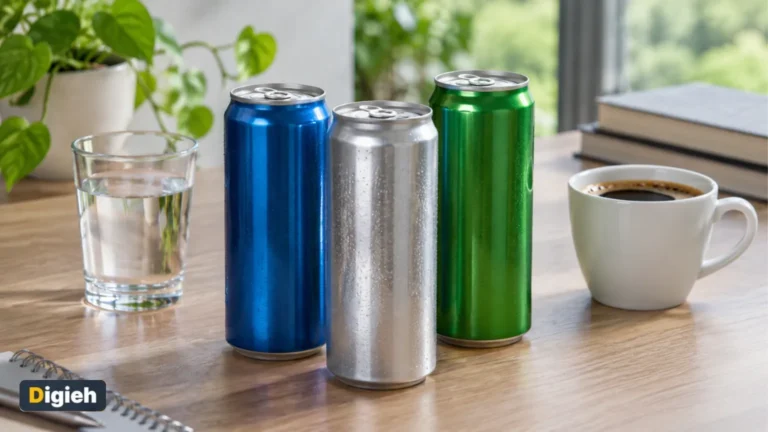
| Energy drinks | Not for rehydration | Caffeine and sugar |
Energy drinks are not electrolyte drinks. Our guide to whether taurine is safe explains what is in them.
Electrolytes During a Stomach Bug
Vomiting and diarrhea can drain fluids quickly. HealthLinkBC notes this happens faster and is more serious in babies, young children, older adults and people with chronic illness.
- Start with small, frequent sips of an oral rehydration solution.
- Increase the amount slowly as vomiting settles.
- Return to bland foods when you feel ready.
- Watch closely for signs of dehydration.
Follow the product label for how much to drink. Ask a pharmacist if you are unsure which product to choose.
Norovirus is a common cause of sudden vomiting. Read our guide to norovirus symptoms and how to stop it.
Holiday meals can also bring stomach trouble. See our tips to prevent holiday food poisoning.
Electrolytes for Children
Children dehydrate faster than adults. HealthLinkBC advises that adult rehydration drinks should not be used for babies and young children.
- Use a rehydration solution made for children.
- Keep breastfeeding or formula feeding babies.
- Avoid sports drinks, soda and juice for rehydration.
- Call your pediatrician for advice on amounts.
For parents. Call your child’s doctor right away if a baby has fewer wet diapers, cannot keep fluids down or seems unusually sleepy.
Food Sources of Electrolytes
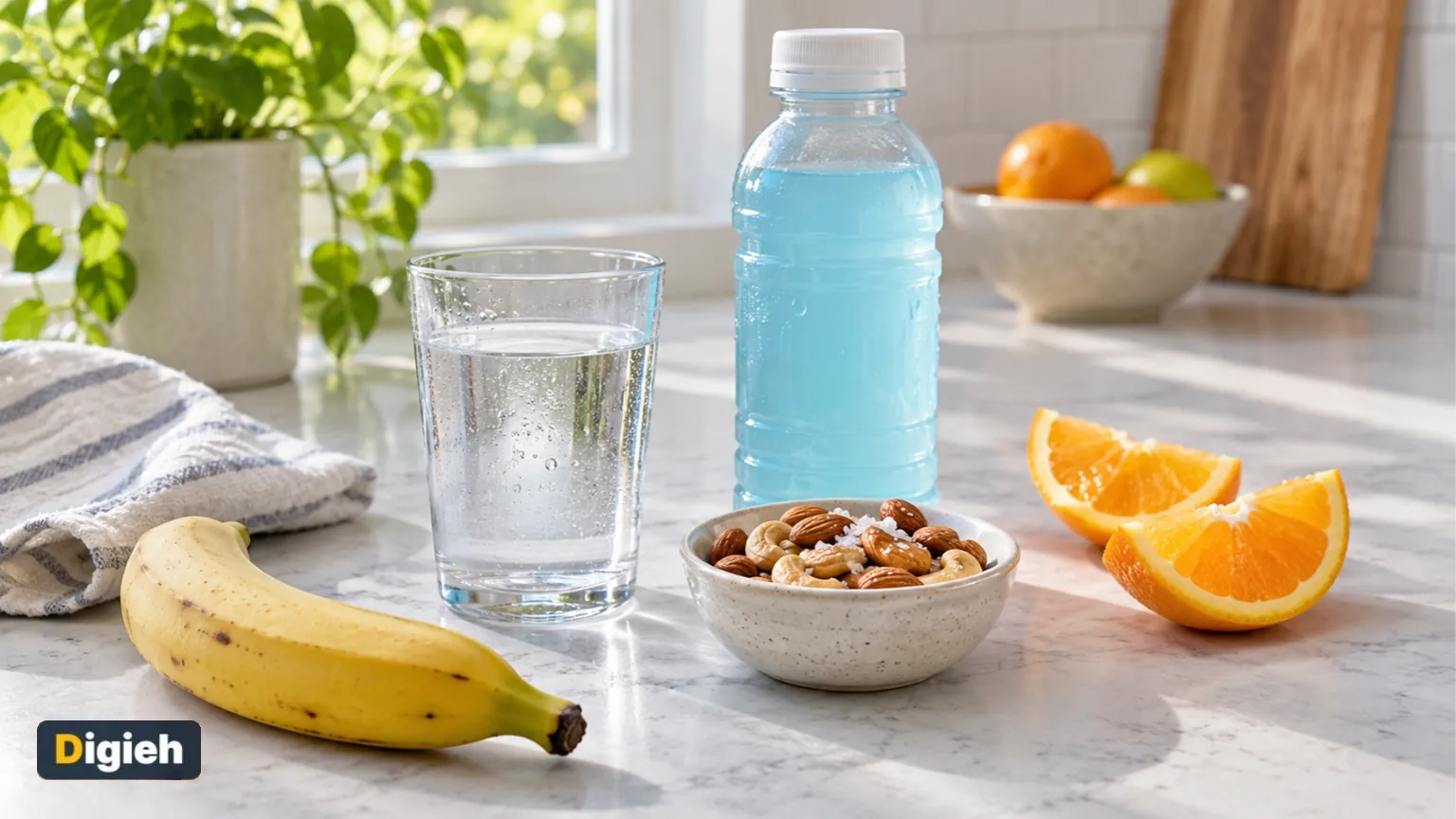
Everyday foods supply plenty of electrolytes for most people.
| Electrolyte | Food sources |
|---|---|
| Potassium | Bananas, potatoes, beans, spinach, yogurt |
| Sodium | Salt, broth, cheese, bread |
| Calcium | Milk, yogurt, fortified plant milks, leafy greens |
| Magnesium | Nuts, seeds, whole grains, beans |
| Chloride | Table salt, tomatoes, olives |
Bananas are a classic choice. See our guide to banana nutrition, ripe vs green.
For more ideas, browse our list of potassium rich fruits and vegetables.
If you wonder about supplements, read our guide to magnesium supplements first.
Free updates
Join the Digieh list
Be the first to know when our weekly brief launches.
No spam. Unsubscribe anytime. Read our Privacy Policy.
How to Read an Electrolyte Label
- Check sodium and potassium per serving.
- Look at total and added sugar.
- Note the serving size, since bottles may hold two.
- Watch for caffeine or herbal extras.
Comparing two or three labels side by side makes the differences clear quickly.
Can You Get Too Many Electrolytes?
Yes. Too much sodium or potassium can be harmful, especially for people with kidney or heart disease.
- Do not drink electrolyte drinks all day out of habit.
- Read labels for sodium and potassium content.
- Avoid stacking several electrolyte products at once.
- Talk with your doctor if you take potassium or water pills.
Drinking huge amounts of plain water can also cause problems. The CDC worker guidance says fluid intake generally should not exceed a set hourly limit during heat work.
Electrolytes and Exercise
For most workouts, water is enough. Long endurance events and heavy sweating in heat are where electrolytes matter most.
- Drink water before, during and after exercise.
- Consider a sports drink for events lasting several hours.
- Eat a salty snack after very long, sweaty sessions.
- Notice cramps, dizziness or headaches during long sessions.
Cold weather hides sweat loss. Our winter running tips and winter hiking tips cover staying hydrated outdoors.
Electrolytes in Winter
Dry indoor heat and cold air can quietly dehydrate you. You may feel less thirsty in winter even when you need fluids.
Warm drinks, soups and broths can help. Our guide to winter hydration tips shares easy ideas.
Electrolytes for Older Adults
Older adults often feel less thirsty, even when their bodies need fluid. Many also take medicines that change sodium or potassium levels.
- Keep a water bottle within easy reach.
- Offer soups, fruit and other foods with high water content.
- Ask a doctor to review medicines that affect fluid balance.
- Watch for new confusion, which can signal dehydration.
Caregivers can help by setting gentle reminders to drink through the day. A quick check of urine color can also help, since pale yellow usually means good hydration.
Electrolyte Myths
| Myth | Fact |
|---|---|
| Everyone needs electrolyte drinks daily | Food and water cover most people |
| More electrolytes always means better hydration | Too much can be harmful |
| Sports drinks fix a stomach bug | Rehydration solutions work better |
| Clear urine means you need electrolytes | Very pale urine often means plenty of fluid |
Marketing often makes electrolyte products sound essential. For most people, a balanced diet and regular water do the job well.
Warning Signs of an Imbalance
An electrolyte imbalance can cause symptoms that are easy to miss at first.
- Muscle cramps or weakness.
- Fatigue or confusion.
- Headache or dizziness.
- Nausea or vomiting.
- Irregular or fast heartbeat.
A blood test can check electrolyte levels. Your doctor may order one if you have ongoing symptoms or take medicines that affect them.
When to Get Help
Call your doctor if you cannot keep fluids down or have diarrhea that lasts more than a couple of days.
- Seek urgent care for very little or no urine.
- Get help for dizziness when standing or fainting.
- Call 911 for confusion, a racing or irregular heartbeat or trouble breathing.
- Seek care quickly for infants, older adults and people with chronic illness.
Your Electrolyte Checklist
- Drink water for everyday thirst
- Use rehydration solutions for vomiting or diarrhea
- Save sports drinks for long, sweaty sessions
- Eat potassium rich foods daily
- Check labels for sodium and sugar
- Ask your doctor if you have kidney or heart disease
Try this today. Check your medicine cabinet for an oral rehydration solution. Keep one on hand before stomach bug season peaks.
Test Yourself
Which drink is best for rehydrating during diarrhea?
- Soda
- Sports drink
- Oral rehydration solution
Oral rehydration solutions balance salt, sugar and minerals for this purpose.
Frequently Asked Questions
Do I need electrolytes every day?
Most people get enough from food and water.
Are sports drinks good for a stomach bug?
No. Oral rehydration solutions work better.
Is coconut water a good electrolyte drink?
It has potassium but little sodium.
Can too many electrolytes be harmful?
Yes, especially for people with kidney or heart disease.
Conclusion
Electrolytes keep your fluids, nerves and muscles working. Food and water cover most people on most days.
Reach for an oral rehydration solution when you are sick, and save sports drinks for long, sweaty efforts.
Found this useful?
Editor’s Note
This guide is accurate as of November 10, 2026. It draws on MedlinePlus, HealthLinkBC and the CDC.
Talk with your doctor before using electrolyte products if you have a chronic condition.
Spot an error in this article? Please contact us at support@digieh.com or read our Corrections Policy.
Keep exploring
Your next read is waiting
 1MedicinesNasal Spray Rebound: Why Decongestant Sprays Stop Working9 min read
 2FashionSeasonal Color Analysis Explained: Find Your Best Colors9 min read
 3Travel & TourismHow to Pack a Carry-On for a Week9 min read
 4Fruits & VegetablesHow to Eat a Persimmon and Pick a Ripe One9 min read
 5AI & TechHow to Use AI for Smarter Holiday Shopping9 min read
 6Science & DiscoveriesQuadrantid Meteor Shower 2027: Best Time to Watch9 min read