TRENDING
Gastritis: Symptoms, Causes, Treatment and Foods to Eat
Gastritis explained: burning stomach pain, H. pylori and pain reliever causes, tests, treatment, what to eat while healing and the warning signs needing help.

7 min read
Last updated November 25, 2026
Gastritis means the lining of your stomach is inflamed. The most common causes are a germ called H. pylori, regular use of some pain relievers and heavy drinking.
Many people have no symptoms at all. Others get a burning pain in the upper stomach, nausea or feel full fast. Most cases get better with the right treatment.
Health note. This article is for general information only and is not medical advice. Black stools or vomiting blood need urgent care.
Key Takeaways.
- H. pylori infection is the most common cause of gastritis, says a US health agency.
- Pain relievers like ibuprofen, naproxen and aspirin can irritate the stomach lining.
- Most people with gastritis have no symptoms.
- Gastritis can be sudden and short, or slow and long-lasting.
- Black or tarry stools are a sign of bleeding and need urgent help.
Jump to a section
- What gastritis is
- Symptoms
- Common causes
- Gastritis, ulcers and heartburn
- Should I see a doctor?
- How it is diagnosed
- Treatment
- Eating while it heals
- Pain relievers and your stomach
- When to Get Help
- Questions to Ask Your Doctor
- Frequently Asked Questions
- Sources
- Conclusion
What Is Gastritis?
Your stomach is lined with a layer of mucus that shields it from strong acid. Gastritis happens when this lining becomes red, swollen and irritated.
A close condition is called gastropathy. Here the lining is damaged but there is little swelling, explains the US digestive health institute.
Gastritis can come on suddenly and pass in a day or two. This is called acute gastritis. It can also build up slowly and last for months or years. This is chronic gastritis.
About halfShare of the world population with H. pylori, says the US digestive health institute.
Hiccups have many everyday triggers too. Learn more in our hiccups guide.
Symptoms
- A burning or gnawing pain in the upper stomach.
- Nausea or vomiting.
- Feeling full very soon during a meal.
- Feeling too full after eating.
- Bloating and burping.
- Loss of appetite.
- Hiccups.
These signs come from the US digestive health institute and healthdirect Australia. The pain may get better or worse after eating.
Common Causes
| Cause | How it harms the lining | What helps |
|---|---|---|
| H. pylori infection | Bacteria live in the lining and cause long-term swelling | Antibiotics plus acid-lowering medicine |
| Pain relievers | Ibuprofen, naproxen and aspirin weaken the protective layer | Ask about a safer option |
| Alcohol | Irritates and wears down the lining | Cut down or stop |
| Bile reflux | Bile flows back into the stomach | Doctor-led treatment |
| Autoimmune | The immune system attacks the lining | Vitamin B12 and checks |
| Severe stress on the body | Major surgery, burns or serious illness | Hospital care |
Sources: US digestive health institute and Better Health Channel, checked November 25, 2026.
H. pylori often spreads in childhood through close contact, food or water. Many people carry it for years with no signs.
Gastritis, Ulcers and Heartburn
These three problems feel alike, but they are not the same. This table shows the main differences.
| Condition | What it is | Typical feeling |
|---|---|---|
| Gastritis | Swollen, irritated stomach lining | Burning upper stomach, nausea, early fullness |
| Stomach ulcer | An open sore in the stomach or gut lining | Gnawing pain, often between meals or at night |
| Heartburn | Acid flowing up into the food pipe | Burning behind the breastbone, sour taste |
Source: US digestive health institute, checked November 25, 2026.
Untreated gastritis can lead to ulcers. For heartburn tips, see our guide to heartburn relief.
Should I See a Doctor?
Tap the signs you have. The bars show the best next step. This is a guide, not a diagnosis.
- Mild burning after a big meal
- Indigestion lasting a week or more
- Taking pain relievers most days
- Losing weight without trying
- Trouble swallowing
- Black, tarry stools
- Vomit with blood or that looks like coffee grounds
- Feeling faint or short of breath
What brings on your stomach pain most?
- Pain relievers
- Alcohol
- Big or late meals
- Stress
- Not sure
How It Is Diagnosed
Your doctor will ask about your symptoms, medicines and drinking. They may then order tests to find the cause.
| Test | What it checks |
|---|---|
| Breath test | Looks for H. pylori after you drink a special liquid |
| Stool test | Looks for H. pylori or hidden blood in your poo |
| Blood test | Checks for anaemia and low vitamin B12 |
| Upper endoscopy | A thin camera looks at the lining and takes small samples |
Source: US digestive health institute, checked November 25, 2026.
Try this today. Tell your doctor about any acid-lowering medicine you take. Some can affect the breath and stool tests, so you may need to pause them first.
Treatment
Treatment depends on the cause. Fixing the cause is what lets the lining heal.
- H. pylori: a course of two antibiotics plus an acid-lowering medicine, usually for 10 to 14 days.
- Pain relievers: stopping or switching them, often with acid-lowering medicine.
- Alcohol: cutting down or stopping.
- Autoimmune gastritis: vitamin B12 and regular checks.
Common acid-lowering medicines include omeprazole. Read our guide to omeprazole side effects before long-term use.
Finish the full antibiotic course even if you feel better. A follow-up test may check that the germ is gone.
Free updates
Join the Digieh list
Be the first to know when our weekly brief launches.
No spam. Unsubscribe anytime. Read our Privacy Policy.
Eating While It Heals
Food does not cause most gastritis, the US digestive health institute notes. But some foods and drinks can make symptoms worse while you heal.
| Easier on the stomach | May make it worse |
|---|---|
| Small, regular meals | Large or late meals |
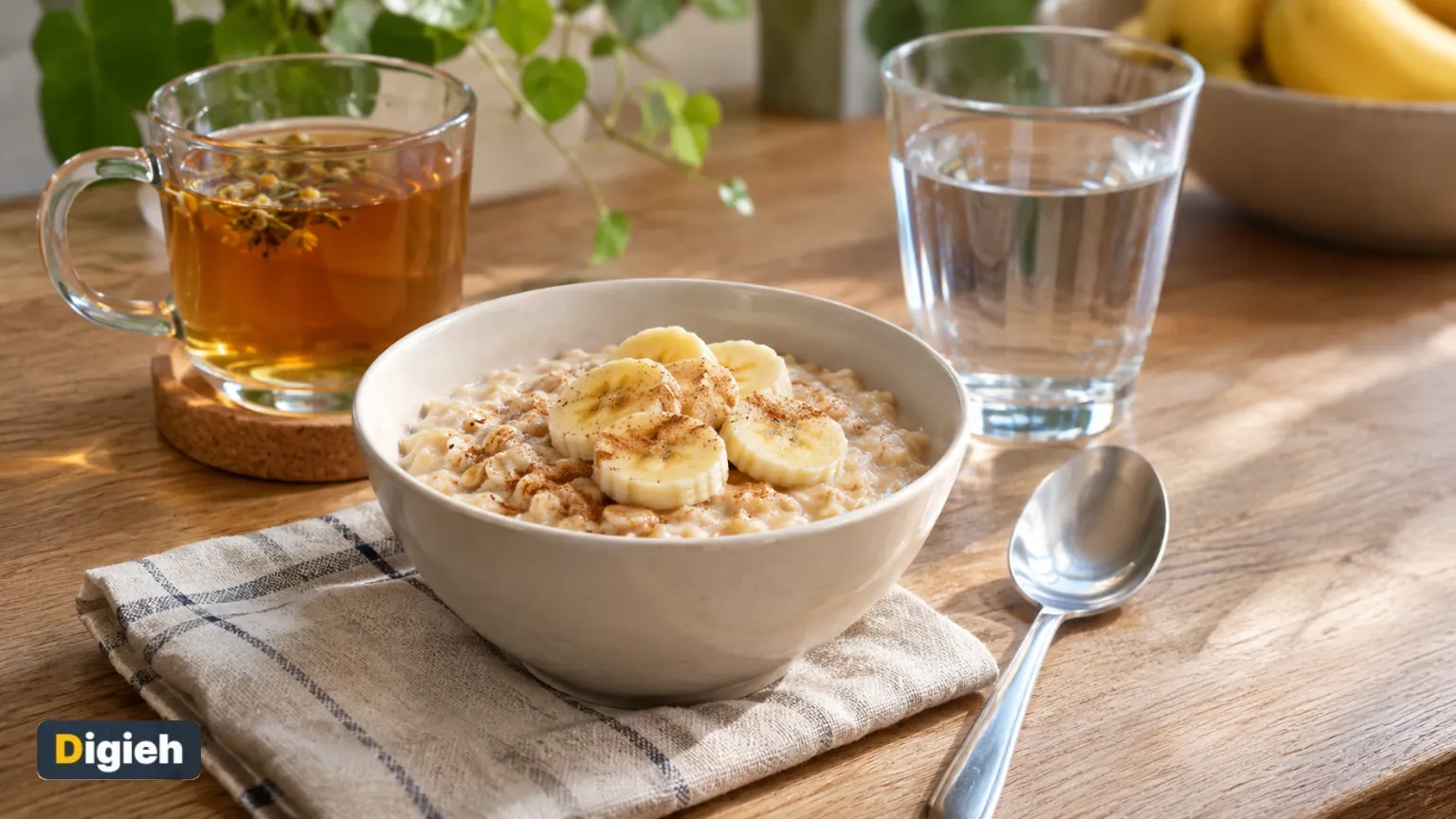
| Oats, rice, bananas and toast | Very spicy food |
| Steamed or baked lean protein | Fried and fatty food |
| Water and caffeine-free herbal tea | Alcohol, coffee and fizzy drinks |
Source: general advice from healthdirect Australia, checked November 25, 2026.
- Eat smaller meals more often.
- Stop eating two to three hours before bed.
- Keep a food and symptom diary.
- Stop smoking, as it slows healing.
If you also feel bloated a lot, see our guide to everyday bloating.
Pain Relievers and Your Stomach
Ibuprofen, naproxen and aspirin are called anti-inflammatory pain relievers. Taken often, they are one of the main causes of stomach damage and ulcers.
Paracetamol is gentler on the stomach for many people. See our guide to acetaminophen and ibuprofen.
Never stop a daily aspirin prescribed for your heart without asking your doctor first.
How Long Gastritis Lasts
Acute gastritis from alcohol or a pain reliever often settles within days once the cause stops. H. pylori gastritis can last for life without treatment, but clears in most people after antibiotics.
Complications
- Stomach ulcers.
- Bleeding from the stomach lining.
- Anaemia from low iron or vitamin B12.
- A higher risk of stomach cancer with long-term H. pylori or autoimmune gastritis.
These risks come from the US digestive health institute. Treating the cause lowers them.
Preventing Gastritis
- Use pain relievers at the lowest dose for the shortest time.
- Take them with food.
- Drink alcohol in moderation or not at all.
- Wash your hands before eating and after the toilet.
- Drink safe, clean water.
What is the most common cause of gastritis?
- Spicy food
- H. pylori infection
- Drinking cold water
H. pylori bacteria cause most gastritis. Spicy food can irritate symptoms but rarely causes it.
Gastritis Myths
- Spicy food causes gastritis. It may worsen symptoms, but germs and medicines are the main causes.
- Milk soothes it. Relief is short and milk can boost acid later.
- No pain means no gastritis. Most people have no symptoms.
- It always needs surgery. Medicine and lifestyle changes treat most cases.
When to Get Help
Get urgent help if you vomit blood or your vomit looks like coffee grounds. Black or tarry stools also need urgent care. Also go if you feel faint or short of breath, the US digestive health institute advises.
See a doctor if indigestion lasts a week or more, or you think a medicine is causing it.
Questions to Ask Your Doctor
- What is causing my gastritis?
- Should I be tested for H. pylori?
- Do I need an endoscopy?
- Is my pain reliever safe for my stomach?
- How long should I take acid-lowering medicine?
- Do I need a follow-up test?
Frequently Asked Questions
How long does gastritis take to heal?
Acute gastritis can settle in days. H. pylori gastritis usually improves within weeks of treatment.
Is gastritis the same as an ulcer?
No. Gastritis is swelling of the lining. An ulcer is an open sore, and gastritis can lead to one.
Can stress cause gastritis?
Everyday stress can worsen symptoms. Severe physical stress, like major surgery, can cause it.
Is gastritis contagious?
Gastritis itself is not, but the H. pylori germ can spread between people.
Sources
- US digestive health institute: Gastritis and gastropathy
- healthdirect Australia: Gastritis
- Better Health Channel: Gastritis
Conclusion
Gastritis is common and usually treatable once the cause is found. H. pylori and frequent pain relievers are the usual culprits.
Next step: if stomach burning lasts a week, ask your doctor about an H. pylori test. Get urgent care for black stools or blood in vomit.
Editor’s Note
This article is accurate as of November 25, 2026. Facts come from the US digestive health institute, healthdirect Australia and the Better Health Channel.
Spot an error in this article? Please contact us at support@digieh.com or read our Corrections Policy.
Keep exploring
Your next read is waiting
 1HealthChilblains: Causes, Treatment and How to Prevent Them7 min read
 2Pets & AnimalsHow to Choose Dog Food: Reading the Label7 min read
 3Beauty & Personal CareDandruff vs Dry Scalp: Signs, Causes and Treatment7 min read
 4HealthFrozen Shoulder: Causes, Stages and Exercises That Help7 min read
 5HealthRaynaud’s: Cold Fingers, Triggers and When to Worry7 min read
 6HealthSprained Ankle: Treatment, Recovery Time and Warning Signs7 min read
Found this useful?