TRENDING
How to Clean an Oven With Baking Soda and Vinegar
Learn how to clean an oven with baking soda and vinegar. Follow 7 easy steps, clean the racks, use self-clean safely and keep your oven ready for holidays.

8 min read
Last updated November 6, 2026
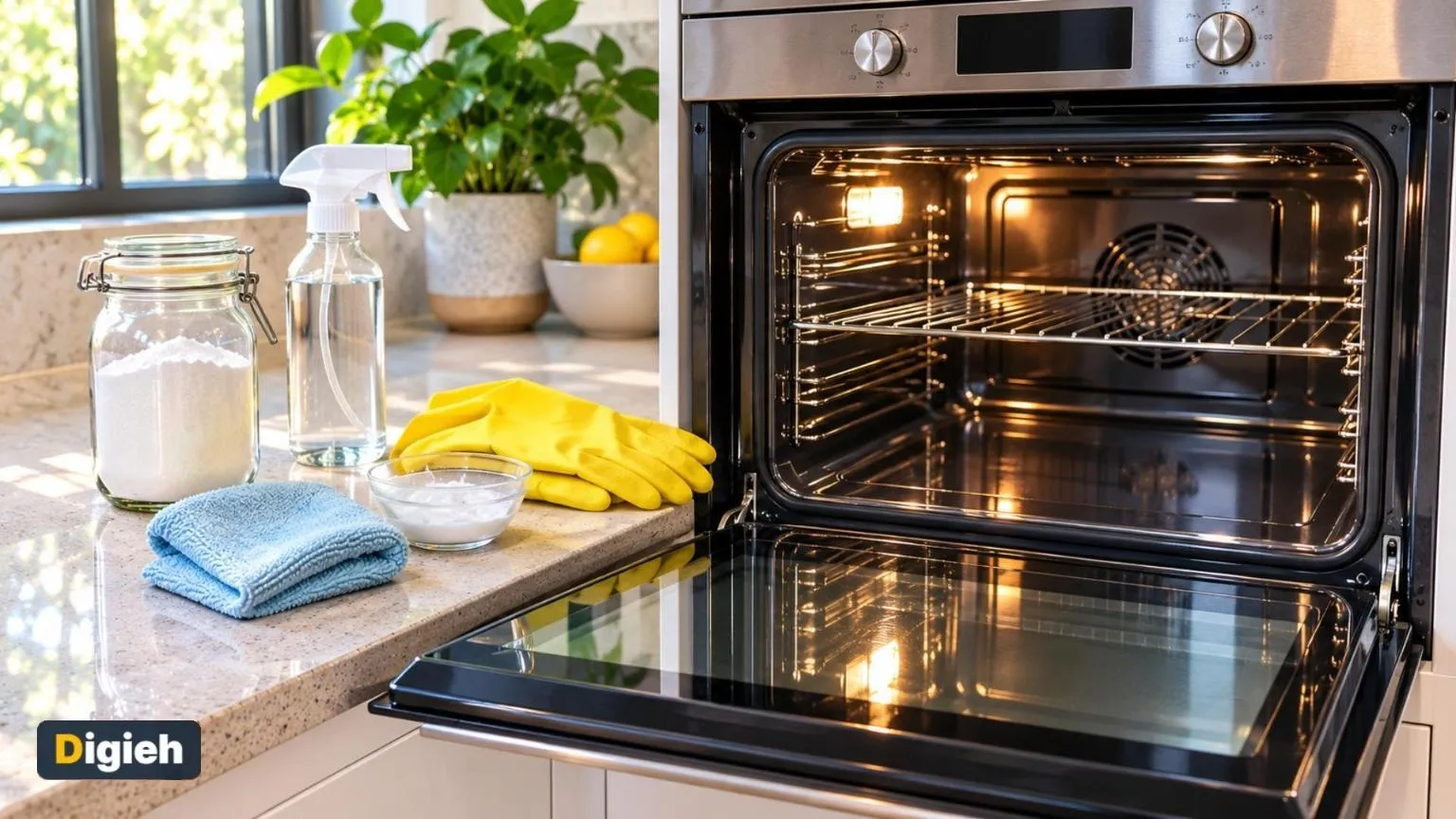
To clean your oven naturally, mix baking soda and water into a thick paste. Spread it inside the cold oven. Let it sit for at least 12 hours or overnight. Then spray with vinegar, wipe away the grime with a damp cloth and rinse well.
This simple method uses cheap pantry items and no harsh fumes. It is a smart job to do before holiday baking starts.
Always turn off and cool the oven first. Never mix bleach with vinegar or ammonia, and open a window for fresh air.
Key Takeaways
- Baking soda paste loosens baked-on grease without harsh chemicals.
- Let the paste sit overnight for the best results.
- Soak oven racks separately in hot, soapy water.
- Never mix cleaners like bleach and vinegar.
- A quick wipe after spills prevents big messes later.
On This Page
- What You Need
- How to Clean Your Oven Step by Step
- How to Clean Oven Racks
- Using the Self-Clean Setting
- How to Keep Your Oven Clean
- Why Clean Your Oven
- How Often to Clean
- Clean the Oven Door Glass
- Clean the Stovetop
- Clean the Knobs and Control Panel
- Safety First
- Store-Bought Oven Cleaners
- Prevent Smoke and Smells
- Check Your Oven Temperature
What You Need
The Environmental Protection Agency (EPA) lists Safer Choice cleaning products.
| Supply | Use |
|---|---|
| Baking soda | Makes a gentle cleaning paste |
| Water | Mixes with baking soda |
| White vinegar | Helps lift the paste |
| Spray bottle | Applies vinegar evenly |
| Plastic scraper | Removes stuck-on grime |
| Rubber gloves | Protects your hands |
| Microfiber cloths | Wipes surfaces clean |
12 hoursHow long to leave baking soda paste in the oven for the best results.
How to Clean Your Oven Step by Step
1. Empty and Cool the Oven
Turn the oven off and let it cool fully. Remove the racks, thermometer and anything else inside.
2. Make the Paste
Mix about 1/2 cup of baking soda with a few tablespoons of water. Aim for a thick, spreadable paste.
3. Coat the Inside
Wearing gloves, spread the paste over the oven walls, floor and door. Skip the heating elements.
Quick tip. Clean the oven door glass with a little paste on a soft cloth. It removes brown film without scratching.
4. Let It Sit Overnight
Leave the paste for at least 12 hours. It will turn brown as it softens the grease.
5. Wipe and Scrape
Use a damp cloth to wipe away the paste. A plastic scraper helps with tough spots.
6. Spray With Vinegar
Spray vinegar on any leftover baking soda. It will foam, which helps lift the last bits.
7. Rinse and Dry
Wipe everything with a clean, damp cloth. Then dry the surfaces and put the racks back.
How often do you clean your oven?
- Every month
- A few times a year
- Once a year
- Not sure
How to Clean Oven Racks
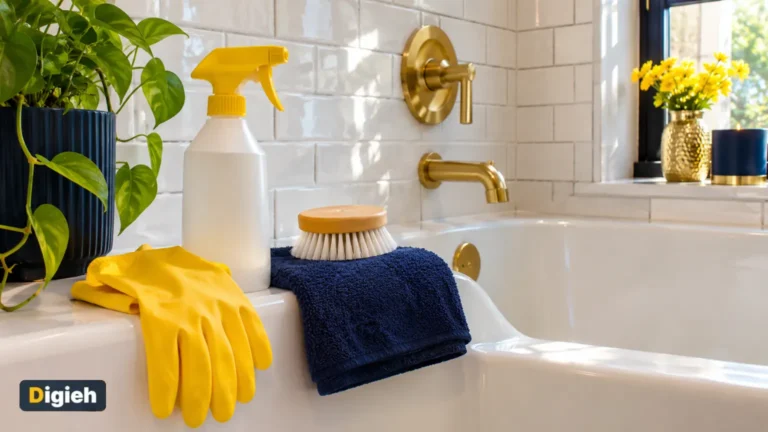
Place the racks in a bathtub or large sink lined with an old towel. Fill with hot water and add a few drops of dish soap.
Soak them for a few hours or overnight. Then scrub with a brush, rinse and dry.
Use this calculator to plan your cleaning time.
Oven cleaning time planner
Good to know. Check your manual before using any cleaner on a self-cleaning or steam-cleaning oven. Some coatings need special care.
Using the Self-Clean Setting
Many ovens have a self-clean cycle that burns off grime at very high heat. It can create smoke and odors.
The Centers for Disease Control and Prevention (CDC) explains carbon monoxide risks, so keep the kitchen aired out.
Read your oven manual first. Remove racks unless the manual says to leave them in, and keep pets and kids away. Avoid running the cycle right before a big holiday meal.
How to Keep Your Oven Clean
FoodSafety.gov explains how to keep kitchen surfaces clean.
- Wipe up spills once the oven cools.
- Place a baking sheet on the rack below messy dishes.
- Cover casseroles that tend to bubble over.
- Do a quick clean every month or two.
- Turn off and cool the oven
- Remove racks
- Spread baking soda paste
- Wait 12 hours
- Wipe, spray vinegar and rinse
- Soak and scrub racks
Add to calendar
Why Clean Your Oven
A dirty oven does more than look bad. Old grease and spills can smoke and smell when you cook.
Burnt bits can also affect the flavor of your food. A clean oven heats more evenly and works better.
Cleaning before the holidays is smart. You will likely use your oven more for roasts, pies and cookies.
How Often to Clean
How often you clean depends on how much you cook. A simple guide helps.
| Task | How Often |
|---|---|
| Wipe small spills | After the oven cools |
| Clean the glass door | Every few weeks |
| Clean racks | Every few months |
| Deep clean inside | Every three to six months |
| Clean stovetop and knobs | Weekly |
Heavy holiday cooking may call for an extra deep clean in January, once the season winds down.
Clean the Oven Door Glass
The glass door often gets brown streaks and splatters. A gentle method makes it sparkle.
Spread baking soda paste on the inside of the glass. Let it sit for about 20 minutes.
Wipe it away with a damp cloth. Use a plastic scraper for stubborn spots.
Some doors have grime between the glass panels. Check your manual before you try to take the door apart.
Clean the Stovetop
The stovetop needs cleaning more often than the oven. Different surfaces need different care.
Glass or Ceramic Cooktop
Let it cool completely. Use a cleaner made for glass cooktops and a soft cloth.
Gas Burners
Remove grates and burner caps. Soak them in hot, soapy water, then scrub and dry them fully.
Electric Coil Burners
Unplug the coils if they are removable. Wipe them gently and clean the drip pans underneath.
Never put water on a hot stovetop. Let it cool first.
Clean the Knobs and Control Panel
Knobs and control panels get greasy from busy hands. They also collect crumbs.
Many knobs pull straight off. Soak them in warm, soapy water and let them dry.
Wipe the control panel with a barely damp cloth. Do not spray liquid directly onto electronic controls.
Free updates
Join the Digieh list
Be the first to know when our weekly brief launches.
No spam. Unsubscribe anytime. Read our Privacy Policy.
Safety First
Oven cleaning involves heat, chemicals and sharp edges. Keep safety in mind.
- Make sure the oven is off and fully cool.
- Wear gloves to protect your hands.
- Open a window for fresh air.
- Keep kids and pets out of the kitchen.
- Never mix cleaning products.
Mixing products like bleach and ammonia can release dangerous gases. Use one product at a time.
Store-Bought Oven Cleaners
Store-bought cleaners can cut through heavy grime faster. Many contain strong chemicals.
Read and follow the label carefully. Wear gloves and keep the room well ventilated.
Look for fume-free options if strong smells bother you. Never use oven cleaner on a self-cleaning oven unless the label allows it.
Prevent Smoke and Smells
Smoke while cooking often comes from old spills. A few habits keep your oven clean and your kitchen fresh.
- Use a baking sheet under pies and casseroles.
- Choose pans large enough to hold juices.
- Clean up big spills as soon as the oven cools.
- Run your kitchen vent fan while cooking.
Test your smoke alarm monthly. Busy holiday cooking can trigger alarms, so make sure they work.
Check Your Oven Temperature
Ovens can run hotter or cooler than the dial says. That affects baking results.
Place an oven thermometer in the center of the oven. Preheat and compare the reading with the setting.
Adjust your recipes if your oven runs off. Call a technician if the difference is large or keeps changing.
The United States Department of Agriculture (USDA) explains how appliance thermometers work.
Oven Cleaning Mistakes to Avoid
Cleaning the oven the wrong way can damage it or put you at risk. Watch out for these mistakes.
- Mixing different cleaning products together
- Spraying cleaner on heating elements or fans
- Using steel wool on glass or enamel surfaces
- Leaving racks inside during a self-clean cycle unless the manual allows it
Always read your oven manual before trying a new method. It lists safe cleaners and settings for your model.
Keep Your Kitchen Fresh While Cleaning
Oven cleaning can bring strong smells into your kitchen. A few steps keep the air fresh.
Open a window and turn on your range hood fan before you start. Keep pets and children out of the kitchen.
Choose milder cleaners like baking soda and vinegar when you can. Wipe surfaces with clean water to remove any leftover residue.
Clean small spills soon after cooking so grime never builds up.
Make Oven Care Part of Your Routine
A quick wipe once a week stops grease from building up. Place a baking sheet on a lower rack to catch drips when you roast.
Try this today. Sprinkle baking soda on oven spills tonight and spray with water. Wipe it clean tomorrow morning.
Test Yourself
Which cleaners should never be mixed?
- Bleach and vinegar
- Baking soda and water
- Dish soap and water
Bleach mixed with vinegar or ammonia can release harmful gases.
How long should baking soda paste sit?
- 5 minutes
- 1 hour
- At least 12 hours
Overnight soaking softens tough, baked-on grease.
Frequently Asked Questions
How do you clean an oven with baking soda?
Spread a baking soda paste inside, leave it overnight, then wipe and spray with vinegar.
How long should baking soda sit in the oven?
At least 12 hours, or overnight, for the best results.
Is the self-clean setting safe?
It is generally safe when you follow your manual. Open windows and keep pets away.
How often should I clean my oven?
A deep clean every 3 to 6 months works for most homes.
How do I clean the oven door glass?
Spread baking soda paste on the glass, wait 20 minutes, then wipe and scrape gently.
How often should I deep clean my oven?
Every three to six months, or more often if you cook a lot.
Can I mix cleaning products for tough grime?
No. Mixing products like bleach and ammonia can release dangerous gases.
Why does my oven smoke when I cook?
Old spills often burn and smoke. Clean the oven and use a sheet pan under messy dishes.
Wrapping Up
Start the baking soda paste tonight and finish cleaning in the morning. Your oven will be ready for holiday cooking.
Get the whole house ready with our Thanksgiving cleaning checklist. Then put your clean oven to work with our turkey cooking guide.
Found this useful?
Editor’s Note
This guide is accurate as of November 6, 2026. Always follow your oven maker’s instructions.
Spot an error in this article? Please contact us at support@digieh.com or read our Corrections Policy.
Keep exploring
Your next read is waiting
 1HealthHand Foot and Mouth Disease: Symptoms, Care, Spread7 min read
 2Pets & AnimalsCat Urinary Problems: Signs That Need Urgent Care7 min read
 3Beauty & Personal CareDandruff vs Dry Scalp: Signs, Causes and Treatment7 min read
 4MedicinesIs Sugar an Electrolyte? The Simple Science Answer7 min read
 5Home & KitchenFridge Without Power: How Long Food Stays Safe7 min read
 6HealthScabies: Symptoms, Treatment and How to Stop Spread7 min read