TRENDING
How to Clean Your Microwave in 5 Minutes With Lemon

8 min read
Last updated November 6, 2026
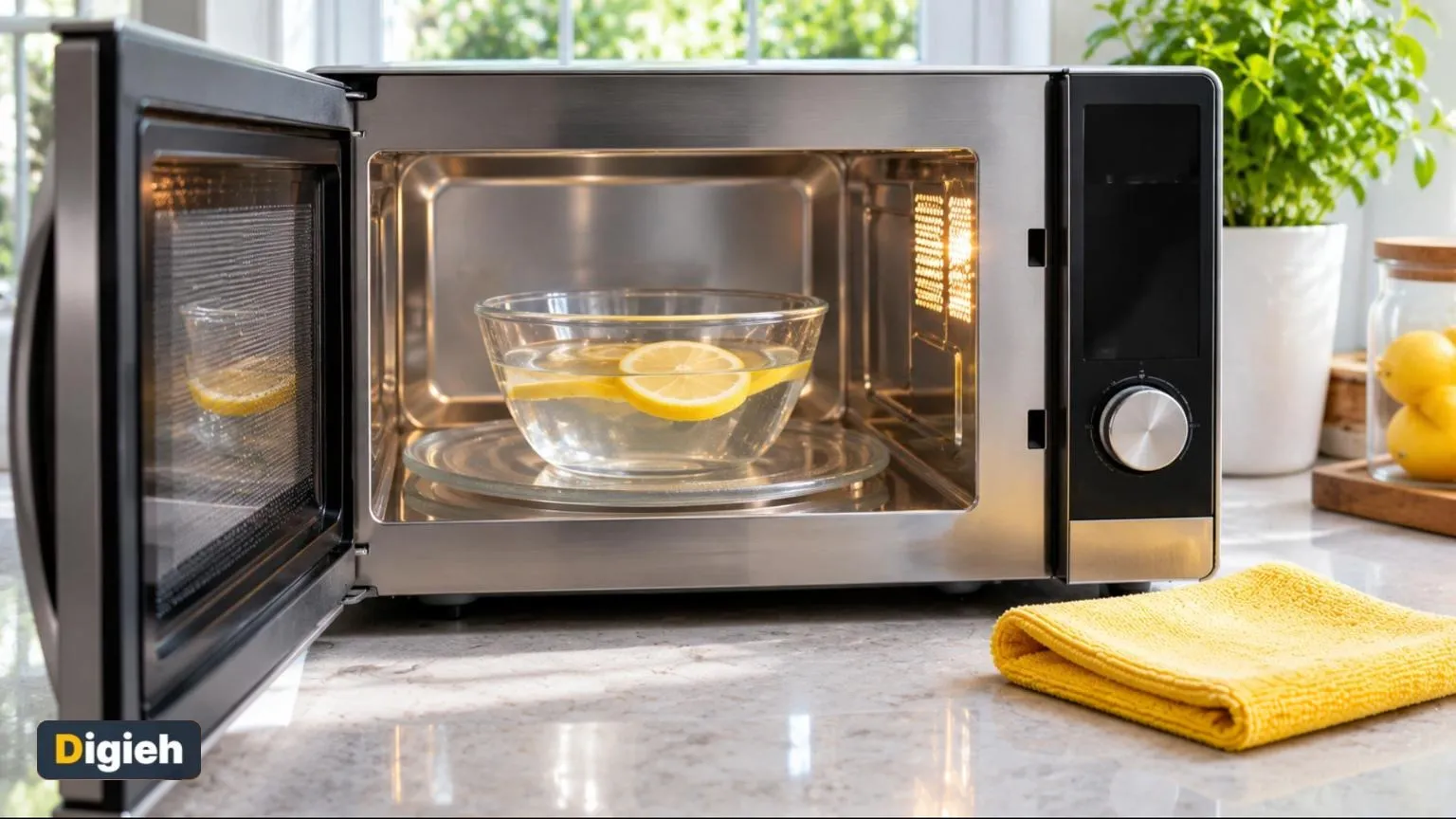
To clean your microwave fast, fill a bowl with 1 cup of water and lemon slices or vinegar. Heat it on high for 3 to 5 minutes, then let it sit with the door closed for 2 minutes. The steam loosens grime, so you can wipe everything away with a soft cloth.
A clean microwave cooks better and smells fresher. This simple steam method uses items you already have.
Key Takeaways
- Steam does most of the hard work.
- Lemon or vinegar helps cut grease and odors.
- Let the bowl rest before opening the door.
- Wash the turntable in warm, soapy water.
- Wipe spills right away to prevent buildup.
On This Page
- What You Need
- How to Clean a Microwave Step by Step
- How to Remove Stubborn Stains
- How to Get Rid of Odors
- Keep It Clean Longer
- Why a Dirty Microwave Matters
- Safe Containers for Microwaving
- Heat Food Evenly
- Clean the Door Seal and Window
- Clean the Turntable Ring and Rollers
- Microwave Safety Tips
- Signs Your Microwave Needs Repair
- Make Cleaning a Habit
- Clean a Microwave Without Chemicals
- Microwave Cleaning for Shared Kitchens
What You Need
Grab a microwave-safe bowl, water and a lemon or white vinegar. You also need a soft cloth or sponge and dish soap.
The United States Department of Agriculture (USDA) explains how to cook safely in a microwave.
Skip harsh scrubbers that can scratch the inside.
5 minAll it takes to steam clean a messy microwave.
How to Clean a Microwave Step by Step
1. Prepare the Bowl
Add 1 cup of water to a microwave-safe bowl. Add lemon slices or 1 tablespoon of vinegar.
2. Heat It Up
Microwave on high for 3 to 5 minutes until the window steams up.
Quick tip. Place a wooden spoon in the bowl while heating. It helps prevent the water from boiling over.
3. Let It Sit
Keep the door closed for 2 minutes. The steam softens dried food.
4. Remove the Bowl Carefully
Use oven mitts. The bowl and water will be very hot.
5. Wash the Turntable
Take out the glass plate and wash it in warm, soapy water.
6. Wipe the Inside
Wipe the walls, ceiling and door with a damp cloth. Dry with a clean towel.
What do you use to clean your microwave?
- Lemon
- Vinegar
- Baking soda
- Store spray
How to Remove Stubborn Stains
Make a paste of baking soda and a little water. Apply it to tough spots and let it sit for 5 minutes.
The Environmental Protection Agency (EPA) lists Safer Choice cleaning products.
Gently scrub with a soft sponge, then wipe clean. Repeat the steam step if needed.
- Microwave-safe bowl
- Lemon or vinegar
- Soft cloth or sponge
- Dish soap
- Baking soda for stains
- Oven mitts
How to Get Rid of Odors
| Odor fix | How to use it |
|---|---|
| Lemon steam | Heat lemon water for 3 minutes |
| Vinegar steam | Heat vinegar water for 3 minutes |
| Baking soda | Leave an open bowl inside overnight |
| Coffee grounds | Leave a dish of dry grounds overnight |
Use this calculator to plan how often to clean.
Microwave use tracker
Good to know. Heavy daily use means more splatters. Clean more often if you reheat a lot.
Clean the Outside and Vent
Wipe the door, handle and keypad with a damp cloth and a drop of dish soap. Dry it to prevent streaks.
If you have an over-the-range model, check the grease filter underneath. Soak it in hot, soapy water once a month.
Keep It Clean Longer
Cover food with a microwave-safe lid or paper towel. It stops splatters.
FoodSafety.gov explains how to keep kitchen surfaces clean.
Wipe small spills as soon as they happen. A quick weekly wipe keeps buildup away.
Add to calendar
Why a Dirty Microwave Matters
Food splatters build up fast inside a microwave. Each time you heat food, old spills bake on harder.
Dried food can make the microwave smell bad. Strong smells can even transfer to the next dish you heat.
Built-up grime may also cause sparks in some cases. Keeping the inside clean helps your microwave work safely.
Safe Containers for Microwaving
Using the right containers keeps your microwave cleaner and safer. Some materials should never go inside.
| Safe to Use | Avoid |
|---|---|
| Glass labeled microwave-safe | Metal pans and foil |
| Ceramic dishes without metal trim | Dishes with gold or silver edges |
| Plastics labeled microwave-safe | Takeout containers not marked safe |
| Paper towels and plates without print | Brown paper bags |
| Silicone lids made for microwaves | Plastic wrap touching food |
Check the bottom of containers for a microwave-safe label. When in doubt, move food to a glass or ceramic dish.
The United States Department of Agriculture (USDA) explains how to cook safely with microwave ovens.
Heat Food Evenly
Uneven heating leaves cold spots in food. It can also cause splatters when hot spots bubble over.
- Cover food loosely to trap steam.
- Stir or rotate food halfway through heating.
- Arrange food in a ring, leaving the center empty.
- Let food rest for a minute after heating.
- Check that leftovers reach 165 degrees Fahrenheit.
Resting time lets heat spread through the food. It also helps prevent burns from very hot spots.
Clean the Door Seal and Window
The door seal collects crumbs and grease. A dirty seal can stop the door from closing tightly.
Wipe the rubber or metal edges with a damp cloth and mild soap. Use a soft toothbrush for tight corners.
Clean the inside of the window with a vinegar and water mix. Dry it with a lint-free cloth for a clear view.
Clean the Turntable Ring and Rollers
Under the glass plate sits a ring with small wheels. Crumbs collect there and can make the plate wobble.
Lift out the ring and wash it in warm, soapy water. Wipe the floor of the microwave underneath.
Let everything dry before you put it back. Make sure the plate sits evenly on the rollers.
Free updates
Join the Digieh list
Be the first to know when our weekly brief launches.
No spam. Unsubscribe anytime. Read our Privacy Policy.
Microwave Safety Tips
Microwaves are simple to use, but a few safety habits prevent accidents.
- Never run an empty microwave.
- Do not heat sealed containers or whole eggs in their shells.
- Use oven mitts to remove hot dishes.
- Open covered containers away from your face to avoid steam burns.
- Keep children supervised when they use the microwave.
Water heated in a very smooth cup can sometimes boil over suddenly. Add a wooden stir stick or heat it in short bursts.
Signs Your Microwave Needs Repair
Some problems mean it is time for a repair or replacement. Stop using the microwave if you notice these signs.
- Sparks or arcing during use
- A burning smell that does not come from food
- The door does not close properly
- Food does not heat even after several minutes
- Loud buzzing or grinding noises
Unplug the microwave and contact the maker or a repair service. Do not try to open the case yourself.
Make Cleaning a Habit
A quick habit keeps your microwave fresh with little effort.
Keep a damp cloth near the microwave. Wipe the inside after any spill.
Do a steam clean every few weeks. Add it to your regular kitchen cleaning routine.
Clean a Microwave Without Chemicals
You do not need strong cleaners for a sparkling microwave. Kitchen staples do the job well.
- Lemon. Its steam loosens grime and leaves a fresh scent.
- White vinegar. Cuts grease and helps remove odors.
- Baking soda. Gently scrubs stuck-on spots.
- Dish soap. Cleans the turntable and outside surfaces.
These items are cheap and safe around food. They also avoid strong fumes in a small space.
Microwave Cleaning for Shared Kitchens
Office and dorm microwaves get heavy use. A few shared rules keep them clean for everyone.
Post a friendly sign asking people to cover food and wipe spills. Keep paper towels and a spray bottle of water and vinegar nearby.
Take turns doing a weekly steam clean. A clean shared microwave makes lunch breaks more pleasant.
Microwave Mistakes to Avoid
Some habits can damage your microwave or cause safety problems. Watch out for these common mistakes.
- Running the microwave empty
- Heating food in metal containers or foil
- Microwaving sealed containers or eggs in shells
- Using harsh scrubbers on the inside walls
Always use microwave-safe containers. Check the bottom of a dish for a microwave-safe label.
Teach Kids Microwave Safety
Older kids often use the microwave for snacks. Teach them simple safety rules first.
Show them which containers are safe to use. Remind them that food and containers can get very hot.
Teach them to use oven mitts and stir food before eating. Supervise younger children at all times.
Clean Spills Right Away
Wipe small spills as soon as the microwave cools. Fresh messes are much easier to clean.
A damp cloth often does the trick.
Try this today. Microwave a bowl of water with lemon slices for three minutes. Let it steam, then wipe the inside clean.
Test Yourself
What loosens grime in the steam method?
- Dry heat
- Steam from lemon or vinegar water
- Cold air
Steam softens dried food for easy wiping.
What should you avoid inside a microwave?
- Mild soap
- Baking soda
- Bleach
Harsh chemicals can leave fumes and residue.
Frequently Asked Questions
How often should I clean my microwave?
Do a quick wipe weekly and a steam clean every few weeks.
Is vinegar or lemon better?
Both work well. Lemon smells fresher, and vinegar cuts grease.
Can I use bleach in my microwave?
No. Stick to mild soap, vinegar or baking soda.
How do I clean the outside?
Wipe it with a damp cloth and a little dish soap.
Which containers are safe in the microwave?
Use glass, ceramic and plastic labeled microwave-safe. Avoid metal and foil.
Why do I need to stir food in the microwave?
Stirring spreads heat evenly and helps remove cold spots.
How do I clean the turntable ring?
Lift it out, wash it in warm soapy water and let it dry before replacing it.
When should I stop using my microwave?
Stop if you see sparks, smell burning or the door does not close properly.
Wrapping Up
Try the lemon steam trick today. Your microwave will be clean in about five minutes.
Keep your kitchen sparkling with our guide to clean an oven. Clear out space with our tips to deep clean your fridge.
Found this useful?
Editor’s Note
This guide is accurate as of November 6, 2026. Check your microwave manual for care tips.
Spot an error in this article? Please contact us at support@digieh.com or read our Corrections Policy.
Keep exploring
Your next read is waiting
 1BusinessHow to Ask for a Raise: Tips and What to Say8 min read
 2HealthBritish Doctor With Ebola Treated at London Hospital4 min read
 3NewsChina Is Building Its Biggest Aircraft Carrier Yet4 min read
 4AI & TechClaude Personal Finance Tool Now Analyzes Your Spending4 min read
 5Finance & MarketsDeveloping Countries Now Owe a Record $9.4 Trillion4 min read
 6SportsHow to Choose Running Shoes That Fit Right8 min read