TRENDING
How to Spot AI Images and Deepfakes: 8 Signs
Learn how to spot AI images and deepfakes with 8 easy signs. Check hands, text, lighting and sources, and protect yourself from voice and video scams.

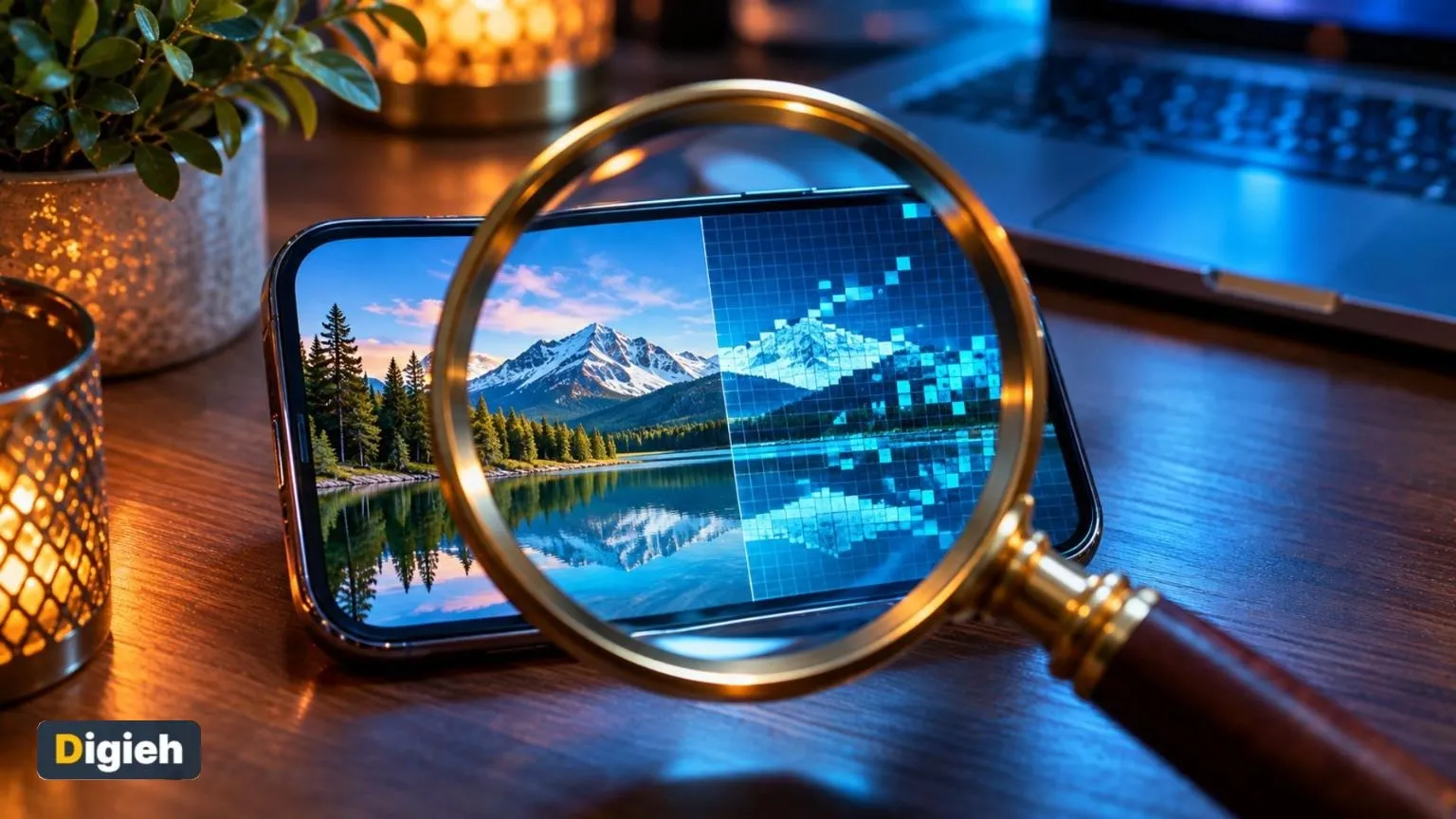
8 min read
Last updated November 6, 2026
Deepfakes are fakes made with artificial intelligence (AI). To spot one, check hands, eyes, text and backgrounds for odd details. Check where the image came from and whether trusted news outlets share it. A reverse image search can also show if a photo is old, edited or fake.
Artificial intelligence (AI) tools keep getting better, so no single clue is proof. Use several checks together before you believe or share something.
Never send money or personal details because of a video or voice message alone. Call the person back on a number you know.
Key Takeaways
- Artificial intelligence (AI) images often have small mistakes in hands, text and backgrounds.
- Deepfake videos may show odd blinking, lip movement or lighting.
- Check the source before you trust or share an image.
- A reverse image search can reveal where a photo first appeared.
- Scammers use fake voices and videos, so verify any urgent request.
On This Page
- What Is a Deepfake?
- 8 Signs an Image Is Artificial Intelligence (AI)-Made
- How to Spot a Deepfake Video
- Tools and Steps to Check
- Protect Yourself From Deepfake Scams
- Why Deepfakes Are a Growing Concern
- Common Types of Deepfakes
- Watch for Fake Celebrity Endorsements
- Deepfakes and Breaking News
- Look for Labels
- Protect Your Own Images and Voice
- Talk With Kids and Older Relatives
- What to Do if You Are Targeted
- Stay Calm and Think Critically
What Is a Deepfake?
A deepfake is a fake image, video or audio clip made with artificial intelligence (AI). It can make someone appear to say or do something they never did.
Some artificial intelligence (AI) images are harmless fun. Others spread false news or help scammers trick people.
8Visual signs in this guide that can help you spot an artificial intelligence (AI)-made image.
8 Signs an Image Is Artificial Intelligence (AI)-Made
1. Strange Hands and Fingers
Look for extra fingers, fused fingers or hands that bend the wrong way.
2. Odd Eyes and Teeth
Eyes may not match or may look glassy. Teeth can blur together into one strip.
3. Garbled Text
Signs, labels and logos in artificial intelligence (AI) images often have jumbled or made-up letters.
4. Too-Smooth Skin
Faces may look waxy or airbrushed, with no pores or natural texture.
Quick tip. Zoom in to 200 percent on a photo. Small mistakes in hands and text are easier to see up close.
5. Messy Backgrounds
Check the edges. Objects may melt into each other, and lines may bend oddly.
6. Wrong Lighting and Shadows
Shadows may point different ways, or light may not match the scene.
7. Mismatched Details
Earrings may not match, glasses may warp, and patterns may break.
8. No Clear Source
If you cannot find who took the photo or where it first appeared, be careful.
Have you ever been fooled by an artificial intelligence (AI) image?
- Yes, more than once
- Yes, once
- Never
- Not sure
How to Spot a Deepfake Video
Fake videos can be harder to catch. Watch for these signs.
- Blinking that seems too rare or unnatural
- Lips that do not quite match the words
- Blurry or flickering edges around the face
- Skin tone or lighting that shifts between frames
- A voice that sounds flat or robotic
The Massachusetts Institute of Technology (MIT) Media Lab’s Detect Fakes project studies how people can learn to spot these clues.
Use this quick checker to rate a suspicious image or video.
Fake image red flag checker
Good to know. Some platforms now label artificial intelligence (AI) content. A missing label does not prove an image is real.
Fake voices are rising too. Learn how to spot AI voice scam calls.
Tools and Steps to Check
Google Lens lets you search with an image to see where it came from.
| Step | What to do |
|---|---|
| Pause | Do not share right away |
| Check the source | Look for the original poster or outlet |
| Reverse image search | Upload the image to a search engine |
| Look for coverage | See if trusted news sites report it |
| Zoom in | Check hands, text and edges closely |
- Pause before sharing
- Find the original source
- Run a reverse image search
- Check trusted news sites
- Zoom in on details
- Verify urgent calls by calling back
Protect Yourself From Deepfake Scams
Scammers can copy a loved one’s voice or face. They may call with an urgent request for money.
Report deepfake scams at ReportFraud.ftc.gov.
The Federal Trade Commission (FTC) explains how to spot and avoid scams.
Hang up and call the person back on a number you already know. Some families also agree on a secret code word for emergencies.
Add to calendar
Why Deepfakes Are a Growing Concern
Tools that create fake images, videos and voices have become easy to use. Anyone with a phone can make convincing fakes.
Deepfakes can spread false information quickly on social media. They can also damage reputations and trick people out of money.
Learning to spot them is now an important online skill. A little caution goes a long way.
Common Types of Deepfakes
Deepfakes come in several forms. Each one needs a slightly different check.
| Type | What It Looks Like | What to Check |
|---|---|---|
| Face swap video | A person’s face placed on another body | Edges of the face, lighting, blinking |
| Voice clone | A familiar voice saying things they never said | Odd pauses, flat tone, unusual requests |
| Generated image | A realistic photo of something that never happened | Hands, text, shadows, background |
| Lip-sync video | Real video with fake words | Mouth movements that do not match |
Be extra careful with content that makes you feel strong emotions. Fakes often aim to shock or anger.
Watch for Fake Celebrity Endorsements
Scammers often use deepfakes of famous people to sell products or investments. The videos can look and sound real.
- Be wary of celebrities promoting cryptocurrency, giveaways or miracle cures.
- Check the celebrity’s official accounts for the same message.
- Look for spelling mistakes or odd links in the post.
- Never send money based on a video ad alone.
Real celebrities rarely ask fans to send money or personal details. Treat these requests as red flags.
Free updates
Join the Digieh list
Be the first to know when our weekly brief launches.
No spam. Unsubscribe anytime. Read our Privacy Policy.
Deepfakes and Breaking News
Fake images and videos often spread fastest during big news events. People share before anyone confirms the facts.
Wait for reports from several established news outlets before you believe dramatic footage. Early posts are often wrong or misleading.
Be careful with content that only appears on one account. Official sources usually confirm major events quickly.
When in doubt, do not share. Spreading a fake, even by mistake, can cause real harm.
Real example: a viral Yalta-style photo of Xi, Putin and Trump in November 2026 was fake. See how fact checkers proved it.
Look for Labels
Some platforms now label content made or edited with artificial intelligence (AI). Look for these tags near the post.
Labels are helpful but not perfect. Some artificial intelligence (AI) content has no label, and platforms sometimes mislabel real content.
Some images also carry hidden data about how they were made. Tools that read this data are becoming more common.
Protect Your Own Images and Voice
Scammers can use your photos and voice clips to create fakes. A few steps lower the risk.
- Set social media accounts to private.
- Limit public videos with clear audio of your voice.
- Think before posting photos of children.
- Review who can see and download your content.
You cannot prevent every misuse. Still, sharing less publicly makes it harder for scammers.
Talk With Kids and Older Relatives
Kids and older adults can be easy targets for deepfakes. Simple conversations help.
Explain that anyone can now fake photos, videos and voices. Encourage them to ask you before believing or sharing surprising content.
Practice spotting fakes together using real examples from trusted news sites. It turns caution into a habit.
What to Do if You Are Targeted
If someone makes a deepfake of you, act quickly. Save screenshots and links as evidence.
Report the content to the platform where it appears. Most platforms have rules against fake or harmful content.
If the deepfake involves threats, fraud or explicit images, contact local law enforcement. Many states have laws against harmful deepfakes.
Stay Calm and Think Critically
Not every strange image is a deepfake, and not every real image is true in context. Take your time before deciding.
Slow down, check sources and look for reliable reporting. Thoughtful sharing helps stop the spread of false content.
Deepfake Mistakes to Avoid
Some habits make people easier to fool.
- Sharing videos before checking them
- Trusting one source
Check surprising videos with trusted news sources first.
Try this today. Pick one viral image you saw this week and run a reverse image search. See where it first appeared.
Test Yourself
Which detail often looks wrong in artificial intelligence (AI) images?
- Hands and fingers
- The sky color
- Image file size
Artificial intelligence (AI) often struggles with hands, adding or merging fingers.
A relative calls asking for money urgently. What should you do?
- Send money right away
- Share your bank details
- Hang up and call them back on a known number
Calling back on a known number helps you avoid voice clone scams.
Frequently Asked Questions
What is the easiest way to spot an Artificial Intelligence (AI) image?
Zoom in on hands, eyes, text and backgrounds. Look for odd details.
Can deepfakes copy someone’s voice?
Yes. Artificial intelligence (AI) can copy a voice from short audio clips, so always verify urgent calls.
How do I check if a photo is real?
Run a reverse image search and look for the original source.
Are all Artificial Intelligence (AI) images bad?
No. Many are made for fun or art. The problem comes when people use them to mislead.
Are celebrity video ads always real?
No. Scammers use deepfakes of famous people. Check the celebrity’s official accounts first.
Do platforms label artificial intelligence (AI)-made content?
Some do, but labels are not perfect. Always check the source too.
How can I protect my voice from being cloned?
Limit public videos with clear audio and set accounts to private.
What should I do if someone makes a deepfake of me?
Save evidence, report it to the platform and contact law enforcement for serious cases.
Wrapping Up
Next time a shocking image or video pops up, pause and run a few quick checks. A little caution helps stop false stories and scams.
Learn more in our guide to using artificial intelligence (AI) chatbots safely. Also, read how to spot holiday scams.
Found this useful?
Editor’s Note
This guide is accurate as of November 6, 2026. Artificial intelligence (AI) tools change fast, so no single test is foolproof.
Spot an error in this article? Please contact us at support@digieh.com or read our Corrections Policy.
Keep exploring
Your next read is waiting
 1MedicinesIs Sugar an Electrolyte? The Simple Science Answer7 min read
 2HealthHand Foot and Mouth Disease: Symptoms, Care, Spread7 min read
 3Beauty & Personal CareDandruff vs Dry Scalp: Signs, Causes and Treatment7 min read
 4Pets & AnimalsKennel Cough in Dogs: Signs, Treatment and Recovery7 min read
 5Home & KitchenFridge Without Power: How Long Food Stays Safe7 min read
 6HealthShin Splints: Causes, Relief, Recovery and Easy Prevention7 min read