TRENDING
How to Meal Prep for the Week: Easy Guide
Learn how to meal prep for the week in five easy steps. Plan simple recipes, cook in batches on Sunday and store meals safely to save time and money each day.

8 min read
Last updated November 6, 2026
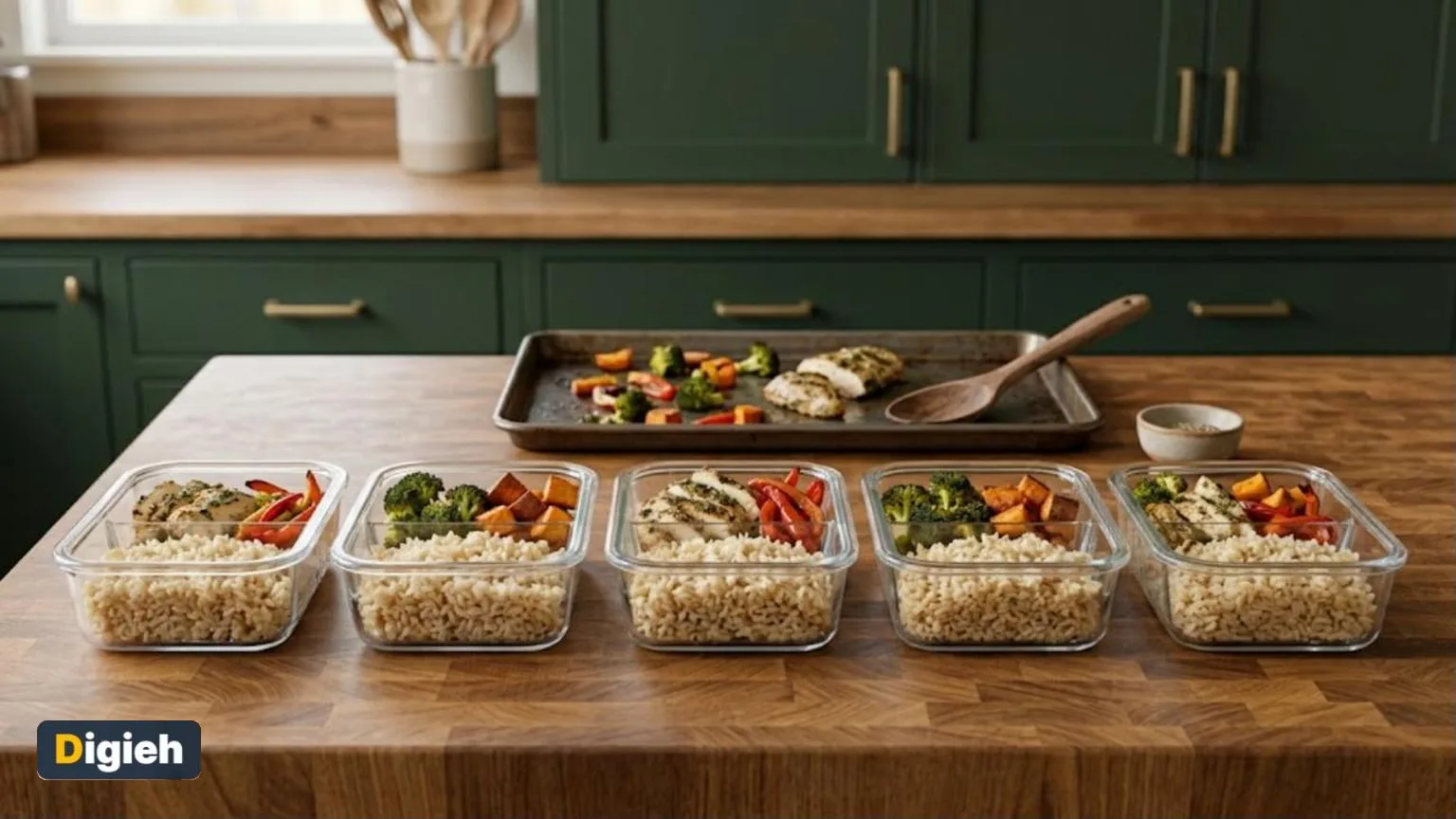
To meal prep for the week, pick three or four simple recipes and shop for them in one trip. Spend two hours on Sunday cooking grains, proteins and vegetables. Store meals in sealed containers in the fridge and eat them within four days.
Meal prep saves time on busy weeknights. It also cuts takeout costs and food waste.
Key Takeaways
- Start with three or four easy recipes.
- Shop once with a clear list.
- Cook in batches on one day.
- Use good sealed containers.
- Eat fridge meals within four days.
On This Page
- Why Meal Prep Works
- What You Need
- How to Meal Prep Step by Step
- Sample Weekly Plan
- Food Safety Tips
- Pick a Prep Style
- Build Balanced Containers
- Shop With a Plan
- Portion Sizes Made Simple
- Reheat Food Safely
- Freezer Meal Tips
- Foods That Prep Well
- Prep Breakfast Too
- Prep Snacks for the Week
- Meal Prep on a Budget
- Tools That Save Time
- Label and Date Everything
- Avoid Meal Prep Burnout
Why Meal Prep Works
Cooking once for several days saves energy and dishes. You make fewer food choices when you are tired.
Planned meals also help you eat more vegetables. Healthy food is ready when hunger hits.
2Hours on Sunday can cover most of your weekday meals.
What You Need
You do not need fancy gear to start.
- Glass or plastic containers with tight lids
- Two sheet pans
- One large pot
- A sharp knife and cutting board
- Labels or tape and a marker
How to Meal Prep Step by Step
1. Plan Your Menu
Choose one breakfast, two lunches and two dinners. Pick recipes that share ingredients.
2. Make a Shopping List
Check your fridge and pantry first. Then list only what you need.
Quick tip. Pick recipes that share ingredients. One bag of spinach can go into three meals.
3. Cook Grains First
Start rice, quinoa or pasta in a large pot. Grains take the longest.
4. Roast Proteins and Vegetables
Spread chicken, tofu or beans on one pan. Add chopped vegetables to the other pan. Roast both at the same time.
5. Portion and Store
Let food cool for 30 minutes. Split it into containers and label each with the date.
Do you meal prep now?
- Every week
- Sometimes
- Not for me
- Not sure
Sample Weekly Plan
| Meal | Prep Idea | Keeps For |
|---|---|---|
| Breakfast | Overnight oats in jars | 4 days |
| Lunch | Chicken, rice and roasted broccoli | 4 days |
| Lunch | Chickpea salad with cucumbers | 4 days |
| Dinner | Turkey chili | 4 days, or freeze |
| Snack | Cut carrots and hummus | 5 days |
Use this calculator to estimate your weekly savings.
Weekly meal prep savings
Good to know. Cooked food should go in the fridge within two hours. Eat it within three to four days.
- Menu picked
- Shopping list made
- Grains cooked
- Proteins and vegetables roasted
- Meals portioned
- Containers labeled with dates
Food Safety Tips
Put cooked food in the fridge within two hours. Bacteria grow fast at room temperature.
Freeze any meals you plan to eat after day four. Thaw them in the fridge overnight.
Reheat leftovers until they are steaming hot all the way through.
Keep It Interesting
Swap sauces to change the flavor of the same base. A little salsa or pesto goes a long way.
Try one new recipe each week. Keep the rest simple and familiar.
Add to calendar
Pick a Prep Style
Meal prep does not have to mean cooking every meal in advance. Choose a style that fits your schedule.
| Prep Style | What You Do | Best For |
|---|---|---|
| Full meals | Cook and portion complete meals | Busy work weeks |
| Ingredient prep | Chop, cook grains and proteins | People who like variety |
| Freezer meals | Make big batches to freeze | Long-term planning |
| Partial prep | Prep just lunches or breakfasts | Beginners |
Try one style for two weeks. Then adjust based on what you actually ate.
Build Balanced Containers
A balanced meal keeps you full and gives you steady energy. Aim for a protein, a vegetable and a whole grain in each container.
The Centers for Disease Control and Prevention (CDC) shares healthy eating tips for adults. Filling half your plate with vegetables and fruit is a simple goal.
Add flavor with sauces on the side. This keeps food from getting soggy.
Shop With a Plan
A good grocery list saves time and money. Write your list by store section, like produce, dairy and pantry.
Choose recipes that share ingredients. For example, use one bag of spinach in salads, eggs and pasta.
Our guide on how to save money on groceries has more ways to cut your food bill.
Portion Sizes Made Simple
Portioning helps you eat the right amount without measuring every meal. Use your hand as a quick guide.
A palm-sized portion of protein works for many adults. A cupped hand of grains and two fists of vegetables round out the meal.
Containers with built-in sections make portioning easy. They also keep foods from mixing.
Adjust portions based on your hunger, activity and goals. A doctor or dietitian can give personal advice.
Reheat Food Safely
Reheating is just as important as cooling. Heat leftovers until they are steaming hot all the way through.
FoodSafety.gov lists safe minimum internal temperatures for many foods. Leftovers should reach 165 degrees Fahrenheit.
Stir food halfway through microwaving. This helps remove cold spots where bacteria can survive.
Freezer Meal Tips
The freezer is your best friend for long-term meal prep. Soups, stews, chili and casseroles freeze well.
The United States Department of Agriculture (USDA) explains how freezing keeps food safe. Food kept at 0 degrees Fahrenheit stays safe, though quality fades over time.
Freeze meals flat in freezer bags to save space. Thaw them in the fridge overnight before reheating.
Free updates
Join the Digieh list
Be the first to know when our weekly brief launches.
No spam. Unsubscribe anytime. Read our Privacy Policy.
Foods That Prep Well
Some foods hold up great for days. Others turn soggy or dry quickly.
| Preps Well | Better Made Fresh |
|---|---|
| Rice, quinoa and pasta | Crispy fried foods |
| Roasted vegetables | Leafy salads with dressing |
| Beans and lentils | Cut avocado |
| Grilled or baked chicken | Delicate fish |
| Soups and stews | Toast and crackers |
Add fresh toppings right before eating. A handful of herbs or a squeeze of lemon brightens any meal.
Prep Breakfast Too
Mornings are often the busiest part of the day. A ready breakfast makes a healthy start easier.
Overnight oats take five minutes to make the night before. Our overnight oats recipe shows you how.
Egg muffins and breakfast burritos also prep well. Freeze extras and warm them in the microwave.
Prep Snacks for the Week
Pre-portioned snacks help you avoid vending machines and drive-throughs. Cut vegetables and pack them with hummus or dip.
Portion nuts, cheese cubes or fruit into small containers. Keep them at eye level in your fridge.
Hard-boiled eggs make a quick protein snack. Store them in the fridge and eat them within a week.
Meal Prep on a Budget
Meal prep can save serious money. Cooking at home almost always costs less than eating out.
Build meals around low-cost staples like beans, rice, eggs, oats and frozen vegetables. Buy meat on sale and freeze it.
Plan one “use it up” meal each week. Toss leftover vegetables into a soup, stir-fry or omelet.
Tools That Save Time
A few kitchen tools make prep faster. Sheet pans let you roast protein and vegetables together.
A slow cooker or pressure cooker handles big batches with little effort. Try our slow cooker chili for an easy start.
A sharp knife and a large cutting board speed up chopping. Good tools make prep feel less like a chore.
Label and Date Everything
Labels help you eat food while it is still fresh. Write the meal name and the date on each container.
Use masking tape and a marker for a cheap labeling system. Place older meals at the front of the fridge.
Most cooked meals stay good for three to four days in the fridge. Freeze anything you will not eat in that time.
Avoid Meal Prep Burnout
Eating the same thing every day gets old fast. Prep two or three different meals each week.
Change spices and sauces to make the same base taste new. Rice and chicken can become a burrito bowl one day and a curry the next.
Give yourself a night off. A simple sandwich or a meal out is fine.
Meal Prep Mistakes to Avoid
A few habits can make meal prep harder. Watch out for these common mistakes.
- Cooking too many new recipes at once
- Forgetting to label containers
- Prepping more food than you can eat
Start with a few simple recipes and label each container with the date.
Store meals in clear containers so you can see what is ready.
Try this today. Choose two dinners for this week and cook one big batch of a grain, like rice or quinoa. Store it in labeled containers.
Test Yourself
How long do most prepped meals last in the fridge?
- One week
- Three to four days
- Two weeks
Eat or freeze meals by day four.
What should you cook first on prep day?
- Grains
- Salads
- Snacks
Grains take the longest to cook.
In related news, read 10 High-Protein Meals That Make Meal Planning Easier.
Frequently Asked Questions
How long does meal prep last in the fridge?
Most cooked meals stay safe for three to four days.
Can I freeze meal prep?
Yes. Soups, chili and grains freeze well for up to three months.
Is meal prep cheaper than takeout?
Yes. Home cooked meals usually cost far less per serving.
What foods do not prep well?
Crispy fried foods and dressed salads get soggy. Add dressing at mealtime.
How long does meal prep last in the fridge?
Most cooked meals last three to four days in the fridge. Freeze extra portions for later in the week.
Is it safe to reheat rice?
Yes, if you cool it quickly and keep it cold. Reheat rice until it is steaming hot throughout.
Wrapping Up
Pick three recipes tonight and write a shopping list. Your future self will thank you on a busy Tuesday.
Turn extras into new meals with our Thanksgiving leftover recipes. Plan smart for the holidays with our holiday budget guide.
Found this useful?
Editor’s Note
This guide is accurate as of November 6, 2026. Follow food safety guidance from trusted health sources.
Spot an error in this article? Please contact us at support@digieh.com or read our Corrections Policy.
Keep exploring
Your next read is waiting
 1HealthCroup in Children: Barking Cough Signs and Care7 min read
 2MedicinesIs Sugar an Electrolyte? The Simple Science Answer7 min read
 3Pets & AnimalsHow to Choose Dog Food: Reading the Label7 min read
 4Beauty & Personal CareDandruff vs Dry Scalp: Signs, Causes and Treatment7 min read
 5Home & KitchenFridge Without Power: How Long Food Stays Safe7 min read
 6HealthEarwax Build-Up: Safe Removal and When to Worry7 min read