TRENDING
How to Store Fresh Herbs So They Last

8 min read
Last updated November 6, 2026
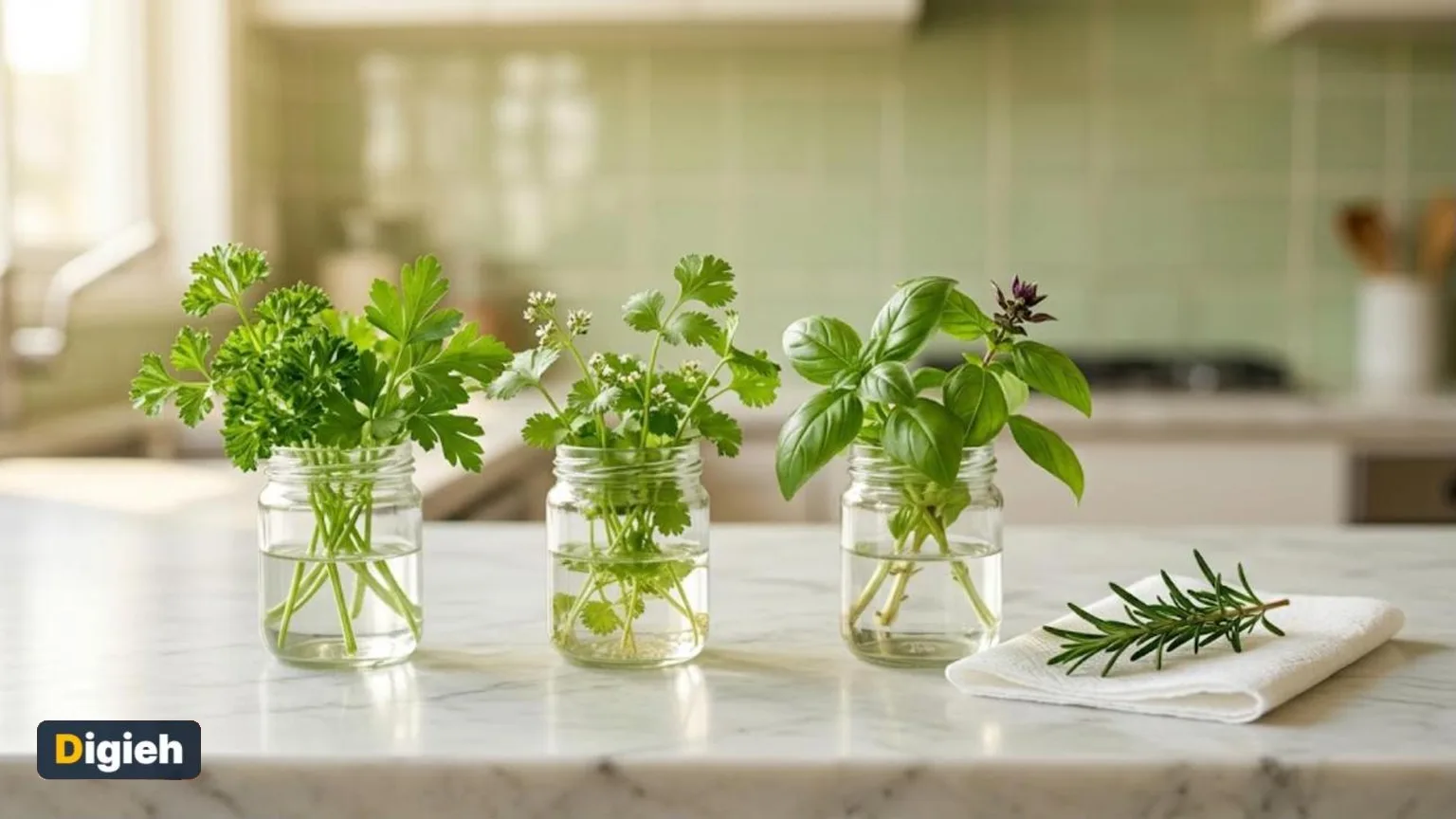
To store fresh herbs, treat soft herbs like flowers by placing their stems in a jar of water. Wrap hardy herbs like rosemary and thyme in a damp paper towel and keep them in the fridge. Most herbs stay fresh for one to two weeks this way.
Fresh herbs add big flavor but wilt fast. A few simple tricks help you waste less and save money.
Key Takeaways
- Sort herbs into soft and hardy types.
- Keep soft herbs in a jar of water.
- Wrap hardy herbs in a damp paper towel.
- Keep basil out of the fridge.
- Freeze extras in oil for later.
On This Page
- Soft vs Hardy Herbs
- How to Store Fresh Herbs Step by Step
- Storage Guide by Herb
- Freeze and Dry Extras
- Tips to Keep Herbs Fresh
- Plan Meals Around Your Herbs
- Wash Herbs at the Right Time
- Grow Herbs on a Windowsill
- Regrow Herbs From Scraps
- Make Herb Butter
- Blend Pesto and Herb Sauces
- Herb Oil Safety
- Fresh vs Dried Herbs
- When to Add Herbs While Cooking
- Herb Pairing Guide
- Keep Your Fridge at the Right Temperature
- Keep Herbs Away From Pets
Soft vs Hardy Herbs
Soft herbs have tender stems and leaves. Parsley, cilantro, mint and basil fit here.
Hardy herbs have woody stems. Rosemary, thyme, sage and oregano are good examples.
2 wksIs how long many fresh herbs last with the right storage.
How to Store Fresh Herbs Step by Step
1. Sort Your Herbs
Separate soft herbs from hardy ones. Each type needs different care.
2. Trim the Stems
Cut a small piece off the bottom of each stem. Fresh cuts drink water better.
Quick tip. Use a tall jar with a lid for soft herbs. It fits neatly on a fridge door shelf.
3. Store Soft Herbs in Water
Place stems in a jar with an inch of water. Cover loosely with a plastic bag and refrigerate.
4. Wrap Hardy Herbs
Roll them in a slightly damp paper towel. Place the bundle in a container in the fridge.
5. Check Every Few Days
Change the water and remove any wilted leaves.
Which fresh herb do you use most?
- Basil
- Parsley
- Cilantro
- Rosemary
Storage Guide by Herb
| Herb | Best Storage | Keeps For |
|---|---|---|
| Basil | Jar of water on the counter | About 1 week |
| Parsley and cilantro | Jar of water in the fridge | 1 to 2 weeks |
| Mint | Jar of water in the fridge | About 1 week |
| Rosemary and thyme | Damp towel in the fridge | 2 weeks or more |
Use this calculator to see how much you could save.
Herb waste savings
Good to know. Basil does not like cold. Keep it in water on the counter, away from direct sun.
- Herbs sorted
- Stems trimmed
- Soft herbs in water
- Hardy herbs wrapped
- Water changed
- Extras frozen in oil
Freeze and Dry Extras
Chop extra herbs and pack them into ice cube trays. Cover with olive oil and freeze.
Drop a cube into soups, sauces or stir-fries. The flavor stays bright.
Hang hardy herbs upside down in a dry spot to air dry them.
Tips to Keep Herbs Fresh
Do not wash herbs until you plan to use them. Extra moisture speeds up rot.
Buy only what you need for the week. Smaller bunches mean less waste.
Add to calendar
Plan Meals Around Your Herbs
A little planning stops herbs from going to waste. Before you shop, pick two or three meals that use the same herb.
For example, cilantro works in tacos on Monday and rice bowls on Wednesday. Parsley fits pasta, soup and salads.
Write the herb on your meal plan as a reminder. Use the most delicate herbs first.
Leftover stems still hold lots of flavor. Toss parsley and cilantro stems into soups, stocks and sauces.
Wash Herbs at the Right Time
Wash herbs just before you use them, not before storing. Water left on leaves can make them rot faster.
The United States Department of Agriculture (USDA) explains when and how to wash produce. Rinse herbs under cool running water and shake off the extra.
Pat them dry with a clean towel or use a salad spinner. Dry leaves chop more cleanly too.
Grow Herbs on a Windowsill
Growing your own herbs gives you a fresh supply all year. Basil, parsley, chives and mint grow well indoors.
Place pots in a sunny window that gets at least six hours of light. A south-facing window works best in many homes.
Water when the top inch of soil feels dry. Snip leaves often to keep plants bushy.
Regrow Herbs From Scraps
Some herbs and greens can regrow from leftover stems. Green onions are the easiest to try.
Place the white root ends in a glass with a little water. Set it in a sunny spot and change the water every few days.
New green shoots appear within a week. Mint and basil cuttings can also grow roots in water.
Make Herb Butter
Herb butter turns extra herbs into a tasty treat. It melts beautifully over steak, fish, bread and vegetables.
Mix soft butter with finely chopped herbs, a pinch of salt and some garlic or lemon zest. Roll it into a log in plastic wrap.
Keep it in the fridge for about a week or freeze slices for later. Pop a slice onto hot food right before serving.
Blend Pesto and Herb Sauces
Pesto is a great way to use a big bunch of basil. Blend basil, garlic, nuts, cheese and olive oil until smooth.
Try other herbs too. Parsley and cilantro make bright green sauces for tacos, grain bowls and roasted vegetables.
Store sauces in the fridge with a thin layer of oil on top. This helps keep the color bright.
Herb Oil Safety
Homemade herb oils taste great, but they need care. Fresh herbs and garlic in oil can grow harmful bacteria at room temperature.
Keep homemade herb oil in the fridge and use it within a few days. For longer storage, freeze it in ice cube trays.
The free FoodKeeper app from FoodSafety.gov shows how long many foods stay fresh. It is a handy kitchen tool.
Free updates
Join the Digieh list
Be the first to know when our weekly brief launches.
No spam. Unsubscribe anytime. Read our Privacy Policy.
Fresh vs Dried Herbs
Dried herbs taste stronger than fresh ones. You need less of them in a recipe.
| Fresh Herbs | Dried Herbs |
|---|---|
| 1 tablespoon | 1 teaspoon |
| 3 tablespoons | 1 tablespoon |
| 1 sprig of thyme | About 1/4 teaspoon |
Crush dried herbs between your fingers before adding them. This wakes up their flavor.
When to Add Herbs While Cooking
Timing changes how herbs taste. Hardy herbs like rosemary and thyme can cook for a long time.
Add them early to soups, stews and roasts. Their flavor softens and spreads through the dish.
Add soft herbs like basil, parsley and cilantro at the end. Heat can turn them dark and dull.
Herb Pairing Guide
Not sure which herb goes with which food? Start with these classic pairs.
| Herb | Pairs Well With |
|---|---|
| Basil | Tomatoes, pasta, mozzarella |
| Cilantro | Tacos, rice, beans |
| Dill | Fish, potatoes, cucumbers |
| Rosemary | Chicken, lamb, roasted potatoes |
| Mint | Fruit, lamb, iced tea |
Experiment once you know the basics. Fresh herbs can make simple meals feel special.
Keep Your Fridge at the Right Temperature
Herbs last longer in a properly set fridge. The United States Department of Agriculture (USDA) advises keeping your refrigerator at 40 degrees Fahrenheit or below.
Basil is the exception. It can turn black in the cold, so keep it on the counter in water.
Store herbs away from the back wall of the fridge. That area can get cold enough to freeze delicate leaves.
Keep Herbs Away From Pets
Some herbs and plants can harm pets. Cats and dogs may chew on potted herbs.
The American Society for the Prevention of Cruelty to Animals (ASPCA) lists toxic and non-toxic plants for pets. Check it before you bring a new plant home.
Place herb pots out of reach if you have curious pets. Call your vet if your pet eats a plant you are unsure about.
Herb Storage Mistakes to Avoid
Some habits make fresh herbs wilt or spoil quickly. Watch out for these common mistakes.
- Washing herbs long before you use them
- Packing herbs tightly in a bag
- Storing basil in the fridge
- Leaving rubber bands around stems
Wash herbs just before cooking and dry them gently. Extra moisture can make them spoil faster.
Use Herbs Before They Spoil
Fresh herbs are easy to forget in the fridge. A few ideas help you use them up.
Blend extra herbs into sauces or dressings. Chop and freeze them in olive oil in ice cube trays.
Grow Your Own
A small pot of herbs on a sunny windowsill gives you fresh leaves anytime. It also saves money.
Try this today. Trim the stems of any fresh herbs in your fridge. Stand soft herbs in a glass of water and wrap hardy herbs in a damp paper towel.
Test Yourself
Where should you keep basil?
- In the freezer
- In water on the counter
- In a dark drawer
Cold air turns basil black.
How should you store rosemary?
- In a damp towel in the fridge
- In hot water
- On a sunny windowsill
Hardy herbs like a damp wrap.
Frequently Asked Questions
Why does basil turn black in the fridge?
Cold air damages its leaves. Keep it on the counter in water.
Can I freeze fresh herbs?
Yes. Freeze them chopped in oil or water in ice cube trays.
Should I wash herbs before storing them?
It is best to wash them right before you use them.
How long do dried herbs last?
Most keep good flavor for about one year.
Can I store herbs in a plastic bag?
Yes, for hardy herbs. Wrap them in a damp paper towel first, then place them in a loose bag.
Why does my basil turn black in the fridge?
Basil is sensitive to cold. Keep it at room temperature in a glass of water.
Wrapping Up
Grab a jar and a paper towel the next time you buy herbs. Your dishes will taste fresher for longer.
Put fresh sage and thyme to work in our turkey cooking guide. Use your herbs in our homemade gravy recipe.
Found this useful?
Editor’s Note
This guide is accurate as of November 6, 2026. Storage times vary with freshness at purchase.
Spot an error in this article? Please contact us at support@digieh.com or read our Corrections Policy.
Keep exploring
Your next read is waiting
 1NewsChina Is Building Its Biggest Aircraft Carrier Yet4 min read
 2EntertainmentHow to Start Drawing as a Beginner8 min read
 3Food & LifestyleWhy 4 Irish Beaches Are Among Europe’s Best4 min read
 4TechnologyHow to Use Your Phone as a Hotspot Safely8 min read
 5BusinessHow to Ask for a Raise: Tips and What to Say8 min read
 6AI & TechClaude Personal Finance Tool Now Analyzes Your Spending4 min read