TRENDING
How to Shovel Snow Safely and Protect Your Back
Learn how to shovel snow safely and protect your back and heart. Warm up, push instead of lift, pick the right shovel and know the warning signs to stop.

8 min read
Last updated November 6, 2026
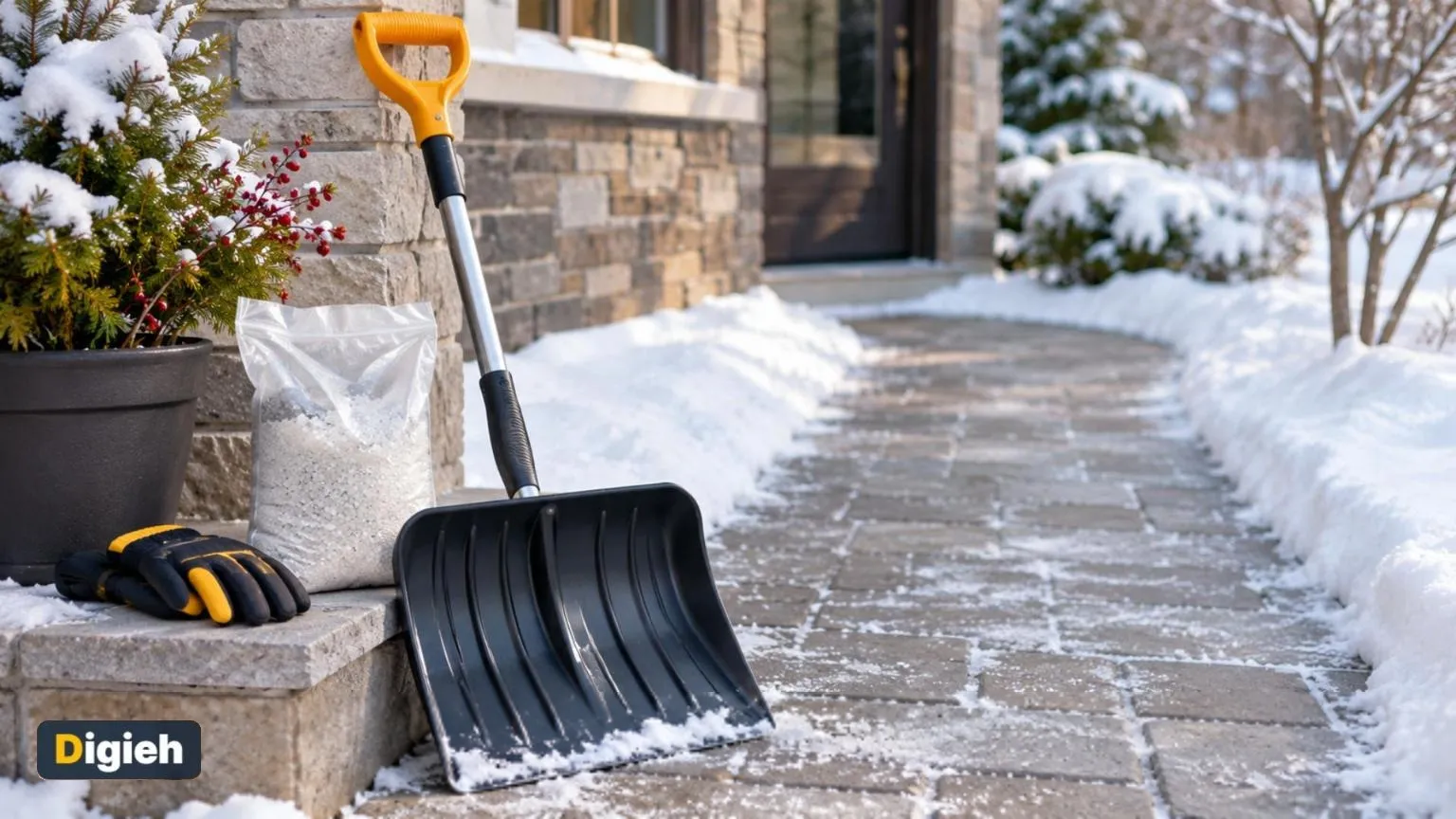
To shovel snow safely, warm up first and use an ergonomic shovel. Bend your knees, keep your back straight and lift small loads with your legs. Take frequent breaks and stop right away if you feel chest pain, dizziness or shortness of breath.
Shoveling is hard work, especially in the cold. A few simple habits help protect your back and your heart.
Talk to your doctor before shoveling if you have heart disease, high blood pressure or back problems. Call emergency services for chest pain.
Key Takeaways
- Warm up for 5 to 10 minutes before you start.
- Push snow rather than lifting and throwing it.
- Lift with your legs, not your back.
- Shovel early and often when snow is light.
- Stop if you feel chest pain or dizziness.
On This Page
- Why Shoveling Can Be Risky
- How to Shovel Snow Safely
- Pick the Right Shovel
- What to Wear
- When to Get Help
- Who Should Be Extra Careful
- How Heavy Is Snow?
- Make the Job Easier
- Salt, Sand and Ice Melt
- Fuel and Water Before You Start
- Snow Blower Safety
- Help Your Neighbors
- After You Finish
Why Shoveling Can Be Risky
Heavy, wet snow puts strain on your back and shoulders. Cold air also makes your heart work harder.
The Centers for Disease Control and Prevention (CDC) explains how to prevent hypothermia.
Twisting while you throw snow is a common cause of back injury. Slips on ice can lead to falls.
10-15Minutes between breaks when you shovel snow.
How to Shovel Snow Safely
1. Warm Up
March in place and stretch your arms, back and legs. Warm muscles are less likely to strain.
2. Start Early
Shovel during or soon after a light snowfall. Fresh snow is lighter than packed snow.
3. Push, Do Not Lift
Push snow to the side whenever possible. It puts less strain on your back.
Quick tip. Spray your shovel with cooking spray. Wet snow slides off instead of sticking.
4. Lift With Your Legs
Squat down, keep your back straight and lift small scoops. Hold the shovel close to your body.
5. Avoid Twisting
Turn your whole body with your feet. Do not twist at the waist to toss snow.
6. Take Breaks
Rest every 10 to 15 minutes. Drink water, even in the cold.
How do you clear snow?
- Shovel
- Snow blower
- No snow where I live
- Not sure
Pick the Right Shovel
| Shovel feature | Why it helps |
|---|---|
| Curved or bent handle | Less bending for your back |
| Lightweight blade | Easier to move |
| Smaller scoop | Lighter loads |
| Pusher-style blade | Moves snow without lifting |
| Non-stick coating | Snow slides off easily |
Use this calculator to estimate how heavy your snow load is.
Snow load estimator
Good to know. Wet snow can weigh far more than fluffy snow. Use smaller scoops when it is heavy.
What to Wear
Dress in warm layers you can remove as you heat up. Wear a hat, gloves and a scarf.
The agency explains how to prevent frostbite.
Choose boots with good grip to prevent slips. Spread salt or sand on icy steps first.
- Warm up first
- Ergonomic shovel
- Boots with grip
- Warm layers and gloves
- Salt or sand for ice
- Water for breaks
When to Get Help
Stop right away if you feel chest pain, pressure, dizziness or unusual shortness of breath. Call emergency services if symptoms do not go away.
Ask a neighbor or hire help if shoveling is too hard for you. A snow blower can also reduce strain. The American Heart Association lists the warning signs of a heart attack.
- Chest pain, pressure or tightness
- Pain that spreads to the arm, back, neck or jaw
- Shortness of breath
- Cold sweat, nausea or lightheadedness
These heart attack warning signs come from the American Heart Association.
Add to calendar
Who Should Be Extra Careful
Shoveling is hard work for anyone. Some people face a higher risk and should think twice before they start.
- People with heart disease or past heart problems
- People with high blood pressure or high cholesterol
- Adults who rarely exercise
- Older adults
- People who smoke
- Anyone with back problems
If you fall into one of these groups, talk to your doctor before snow season. Ask whether shoveling is safe for you.
How Heavy Is Snow?
Snow weight varies a lot. Light, fluffy snow is easy to push, but wet snow can feel like lifting bricks.
| Snow Type | Feel | What to Do |
|---|---|---|
| Light and powdery | Easy to push | Clear it in one or two passes |
| Average | Moderate effort | Take small scoops and rest often |
| Wet and heavy | Very hard to lift | Push it and clear in layers |
| Packed or icy | Hard and slippery | Use an ice scraper and melt |
Heavy, wet snow is the most dangerous for your heart and back. Shovel it in thin layers instead of all at once.
Make the Job Easier
A few tricks cut down on the work. They also lower your risk of injury.
Spray the Shovel
Coat the blade with cooking spray before you start. Snow slides right off instead of sticking.
Clear in Stages
During a long storm, shovel a few times instead of once. Several light sessions are easier than one heavy one.
Plan Your Route
Decide where the snow will go before you start. Push it to the nearest edge so you do not carry it far.
Shovel Toward the End
Clear from the middle of the driveway toward the sides. Each pass then moves less snow.
Salt, Sand and Ice Melt
After you clear the snow, treat icy spots so no one slips. Each product works a little differently.
| Product | Best For | Notes |
|---|---|---|
| Rock salt | Melting ice in mild cold | Can harm plants and concrete |
| Calcium chloride | Very cold temperatures | Works fast but costs more |
| Pet-safe ice melt | Homes with pets | Gentler on paws |
| Sand or kitty litter | Adding grip | Does not melt ice |
Spread ice melt thinly. Using too much wastes money and can damage your walkway.
Wipe your pets’ paws after walks. Ice melt can irritate their feet.
Free updates
Join the Digieh list
Be the first to know when our weekly brief launches.
No spam. Unsubscribe anytime. Read our Privacy Policy.
Fuel and Water Before You Start
Shoveling burns a lot of energy. Your body needs fuel to work safely.
Eat a light snack about an hour before you head out. Avoid a big, heavy meal right before shoveling.
Drink water before and after. You still lose fluids in cold weather, even when you do not feel thirsty.
Skip alcohol and heavy caffeine before shoveling. They can strain your heart.
Snow Blower Safety
A snow blower takes much of the strain off your body. It also has its own risks.
- Never put your hands in the chute, even when it is off.
- Use a clearing stick to remove jammed snow.
- Keep children and pets away while it runs.
- Refuel only when the engine is off and cool.
- Never run it in a closed garage.
Gas engines make carbon monoxide. The agency explains the signs of carbon monoxide poisoning.
Help Your Neighbors
Snow can trap older neighbors and people with disabilities inside their homes. A cleared path helps them get to medical care and food.
Offer to shovel a neighbor’s walk when you do your own. Kids and teens can earn some money this way too.
Check on neighbors who live alone during big storms. A quick knock or phone call can make a real difference.
After You Finish
Your body needs care after hard work in the cold. Take a few minutes to recover.
- Go inside and warm up slowly.
- Change out of wet clothes right away.
- Drink a warm, non-alcoholic drink.
- Stretch your back, shoulders and legs gently.
Sore muscles are normal the next day. Sharp or lasting back pain may need a doctor’s visit.
Shoveling Mistakes to Avoid
Some shoveling habits put extra strain on your body. Watch out for these common mistakes.
- Lifting full shovels of heavy, wet snow
- Twisting your back to throw snow
- Shoveling without taking breaks
- Waiting until all the snow has fallen and packed down
Push snow instead of lifting it when you can. Bend your knees and keep your back straight.
Get Your Home Ready Before a Storm
A little preparation makes snow days easier and safer. Get ready before the forecast turns white.
Keep your shovel, ice melt and warm gloves near the door. Check that your shovel handle and blade are in good shape.
Charge your phone and keep a flashlight handy in case the power goes out. Stock up on food and water for a few days.
Know Your Limits
If shoveling feels too hard, stop and rest. Ask for help or hire a service if you have health concerns.
Try this today. Stretch your arms and legs for five minutes before you shovel. Take a short break every 15 minutes.
Test Yourself
What is safer for your back?
- Pushing snow
- Throwing snow over your shoulder
- Lifting full scoops
Pushing puts less strain on your back.
What should you do if you feel chest pain?
- Keep going slowly
- Drink coffee
- Stop and get help
Chest pain can be a medical emergency.
Frequently Asked Questions
Why is shoveling hard on the heart?
Cold air and heavy lifting raise blood pressure and heart rate.
Is it better to push or lift snow?
Push it when you can. Lifting adds strain to your back.
How often should I take breaks?
Rest every 10 to 15 minutes and drink water.
What kind of shovel is best?
A lightweight shovel with a curved handle and small scoop.
What is the best time to shovel snow?
Shovel while the snow is fresh and light. Clear it in stages during long storms.
Should I salt before or after shoveling?
Shovel first, then spread ice melt on the bare surface. A thin layer works best.
Can shoveling snow cause back injuries?
Yes. Lifting heavy loads and twisting can strain your back. Push the snow when you can.
Is a snow blower safer than a shovel?
It puts less strain on your body. Still, follow the safety rules and never run it indoors.
Wrapping Up
Warm up, push snow and take breaks this winter. Your back and heart will thank you.
Prepare your car with our winter car emergency kit guide. Protect your home with tips to prevent frozen pipes.
Read next. Frostbite and Hypothermia Warning Signs You Must Know
Found this useful?
Editor’s Note
This guide is accurate as of November 6, 2026. It is general information, not medical advice.
Spot an error in this article? Please contact us at support@digieh.com or read our Corrections Policy.
Keep exploring
Your next read is waiting
 1HealthOzempic Blurry Vision: Normal Side Effect or NAION?9 min read
 2Pets & AnimalsCat Urinary Problems: Signs That Need Urgent Care7 min read
 3Beauty & Personal CareDandruff vs Dry Scalp: Signs, Causes and Treatment7 min read
 4MedicinesIs Sugar an Electrolyte? The Simple Science Answer7 min read
 5Home & KitchenFridge Without Power: How Long Food Stays Safe7 min read
 6HealthGanglion Cyst on the Wrist: Causes and Treatment7 min read