TRENDING
How to Organize Your Garage in One Weekend
Learn how to organize your garage in one weekend. Sort and purge, create smart storage zones, use walls and shelves and keep your garage tidy all year long.

8 min read
Last updated November 6, 2026
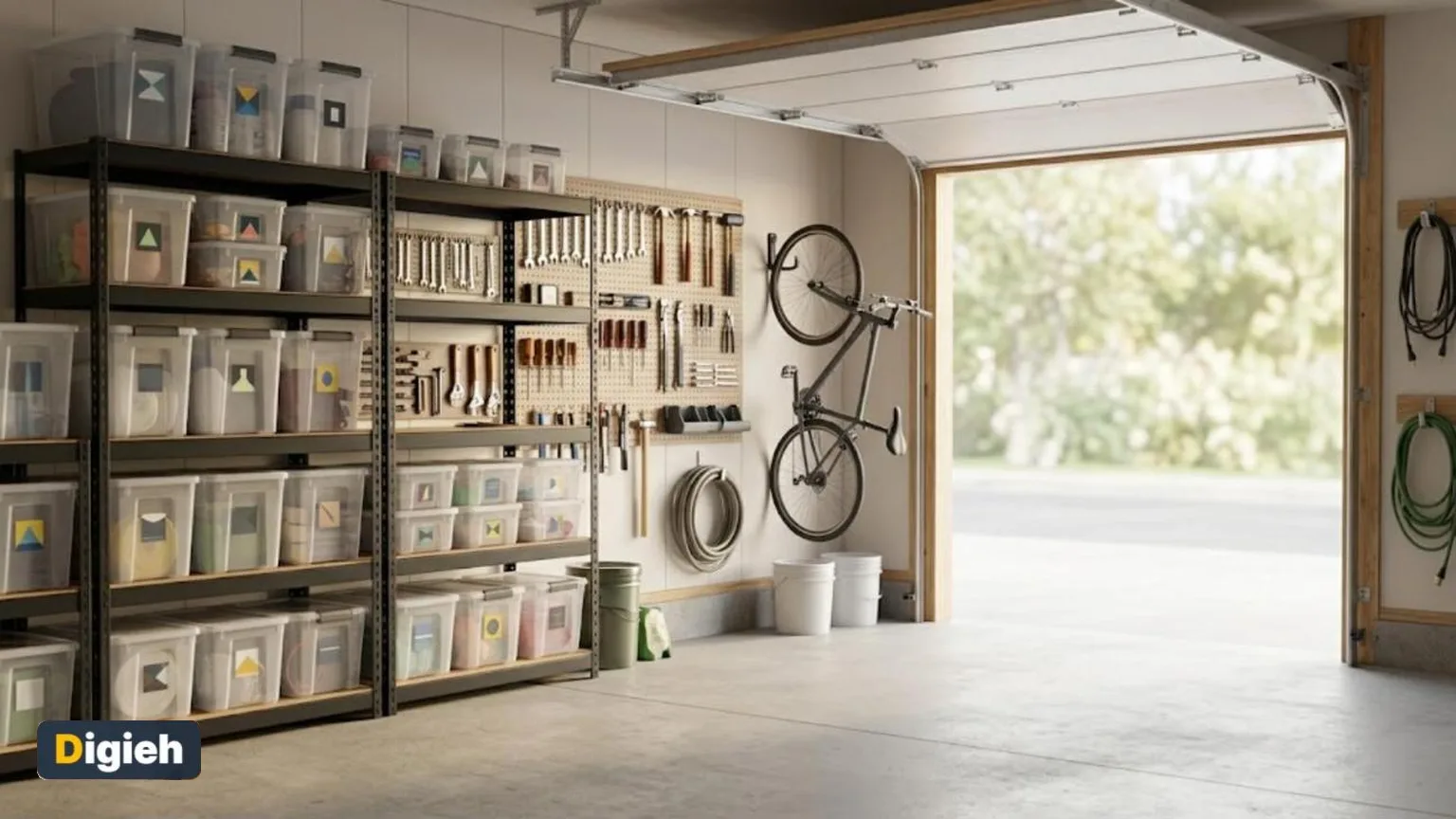
To organize your garage, empty it section by section and sort items into keep, donate and toss piles. Group what you keep into zones like tools, sports gear and holiday decor. Use wall shelves, hooks and clear bins to get things off the floor.
A tidy garage gives you room to park, find tools fast and store winter gear safely. One weekend is often enough to make a big change.
Key Takeaways
- Work one section at a time.
- Sort everything into keep, donate and toss.
- Create zones for similar items.
- Use walls and ceilings for storage.
- Label bins so everyone can find things.
On This Page
- Plan Your Garage Makeover
- How to Organize a Garage Step by Step
- Garage Zone Ideas
- Smart Storage Tips
- Safety Tips
- Sort With the Four-Box Method
- Handle Old Paint and Chemicals
- Dispose of Batteries Safely
- Use Your Wall Space
- Try Ceiling Storage
- Make Room for Your Car
- Garage Safety in Winter
- Keep Pests Out
- Use Ladders Safely
- Brighten the Space
- Donate or Sell What You Do Not Need
- Organize on a Budget
- A Seasonal Garage Checklist
Plan Your Garage Makeover
Pick a dry weekend. Gather bins, labels, trash bags and a few helpers.
Decide what the garage needs to do, like park a car, store tools or hold a workout area.
5Simple zones turn a messy garage into an easy-to-use space.
How to Organize a Garage Step by Step
1. Empty One Section
Pull items out onto the driveway, one wall or corner at a time.
2. Sort and Purge
Keep what you use. Donate or toss broken and unused items.
3. Clean the Space
Sweep the floor and wipe shelves before putting things back.
Quick tip. Take a photo of the inside of each bin and tape it on the front. You will find things faster.
4. Create Zones
Group tools, sports gear, garden supplies and seasonal decor together.
5. Store and Label
Use clear bins with labels. Put daily items within easy reach.
Can you park a car in your garage?
- Yes, easily
- Just barely
- I do not have a garage
- Not sure
Garage Zone Ideas
| Zone | Best Storage |
|---|---|
| Tools | Pegboard and toolbox |
| Sports gear | Wall hooks and bins |
| Garden supplies | Shelves near the door |
| Holiday decor | Labeled bins on high shelves |
| Car care | Small cabinet or shelf |
Use this calculator to plan how many bins you need.
Garage bin planner
Good to know. Many cities hold free drop-off days for old paint and chemicals. Check your local website.
- Clear storage bins
- Labels and marker
- Trash bags
- Wall shelves or hooks
- Pegboard
- Broom and cleaning cloths
Smart Storage Tips
Install sturdy wall shelves to free up floor space. Overhead racks hold rarely used items.
Hang bikes and ladders on wall hooks.
A rolling cart works well for car care items. You can move it right next to the car when you need it.
Mark a parking spot with a tennis ball on a string. It shows exactly where to stop.
Safety Tips
Store paint, chemicals and fuel in a locked cabinet, away from kids and pets.
Keep heavy items on low shelves. Secure tall shelves to the wall.
Keep It Tidy
Spend 10 minutes each month putting things back in their zones. Small resets stop clutter from returning.
Do a bigger clean-out each spring and fall.
Add to calendar
Sort With the Four-Box Method
Sorting is the hardest part, so keep it simple. Set out four boxes or tarps labeled keep, donate, recycle and trash.
Pick up each item and decide quickly. If you have not used it in a year, it probably belongs in the donate box.
Work in small sections so you do not feel overwhelmed. One shelf or corner at a time still adds up.
Haul away donate and trash piles the same day. Leaving them in the driveway invites second thoughts.
Handle Old Paint and Chemicals
Old paint cans and half-used bottles pile up fast in many garages. Some of these items need special disposal.
The Environmental Protection Agency (EPA) explains how to recycle and dispose of household items. Your city or county may also hold special collection days.
Check expiration dates and toss what has dried out or separated. Keep only what you will use within a year.
Never pour car fluids or paint down a drain or onto the ground. They can harm water and soil.
Dispose of Batteries Safely
Old batteries can leak or even spark a fire. Do not toss them loose in a drawer or trash can.
The agency explains how to handle used household batteries. Lithium batteries need special care because they can catch fire.
Tape the ends of used batteries and store them in a plastic bag. Drop them off at a local recycling site or store program.
Use Your Wall Space
Walls are the most underused space in many garages. Getting items off the floor makes the room feel bigger.
Pegboards hold hand tools where you can see them. Slatwall panels work well for heavier gear like bikes and ladders.
Use sturdy hooks for garden tools, extension cords and hoses. Hang similar items together so they are easy to find.
Try Ceiling Storage
Overhead racks are great for things you use only a few times a year. Holiday decorations and camping gear are perfect examples.
Choose racks rated for the weight you plan to store. Install them into ceiling joists, not just drywall.
Keep heavy items at waist height instead. Lifting heavy bins overhead can lead to injuries.
Make Room for Your Car
If you want to park inside, plan around the car first. Mark the space your car needs with painter’s tape on the floor.
Keep that zone clear of bins and tools. Leave room to open doors fully on both sides.
Hang a tennis ball from the ceiling to show where to stop. It is a cheap trick that prevents dents.
Free updates
Join the Digieh list
Be the first to know when our weekly brief launches.
No spam. Unsubscribe anytime. Read our Privacy Policy.
Garage Safety in Winter
Cold weather brings special risks. Never run a car, generator or grill inside a closed garage.
The Centers for Disease Control and Prevention (CDC) warns that carbon monoxide can build up quickly in enclosed spaces. Install a carbon monoxide detector in rooms near an attached garage.
Store salt and a shovel near the door for icy days. Keep a winter car kit ready too.
Keep Pests Out
Clutter gives mice and insects places to hide. A tidy garage is much less inviting.
Store birdseed, pet food and grass seed in sealed metal or thick plastic bins. Sweep up spills right away.
Seal gaps around doors and walls with weather stripping. The agency shares tips for safe pest control at home.
Seeing droppings or chewed boxes? Our guide to keeping mice out this winter shows how to seal gaps and clean up safely.
Use Ladders Safely
Reaching high shelves often means using a ladder or step stool. Falls from ladders cause many injuries each year.
Set the ladder on firm, level ground. Keep three points of contact, such as two feet and one hand.
The health agency offers guidance on preventing falls. Move items you use often to lower shelves.
Brighten the Space
Good lighting makes a garage safer and easier to use. Dim corners hide trip hazards and lost tools.
Swap old bulbs for bright light-emitting diode (LED) fixtures. They use less energy and last much longer.
Add a light over your workbench for detailed jobs. Motion-sensor lights are handy when your hands are full.
Donate or Sell What You Do Not Need
Good items you no longer use can help someone else. Tools, sports gear and furniture often find new homes.
Many donation centers accept household goods. Goodwill explains what you can donate and how to find a location.
You can also sell items online or hold a yard sale. Set a date, price everything and donate what does not sell.
Organize on a Budget
You do not need fancy cabinets for a neat garage. Reuse sturdy boxes and old shelves you already own.
Clear plastic bins let you see what is inside without opening them. Label each one on two sides.
Buy one storage piece at a time as you need it. Start with the area that frustrates you most.
A Seasonal Garage Checklist
A quick check each season keeps clutter from coming back. Spring is a good time to bring out garden tools and bikes.
In fall, store summer gear and move snow tools to the front. Check that your car kit is ready for winter.
Each season, test smoke and carbon monoxide detectors in nearby rooms. Replace batteries if needed.
Garage Mistakes to Avoid
Some habits make garages messy fast.
- Storing items on the floor
- Skipping labels
Use wall shelves and label every bin.
Keep heavy items low on shelves.
Try this today. Pick one corner of your garage and set a 20-minute timer. Sort everything there into keep, donate, recycle and trash piles.
Test Yourself
Where should heavy items go?
- Top shelves
- Low shelves
- Hanging from the ceiling
Low shelves keep heavy items safe.
How should you store chemicals?
- In a locked cabinet
- On the floor
- Next to the door
Locked storage protects kids and pets.
Frequently Asked Questions
How long does it take to organize a garage?
One to two weekends for most garages.
What is the best garage storage?
Wall shelves, pegboards and clear labeled bins.
Where should I store holiday decorations?
In labeled bins on high shelves or overhead racks.
How do I keep my garage organized?
Use zones and do a quick monthly reset.
How long does it take to organize a garage?
A small garage may take one weekend. Larger or very full spaces can take several weekends.
What should not be stored in a garage?
Avoid storing propane tanks indoors, paper photos and food that attracts pests. Extreme heat and cold can damage many items.
Wrapping Up
Pick one wall and start sorting this weekend. A clear garage makes every season easier.
Keep your home clutter-free with our Thanksgiving cleaning checklist. Protect your home this winter with tips to prevent frozen pipes.
Found this useful?
Editor’s Note
This guide is accurate as of November 6, 2026. Follow local rules for disposing of chemicals.
Spot an error in this article? Please contact us at support@digieh.com or read our Corrections Policy.
Keep exploring
Your next read is waiting
 1HealthHead Lice: Signs, Wet Combing, Treatment and Myths7 min read
 2Pets & AnimalsHow to Choose Dog Food: Reading the Label7 min read
 3MedicinesIs Sugar an Electrolyte? The Simple Science Answer7 min read
 4Home & KitchenFridge Without Power: How Long Food Stays Safe7 min read
 5Beauty & Personal CareDandruff vs Dry Scalp: Signs, Causes and Treatment7 min read
 6HealthGum Disease: Signs, Causes, Treatment and Prevention Tips7 min read