TRENDING
How to Store Medicines at Home Safely

8 min read
Last updated November 9, 2026
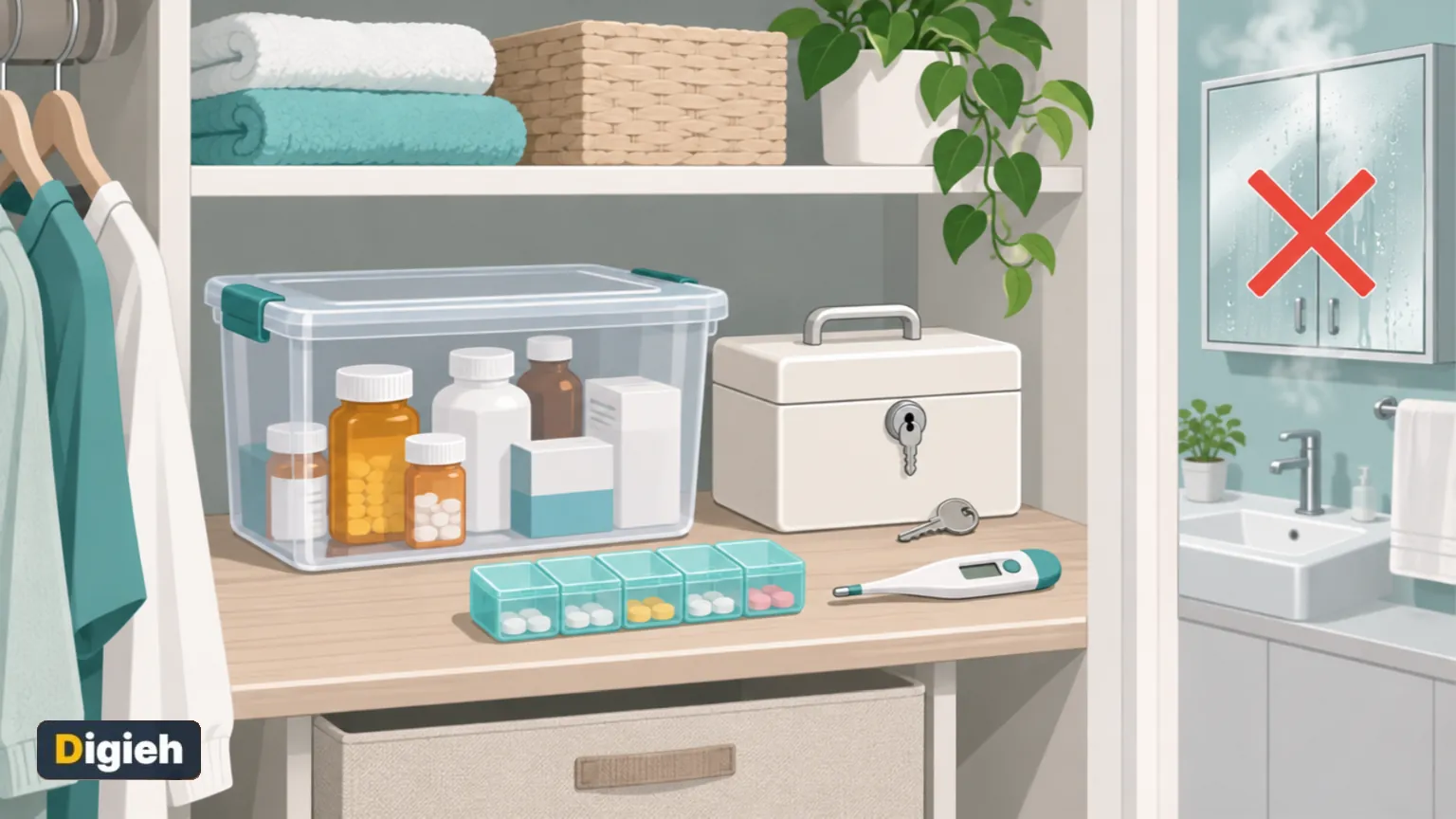
Store most medicines in a cool, dry spot that children and pets cannot reach. A high shelf in a bedroom closet works well. Keep them in their original containers with the caps tightly closed.
Avoid the bathroom, where heat and humidity can damage medicine. This guide explains where to store medicines, how to handle ones that need refrigeration and how to keep kids safe.
Health note. This article is general information, not medical advice. Always follow the storage directions on your medicine label or from your pharmacist.
Key Takeaways
- Store medicines in a cool, dry place, not the bathroom.
- Keep them up high, out of children’s reach and sight.
- Leave medicines in their original labeled containers.
- Refrigerate only the medicines whose labels say so.
- Check expiration dates and clear out old medicines twice a year.
Inside this guide
- The best places to store medicine
- Places to avoid
- Temperature and humidity
- Medicines that need the fridge
- Keeping children safe
- Protecting pets
- How to organize medicines
- Storing medicine while traveling
- Frequently asked questions
The Best Places to Store Medicine
- A high shelf in a bedroom or hall closet
- A locked cabinet or lockbox
- A kitchen cabinet away from the stove, sink and dishwasher
- A dresser drawer with a child lock
The goal is a spot that stays dry and at steady room temperature. It also needs to be out of children’s reach and sight.
Where do you keep your medicines?
- Bathroom cabinet
- Kitchen cabinet
- Bedroom closet
- Not sure
Places to Avoid
| Place | Why it is a problem |
|---|---|
| Bathroom cabinet | Steam and heat from showers can weaken medicine |
| Above the stove | Heat changes how some medicines work |
| Car glove box | Temperatures swing from very hot to freezing |
| Windowsill | Sunlight and heat can break down ingredients |
| Purse or nightstand | Easy for children to reach |
Despite its name, the bathroom medicine cabinet is one of the worst spots. Use it for cotton balls and bandages instead.
Temperature and Humidity
Most medicines should stay at room temperature. Many labels list a range such as 68 to 77 degrees Fahrenheit.
Moisture can make tablets crumble and capsules stick together. Heat can make creams separate and liquids change.
- Keep the cotton or desiccant packet in the bottle if one came with it.
- Close caps tightly after each use.
- Do not move pills into clear jars on the counter.
- Check the label for any special storage instructions.
Warning sign. If pills change color, smell odd, crumble or stick together, do not take them. Ask your pharmacist for a replacement.
Medicines That Need the Fridge
Some medicines must stay cold. Common examples include insulin, some liquid antibiotics, certain eye drops and some injectable drugs.
- Store them in the main part of the fridge, not the door.
- Do not let them freeze unless the label says it is safe.
- Keep them in a closed container away from raw meat.
- Use a fridge thermometer to check the temperature.
During a power outage, keep the fridge door closed and ask your pharmacist how long your medicine stays safe. Our guide to power outage preparedness has more tips.
Keeping Children Safe
Children are curious, and many medicines look like candy. The Up and Away campaign began in partnership with the Centers for Disease Control and Prevention. It says about 35,000 young children visit the emergency room each year after getting into medicines.
The Up and Away campaign shares simple safety steps.
- Store medicines, vitamins and supplements up and away, even between doses.
- Twist child-resistant caps until you hear a click.
- Put medicine away right after each use.
- Ask guests to keep purses and bags up high.
- Never call medicine candy.
Remember that child-resistant does not mean childproof. Some children can open these caps with time.
35,000Approximate number of young children taken to the emergency room each year after getting into medicines, per Up and Away.
Protecting Pets
Pets can chew through pill bottles in seconds. Many human medicines are dangerous for dogs and cats, even in small amounts.
- Keep medicines in closed cabinets, not on counters.
- Pick up dropped pills right away.
- Store pet medicines separately from human medicines.
- Call your vet or a pet poison hotline if a pet eats medicine.
For more pet safety ideas, see our winter pet safety tips.
Refill looks different? It may be a new generic. Learn about generic vs. brand-name medicines.
How to Organize Your Medicines
- Gather all medicines, vitamins and supplements in one place.
- Throw out expired or unlabeled items using safe disposal methods.
- Group items by person or by purpose, such as pain relief or allergies.
- Store everything in clear, labeled bins.
- Keep a written list of each person’s medicines and doses.
Weekly pill organizers help people who take several medicines. Choose one with child-resistant lids if children visit.
Inhalers, Eye Drops and Creams
| Type | Storage tip |
|---|---|
| Inhalers | Keep at room temperature and away from heat, since canisters can burst |
| Eye drops | Close tightly and note the date you open them, since many expire sooner once open |
| Creams and ointments | Keep caps closed and avoid hot places |
| Liquid medicines | Shake if directed and use the included measuring device |
| Patches | Store in their sealed pouches until use |
Read the label on each product. Some medicines change how long they last once you open them.
Lock Up Prescription Medicines
Some prescription medicines, like opioid pain relievers and stimulants, carry a risk of misuse. Teens and visitors may find them in unlocked cabinets.
- Store these medicines in a locked box or cabinet.
- Count pills regularly so you notice if any go missing.
- Dispose of leftovers when treatment ends.
- Talk with teens about the dangers of sharing medicine.
Build a Simple Home Medicine Kit
A small, organized kit helps you handle minor illnesses quickly.
- A pain reliever and fever reducer
- An antihistamine for allergies
- Antacids for heartburn
- A thermometer and measuring syringes
- Bandages, antiseptic wipes and gauze
- A written list of family medicines and allergies
Keep the kit in the same safe, high spot as your other medicines. Restock it after each cold and flu season.
Found expired medicines? Learn how to dispose of old medicines safely.
Free updates
Join the Digieh list
Be the first to know when our weekly brief launches.
No spam. Unsubscribe anytime. Read our Privacy Policy.
Check Expiration Dates
Medicines can lose strength over time. Check expiration dates twice a year, perhaps when the clocks change.
Replace expired products, and read the Drug Facts label when you buy new ones. Learn more in our guide on how to read a Drug Facts label.
Storing Medicine While Traveling
- Keep medicines in your carry-on bag, not checked luggage.
- Bring them in their original labeled containers.
- Use an insulated bag with ice packs for refrigerated medicines.
- Never leave medicines in a hot or freezing car.
- Pack a few extra days of doses in case of delays.
Add medicines to your winter packing list. Traveling with children? See our tips for traveling with kids.
Visiting Grandparents and Friends
Many medicine accidents happen in homes where children do not live. Grandparents may keep pills in easy-to-reach spots.
Before visits, ask hosts to move medicines up and away. Check guest rooms, purses and nightstands too.
Holiday gatherings bring extra coats, bags and suitcases into your home. Set aside a high closet shelf or a closed room for guests’ belongings. Gently remind relatives about medicine safety right when they arrive, and keep an eye on little ones exploring new spaces.
Helping Older Adults Manage Medicines
Older adults often take several medicines at different times of day. A clear system helps prevent mix-ups.
- Use a large weekly organizer with morning and evening slots.
- Keep a printed schedule on the fridge.
- Ask the pharmacy for easy-open caps if no children visit.
- Review all medicines with a pharmacist at least once a year.
Know the Food Interactions
Safe storage is one part of medicine safety. Knowing what to avoid with your medicine is another.
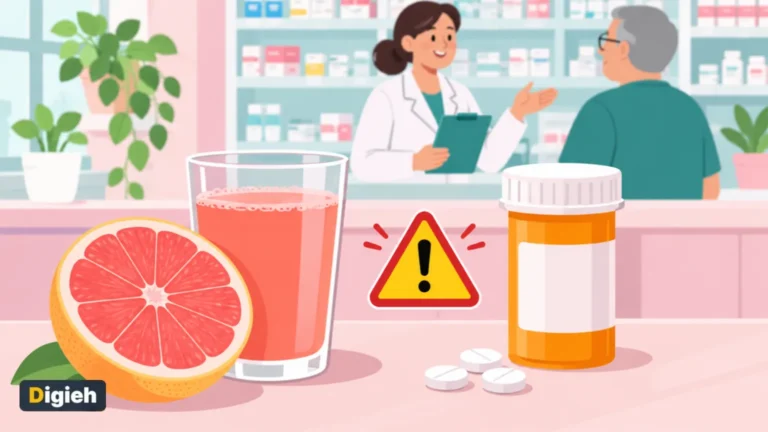
Some prescriptions interact with grapefruit. Read our guide to grapefruit and medicine interactions.
Common Storage Myths
- Myth, the bathroom cabinet is the best spot. Fact, humidity and heat make it one of the worst.
- Myth, all medicines last longer in the fridge. Fact, cold can harm many medicines.
- Myth, child-resistant caps are childproof. Fact, determined kids can open them.
- Myth, pill organizers are always safe. Fact, many open easily and need high storage.
When in doubt, follow the label. Your pharmacist can answer any storage question in a minute.
Your Medicine Safety Checklist
- Move medicines out of the bathroom
- Store them up high and out of sight
- Keep original labeled containers
- Refrigerate only when the label says so
- Lock up prescription pain relievers
- Check expiration dates twice a year
- Save Poison Help in your phone
In Case of Emergency
If you think a child or adult took too much medicine, call Poison Help at 1-800-222-1222 right away. Call even if you are not sure or there are no symptoms.
Call 911 if the person collapses, has a seizure, has trouble breathing or cannot wake up. Save the Poison Help number in your phone today.
Test Yourself
Why is the bathroom a poor place to store medicine?
- It is too dark
- Heat and humidity can damage medicine
- It is too cold
Steam from showers and baths can weaken many medicines.
What does child-resistant packaging mean?
- Harder for kids to open, but not impossible
- Completely childproof
- Safe to leave on the counter
Some children can still open child-resistant caps, so store medicine up and away.
Frequently Asked Questions
Can I store medicine in the kitchen?
Yes, in a cabinet away from the stove, sink and dishwasher.
Do vitamins need the same care as medicine?
Yes. Keep them up and away from children too.
What if my insulin freezes?
Do not use it. Ask your pharmacist for guidance.
Is it safe to put pills in a weekly organizer?
Yes, but keep the organizer out of children’s reach.
Conclusion
Storing medicines safely protects their strength and protects your family. Choose a cool, dry, high spot, keep original containers and refrigerate only when the label says so.
Put medicines away after every use, check dates twice a year and save the Poison Help number in your phone.
Found this useful?
Editor’s Note
This guide is accurate as of November 9, 2026. Child safety figures come from the Up and Away campaign.
It is general information, not medical advice. Follow your medicine label and pharmacist’s directions.
Spot an error in this article? Please contact us at support@digieh.com or read our Corrections Policy.
Keep exploring
Your next read is waiting
 1FashionHow to Wash a Down Jacket Without Ruining It8 min read
 2SportsNBA Cup 2026 Explained: Format, Groups, Dates and Prize Money8 min read
 3Finance & MarketsHow Certificates of Deposit Work: A Beginner Guide8 min read
 4HealthHow to Stop Snoring: 12 Proven Tips That Work8 min read
 5Home & KitchenHow to Insulate Windows for Winter on a Budget8 min read
 6MedicinesHow to Read a Drug Facts Label on Over-the-Counter Medicine8 min read