TRENDING
Iron Rich Vegetables for Vegetarians and Better Absorption

9 min read
Last updated November 10, 2026
White beans, lentils, cooked spinach, tofu and chickpeas are some of the best plant sources of iron. Pairing them with vitamin C foods helps your body absorb more.
Vegetarians need extra care with iron. NIH experts say vegetarians need 1.8 times more iron than people who eat meat.
This guide lists iron-rich vegetables and plant foods with real numbers. It also shares simple tricks to boost absorption and signs that you may need more iron.
Health note. This article shares general nutrition information. Do not start iron supplements without talking to a doctor, since too much iron can be harmful.
Key Takeaways
- Plant foods contain nonheme iron, which is harder to absorb.
- Vitamin C foods eaten at the same meal boost iron absorption.
- Beans, lentils, tofu and cooked spinach are top plant sources.
- Tea, coffee and calcium can reduce iron absorption at meals.
- Vegetarians need about 1.8 times more iron than meat eaters.
Jump to a section
- Two types of iron
- How much you need
- Iron-rich vegetables
- Beans and legumes
- Boost absorption
- What blocks iron
- Meal ideas
- Signs of low iron
- Too much iron
- Frequently asked questions
Heme vs Nonheme Iron
ODS explains that animal foods supply heme iron, while plant foods supply nonheme iron. Meat, seafood and poultry contain both kinds.
| Type | Found in | How well it is absorbed |
|---|---|---|
| Heme iron | Meat, poultry, seafood | Absorbed more easily |
| Nonheme iron | Beans, vegetables, grains, fortified foods | Absorbed less easily |
ODS estimates that people absorb about 5 to 12 percent of iron from vegetarian diets. That compares with about 14 to 18 percent from mixed diets.
1.8 timesHow much more iron vegetarians need compared with meat eaters, per the NIH Office of Dietary Supplements.
How Much Iron You Need
| Group | Daily iron |
|---|---|
| Men 19 to 50 | 8 mg |
| Women 19 to 50 | 18 mg |
| Adults 51 and older | 8 mg |
| Pregnancy | 27 mg |
These amounts come from the NIH Office of Dietary Supplements. ODS says people who avoid meat, poultry and seafood need almost twice as much iron as listed.
Women of childbearing age have higher needs because of monthly blood loss during periods. Pregnancy raises needs even more.
Iron-Rich Vegetables
The NIH Office of Dietary Supplements lists iron amounts for many foods. These vegetables and plant foods stand out.
| Food | Portion | Iron |
|---|---|---|
| Spinach, boiled | 1/2 cup | 3 mg |
| Tomatoes, canned stewed | 1/2 cup | 2 mg |
| Potato, baked with skin | 1 medium | 2 mg |
| Green peas, boiled | 1/2 cup | 1 mg |
| Broccoli, boiled | 1/2 cup | 1 mg |
Cooking shrinks greens, so a half cup of cooked spinach holds far more leaves than raw. ODS notes, however, that compounds in spinach reduce how much of its iron you absorb.
Collard greens and other leafy greens also provide iron, according to Clemson Cooperative Extension. Learn how two favorites compare in kale vs spinach.
Quick tip. Squeeze lemon juice over cooked greens. The vitamin C helps your body use more of their iron.
Beans, Legumes and Other Plant Sources
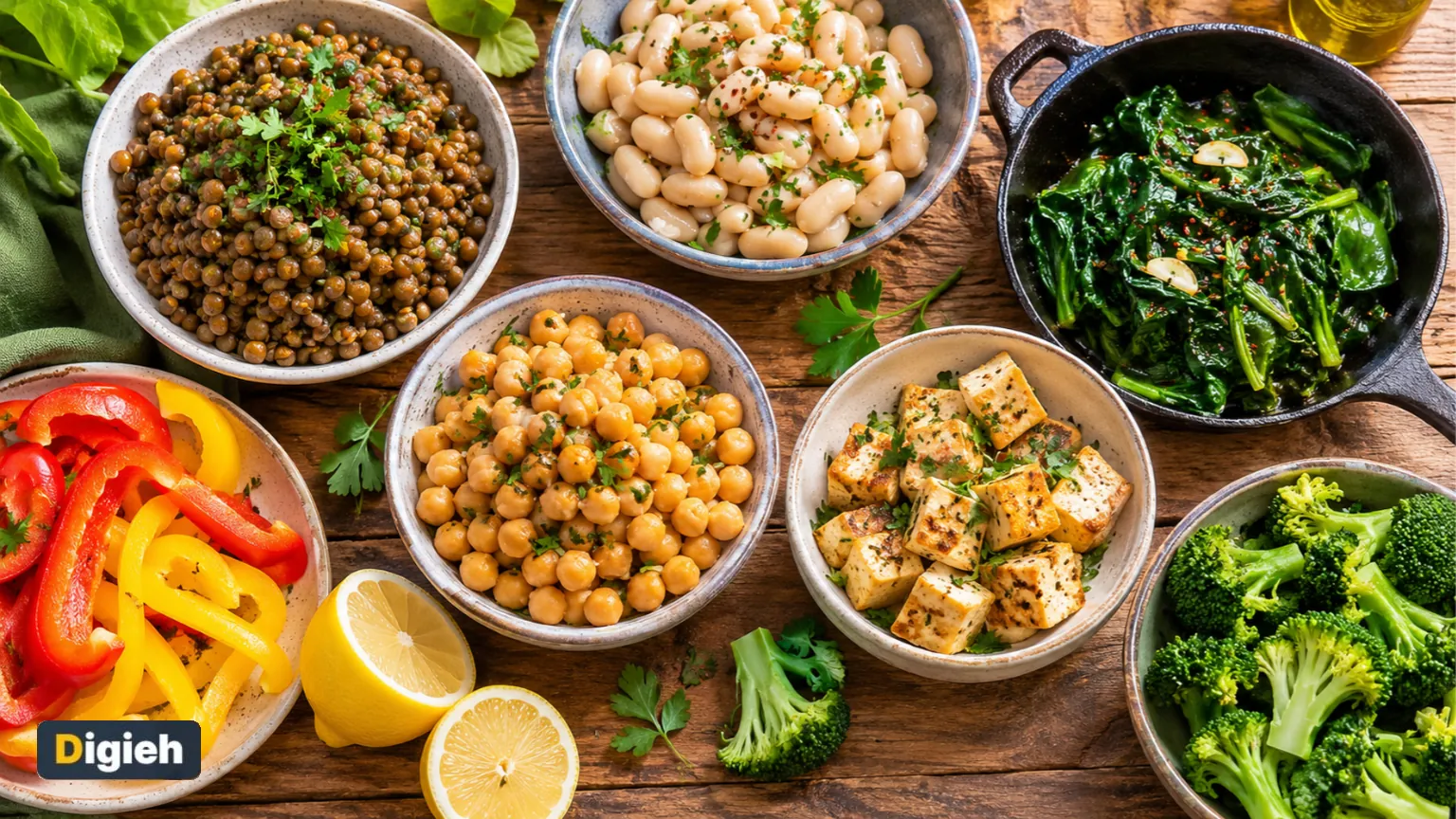
| Food | Portion | Iron |
|---|---|---|
| Fortified breakfast cereal | 1 serving | up to 18 mg |
| White beans, canned | 1 cup | 8 mg |
| Lentils, boiled | 1/2 cup | 3 mg |
| Tofu, firm | 1/2 cup | 3 mg |
| Kidney beans, canned | 1/2 cup | 2 mg |
| Chickpeas, boiled | 1/2 cup | 2 mg |
| Cashews | 1 oz | 2 mg |
| Raisins | 1/4 cup | 1 mg |
These values come from the ODS iron fact sheet. Beans and lentils are often the backbone of a vegetarian iron plan.
Fortified cereals vary widely by brand. Check the Nutrition Facts label for the percent Daily Value of iron.
Which plant iron source do you eat most?
- Beans or lentils
- Spinach or other greens
- Tofu
- Not sure
How to Boost Iron Absorption
ODS says your body absorbs plant iron better when you eat it with vitamin C-rich foods. Good partners include citrus, strawberries, sweet peppers, tomatoes and broccoli.
- Add bell peppers to bean dishes.
- Serve lentils with tomatoes.
- Squeeze lemon over greens.
- Have an orange or strawberries with a fortified cereal.
- Toss broccoli into tofu stir-fries.
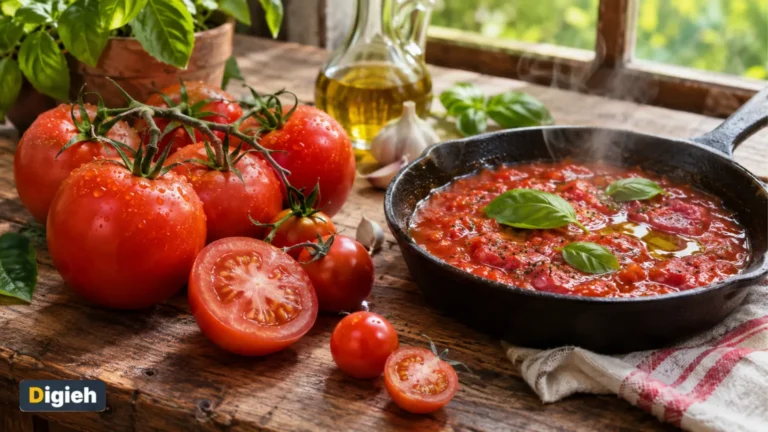
Clemson Cooperative Extension also suggests cooking in cast iron pans, especially acidic foods like tomato sauce. Simmering soups and stews in cast iron can add some iron.
See our list of vitamin C foods beyond oranges for more pairing ideas.
What Blocks Iron Absorption
| Blocker | Found in | Tip |
|---|---|---|
| Phytates | Grains and beans | Soaking and sprouting may help |
| Polyphenols | Tea, coffee, some legumes | Drink tea or coffee between meals |
| Calcium | Dairy and supplements | Take calcium at a different time than iron-rich meals |
ODS notes that calcium may reduce absorption of both types of iron. It also says these effects matter less in a typical mixed diet.
For vegetarians, these small habits can add up. Timing tea and coffee away from meals is an easy change. Try enjoying your cup an hour before or after eating instead.
Iron-Rich Vegetarian Meal Ideas
| Meal | Idea |
|---|---|
| Breakfast | Fortified cereal with strawberries |
| Lunch | Lentil soup with tomatoes and a squeeze of lemon |
| Snack | Cashews and a few raisins |
| Dinner | Tofu and broccoli stir-fry with bell peppers |
| Side | Sauteed spinach with garlic and lemon |
These combinations pair iron with vitamin C at each meal. They also add fiber, as shown in our list of high fiber fruits and vegetables.
Roasting vegetables like broccoli and potatoes makes easy sides. Try our roasted vegetables recipe or our guide to the best way to cook broccoli.
Raw or Cooked?
Cooking vegetables shrinks their volume, so you eat more per serving. That is why cooked spinach shows more iron per cup than raw.
Our guide on spinach raw vs cooked explains the trade-offs in detail.
Signs You May Need More Iron
- Feeling tired or weak
- Pale skin
- Shortness of breath with activity
- Cold hands and feet
- Brittle nails
These signs have many causes. A simple blood test can check your iron level.
Low iron can develop slowly over months. Many people do not notice until they feel very run down or a routine test shows a problem.
If a doctor finds low iron, they may also look for the cause. Heavy periods, digestive problems or blood loss can all play a part.
ODS lists groups at higher risk of low iron. They include women with heavy periods, pregnant women, frequent blood donors and people with digestive conditions.
Should You Take an Iron Supplement?
Many people get enough iron from food. Others, especially those with low iron, may need a supplement from their doctor.
Do not start iron supplements without testing, since extra iron can cause problems. Read our full iron supplements guide to learn more.
Free updates
Join the Digieh list
Be the first to know when our weekly brief launches.
No spam. Unsubscribe anytime. Read our Privacy Policy.
Too Much Iron
ODS warns that high-dose iron supplements can cause upset stomach, constipation, nausea and vomiting. Extremely high doses can be deadly, especially for children.
People with hemochromatosis, an inherited condition that causes iron buildup, should avoid iron and vitamin C supplements. Iron from food alone rarely causes problems in healthy people.
Keep supplements away from kids. Store iron pills out of reach. Call Poison Control or 911 if a child swallows them.
Potassium and Other Nutrients
Many iron-rich plant foods also supply potassium, folate and magnesium. Beans, potatoes and spinach are especially nutrient-dense.
See our list of potassium rich fruits and vegetables for more ideas.
Iron Tips for Vegans
Vegans skip all animal foods, including dairy and eggs. That makes planning for iron even more important.
- Eat a legume at most meals, such as beans, lentils or tofu.
- Choose fortified cereals and breads.
- Include nuts and seeds as snacks.
- Pair every iron source with a fruit or vegetable rich in vitamin C.
- Get regular checkups that include blood work.
Vegans should also watch vitamin B12, which plant foods do not naturally provide. Low B12 can cause tiredness that looks like low iron.
Iron for Kids and Teens
Growing children need iron for brain development and energy. Teen girls are at higher risk once periods begin.
- Serve fortified cereal with fruit at breakfast.
- Add beans to tacos, chili or pasta sauce.
- Offer hummus with pepper strips.
- Make smoothies with spinach and strawberries.
Talk with a pediatrician before giving children any iron supplement. Accidental iron overdose is dangerous for young children.
Iron During Pregnancy
Iron needs rise to 27 milligrams a day during pregnancy, according to ODS. Many pregnant people need a prenatal vitamin with iron.
Vegetarian or vegan pregnant people should work closely with their doctor or a dietitian. Regular blood tests help catch low iron early.
Myths About Plant Iron
| Myth | Fact |
|---|---|
| Vegetarians always have low iron | Many get enough with planning |
| Spinach is the best iron source | Beans and lentils often provide more usable iron |
| Only meat has iron | Many plant foods are rich in iron |
| More iron supplements are better | Too much iron can be harmful |
Balanced plant-based eating can meet iron needs for most people. Variety and smart pairings make the real difference here.
Soaking and Sprouting
Soaking dried beans before cooking may reduce phytates, which block iron. Sprouting grains and legumes may have a similar effect.
Canned beans are still a great, convenient option. Rinse them well to reduce sodium before using them.
Warming Winter Dishes With Iron
Cold months are perfect for hearty, iron-rich vegetarian meals. Soups and stews combine several iron sources in one pot.
- Lentil and tomato soup with spinach
- White bean and kale stew
- Chickpea curry with tomatoes and peppers
- Black bean chili simmered in a cast iron pot
- Split pea soup with carrots
Tomatoes add vitamin C and acidity, which helps when cooking in cast iron. Finish soups with a squeeze of lemon for an extra boost.
Budget-Friendly Iron Foods
- Dried lentils and beans
- Canned white beans and chickpeas
- Frozen spinach
- Fortified cereals bought in bulk
- Canned tomatoes
Many of the best plant iron sources are also among the cheapest foods in the store. A bag of dried lentils stretches across many meals and cooks in under half an hour without soaking.
Active People and Iron
Regular intense exercise may raise iron needs slightly, especially for endurance athletes. Women runners are a group doctors often watch closely.
If you feel unusually tired during workouts, ask your doctor about checking your iron. Do not self-treat with supplements, since the right amount depends on your test results.
Your Plant Iron Checklist
- Eat beans, lentils or tofu often
- Add cooked greens to meals
- Pair iron foods with vitamin C
- Drink tea and coffee between meals
- Cook in cast iron sometimes
- Ask your doctor about a blood test if tired
Try this today. Add a handful of chopped bell pepper to your next bean or lentil dish.
Test Yourself
Which food helps your body absorb plant iron?
- A cup of black tea
- Strawberries or bell peppers
- A glass of milk
Vitamin C foods like strawberries and peppers help your body absorb nonheme iron.
Frequently Asked Questions
What vegetable has the most iron?
Cooked spinach is high, though beans and lentils often provide more usable iron.
How can vegetarians get enough iron?
Eat beans, lentils, tofu and greens with vitamin C foods.
Does coffee block iron?
It can. Drink coffee and tea between meals.
Do vegetarians need iron supplements?
Not always. Ask your doctor about a blood test first.
Conclusion
Plant foods can supply plenty of iron with a little planning. Beans, lentils, tofu and greens are your best friends.
Pair them with vitamin C, time tea and coffee wisely and check with your doctor if you feel run down.
Found this useful?
Editor’s Note
This guide is accurate as of November 10, 2026. It draws on the NIH Office of Dietary Supplements and Clemson Cooperative Extension.
Ask your doctor about your own iron needs.
Spot an error in this article? Please contact us at support@digieh.com or read our Corrections Policy.
Keep exploring
Your next read is waiting
 1MedicinesHydrocortisone Cream Uses: What It Treats and Avoids9 min read
 2Fruits & VegetablesWinter Squash Types: How to Pick and Cook9 min read
 3Travel & TourismHow to Pack a Carry-On for a Week9 min read
 4AI & TechHow to Use AI for Smarter Holiday Shopping9 min read
 5FashionNew Year’s Eve Outfit Ideas for Every Party9 min read
 6Science & DiscoveriesQuadrantid Meteor Shower 2027: Best Time to Watch9 min read