TRENDING
How to Take a Power Nap That Leaves You Refreshed
Learn how to take a power nap that leaves you refreshed. Find the best nap length and time, set up a calm spot and avoid grogginess or poor night sleep.


8 min read
Last updated November 6, 2026
To take a good power nap, lie down in a quiet, dark spot for 10 to 20 minutes. Nap in the early afternoon, ideally before 3 p.m., so it does not hurt your night sleep. Set an alarm so you wake up before falling into deep sleep.
A short nap can boost energy, mood and focus. The key is keeping it short and well timed.
Key Takeaways
- Keep naps to 10 to 20 minutes.
- Nap in the early afternoon.
- Use a quiet, dark and cool space.
- Set an alarm to avoid oversleeping.
- Skip naps if they disturb night sleep.
On This Page
- Benefits of a Power Nap
- How to Take a Power Nap Step by Step
- Nap Length Guide
- Tips for Better Naps
- When to Skip a Nap
- How Sleep Cycles Affect Naps
- The Best Time to Nap
- How Much Sleep Adults Need
- Try a Coffee Nap
- Create a Restful Nap Space
- Use an Alarm Wisely
- Naps and Night Sleep
- Never Drive Drowsy
- Naps for Shift Workers
- Naps for Older Adults
- Rest Tips for New Parents
- When to Get Help
- Feel Alert Without a Nap
Benefits of a Power Nap
A short nap can help you feel more alert and less tired. Many people also feel calmer afterward.
It can help you get through the afternoon slump without extra caffeine.
20Minutes is the sweet spot for a refreshing power nap.
How to Take a Power Nap Step by Step
1. Pick the Right Time
Aim for early afternoon, between about 1 p.m. and 3 p.m.
2. Find a Calm Spot
Choose a quiet, dim place where no one will bother you.
3. Set an Alarm
Set it for 20 minutes. This keeps you out of deep sleep.
Quick tip. Set your alarm for 25 minutes. That gives you about five minutes to fall asleep.
4. Get Comfortable
Lie down or recline. Use an eye mask or earplugs if needed.
5. Wake Up Slowly
Sit up, stretch and drink some water. Get some light to feel alert.
Do you take naps?
- Most days
- On weekends
- Never
- Not sure
Nap Length Guide
| Length | What to Expect |
|---|---|
| 10 to 20 minutes | Quick energy boost, easy to wake |
| 30 minutes | May feel groggy for a short time |
| 60 minutes | Deeper rest, more grogginess |
| 90 minutes | A full sleep cycle, best on days off |
Use this calculator to set your nap alarm.
Nap alarm planner
Good to know. This adds about five minutes for falling asleep. Adjust it to fit you.
- Quiet spot
- Eye mask
- Earplugs
- Light blanket
- Alarm set
- Water for after
Tips for Better Naps
Keep the room cool and dark. Silence your phone notifications.
Some people try a coffee nap. They drink a small coffee just before a 20-minute nap, since caffeine takes time to kick in.
When to Skip a Nap
Skip naps if you have trouble sleeping at night. Late or long naps can make it worse.
Talk to a doctor if you feel very sleepy every day, even with enough night sleep.
Nap at Work or School
A quiet break room or parked car can work for a quick rest. Set an alarm so you are not late.
Even resting with your eyes closed for 10 minutes can help you recharge.
Add to calendar
How Sleep Cycles Affect Naps
Sleep moves through stages in cycles of about 90 minutes. Light sleep comes first, followed by deep sleep.
Waking up during deep sleep can leave you groggy. Experts call that foggy feeling sleep inertia.
A short nap of about 20 minutes keeps you in light sleep. You wake up feeling fresh instead of foggy.
The Best Time to Nap
Most people feel a natural dip in energy in the early afternoon. The hours between one and three are a common window.
Napping too late in the day can make it hard to fall asleep at night. Try to finish naps at least several hours before bedtime.
Listen to your body. If you feel sleepy at a certain time each day, plan a short rest then.
How Much Sleep Adults Need
A nap helps, but it cannot replace a good night’s sleep. Most adults need seven or more hours each night.
The National Heart, Lung, and Blood Institute (NHLBI) explains how much sleep people need at each age. Kids and teens need even more sleep than adults.
If you need naps every day just to function, look at your nighttime habits first.
Try a Coffee Nap
A coffee nap pairs a small cup of coffee with a short nap. Caffeine takes about 20 minutes to kick in.
Drink the coffee quickly, then lie down right away. Set an alarm for 20 minutes.
You may wake up just as the caffeine starts working. Many people feel extra alert afterward.
Skip coffee naps in the late afternoon. Caffeine can stay in your system for hours and disrupt night sleep.
Create a Restful Nap Space
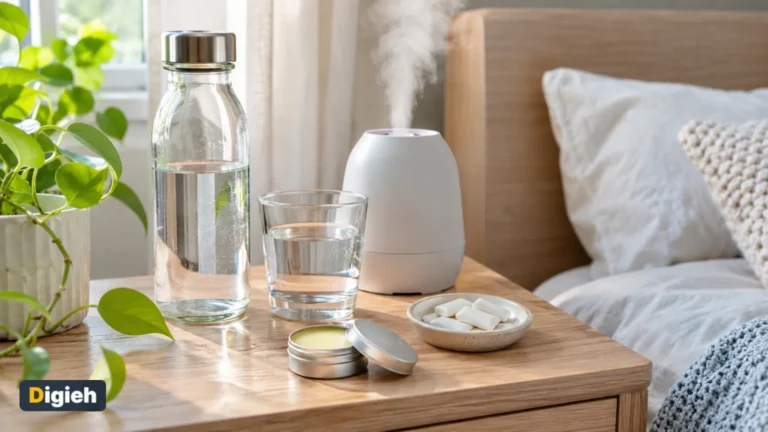
A good nap space is dark, cool and quiet. You do not need a bed to rest well.
Use an eye mask to block light and earplugs or white noise to block sound. A small pillow or folded jacket adds comfort.
Silence your phone notifications. Even a buzz can pull you out of rest.
Use an Alarm Wisely
An alarm protects you from oversleeping. Set it for your planned nap length before you lie down.
Choose a gentle sound or gradual volume. A loud alarm can make you feel jumpy.
When the alarm rings, get up right away. Stretch, drink water or step into bright light.
Naps and Night Sleep
Short naps usually do not harm night sleep. Long or late naps can make bedtime harder.
The Centers for Disease Control and Prevention (CDC) shares information about sleep and health. Regular sleep and wake times help your body clock.
If you struggle to sleep at night, try skipping naps for a week. See whether your nights improve.
Free updates
Join the Digieh list
Be the first to know when our weekly brief launches.
No spam. Unsubscribe anytime. Read our Privacy Policy.
Never Drive Drowsy
Feeling sleepy behind the wheel is dangerous. Drowsy driving slows reaction time and can cause crashes.
The National Highway Traffic Safety Administration (NHTSA) warns about the risks of drowsy driving. It suggests pulling over in a safe place for a short nap if you feel sleepy.
Plan rest stops on long trips. Switch drivers when possible.
Naps for Shift Workers
Night shifts and rotating schedules can throw off your body clock. Planned naps can help you stay alert.
A short nap before a night shift can boost alertness. Some workers also nap during breaks.
Keep your sleep space dark during the day with blackout curtains. Protect your main sleep time as much as you can.
Naps for Older Adults
Many older adults nap more often. Short naps can help with energy and mood.
Keep naps brief and earlier in the day. Long naps may affect night sleep.
Talk to a doctor if you suddenly need much more sleep than usual. It can signal a health issue.
Rest Tips for New Parents
New parents often run on very little sleep. Rest whenever you can, even for a few minutes.
Nap when the baby naps if possible. Let chores wait.
Ask a partner, family member or friend to watch the baby while you rest. Accepting help is a smart choice.
When to Get Help
Some nap habits point to a deeper sleep problem. Loud snoring, gasping during the night or nodding off without warning are signs to take seriously.
A partner may notice breathing pauses before you do. Ask them what they hear at night.
Share these signs with a health care provider. A sleep study can find the cause, and treatment can help you feel more rested and safer.
Feel Alert Without a Nap
Sometimes a nap is not possible. A few simple habits can still lift your energy.
Step outside for a short walk in daylight. Movement and sunlight both help you feel more awake.
Drink a glass of cold water and have a light snack with protein. Dehydration and hunger can both make you sleepy.
Stretch at your desk or stand up for a few minutes every hour. A change of position wakes up your body and mind.
Power Nap Mistakes to Avoid
Some habits can turn a helpful nap into a groggy afternoon. Watch out for these common mistakes.
- Napping too late in the day
- Sleeping longer than about 20 minutes
- Napping in a bright, noisy room
- Using naps to replace night sleep
Set an alarm so your nap stays short. Short naps help you wake up feeling fresh.
Know When to Get Help
Talk to a doctor if you feel very sleepy every day, even after a full night of sleep. Ongoing tiredness can have many causes.
Try this today. Set an alarm for 20 minutes after lunch today. Lie down in a quiet spot and rest, even if you do not fall asleep.
Test Yourself
How long is a good power nap?
- Two hours
- 10 to 20 minutes
- 45 minutes
Short naps avoid deep sleep and grogginess.
When is the best time to nap?
- Late evening
- Right before bed
- Early afternoon
Early naps protect your night sleep.
Frequently Asked Questions
How long should a power nap be?
About 10 to 20 minutes.
What is the best time to nap?
Early afternoon, before about 3 p.m.
Why do I feel groggy after a nap?
Longer naps let you fall into deep sleep, which causes grogginess.
Are naps good for everyone?
Not always. Skip them if they hurt your night sleep.
Is a 10-minute nap worth it?
Yes. Even a short rest can boost alertness for many people.
Why do I wake up tired after a nap?
You may have woken during deep sleep. Try keeping naps to about 20 minutes.
Wrapping Up
Try a 20-minute nap this weekend and notice how you feel. A short rest can change your whole afternoon.
Sleep better at night with our tips to sleep better in winter. Learn about winter mood changes in our guide to seasonal affective disorder.
Found this useful?
Editor’s Note
This guide is accurate as of November 6, 2026. It is general health information, not medical advice.
Spot an error in this article? Please contact us at support@digieh.com or read our Corrections Policy.
Keep exploring
Your next read is waiting
 1HealthTennis Elbow: Causes, Exercises and Recovery Time Explained7 min read
 2Beauty & Personal CareDandruff vs Dry Scalp: Signs, Causes and Treatment7 min read
 3MedicinesIs Sugar an Electrolyte? The Simple Science Answer7 min read
 4Pets & AnimalsCat Urinary Problems: Signs That Need Urgent Care7 min read
 5Home & KitchenFridge Without Power: How Long Food Stays Safe7 min read
 6HealthOzempic Blurry Vision: Normal Side Effect or NAION?9 min read