TRENDING
Essential Skiing Tips for Beginners on the Slopes

10 min read
Last updated November 8, 2026
Your first day on skis can feel thrilling and a little scary at the same time. The good news is that almost everyone starts out wobbly.
With the right gear, a good lesson and simple habits, you can go from nervous to smiling in one day. You do not need to be an athlete to enjoy it.
This guide covers what to wear, what to rent and how to stop and turn. It also explains key safety rules.
Key Takeaways
- Take a lesson from a qualified instructor on day one.
- Dress in layers and protect your skin from the sun.
- Wear a helmet and have your bindings set by a pro.
- Learn the wedge to control speed and stop.
- Rest when you get tired, since injuries often happen late.
30 to 50%How much helmets reduce head injuries, based on industry figures cited by outdoor safety experts.
Get Ready Before Your Trip
A little preparation makes your first day much easier. It also helps you avoid sore muscles and early exhaustion.
Build Some Fitness
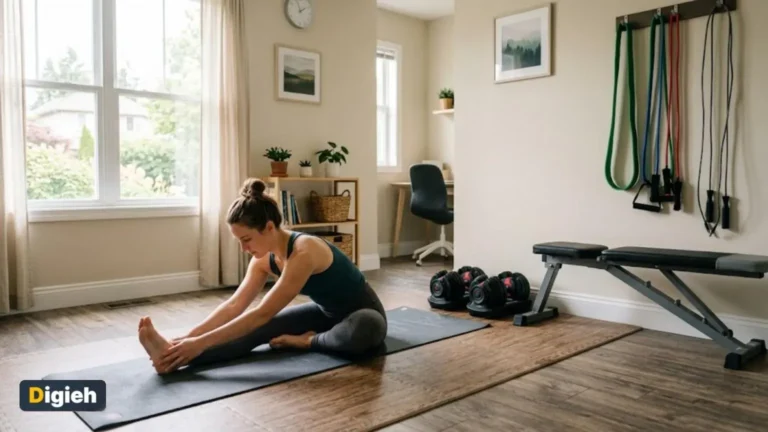
The National Ski Areas Association safety tips suggest getting fit before your trip. Skiing works your legs, core and balance in ways daily life does not.
Start a few weeks ahead with squats, lunges and walking or cycling. Even short daily sessions help your legs last longer on the hill.
Our guide to staying active in winter has easy ways to build fitness indoors.
Pick the Right Place
Look for a resort with plenty of gentle beginner terrain. Many areas have a separate learning zone with slow lifts or moving carpets.
Check whether the resort offers beginner packages. These often bundle a lift ticket, rental gear and a lesson at a lower price.
Have you ever been skiing before?
- Never, this will be my first time
- Once or twice
- Yes, many times
- Not sure
What to Wear
Staying warm and dry makes a huge difference in how much fun you have. Cold, wet clothing can end your day early.
Dress in layers
Start with a base layer that pulls sweat away from your skin. Add a warm middle layer and finish with a waterproof, windproof jacket and pants.
Skip cotton
Cotton holds moisture and makes you cold. Choose wool or synthetic fabrics for socks and base layers.
Wear one pair of socks
A single pair of thin ski socks is best. Thick or doubled socks can make boots tight and your feet colder.
Cover your hands and head
Gloves or mittens keep your hands warm, and mittens often work better for cold fingers. A neck warmer helps on windy lifts.
Protect your eyes and skin
Goggles or sunglasses guard your eyes from glare and wind. Wear sunscreen too, since snow reflects strong sunlight even on cloudy days.
- Moisture-wicking base layer
- Warm middle layer
- Waterproof jacket and pants
- One pair of ski socks
- Gloves or mittens
- Goggles and sunscreen
- Helmet
Renting Gear
Most beginners should rent instead of buying. Rental shops fit the gear to your size, weight and skill level.
Boots Come First
Boots matter more than anything else. They should feel snug but not painful, with your toes just brushing the front.
Stand up and bend your knees forward. Your heel should stay put in the back of the boot.
Bindings and Skis
Bindings connect your boots to your skis and release in a fall. Have them adjusted by a trained shop worker, as safety groups advise.
Beginners do best on shorter, softer skis. They are easier to turn and control at slow speeds.
Wear a Helmet
A helmet is one of the most important pieces of gear. Industry figures show helmets reduce head injuries by 30 to 50 percent, according to this mountain safety guide.
Most rental shops include helmets or offer them for a small fee. Make sure yours fits snugly and is buckled before every run.
Quick tip. Put your boots on at the rental shop and walk around for a few minutes. Tell the staff right away about any pinching or heel lift.
Check the Weather and Snow
Look at the forecast and snow report the night before. Sunny, calm days with soft snow are ideal for learning.
Very cold or windy days make it harder to stay comfortable. Icy, refrozen snow is also tougher to control.
Safety experts note that hard snow is linked to wrist and head injuries. Deep powder, on the other hand, is linked to knee injuries.
If the weather looks rough, consider moving your first lesson. A pleasant day gives you the best chance to enjoy the sport.
Take a Lesson
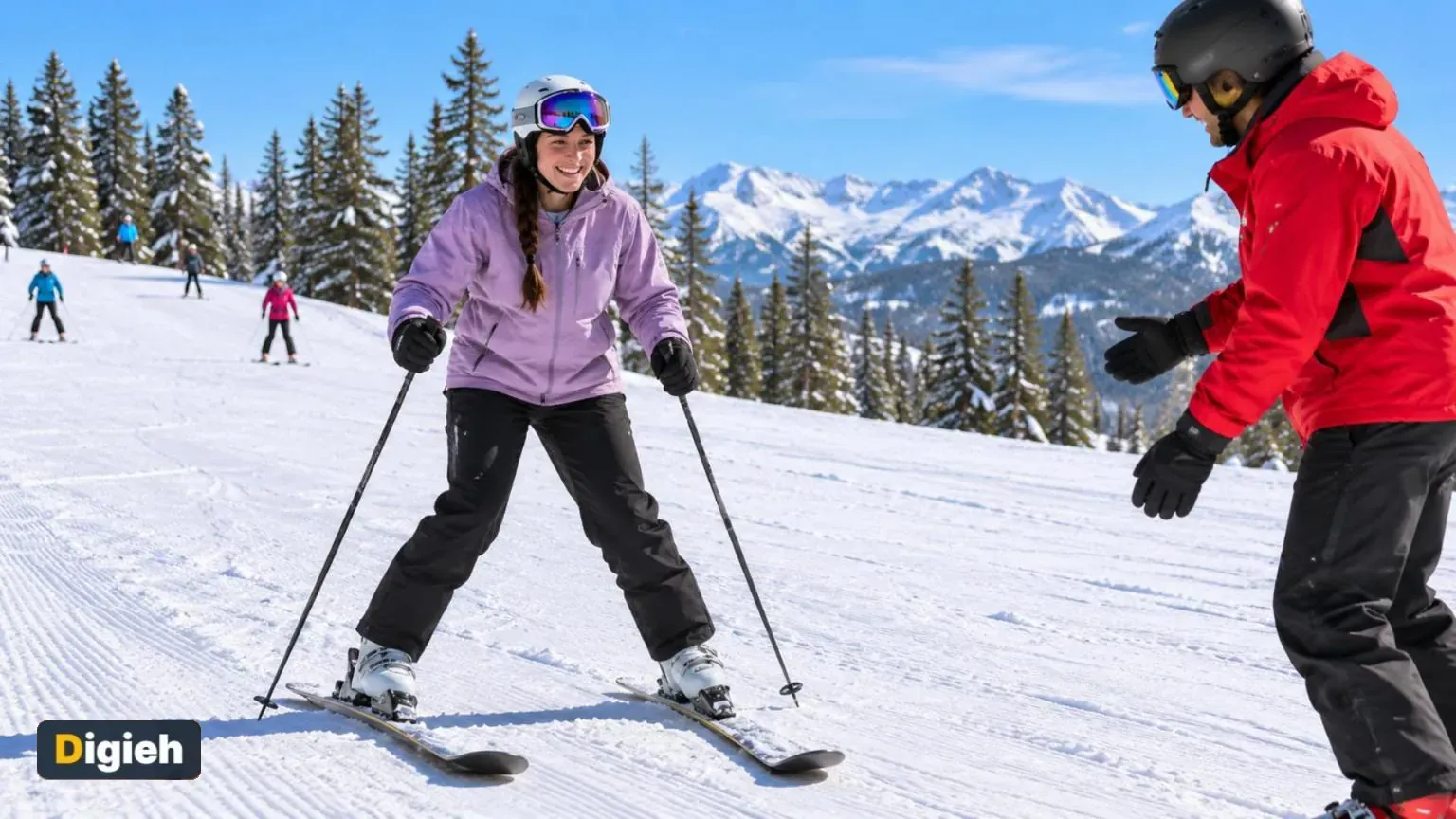
A lesson is the single best investment for a new skier. A qualified instructor teaches good habits from the start and helps you learn faster.
Friends and family mean well, but they are not trained teachers. Group lessons are affordable, and private lessons offer more personal attention.
Instructors also teach you how to fall safely and get back up. That skill alone makes the first day far less stressful.
Basic Skills to Learn
Walking and Sidestepping
Start by walking on flat snow with one ski on. Then try both skis and shuffle forward in small steps.
To climb a gentle slope, stand sideways and step up the hill one ski at a time. This is called sidestepping.
The Wedge
The wedge, also called the pizza, is your main tool for slowing down. Point your ski tips together and push your heels apart.
A wider wedge means more braking. A narrower wedge lets you glide a little faster.
Turning
Turning helps you control speed on any slope. Press gently on the inside edge of one ski and look where you want to go.
Link turns from side to side across the hill. Going straight down builds speed fast, so turns are your friend.
Stopping
To stop, make a wide wedge and press your heels out. Keep your weight centered over your feet.
You can also turn uphill until your skis slow to a stop. This works well on wider trails.
What shape do beginners make with their skis to slow down?
- Parallel lines
- A wedge
- A cross
Pointing the tips together and heels apart creates a wedge that acts like a brake.
How to Fall and Get Up
Falling is part of learning, so do not fear it. Try to fall to the side and uphill instead of backward or forward.
To get up, place your skis across the slope so you do not slide. Pull your legs under your body and push up with your hands or poles.
If you cannot stand, take off one ski first. Step back in once you are on your feet.
Riding the Lift
Lifts can make beginners nervous, but they become easy fast. Watch others load first so you know what to expect.
Remove backpack straps and hold your poles in one hand. Look back for the chair, sit down, and lower the safety bar if there is one.
To unload, lift your ski tips, stand up as the chair reaches the ramp and glide away. Ask the lift attendant to slow the lift if you need extra help.
Understanding Trail Signs
In North America, trails are marked by difficulty. Green circles mean easiest, blue squares mean more difficult and black diamonds mean most difficult.
Ratings vary from one resort to another. A blue run at one mountain may feel harder than a blue run somewhere else.
Stick to green runs until you can turn and stop with confidence. If a slope feels too steep, sidestep down carefully instead of risking a fall.
Good to know. Firm snow makes skis go faster and feel harder to control. Start each run slowly until you get a feel for the conditions.
Free updates
Join the Digieh list
Be the first to know when our weekly brief launches.
No spam. Unsubscribe anytime. Read our Privacy Policy.
Know the Responsibility Code
Every skier should follow the Responsibility Code. The association lists these seven rules on its safety page.
- Always stay in control.
- People ahead of you have the right of way.
- Stop in a safe place where you can be seen.
- Look uphill and yield when starting or merging.
- Use devices to help prevent runaway equipment.
- Obey all signs and warnings, and stay off closed trails.
- Know how to use the lifts safely.
The skier downhill always has the right of way. That puts the job of avoiding collisions on whoever is above.
Stay Safe on the Mountain
Ski With a Buddy
Always ski with a friend and keep each other in sight. Pick a meeting spot, like a certain lift, in case you get separated.
Phones can die in the cold, so a plan matters most for children. Save the ski patrol number in your phone too.
Know When to Stop
Many injuries happen late in the day when legs get tired. Take breaks, eat lunch and call it a day before you feel worn out.
Drink Water
Cold air and exercise can dry you out without you noticing. Carry water or stop at the lodge for drinks. Our winter hydration tips explain why this matters.
Skip Alcohol
Alcohol and skiing do not mix. Alcohol and cannabis raise injury risk for you and others. That warning comes from an Alberta ski and snowboard safety guide.
Who has the right of way on the slope?
- The skier ahead or downhill
- The fastest skier
- The skier above
People ahead of you have the right of way, so the uphill skier must avoid them.
Save Money on Your First Trip
Skiing has a reputation for being expensive, but beginners have options. A little planning keeps costs under control.
Buy lift tickets online before you go, since many resorts charge more at the window. Midweek days are often cheaper and less crowded.
Look for beginner-only tickets that cover just the learning area. You will not need the whole mountain on day one.
Pack snacks and a water bottle instead of buying everything at the lodge. Borrow goggles or jackets from friends if you can.
Skiing With Kids
Children often learn faster than adults because they are less afraid to fall. A kids’ ski school class is usually the best start.
Keep the first day short and fun. Cold, hungry or tired kids lose interest quickly.
Make sure every child wears a helmet and knows the meeting spot. Write your phone number on a card in their pocket.
What to Pack in Your Bag
A small backpack or locker bag keeps your day running smoothly. Here are the basics most beginners use.
- Extra gloves and a spare base layer
- Lip balm and sunscreen
- Hand warmers for cold days
- Snacks and a water bottle
- A phone charger or small battery pack
Leave valuables locked in the car or a locker. You will ski more freely without a heavy bag.
Make Your First Day Fun
Set small goals, like riding the lift or linking three turns. Celebrate each win, no matter how small.
Take breaks to warm up and enjoy the view. Hot chocolate at the lodge is part of the tradition.
Do not compare yourself to anyone else. Everyone on the mountain was a beginner once.
Try this today. Do three sets of ten slow squats. Repeat daily until your trip to build leg strength.
Frequently Asked Questions
How long does it take to learn to ski?
Many people can ride a lift and make basic turns after a day or two of lessons. Confidence on blue runs often takes several more days.
Should I buy or rent ski gear as a beginner?
Rent at first. Buy boots once you know you love the sport, since a good fit matters most.
Is skiing hard to learn?
The first day can be tiring, but most people progress quickly with a lesson. Gentle terrain makes learning much easier.
What should I bring on my first ski day?
Bring layers, gloves, goggles, sunscreen, a helmet, water and snacks. Leave cotton clothes at home.
Do I need poles as a beginner?
Many instructors start beginners without poles. That way you can focus on balance and the wedge.
Conclusion
Learning to ski starts with warm layers, well-fitted rental gear and a helmet. A lesson from a qualified instructor is the fastest way to build skills.
Master the wedge, follow the Responsibility Code and rest when you get tired. With patience, your first day can turn into a lifelong winter hobby.
Read next. Vital Sledding Safety Tips Every Parent Should Know
Found this useful?
Editor’s Note
This article is accurate as of November 8, 2026. It draws on guidance from the National Ski Areas Association, outdoor safety experts and Alberta health officials. Check your resort’s rules before you ski.
Spot an error in this article? Please contact us at support@digieh.com or read our Corrections Policy.
Keep exploring
Your next read is waiting
 1Travel & TourismHow to Beat Jet Lag, Simple Tips That Work8 min read
 2CarsEV vs Hybrid, Which Car Is Right for You?8 min read
 3FashionWinter Fashion Trends 2026 and How to Wear Them8 min read
 4Finance & MarketsGiving Tuesday 2026, Date and How to Give Safely8 min read
 5PhonesiPhone vs Android, Which Phone Should You Choose?8 min read
 6LaptopsMac vs Windows Laptop, Which Should You Buy?8 min read