TRENDING
How to Ripen Fruit Faster With Kitchen Tricks

9 min read
Last updated November 10, 2026
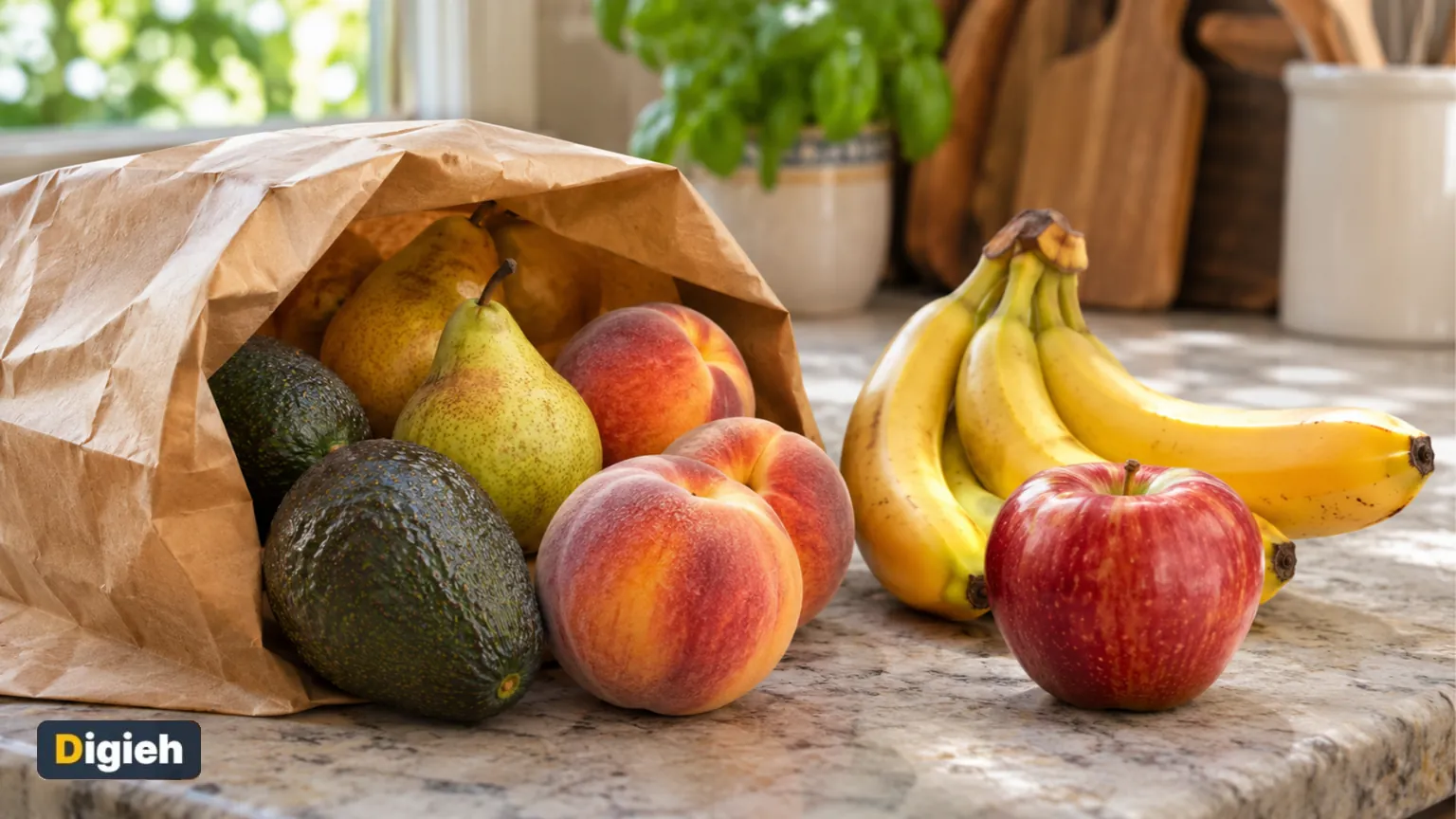
The fastest way to ripen fruit at home is a paper bag with a ripe apple or banana inside. These fruits release ethylene gas, which speeds ripening.
This trick only works on fruits that keep ripening after harvest, like avocados, bananas, pears, peaches and mangos. Berries, grapes and citrus will not ripen further once picked.
This guide explains which fruits ripen at home and the best kitchen tricks. It also covers storing fruit once it is ready.
Key Takeaways
- Paper bags trap ethylene gas and speed up ripening.
- Add a ripe apple or banana to make the bag work faster.
- Avocados, bananas, pears, peaches and mangos ripen after picking.
- Berries, grapes, citrus and cherries do not ripen after picking.
- Refrigerate fruit once it reaches the ripeness you like.
Jump to a section
- How ripening works
- Which fruits ripen
- Paper bag method
- Other tricks
- Fruit-by-fruit guide
- Slowing ripening
- Storing ripe fruit
- Myths
- Food safety
- Frequently asked questions
How Fruit Ripening Works
Many fruits produce a natural gas called ethylene as they ripen. Ethylene signals the fruit to soften, sweeten and change color.
University of California Agriculture and Natural Resources explains that apples produce ethylene that speeds ripening of other fruit nearby.
Trapping that gas around unripe fruit makes it ripen faster. That is the science behind the paper bag trick.
Fruits that keep ripening after harvest are often called climacteric fruits. They produce a burst of ethylene as they ripen.
Other fruits do not respond much to ethylene once picked. They may soften or spoil, but they will not get sweeter.
Warmth also plays a role. Most fruit ripens best at normal room temperature, away from heat and direct sun.
1 appleAdd one per 5 to 7 pieces of fruit, as suggested by UC Agriculture and Natural Resources.
Which Fruits Ripen After Picking
University of Illinois Extension lists fruits that keep ripening after harvest and fruits that do not.
| Ripen after picking | Do not ripen after picking |
|---|---|
| Avocados | Apples |
| Bananas | Berries |
| Pears | Cherries |
| Peaches and nectarines | Grapes |
| Plums | Citrus fruits |
| Mangos and papayas | Pomegranates |
| Cantaloupe and honeydew | Watermelon |
| Persimmons and tomatoes | Lemons and limes |
Illinois Extension says fruits in the second group do not ripen any more after they have been picked. Refrigerate those soon after buying.
Quick tip. Buy berries, grapes and cherries only when they look ripe. They will not get sweeter on your counter.
The Paper Bag Method
- Place unripe fruit in a large paper bag.
- Add a ripe apple or banana to boost ethylene.
- Fold the top over loosely.
- Leave the bag at room temperature, out of direct sun.
- Check the fruit every day.
Illinois Extension suggests punching a few holes in the bag and keeping fruit in a single layer. This lets some air in and prevents bruising.
UC ANR warns not to use sealed plastic bags on the counter. They slow ripening and can cause off odors and decay.
Other Ripening Tricks
| Trick | Best for | How it helps |
|---|---|---|
| Paper bag with apple | Avocados, pears, peaches | Traps extra ethylene |
| Warm spot in the kitchen | Bananas, mangos | Warmth speeds ripening |
| Fruit bowl together | Mixed ripening fruit | Fruits share ethylene |
Avoid putting fruit in direct sunlight. It can warm unevenly and spoil instead of ripening.
Some people bake or microwave fruit to soften it. This changes texture but does not truly ripen the fruit or make it sweeter.
Which fruit do you most often need to ripen quickly?
- Avocados
- Bananas
- Pears or peaches
- Not sure
Fruit-by-Fruit Ripening Guide
Avocados
Place hard avocados in a paper bag with an apple or banana. Most ripen in a few days. Learn the signs in our guide on how to tell if an avocado is ripe.
Bananas
Illinois Extension says bananas need no special care. They turn from green to yellow on the counter within a few days. A paper bag speeds them up.
Brown honey spots mean a banana is very sweet. Read how ripeness changes nutrition in our guide to banana nutrition.
Pears
UC ANR explains that Bartlett pears turn yellow, soften and get sweeter on the counter. Once ripe, they keep a few days in the refrigerator.
Check pears near the stem. Gentle give at the neck means they are ready.
Peaches, Nectarines and Plums
Ripen these stone fruits in a paper bag at room temperature. They are ready when they smell sweet and give slightly to gentle pressure.
Mangos
Mangos ripen on the counter and soften when ready. Color is not always a reliable sign, so judge by feel and smell.
Persimmons
Hachiya persimmons must be very soft before eating. Our guide on how to eat a persimmon explains the difference between types.
Tomatoes
UC ANR says pink tomatoes ripen to better taste and color at room temperature. Avoid refrigerating them before they are fully ripe.
How to Tell When Fruit Is Ripe
| Sign | What to look for |
|---|---|
| Smell | A sweet, fruity scent near the stem |
| Feel | Gentle give when pressed lightly |
| Color | Even color without green patches, for many fruits |
| Weight | Ripe fruit often feels heavy for its size |
Press gently with your thumb rather than squeezing hard. Squeezing can bruise fruit and speed spoilage.
Color can mislead for some fruits, like mangos and pears. Smell and feel are often better clues.
Fruits That Help Others Ripen
Some fruits give off more ethylene than others. They make good partners in a ripening bag.
- Ripe bananas
- Most apple varieties
- Ripe avocados
- Ripe pears and peaches
UC ANR notes that Fuji and Granny Smith apples produce little ethylene. Choose a different variety if you want faster results.
Buying Fruit for the Week
Buying fruit at different stages of ripeness keeps your kitchen stocked all week. Ripe fruit covers the first few days, and firmer fruit ripens for later.
- Buy a few ripe bananas and a few green ones.
- Choose one soft avocado and one firm avocado.
- Pick some ripe peaches and some still firm.
- Store ready fruit in the fridge and ripen the rest.
This simple habit reduces food waste and saves money. It also means you always have fruit ready to eat.
Kids Can Help
Ripening fruit is a fun kitchen science lesson. Let kids put fruit in a paper bag and check it each day.
Compare one fruit in a bag with one left on the counter. Kids can see how ethylene speeds things up.
Free updates
Join the Digieh list
Be the first to know when our weekly brief launches.
No spam. Unsubscribe anytime. Read our Privacy Policy.
Common Ripening Mistakes
| Mistake | Better approach |
|---|---|
| Using a sealed plastic bag | Use a paper bag with the top folded |
| Stacking fruit in a pile | Keep fruit in a single layer |
| Forgetting to check | Look at the fruit every day |
| Putting fruit in the sun | Keep it at room temperature in the shade |
| Refrigerating unripe avocados | Ripen first, then chill |
Small changes make a big difference. Most fruit ripens evenly when it has air, warmth and a little ethylene.
Ripening Times to Expect
Ripening speed depends on how mature the fruit was when picked and how warm your kitchen is. These are rough guides, not exact rules.
- Avocados often ripen in a few days in a paper bag.
- Green bananas usually turn yellow within a few days.
- Firm pears may take several days on the counter.
- Hard peaches and plums often soften in a day or two.
Warmer rooms speed ripening, while cool rooms slow it. Check daily so fruit does not go past its very best.
How to Slow Down Ripening
- Move ripe fruit to the refrigerator.
- Keep ethylene-producing fruits away from others.
- Store fruits and vegetables in separate fridge drawers.
- Buy a mix of ripe and less ripe fruit.
UC ANR recommends using one fridge drawer for fruits and another for vegetables. Ethylene from fruit can damage some vegetables.
Our guide on how to store fruits and vegetables lists which produce to keep apart.
Storing Fruit Once It Is Ripe
Illinois Extension advises eating what you want once fruit is ready and refrigerating the rest. Cold slows further ripening.
Bananas can go in the fridge once ripe too. Illinois Extension notes their skin darkens, but the fruit inside stays fresh.
UC ANR adds that some produce, like bananas before ripening and sweet potatoes, should stay at room temperature. Refrigeration can harm their flavor.
Myths About Ripening Fruit
| Myth | Fact |
|---|---|
| All fruit ripens on the counter | Some fruits do not ripen after picking |
| Plastic bags work as well as paper | Sealed plastic slows ripening and traps moisture |
| Microwaving ripens fruit | It only softens it |
| Refrigerating unripe fruit helps | Cold stops many fruits from ripening properly |
Knowing which fruits ripen at home saves money and reduces waste.
Ripe Fruit Attracts Fruit Flies
Very ripe fruit on the counter can attract fruit flies. Check fruit daily and refrigerate it once it is ready.
If flies appear, see our guide on how to get rid of fruit flies.
Food Safety Tips
Clemson Cooperative Extension advises rinsing produce under running water just before eating, cutting or cooking. Wash even fruit you plan to peel.
- Do not use soap or detergent on produce.
- Cut away bruised or damaged areas.
- Throw away fruit that looks rotten or moldy.
- Refrigerate cut fruit within two hours.
Learn more in our guide on how to wash fruits and vegetables.
Watch for mold. Fruit that ripens too long can grow mold. Clemson Extension says produce that looks rotten or moldy should be discarded.
Use Overripe Fruit Wisely
- Bake overripe bananas into bread or muffins.
- Blend soft fruit into smoothies.
- Simmer peaches or pears into a quick sauce.
- Freeze ripe fruit slices for later.
Ripe fruit is also packed with fiber and nutrients. See our list of high fiber fruits and vegetables.
Apples are handy for both ripening other fruit and eating. Learn which to pick in our guide to the best apples for baking and eating.
Your Fruit Ripening Checklist
- Know which fruits ripen after picking
- Use a paper bag, not plastic
- Add a ripe apple or banana
- Keep fruit out of direct sun
- Check daily
- Refrigerate once ripe
Try this today. Put a hard avocado or pear in a paper bag with a ripe banana. Check it tomorrow.
Test Yourself
Which fruit will NOT ripen further after picking?
- Avocado
- Banana
- Strawberry
Illinois Extension lists strawberries among fruits that do not ripen after picking.
Frequently Asked Questions
What is the fastest way to ripen fruit?
Put it in a paper bag with a ripe apple or banana.
Why does a paper bag help fruit ripen?
It traps ethylene gas around the fruit.
Can I ripen strawberries at home?
No. Strawberries do not ripen after picking.
Should I refrigerate unripe fruit?
Usually not. Ripen it first, then refrigerate.
Conclusion
Ripening fruit at home is easy with a paper bag and a ripe apple or banana. Just remember that only some fruits keep ripening after harvest.
Check fruit daily, refrigerate it when ready and enjoy it at its best.
Found this useful?
Editor’s Note
This guide is accurate as of November 10, 2026. It draws on University of Illinois Extension, University of California Agriculture and Natural Resources and Clemson Cooperative Extension.
Always wash produce before eating.
Spot an error in this article? Please contact us at support@digieh.com or read our Corrections Policy.
Keep exploring
Your next read is waiting
 1MedicinesIs Taurine Safe? The Truth About Energy Drinks9 min read
 2Fruits & VegetablesKale vs Spinach: Which Leafy Green Is Healthier?9 min read
 3FashionSeasonal Color Analysis Explained: Find Your Best Colors9 min read
 4AI & TechHow to Use AI for Smarter Holiday Shopping9 min read
 5Science & DiscoveriesQuadrantid Meteor Shower 2027: Best Time to Watch9 min read
 6Travel & TourismHow to Pack a Carry-On for a Week9 min read