TRENDING
Car Maintenance Checklist, Simple Monthly Guide

8 min read
Last updated November 9, 2026
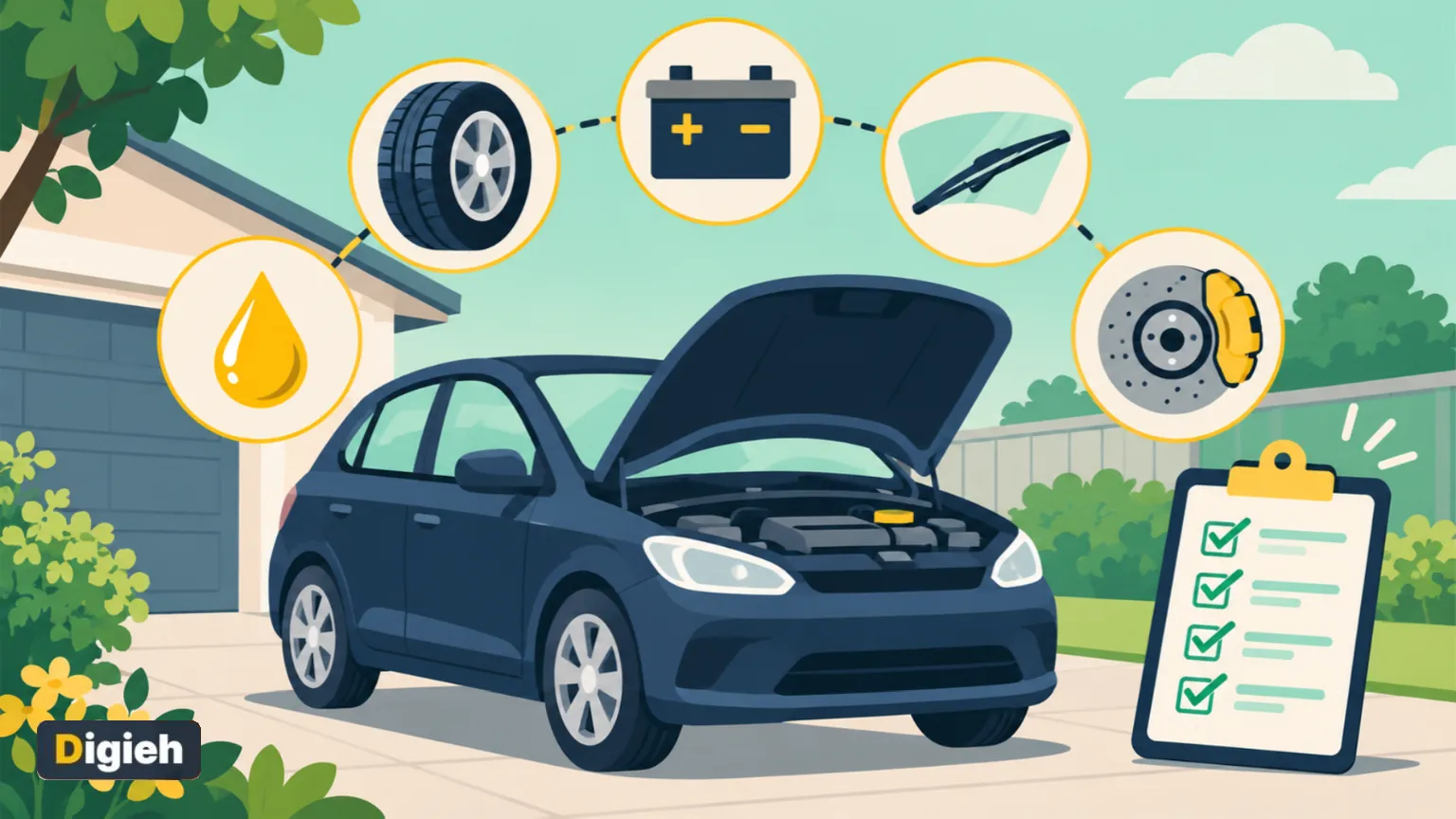
A simple car maintenance checklist keeps your car safe and helps it last longer. Check tires, lights and fluids each month, and follow your owner’s manual for oil changes. Inspect brakes, battery and wipers each season.
This guide breaks the jobs into monthly, seasonal and yearly lists. Most checks take only a few minutes and need no special tools.
Key Takeaways
- Follow the maintenance schedule in your owner’s manual for your type of driving.
- Check tire pressure monthly when the tires are cold.
- Using the right motor oil grade can improve fuel economy by 1 to 2 percent.
- Get written estimates and keep records of every repair.
- Check for open recalls, since carmakers fix them for free.
Inside this guide
- Monthly checks
- Every oil change
- Seasonal checks
- Yearly checks
- Save money on maintenance
- Choosing a repair shop
- Keep good records
- Frequently asked questions
Start With Your Owner’s Manual
Every car has its own schedule. The Federal Trade Commission advises following the maker’s schedule for your driving. It says so in its auto repair basics guide.
Many manuals list a normal schedule and a severe schedule. Severe driving includes lots of short trips, towing, dusty roads or extreme heat and cold.
If a shop suggests service more often than the manual, ask why. A good mechanic will explain the reason.
0.6%Average gas mileage gain from keeping tires properly inflated, and up to 3 percent, per FuelEconomy.gov.
Monthly Checks
Tire pressure and tread
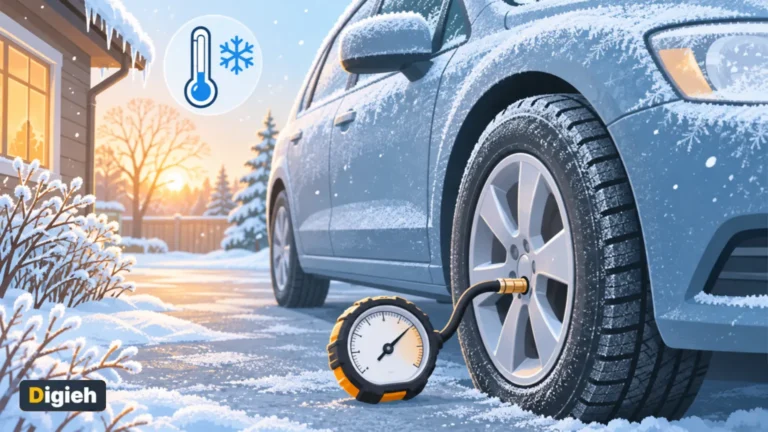
Check all four tires and the spare when they are cold. Use the pressure on the door label, not the number on the tire. The National Highway Traffic Safety Administration explains this on its tire safety page.
Look for uneven wear, cuts and bulges. Use the penny test to check tread depth.
Lights
Walk around the car with the lights on. Check headlights, brake lights, turn signals and reverse lights.
Fluids
With the engine cool, check the oil level on the dipstick. Look at the coolant, brake fluid and washer fluid levels against the marks.
Leaks
Look under the car where you park. Fresh spots of oil, coolant or other fluids mean something needs attention.
Good to know. Many newer cars have electronic oil monitors. Still, a quick dipstick check is a smart habit.
Every Oil Change
Oil change intervals vary a lot by car and oil type. Follow the manual or the car’s oil life monitor rather than an old rule of thumb.
Use the oil grade your manual recommends. FuelEconomy.gov says the right grade can improve mileage by 1 to 2 percent, and the wrong grade can lower it.
- Replace the oil filter.
- Rotate tires if the schedule calls for it.
- Check the air filter.
- Inspect belts and hoses for cracks.
- Top up washer fluid.
How do you keep track of car maintenance?
- I follow the owner’s manual
- I wait for the shop or a warning light
- I use an app or notes
- Not sure
Seasonal Checks
Before winter
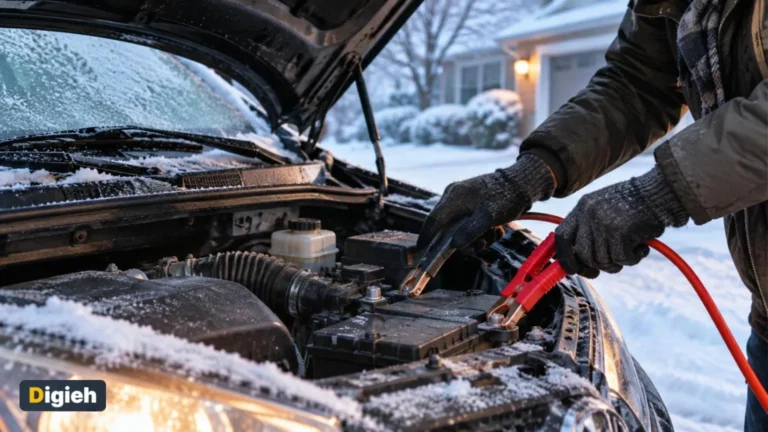
- Test the battery, since cold weather weakens it.
- Replace worn wiper blades.
- Fill up with winter washer fluid.
- Check the heater and defroster.
- Consider winter tires in snowy areas.
Our guide to cold-weather car battery tips explains warning signs. Pack a winter car emergency kit too.
Before summer
- Check the air conditioning.
- Inspect coolant levels and hoses.
- Look at tires for heat damage and wear.
Yearly Checks
- Have the brakes inspected.
- Check the suspension and steering.
- Replace the cabin air filter if needed.
- Inspect the exhaust system.
- Review your insurance and registration.
A yearly inspection often catches small problems early. Fixing them sooner usually costs less.
Do Not Ignore Warning Lights
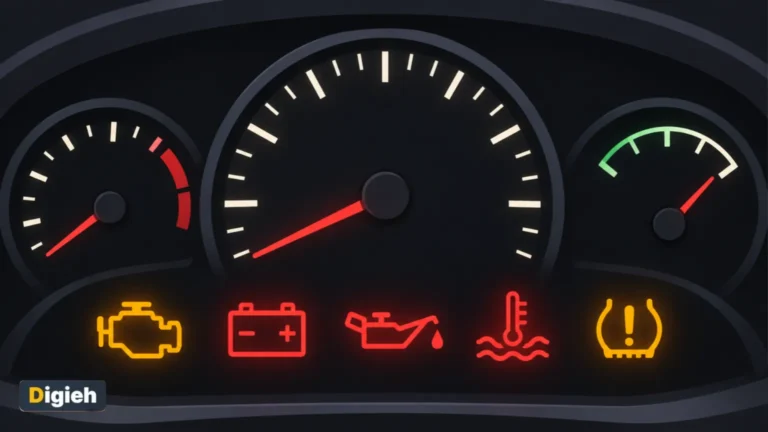
Warning lights tell you something needs attention. A red light often means stop soon, while amber means service soon.
FuelEconomy.gov advises getting the car checked when the check engine light comes on, since problems can hurt fuel economy. Our guide to dashboard warning lights explains each one.
Check for Recalls
Carmakers fix safety recalls for free. Use the federal recall search with your 17-character vehicle identification number.
You can find that number on the lower corner of the windshield or on your registration. Check again a few times a year.
Signs Your Car Needs Attention
- Squealing or grinding when you brake
- The car pulls to one side
- Strange smells, like burning oil or sweet coolant
- Vibration in the steering wheel
- Slow engine cranking on cold mornings
- A warning light that stays on
Do not wait for a small sign to become a breakdown. Book a check when something feels or sounds different.
Brakes Deserve Extra Care
Brakes are your most important safety system. Listen for squeals, grinding or a soft pedal.
Brake pads wear faster with city driving and heavy loads. Ask the shop to show you pad thickness during inspections.
Before a Road Trip
- Check tire pressure, including the spare.
- Top up all fluids.
- Test lights and wipers.
- Make sure the battery is strong.
- Pack an emergency kit, water and a phone charger.
A quick check the week before a long drive can prevent a breakdown far from home.
Electric and Hybrid Cars
Electric cars skip oil changes, but they still need tire, brake and cabin filter care. Their heavy batteries can wear tires faster.
Hybrids still have engines, so they need oil changes and regular engine care. Both types follow their own schedules, so check the manual.
Older Cars Need a Little More
Rubber parts like belts, hoses and wiper blades age over time. Inspect them more often on cars older than about ten years.
Keep an eye on rust, especially if you live where crews salt the roads. Washing the underside in winter helps.
Older cars may also need more frequent fluid checks. Small leaks become more common as seals age.
Free updates
Join the Digieh list
Be the first to know when our weekly brief launches.
No spam. Unsubscribe anytime. Read our Privacy Policy.
Wipers and Clear Visibility
Worn wipers leave streaks that make rain and snow driving harder. Replace blades when they chatter, skip or leave lines on the glass.
Clean the inside of the windshield too, since film builds up and causes glare at night. Keep the washer tank full, especially in winter.
Check that the defroster clears the glass quickly. A weak defroster can signal a heater or air conditioning problem.
Not sure if your tires are worn? Try the penny test for tire tread, which takes two minutes.
Tire Rotation and Alignment
Rotating tires moves them between positions so they wear evenly. Many manuals suggest doing it at regular oil change visits.
If the steering wheel sits off center or the car drifts, ask about an alignment. Poor alignment wears tires quickly and hurts handling.
Balance the wheels if you feel vibration at highway speeds. It is a quick job for most tire shops.
Save Money on Maintenance
- Learn simple jobs like checking oil and replacing wiper blades.
- Compare prices at a few shops.
- Ask if the shop uses new, used or rebuilt parts.
- Do not pay for services your manual does not call for.
- Keep tires inflated to save fuel.
FuelEconomy.gov notes that replacing a clogged air filter does not improve fuel economy on modern fuel-injected cars. It can still help acceleration.
Quick tip. Set a phone reminder on the first of every month for tire pressure and a walk-around light check.
Choosing a Repair Shop
Ask friends for recommendations and compare prices and warranties. The trade commission also suggests checking whether your state requires shop licenses.
Get a written estimate that lists the problem, parts and labor. Make sure the shop must ask you before going over a set amount.
Certifications can be helpful, but they do not guarantee honest work. Trust shops that explain repairs clearly.
Keep Good Records
Save every receipt and repair order. The commission advises getting a completed repair order showing the work, parts, costs and mileage.
Records help with warranty claims and can raise your car’s resale value. A simple folder or phone note works well.
A well-kept car can also help you find better coverage. See our guide on how to lower car insurance.
Simple Jobs You Can Do Yourself
- Check and fill tire pressure
- Top up washer fluid
- Replace wiper blades
- Replace the cabin air filter on many cars
- Clean battery terminals with care
Leave brakes, steering and airbag work to professionals. Mistakes there can be dangerous.
Your Car Maintenance Checklist
- Tire pressure and tread checked this month
- All lights working
- Oil and fluids at the right levels
- Oil changes follow the manual
- No open recalls
- Receipts and records saved
Try this today. Find your owner’s manual and mark the next service due. Then check your vehicle identification number for recalls.
Test Yourself
Where should you find the right tire pressure?
- The label on the driver’s door edge or the manual
- The maximum number on the tire
- Any gas station sign
Federal safety officials say to use the vehicle label, not the tire sidewall.
How much can the right oil grade improve gas mileage?
- 10 to 20 percent
- 1 to 2 percent
- No change at all
FuelEconomy.gov says the recommended grade can improve mileage by 1 to 2 percent.
Frequently Asked Questions
How often should I change my oil?
Follow your owner’s manual or oil life monitor. Intervals vary by car and oil type.
How often should I check tire pressure?
At least once a month, when the tires are cold.
Are recall repairs free?
Yes. Carmakers fix safety recalls at no charge.
Conclusion
Regular maintenance keeps your car safe, saves fuel and prevents big repair bills. Check tires and fluids monthly, follow your manual and keep good records.
A few minutes each month can add years to your car’s life.
Found this useful?
Editor’s Note
This guide is accurate as of November 9, 2026. It draws on the Federal Trade Commission, FuelEconomy.gov and the National Highway Traffic Safety Administration.
Every car is different, so follow your owner’s manual.
Spot an error in this article? Please contact us at support@digieh.com or read our Corrections Policy.
Keep exploring
Your next read is waiting
 1Home & KitchenHomemade Christmas Ornaments: 10 Easy Ideas to Make8 min read
 2Food & LifestyleChristmas Gift Ideas for Mom She Will Truly Love8 min read
 3Travel & TourismTraveling With Kids: Tips for Stress-Free Family Trips8 min read
 4Fruits & VegetablesFrozen vs Fresh Vegetables: Which Is Healthier?8 min read
 5PhonesPhone Privacy Settings to Change Right Now8 min read
 6Finance & MarketsMinimum Wage Increases 2027: New Rates by State7 min read