TRENDING
Warning: YouTube Monetization Rules Get Tougher in 2027

10 min read
Last updated November 8, 2026
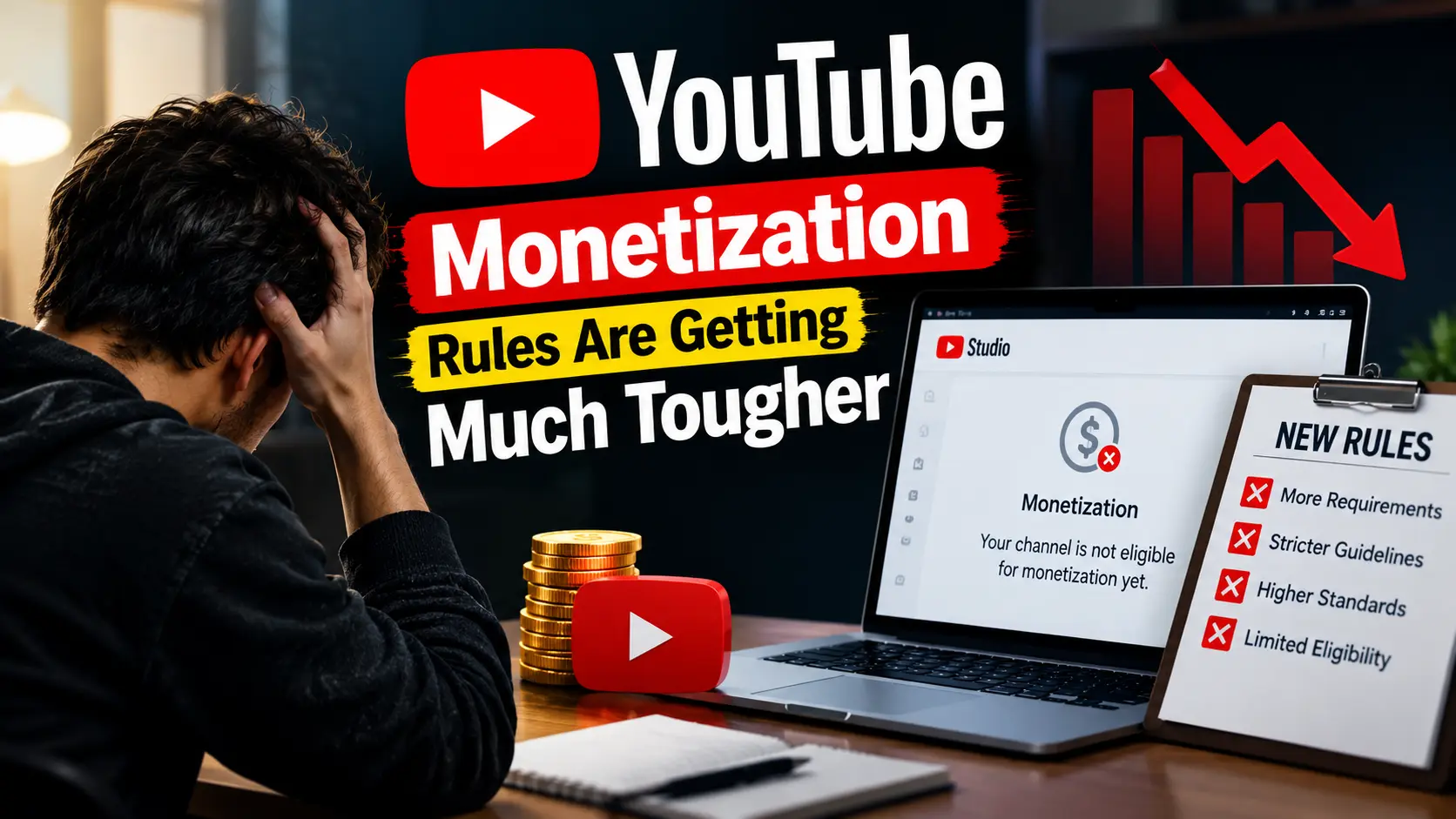
YouTube is changing the rules for creators who want to earn money from their videos. New requirements start on February 1, 2027.
The biggest change is simple. New channels will need twice the watch hours or Shorts views to earn from ads.
This guide explains what is changing, what stays the same and what you should do now. It uses YouTube’s own help pages and official announcement.
Key Takeaways
- New ad-revenue applicants will need 8,000 watch hours or 20 million Shorts views.
- Creators already in the program keep their status.
- Shorts revenue sharing will need 10 million Shorts views every 90 days.
- Existing partners must accept new terms by January 31, 2027.
- Fan funding and shopping thresholds are not changing.
8,000 hoursWatch hours new applicants will need from February 1, 2027, up from 4,000, according to Google.
The Current Rules
Today, YouTube’s Partner Program help page requires 1,000 subscribers to join. Creators also need 4,000 qualified watch hours in 12 months. The other option is 10 million qualified Shorts views in 90 days.
Channels must follow monetization policies and live in a supported country. They also need two-step verification, no active Community Guidelines strikes and a linked AdSense account.
These rules remain in place until the changes take effect.
What Changes on February 1, 2027
YouTube announced the update on August 11, 2026. According to Google’s official post, new applicants will need 1,000 subscribers plus higher view totals.
The new bar is 8,000 qualified public watch hours in the last 12 months. The alternative is 20 million qualified Shorts views in the last 90 days.
That doubles the current requirements for ad and Premium revenue sharing. Creators already in the program are not affected by the higher entry bar.
Where is your channel right now?
- Already monetized
- Close to qualifying
- Just starting out
- Not sure
A New Rule for Shorts Revenue
Shorts creators face their own change. From February 1, 2027, Shorts revenue needs a new minimum. Channels must have 10 million qualified Shorts views in the last 90 days.
Channels below that level stay in the program, according to Google. They keep earning from long-form videos, and Shorts sharing resumes once they cross the threshold again.
This change matters most for creators who rely heavily on short clips. A mix of Shorts and longer videos may become safer.
Good to know. Watch hours from Shorts feed views do not count toward the long-form watch hour requirement, according to YouTube.
Staying Active Matters
YouTube is also defining what counts as an active channel. Search Engine Journal reports that a channel counts as active if it meets one of several targets.
One target is 1,000 qualified watch hours in the past year. Others are 1 million Shorts views in 90 days, or regular uploads. Regular uploads mean two long-form videos or five Shorts every 90 days.
Channels that miss all three get an extended window to catch up. Posting on a steady schedule is the easiest way to stay safe.
Accept the New Terms in Time
Current partners must review and accept updated terms in YouTube Studio. The deadline is January 31, 2027, according to YouTube’s help page.
Channels that miss the deadline lose earnings from affected features until they accept. Their program status itself stays in place.
Set a reminder now so this step does not slip during the busy holiday season.
- Check your watch hours in YouTube Studio
- Turn on two-step verification
- Link one AdSense account
- Post on a steady schedule
- Accept new terms by Jan 31, 2027
- Add a second income stream
What Is Not Changing
Fan funding and shopping thresholds stay the same, according to Google. That includes memberships, Super Chat and Super Thanks.
YouTube’s earning guide says Shopping needs 500 subscribers and three valid public uploads in the last 90 days. It also needs 3,000 watch hours in a year or 3 million Shorts views in 90 days.
Smaller creators can still earn through these tools before reaching full ad revenue.
New Ways to Earn
YouTube says it is adding new options too. Google’s post explains that Premium Lite now reaches every country where Premium is offered.
YouTube also plans incentives for Shorts creators below the new threshold. These include shopping bonuses, brand deal incentives and boosts for trends, with details still to come.
The company says it expects to pay creators more in 2027 than in 2026.
Quick tip. Add a calendar reminder for January 2027 to accept the new terms in YouTube Studio.
What New Creators Should Do Now
If you are not yet monetized, the next few months matter. Channels that qualify under the current rules before February 1, 2027 may face a lower bar.
Focus on content people actually want to watch. Strong titles, clear thumbnails and a hook in the first seconds help viewers stay.
Track your progress in YouTube Studio. The Analytics tab shows watch hours and subscribers in one place.
Build Long-Form Watch Time
Long videos usually add watch hours faster than Shorts. Tutorials, reviews and explainers often keep viewers watching longer.
Use Shorts to attract new viewers, then point them to your longer videos.
Watch hours goal planner
Long-form videos usually add watch hours faster than Shorts.
Who Is Most Affected
New and small creators feel the biggest impact. They now face a higher climb before ad revenue begins.
Shorts-only channels also face more pressure. Without 10 million views every 90 days, their Shorts revenue pauses.
Established long-form channels see the least change. They mainly need to accept new terms and stay active.
How to Grow Faster the Right Way
Pick a clear niche so viewers know what to expect. Channels with a focus tend to grow loyal audiences.
Study your top videos in YouTube Studio. Make more content similar to what already performs well.
Collaborate with creators of a similar size. Guest appearances introduce you to new viewers who already like your topic.
Reply to comments in the first hours after posting. Early engagement can help a video reach more people.
Planning Your Content Calendar
A simple calendar keeps you consistent. Plan topics a month ahead and batch-film when you can.
Mix evergreen videos with timely ones. Evergreen tutorials keep earning views for years.
Seasonal topics, like holiday gift guides, can bring quick spikes in traffic. Plan them early so they are ready on time.
Planning helps you post on time. Our guide shows a simple way to write a video script fast.
Avoid Shortcuts That Break the Rules
Some sellers promise fast subscribers, views or ready-made monetized channels. These shortcuts can break YouTube’s rules and put your channel at risk.
Fake engagement can lead to removal from the program or channel strikes. Real growth takes longer but lasts.
Our guide on how to spot fake reviews shows similar warning signs in online selling.
How many watch hours will new applicants need from February 2027?
- 4,000
- 8,000
- 12,000
YouTube is doubling the requirement from 4,000 to 8,000 qualified watch hours in 12 months.
Shorts or Long Videos?
Both formats have a place, but the 2027 rules change the math. Shorts bring quick discovery, while long videos build watch hours.
If you rely only on Shorts, the new 10 million view minimum may pause your Shorts earnings. Adding regular long videos protects your income.
Many creators now post one long video a week and several Shorts that tease it. This mix grows both audiences.
Free updates
Join the Digieh list
Be the first to know when our weekly brief launches.
No spam. Unsubscribe anytime. Read our Privacy Policy.
Using Thumbnails and Titles Well
Thumbnails and titles decide whether people click. Use bright, simple images with one clear focus.
Keep titles short and honest about what the video delivers. Misleading titles may get clicks but hurt watch time.
Test different thumbnail styles over time and compare results in YouTube Studio.
Want more clicks from the same views? Learn how to write video titles people click and pick the best words for your thumbnail.
Build Income Beyond Ads
Ad revenue is only one stream. Many creators also earn from sponsorships, affiliate links and their own products.
Diversifying protects you if ad rates drop or rules change again. Even small side streams add up.
Our guide on how to start a business newsletter explains another way to connect with your audience directly.
Working With Brands
Sponsorships can pay well even before full monetization. Brands often care more about an engaged audience than a huge one.
Create a simple media kit with your audience size, topics and contact details. Always disclose paid promotions clearly to viewers.
A loyal community starts with small habits. Try these pinned comment ideas and learn to write a social media bio.
Protect Your Channel
Turn on two-step verification, which YouTube already requires for the program. Use a strong, unique password stored in a password manager.
Be careful with emails that claim to be from YouTube. Our guide on how to spot phishing emails explains common tricks.
Back up important videos and thumbnails in case you ever lose access.
What is the deadline to accept the new terms?
- January 31, 2027
- December 31, 2026
- March 1, 2027
Existing partners must accept the updated terms in YouTube Studio by January 31, 2027.
Equipment on a Budget
You do not need expensive gear to start. A modern phone camera records sharp video in good light.
Spend first on a simple microphone, since clear sound keeps viewers watching. A window or a cheap lamp can provide soft lighting.
Free editing apps handle cuts, captions and music. Upgrade equipment only after your channel shows steady growth.
Understanding Advertiser-Friendly Content
YouTube’s earning guide says ad revenue requires content that meets advertiser-friendly guidelines. Videos with strong language, violence or shocking themes may earn limited ads.
Review the guidelines before you publish sensitive topics. Thoughtful titles and thumbnails reduce the chance of limited monetization.
If a video gets limited ads, you can request a human review in YouTube Studio.
Make Videos Easier to Watch
Small improvements raise watch time. Add captions so viewers can follow along without sound.
Use chapters to help people jump to the parts they want. Clear audio matters even more than perfect video.
Ask viewers a question at the end to encourage comments and return visits.
Chapters make long videos easier to watch. See how to add YouTube chapters with timestamps and how to write descriptions that get read.
Taxes and Payments
YouTube income is taxable in most countries. Keep records of your earnings and any business expenses.
In the United States, creators may need to make estimated tax payments. This article is for general information only and is not tax or financial advice.
Our guide on how to start freelancing with no prior experience covers basic money habits for independent work.
Learning From Analytics
YouTube Studio shows which videos keep viewers watching. Look at average view duration and audience retention graphs.
A sharp drop in the first 30 seconds usually means the opening needs work. Try starting with the most interesting point.
Check traffic sources to see whether viewers find you through search, suggestions or outside links. Then focus on what works best.
Stay Motivated for the Long Run
Most successful channels grow slowly at first. Consistency matters more than any single viral video.
Set small goals, such as one video a week. Celebrate progress, like your first 100 subscribers.
Learn from your analytics, not from comparing yourself to giant channels.
Try this today. Open YouTube Studio and check your watch hours for the past 12 months. Write down how far you are from each goal.
Frequently Asked Questions
When do the new YouTube monetization rules start?
The changes take effect on February 1, 2027.
What are the new requirements to join?
New applicants need 1,000 subscribers plus 8,000 watch hours in 12 months or 20 million Shorts views in 90 days.
Will monetized channels lose their status?
No, creators already in the program keep their status, but they must accept new terms by January 31, 2027.
What changes for Shorts creators?
Shorts revenue sharing will need 10 million qualified Shorts views in the last 90 days.
Are fan funding rules changing?
No, fan funding and shopping thresholds stay the same.
Conclusion
YouTube is raising the bar for new creators while keeping current partners in place. The new rules start on February 1, 2027.
If you are close to the current thresholds, push to qualify now. If you are already monetized, accept the new terms before the deadline.
Real content, steady uploads and several income streams remain the best path to lasting success.
Found this useful?
Editor’s Note
This article is accurate as of November 8, 2026. It draws on YouTube help pages, Google’s official announcement and Search Engine Journal. YouTube may update its rules again.
Spot an error in this article? Please contact us at support@digieh.com or read our Corrections Policy.
Keep exploring
Your next read is waiting
 1Fruits & VegetablesPineapple Health Benefits and How to Cut It9 min read
 2MedicinesIs Taurine Safe? The Truth About Energy Drinks9 min read
 3MarketingSmart Ways to Use Your Pinned First Comment8 min read
 4Finance & MarketsAnthropic IPO Explained: Date, Ticker and Key Numbers5 min read
 5AI & TechClaude Fable 5.2 and Mythos 5.2: What Changed4 min read
 6Science & DiscoveriesQuadrantid Meteor Shower 2027: Best Time to Watch9 min read